Mara Ngenche Safari Camp sits at the confluence of the Talek and Mara rivers inside the Masai Mara Game Reserve. A camp at a river confluence occupies a specific ecological position, and understanding what that means in practice helps you decide whether this location matches your safari goals.
Location: The Confluence Position Explained
Where the Talek Meets the Mara
The Talek River flows west through the eastern Masai Mara before meeting the Mara River in the interior of the reserve. The confluence point where these two rivers meet is one of the more wildlife-active zones in the reserve, for reasons that are straightforward ecology.
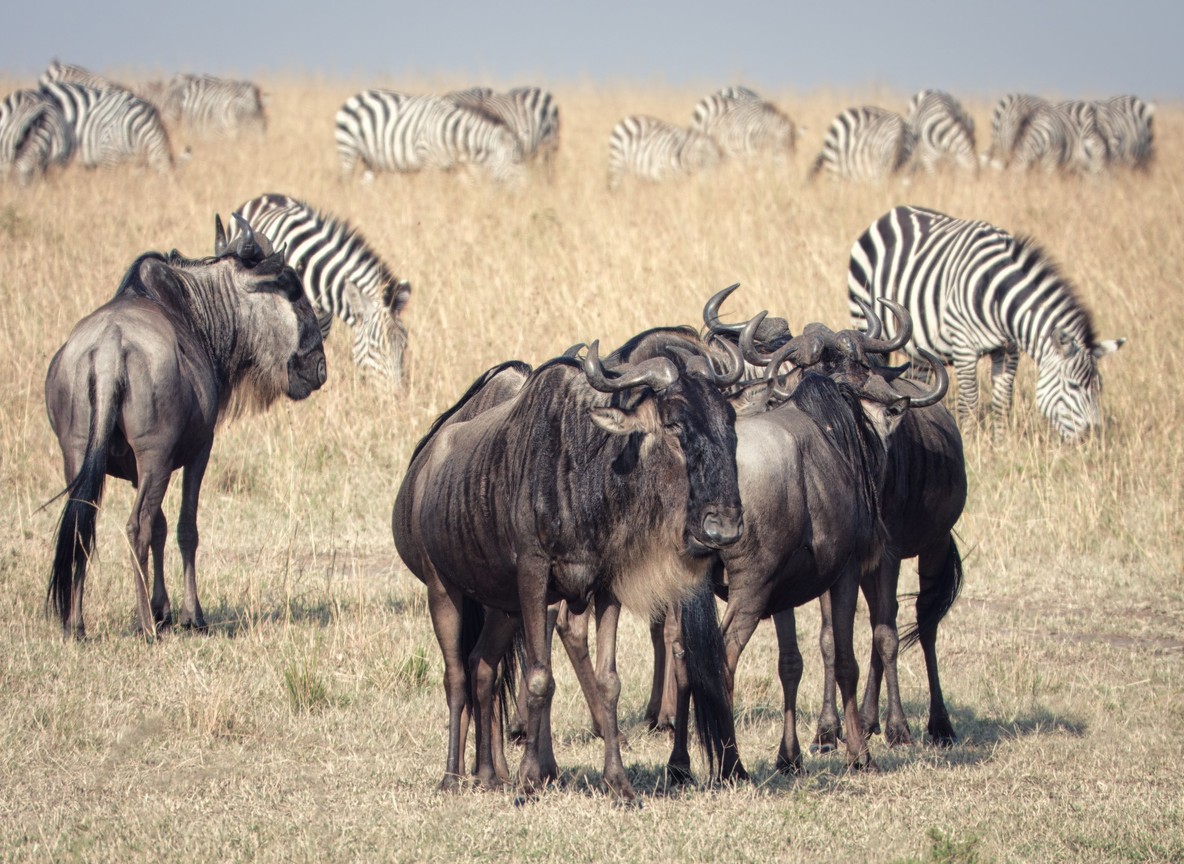
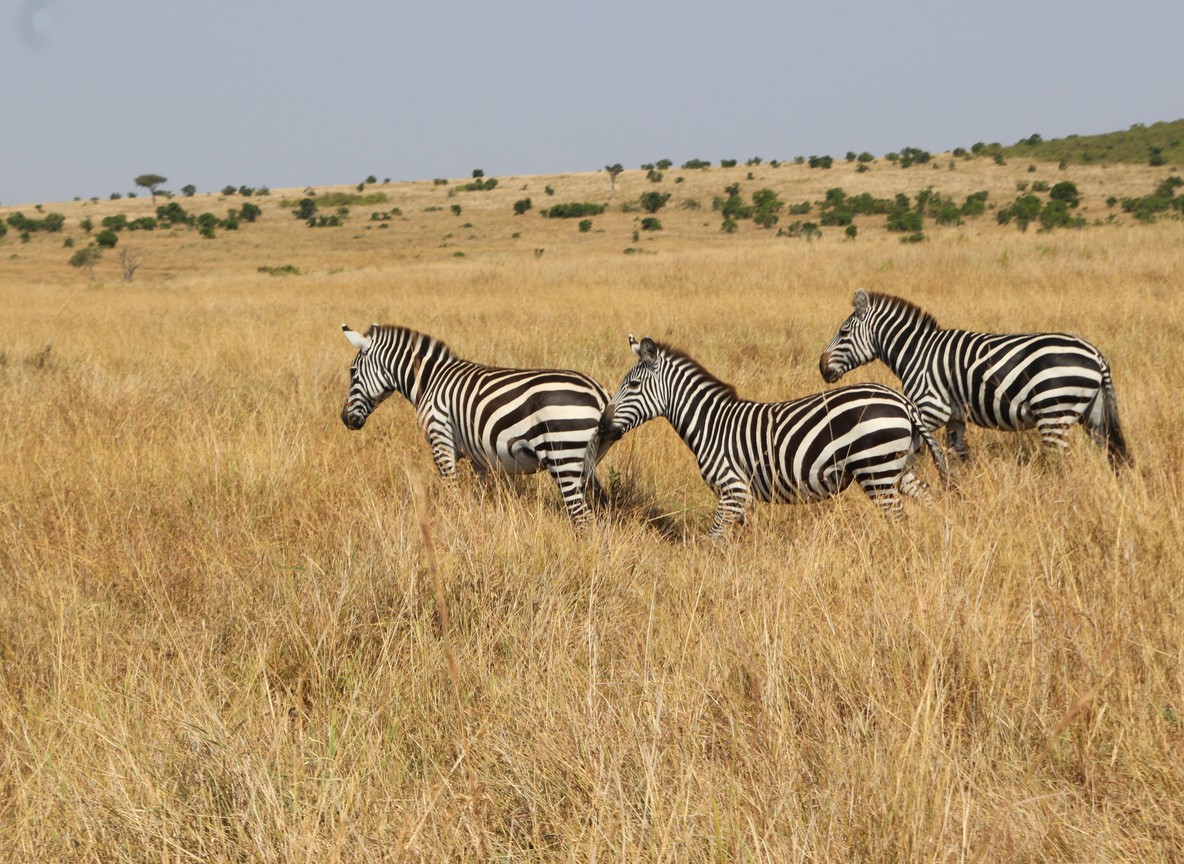
River junctions concentrate wildlife. Multiple water sources converge, which means more species using the same area. Hippos, crocodiles, elephants, and waterbuck are resident year-round at and near river confluences. The riverine vegetation on both banks provides dense cover for leopards and smaller cats. Open floodplains adjacent to the confluence attract lions, cheetahs, and the full prey base of wildebeest, zebra, and gazelle.
A camp positioned at or near the confluence sits inside two overlapping wildlife corridors simultaneously. Morning drives can follow the Mara River north or south, or swing east along the Talek, giving guides more circuit variety than a single-river camp has.
For general reserve background, the Kenya Wildlife Service Maasai Mara page covers zone structure and access.
Migration Season Relevance
During the wildebeest migration from July through October, the Mara River crossing points are among the most anticipated spectacles in the Masai Mara ecosystem. A camp at the Talek-Mara confluence is positioned close to the river corridor and within range of the major crossing locations that form along the Mara River as herds mass and push north.
Getting to a crossing zone quickly and returning to camp efficiently matters during migration season when crossing timing is unpredictable and guides need to stay near the action. A riverside confluence camp reduces the dead driving time associated with camps positioned farther from the river.
Practical Comfort and Booking Details
What to Verify Before Payment
Regardless of which Masai Mara camp you are evaluating, the same set of practical questions apply:
- What room types and sleeping configurations are available for your group?
- Is hot water available on a schedule or continuously?
- What are the power and charging arrangements?
- Are park fees included in the quoted nightly rate or charged separately at the gate?
- What does the meal program include, and are bush breakfasts or packed lunches part of the standard rate?
Setting these expectations before arrival prevents the kind of logistics friction that can affect early morning drive departures.
Camp Category
Mara Ngenche Safari Camp sits within the mid-range to upper-mid-range tier of Masai Mara accommodation. At this level, guests can expect comfortable tented accommodation, meals organized around the game drive schedule, and a solid guide who knows the reserve circuits well.
The wildlife experience at this tier, with a good location and a competent guide, routinely competes with much more expensive options. The river confluence position is a genuine location asset that mid-range pricing does not diminish.
Wildlife Access: What the Dual-River Zone Produces
Year-Round Residents
The Talek-Mara confluence zone holds strong resident wildlife regardless of season:
- Hippos and crocodiles in both rivers, year-round
- Elephants using the riverine vegetation and water sources daily
- Leopards in the gallery forest along both river banks
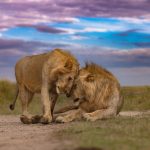
- Lions on the adjacent floodplains and grassland
- Hippo pods that surface at predictable points, providing reliable sightings for guests who want them
Game Drive Planning
Guides from a confluence camp have a wider circuit to draw on than single-river camps. Morning drives can push north along the Mara River toward the Bila Shaka and Musiara circuits, east toward the open plains, or south along the Talek corridor. Afternoon drives often focus on the floodplain edges where predators become active as the temperature drops.
The guide’s knowledge of current animal movements and real-time radio contact with other vehicles in the field are what convert a good location into consistently good sightings.
Who Mara Ngenche Safari Camp Suits Best
Strong Fit For:
- Travelers who want year-round river wildlife: hippos, crocodiles, and waterside predators
- Migration season visitors who want to minimize drive time to the Mara River crossing zones
- Couples or families who want reliable wildlife access from a riverside setting
- Travelers who want the range of circuit options a confluence position provides without paying conservancy camp rates
Worth Considering Alternatives If:
- Night drives and walking safaris are priorities, which require a private conservancy camp
- You want maximum exclusivity and very low vehicle density at every sighting
- Your primary goal is access to the open northern plains rather than the river corridors
Practical Planning Notes
The Talek-Mara River confluence area is accessible from Nairobi via road through Narok to either Sekenani or Talek Gate, approximately five to six hours. Fly-in access via Keekorok or Ol Kiombo airstrip with a road transfer is faster and the preferred option for most international travelers.
Migration season booking (July through October) should be made at least three to four months ahead. River-adjacent camps are among the first to fill during this period because of the crossing proximity advantage.
Confirm whether your quoted rate includes or excludes daily park entry fees. These run $80 to $100 per person per day inside the reserve and represent a significant addition to total daily cost if not factored in.
Keep Exploring
If you are comparing river-position camps in the Masai Mara, a breakdown of Mara River versus Talek River positioning and the trade-offs between each zone helps clarify which location best serves your specific safari goals.
Have questions about this itinerary or destination? Get answers from a safari specialist before you commit.
Inquire MoreFurther reading
More safari planning resources
- Wildebeest migration route map from Valley Safaris
- Great Migration safari collection on FindMySafari
- Interactive Maasai Mara map from Valley Safaris
- Masai Mara destination guide on FindMySafari
Related guides: Matira Camp: A Guide to the Mara and Talek Rivers Junction Property.