There is a particular kind of Maasai Mara camp that does not try to be everything. It focuses on getting you out on the plains early, feeding you well between drives, and making sure the logistics work. Manyatta Camp near Oloolaimutia Gate fits that description. It is a practical base in a well-positioned corner of the ecosystem, and for the right traveller, that is exactly what a Maasai Mara safari needs.
This guide is not a sales pitch. It is a breakdown of what the camp offers, what the location means for your days in the field, who tends to do well here, and what to think about before you commit.
Where Manyatta Camp Sits and Why Location Matters Here
Manyatta Camp is located near Oloolaimutia Gate, one of the main entry points into the Maasai Mara National Reserve on its southern boundary. That position has real consequences for how your safari days unfold.
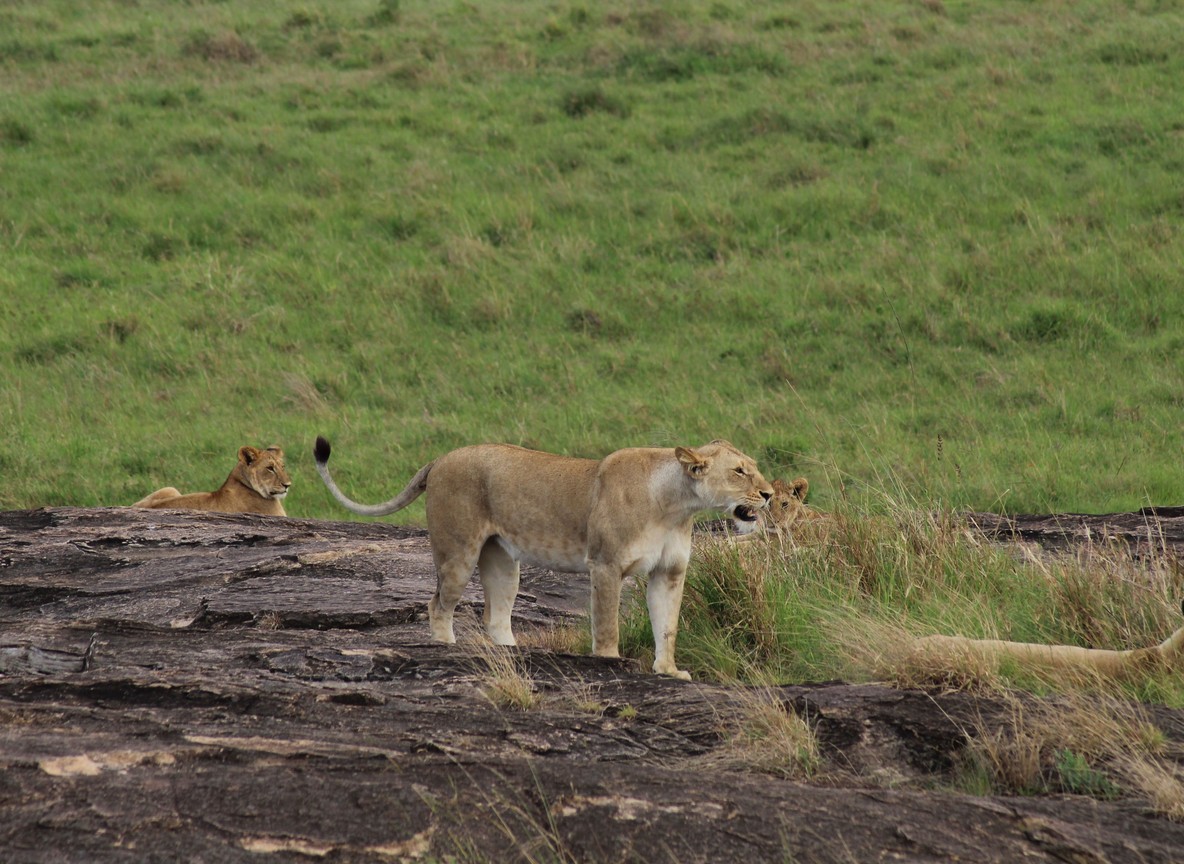
The Oloolaimutia sector gives you access to the southern Mara plains, which hold good resident wildlife throughout the year. Lion prides, elephant herds, giraffe, zebra, and buffalo move through this landscape in patterns that experienced guides know well. During the Great Migration (roughly July through October, peaking in August and September), the wildebeest columns push through from the Serengeti and the southern areas of the reserve see significant traffic.
Being close to this gate means:
- Morning drives can start at first light without a long transfer from the accommodation to the reserve boundary
- You are not losing the best wildlife hours to road time
- Afternoon returns can be timed around the golden light window rather than gate closing pressure
- Day routes can extend into different sectors as conditions and sightings evolve
For travellers who want to maximize time with animals and minimize time in transit, this kind of positioning matters more than it might initially seem.
For official reserve maps and gate information, the Kenya Wildlife Service publishes details at www.kws.go.ke/content/maasai-mara-national-reserve.
What the Camp Offers
Accommodation Setup
Manyatta Camp operates at the more accessible end of the Maasai Mara accommodation range. Tent setups are functional and built around the rhythm of safari: you are not spending long hours in your room. You leave early, return for breakfast or lunch, head back out, and come in at dark for dinner. What matters in that context is a comfortable bed, a reliable hot shower after a dusty drive, and somewhere to charge your camera batteries.
Before booking any Maasai Mara camp, it is worth confirming the specifics directly:
- Tent or room type and bed configuration
- Hot water availability and schedule (solar-heated systems can be time-sensitive)
- Charging points and power windows
- Whether family configurations or connecting rooms are available if you are travelling in a group
Meals and Daily Rhythm
Camp meals at Manyatta follow the standard Mara pattern: early breakfast before the morning drive, a midday meal (either at camp or as a packed lunch in the field), and dinner after the evening drive winds down. This schedule keeps your wildlife hours intact rather than interrupting them for lengthy sit-down meals.
The social areas in camps like this are usually simple and relaxed. A shared dining tent, a campfire area in the evenings, and enough space to look out over the bush. The experience is genuine rather than curated.
Service and Expectations
This is a camp that suits people who are there for the wildlife, not for a resort experience. The standard is solid, the atmosphere is unpretentious, and the focus is on getting guests to good sightings. Travellers who want butler service and a spa should look at the higher tier of Mara properties. Travellers who want clean, reliable comfort and a strong guide to take them out into one of the world’s best wildlife ecosystems will find Manyatta does what it needs to do.
Game Drives and Wildlife Access
What the Southern Mara Delivers
The area around Oloolaimutia Gate puts you in good range of the Mara’s resident predator populations. Lion, leopard, and cheetah are all present in this sector. The open plains make for excellent visibility, and the mix of acacia woodland and open grassland creates varied habitat that attracts a wide range of species.
Key wildlife patterns worth knowing:
- Predators: Early morning (06:30 to 09:00) and late afternoon (15:30 to 18:00) are when lions and cheetah are most active. Leopard sightings tend to be more opportunistic but the woodland areas near the reserve boundary are productive.
- Elephants: Large herds move through the southern sector and are often encountered near seasonal water sources.
- Migration: From July onward, wildebeest numbers build rapidly. River crossing action is concentrated along the Mara River to the north, so guides from the southern camps will often route guests north during peak migration weeks.
How Drive Quality Varies
The camp’s proximity to the gate gives you a head start on timing. But the single biggest variable in Maasai Mara safari quality is not the camp, it is the guide. An experienced guide with current knowledge of animal locations, established radio networks with other vehicles, and the discipline to position properly at sightings makes an enormous difference to what you actually see.
When booking, ask specifically about guide experience and whether guides are based permanently in the Mara or rotate in. Guides who know the specific territory around a camp tend to find animals faster and read behavior more accurately.
How Manyatta Compares to Other Mara Options
The Maasai Mara has more than a hundred camps and lodges spread across the national reserve and the surrounding conservancies. They range from ultra-budget tented camps with shared facilities to exclusive-use private houses at the top of the market.
Manyatta Camp sits in the accessible-to-mid-range bracket. It is not the cheapest option in the Mara, but it is positioned sensibly for travellers who want a decent base without committing to the premium pricing of the conservancy camps or the larger lodge-style properties.
When comparing camps in this tier, consider:
| Factor | Why It Matters |
|---|---|
| Gate proximity | Affects how much wildlife time you get per day |
| Guide quality and experience | The single biggest predictor of sighting quality |
| Inclusions vs exclusions | Park fees, game drives, and meals vary by package |
| Tent or room size | Matters more if you are spending longer stretches at camp |
| Transfer logistics from Nairobi | Air strips, road quality, and drive time all vary by location |
For a broader comparison of Maasai Mara accommodation options across different price points and sectors, the guides at touringinsights.com cover the key trade-offs.
Who Does Well at Manyatta Camp
This camp works particularly well for:
- First-time safari travellers who want solid wildlife access and a functional, unpretentious base without paying for luxury inclusions they might not need
- Repeat Mara visitors who have done the high-end camps and want to try a different sector or a more stripped-back approach
- Couples and small groups traveling on a considered budget who are primarily there for game drives
- Solo travellers joining group game drives who want to share costs without compromising on location
It is less suited to travellers who want a conservancy experience with night drives and walking safaris, or those for whom the camp itself is a significant part of the holiday.
Explorer Notes
A few things worth knowing before you arrive:
- The road from Nairobi to Oloolaimutia takes roughly five to six hours by road, depending on traffic leaving the city. The alternative is a scheduled or charter flight to one of the Mara’s airstrips, which cuts the transfer to 45 minutes. If your budget has room for it, flying in and out saves meaningful time on a short trip.
- Pack layers for early morning drives. The southern Mara sits at altitude and the open vehicles can be genuinely cold at 06:30, even when midday temperatures climb significantly.
- The short rains in November create green-season conditions: fewer tourists, lower rates, and excellent birdlife. Wildlife is still abundant. It is one of the more underrated windows for this area.
- If you are visiting during peak migration (August to September), book well in advance. Availability across all Mara camps tightens significantly and prices reflect demand.
Planning Your Manyatta Camp Stay
Typical Mara packages covering Manyatta Camp include accommodation, meals, game drives, and park fees. Transfer arrangements and extras like fly camping or sundowner drives vary by operator and season.
For current availability, seasonal rates, and itinerary options that combine Manyatta with other Kenya destinations, the team at trunktrailssafaris.com works with this camp and can provide tailored guidance.
For deeper Maasai Mara planning content including seasonal breakdowns, migration timing, and how to structure a first Kenya safari, visit touringinsights.com.
Frequently Asked Questions
Is Manyatta Camp suitable for first-time safari travellers?
Yes. The location near Oloolaimutia Gate gives solid access to core wildlife areas, and the camp’s operational setup is well-matched to the needs of people on their first Mara experience.
Does the camp work for families?
It can, depending on the ages of children and room configuration. Confirm tent setup and whether the camp has a minimum age policy before booking.
How many game drives are typically included?
Most packages include a morning and afternoon drive daily. Full-day routes with a packed lunch can usually be arranged. Confirm the drive structure when you book.
When is the best time to visit?
The Mara has strong wildlife year-round. Peak migration is July through October. Green season (November to June) offers lower rates and fewer vehicles in the bush.
What is the nearest airstrip?
The Mara has several airstrips. The closest to the Oloolaimutia sector is Keekorok or Sekenani. Confirm airstrip logistics when booking your transfer.
Where can I read more about Maasai Mara planning?
The Maasai Mara destination guides at touringinsights.com cover seasonal timing, accommodation tiers, and how to plan a first safari in detail.
Have questions about this itinerary or destination? Get answers from a safari specialist before you commit.
Inquire More