

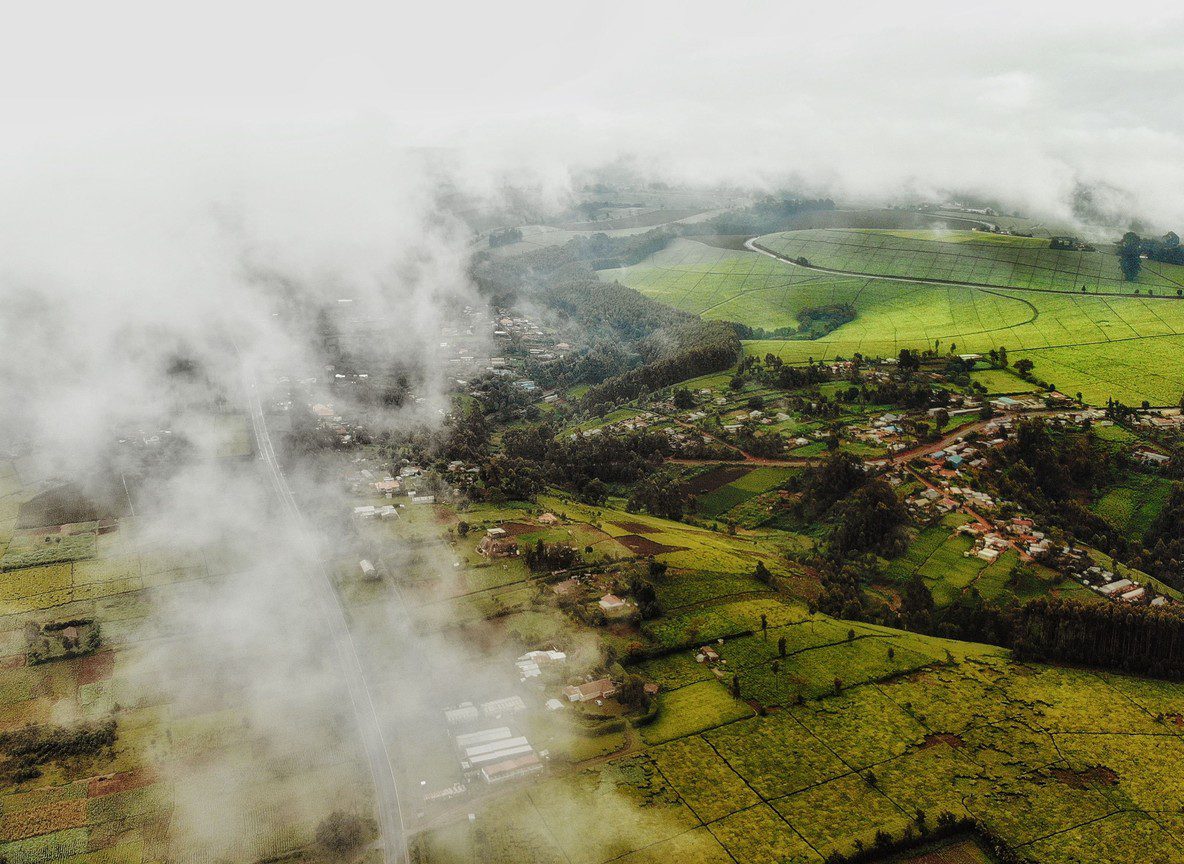
Stand still in the middle of the Masai Mara at dawn, and you begin to understand it.
The immensity of the landscape. The silence beneath the bird calls. The sense that this land has been watched, tended, and understood for a very long time. That understanding belongs to the Maasai — a people whose maasai culture and traditions are not relics of a distant past, but a living daily practice.
These traditions have survived colonialism, modernisation, climate change, and the constant pressure of a world that moves too fast to look closely. They survive because they are rooted in something essential: a coherent philosophy about how people should live with each other, with cattle, and with the land.
This guide covers every major dimension of Maasai cultural life — from the age-grade system and warrior ceremonies to beadwork, cattle economy, and oral tradition. Whether you are heading to the Mara on your first safari or preparing to visit a Maasai community for the second time, this is the guide you need.
The Core Values That Drive Maasai Society
Before examining specific maasai traditions, it helps to understand the values that underpin all of them. These are not abstract principles. They are practical rules that govern daily interactions from the homestead to the cattle trail.
Enkiama (respect) — Respect for elders, age-mates, and the land is the foundation of Maasai social life. Decisions flow through elder consensus. Young men defer publicly, even when they disagree in private.
Ilkisongo (courage) — Maasai cultural identity prizes bravery above almost everything else. Warriors are expected to be fearless. Elders lead with moral courage. Children are raised with a strong sense of personal accountability.
Enkiama nabo (hospitality) — Guests are sacred. A visitor to a Maasai homestead will not leave hungry. Hospitality is a social obligation and a source of communal pride.
Cattle as the centre of everything — The Maasai way of life revolves around cattle. They represent wealth, status, spiritual connection, and social obligation. The rhythms of daily life follow cattle herding schedules.
The Maasai Age-Grade System: Life Organised in Stages
The most important structural feature of maasai culture and traditions is the age-grade system. Every Maasai man moves through a sequence of recognised life stages, each with its own name, responsibilities, privileges, and ceremonies. Understanding this system is essential for anyone who wants to engage respectfully with Maasai communities.
The main stages work like this:
- Boyhood (Layiok) — Boys herd calves and goats close to the homestead. This is the learning phase, where the fundamentals of cattle care and community responsibility are absorbed through daily practice.
- Junior warrior (Il-Murran) — After circumcision, young men enter this phase. They protect the community, herd cattle over vast distances, and develop bonds with their age-mates that will define their friendships for life. This phase can last up to fifteen years.
- Senior warrior — After the Eunoto ceremony, warriors transition to senior status. They become eligible to marry and begin the long arc toward elderhood.
- Junior elder (Ilpiron) — Men in this stage mediate disputes, make decisions about cattle movements, and take on formal leadership responsibilities.
- Senior elder (Ilkiama) — The highest stage. Senior elders hold ultimate authority over community decisions, ceremonies, and the allocation of land and resources.
Each age-grade cohort shares a name given at entry into that group. That collective identity lasts a lifetime. If you need help, your age-mates are obligated to provide it — livestock during drought, support during illness, standing when community decisions are made. It is the closest thing to a social security system the Maasai have built, and it works because it is built on personal obligation rather than institutional bureaucracy.
Maasai Rites of Passage: The Ceremonies That Define a Life
No dimension of maasai traditions is more significant than the rites of passage that move individuals from one life stage to the next. These ceremonies are public, communal, and deeply meaningful.
| Life Stage | Ceremony | Key Marker |
|---|---|---|
| Initiation into adulthood | Circumcision | Endured in silence; black clothing worn beforehand |
| End of junior warrior phase | Eunoto | Mother shaves son’s warrior hair; eligible to marry |
| Warrior purification | Olpul | Meat feast in the bush; bonds and strength renewed |
| Marriage | Wedding ceremony | Bride price paid in cattle; multi-day celebration |
| Entry to elderhood | Retirement ceremony | Ochre removed; elder’s staff received |
Circumcision: The Gateway to Adulthood
For Maasai men, circumcision marks the beginning of the Moran (warrior) phase. The ceremony requires the initiate to endure the procedure in complete silence. Any sound or flinching is considered deeply shameful and reflects on the entire family. In the days before circumcision, initiates wear black clothing and travel through neighbouring communities to collect gifts. On the morning of the ceremony, they are bathed in cold water. The community gathers. This is never a private event.
Eunoto: Leaving the Warrior Behind
The Eunoto ceremony marks the end of the Moran phase. Mothers shave their sons’ long warrior hair in a deeply emotional public moment. The young men transition to senior warrior status, become eligible to marry, and begin the long arc toward elderhood. This is one of the most photographed and emotionally resonant ceremonies in all of Maasai cultural life.
If you are planning a visit to a community near the Mara, asking your guide about the timing of upcoming Eunoto preparations is worthwhile. Communities often host multi-day gatherings in the weeks before and after the ceremony itself.
Olpul: The Warrior Purification Feast
Less known outside Maasai communities, the Olpul is a meat feast held in the bush, away from women and children. Warriors from the same age-grade gather to eat meat, drink blood mixed with milk, and renew the physical and spiritual bonds between age-mates. It is a ceremony of restoration. After a period of hardship, sickness in the herd, or community conflict, the Olpul resets the balance.
Maasai Beadwork: A Language Worn on the Body
Maasai beadwork is not decoration. It is a visual language, and every combination of colour and pattern carries specific meaning. Learning to read this language changes how you see the people you meet — every necklace, bracelet, and collar becomes a sentence.
The colour symbolism works roughly like this:
| Colour | Meaning |
|---|---|
| Red | Bravery, strength, and the blood of cattle |
| Blue | Water, sky, and the energy that sustains life |
| White | Purity, peace, and cattle’s milk |
| Orange/yellow | Warmth, friendship, and the generosity of hospitality |
| Green | Health, land, and the growth that cattle need to thrive |
| Black | The hardship and challenges that community members endure together |
Women create beadwork and wear it to communicate life stage, marital status, and community belonging. A married woman wears a large, flat beaded collar (enkiama) received from her husband. Warriors wear specific beaded patterns during the Moran phase that they retire when they reach elderhood. Children’s beadwork changes at each rite of passage.
Regional and clan variations exist, so no two pieces of beadwork tell exactly the same story. What remains consistent is the principle: every bead is intentional, and nothing is purely ornamental.
The Cattle Economy: Wealth You Can Count in Four Legs
The Maasai cattle economy is one of the most sophisticated pastoral systems in East Africa. Cattle are not simply livestock. They are the primary unit of wealth, the mechanism for social obligation, and the medium through which relationships between families are formalised.
Key facts about how the system works:
- Bride price — A man pays his future wife’s family an agreed number of cattle and goats. This is not a transaction but a bond between families that creates mutual obligation stretching across generations.
- Social capital — Gifting cattle to age-mates or neighbours builds the network of reciprocity that supports a family through drought, illness, or conflict.
- Spiritual significance — Cattle are believed to have been given to the Maasai directly by Enkai (God). The entire social structure of Maasai life is calibrated around the health and movement of the herd.
- Diet — The traditional Maasai diet is built around cattle products: milk, blood, and meat (eaten mainly at ceremonies). Blood and milk combined, called enkiroret, is drunk for strength during the warrior phase.
The health of a family’s herd is the health of the family itself. Drought and disease are existential threats, not inconveniences. Climate change has made this relationship more precarious, and many Maasai communities are navigating how to maintain pastoral traditions while adapting to a landscape that is genuinely changing.
Maasai Oral Tradition: The Library That Lives in Memory
The Maasai have no traditional written language. Their history, laws, genealogies, and values are carried entirely in oral tradition: songs, proverbs, riddles, stories, and the formal speeches of elders at community gatherings.
Maasai music is purely vocal. There are no traditional instruments. Songs are layered vocal compositions, often performed in call-and-response style between a lead singer (olaranyani) and the group. Each major ceremony has its own song repertoire. Warriors develop a singing style specific to their age-grade cohort — a sonic fingerprint for each generation.
Proverbs carry accumulated wisdom in compressed form. Elders deploy them in disputes to signal what the community’s established position is on a given question. A well-placed proverb can end an argument without anyone losing face. A few that reveal the values underneath:
- “The cattle are the Maasai, and the Maasai are the cattle.” — on identity and livelihood
- “Do not say the first thing that comes to your mind.” — on restraint and wisdom
- “A good name is better than wealth.” — on reputation as the ultimate currency
Stories are told at night, around fires, with children sitting close. This is how cultural knowledge transfers — not through books, but through presence and repetition.
The Adumu: The Jumping Dance
The Adumu is the most internationally recognisable of all Maasai ceremonies. Warriors form a circle and take turns jumping as high as possible while the group sings. The chanting deepens, the jumping height increases, and the collective energy builds into something that visitors almost always describe as electric.
It is not purely entertainment. Height in the Adumu signals physical strength — it is a form of competition and a way of attracting potential wives. The higher the jump, the greater the respect. The Adumu is performed at weddings, warrior phase celebrations, and on significant community occasions.
If you see an Adumu during a community visit, the appropriate response is to watch closely. The singing is what carries the ceremony — the jumping is the most visible expression of something built entirely in sound.
Maasai Social Structure
Maasai social structure is built on three interlocking systems: the age-grade system, the clan system, and the division of roles by gender.
Clans (Iloshon) — The Maasai are divided into clans, each with its own cattle brands, songs, and ceremonial responsibilities. Clan identity is inherited through the father. Marriage between clan members is prohibited, which ensures social mixing and genetic diversity across the community.
Women’s roles — Maasai women are the builders, the craftswomen, the mothers, and the economic foundation of the homestead. Women build and own the inkajijik (houses). Women create the beadwork that signals social status and life events. Women manage daily milk production, cooking, and the children.
Traditional maasai customs assigned women a largely domestic role, but this is shifting. More Maasai women are entering formal education, starting small businesses through beadwork cooperatives, and participating in community governance. The change is gradual and uneven across communities, but it is real and ongoing.
Maasai Culture and Conservation
One of the least understood aspects of maasai culture and traditions is the relationship with wildlife. The Maasai are pastoralists, not hunters. They have historically coexisted with wildlife because their livelihood depends on the same grasslands that support wildebeest, zebra, and gazelles.
The Maasai understanding of seasonal grass patterns, water sources, and predator behaviour is extraordinary — knowledge built over centuries, encoded in oral tradition, and applied daily by herders across the Mara ecosystem. The community conservancy model now operating around the Mara is built on this foundation: Maasai landowners lease their territory for wildlife tourism while maintaining land ownership, and the income that flows back is what makes coexistence economically viable.
The Mara ecosystem is now ringed by more than 500,000 acres of Maasai community conservancies. That is not an accident. It is the result of Maasai communities choosing to use their land for wildlife because it makes economic and cultural sense.
For more on visiting Kenya’s protected areas, Kenya Wildlife Service publishes current entry regulations and conservation news. For planning a trip that includes community visits in the Mara, see the Masai Mara safari guides at Tourinsights for route and timing options.
Explorer Notes: What to Know Before a Maasai Community Visit
A few practical points that make the difference between a polite tourist visit and a genuine exchange:
Say hello in Maa — “Sopa” (greeting an elder) or “Takwenya” (respectful formal greeting). The effort is noticed and appreciated every time.
Accept the milk — Hospitality in Maasai culture is non-negotiable. You will be offered milk. Refusing it is a social offence. Accept it, drink it, and say “Ashe oleng” (thank you very much).
Ask before photographing — “Suwa?” in Maa means “May I?” Use it before raising your camera. Community members have the right to decline. Asking first demonstrates that you understand this.
Buy directly at the source — Maasai beadwork sold in Nairobi curio shops is often not made by Maasai women. Buying at a community visit means your money reaches the artisan’s household.
Follow your guide’s lead on ceremonies — If a ceremony is underway, your guide will tell you what is appropriate. Positioning yourself for photos during a rite of passage is not appropriate. Watch first. Photograph if and when it is indicated.
Conclusion
Maasai culture and traditions are not a spectacle to observe from a safe distance. They are an invitation to understand a different philosophy of life, to question assumptions about wealth and progress, and to recognise the depth of knowledge that communities accumulate when they live closely with a landscape for generations.
The Maasai are not background scenery for the safari experience. They are the living authors of the landscape you have come to see. Any trip to the Mara that ignores this is an incomplete trip.
Next Steps for Travellers
- Maasai Mara safari planning guide — timing, routes, and what to expect
- Maasai religion and beliefs — understanding Enkai, the Laibon, and Maasai spirituality
- Maasai language guide — Maa phrases every visitor should know
- Maasai traditional clothing and beadwork — what the colours and patterns mean
- For operator-specific planning, trunktrailssafaris.com runs community-connected Mara safaris