Somewhere on the western edge of Kenya’s Laikipia Plateau, the land runs out. The plateau drops several hundred metres into the valley below, and at Loisaba Conservancy a raised wooden platform sits right at that edge. At night, the platform rolls out from its shelter and the bed it carries faces the open sky. No walls, no roof, no light pollution. Just the Milky Way across the full horizon.
That is the Loisaba Star Beds experience. It is the thing most people know Loisaba for, and it deserves the reputation. But if that is all you know about Loisaba, you are missing most of what makes it worth the trip.
Where Loisaba Sits on the Map
Loisaba Conservancy occupies Kenya’s Laikipia Plateau in central Kenya, roughly 20 kilometres west of Nanyuki. The conservancy stretches across 56,000 acres of unfenced land, running from the plateau surface to the escarpment edge that drops into the Rift Valley system to the west.
The position matters for travel planning. Loisaba is not adjacent to the Masai Mara or Amboseli. It is a central Kenya destination that connects more naturally to Samburu in the north or Nanyuki as a hub.
Getting there from Nairobi is easiest by flight. Safarilink and Air Kenya run scheduled services from Wilson Airport to Nanyuki Airstrip. The flight is about 45 minutes. From Nanyuki, it is a roughly 90-minute to two-hour road transfer to Loisaba, and that drive through the Laikipia landscape is itself a worthwhile introduction — wildlife appears on the road regularly.
You can also drive from Nairobi in around five to six hours via the Nakuru highway, then north through Nanyuki. Some travelers build Loisaba into a northern Kenya circuit following Samburu, which is around two to three hours east of the conservancy.
The Wildlife Picture at Loisaba
Loisaba’s position within the wider Laikipia ecosystem is central to understanding what you will see here. The conservancy participates in the seasonal wildlife movements that make the Laikipia Plateau one of Kenya’s most dynamic landscapes — not because it is small and managed, but because it connects across unfenced boundaries to neighboring properties.
African wild dogs
Loisaba supports a resident wild dog pack. This is the species that brings many serious wildlife watchers to Laikipia specifically. African wild dogs are endangered and absent from most of Kenya’s national reserves. The Laikipia Plateau — including Loisaba — is one of the most reliable places in East Africa to see them.
Sightings are not guaranteed on any single game drive, and the pack ranges across Loisaba and neighboring properties according to its own schedule. But the resident status means encounters happen regularly for guests who spend two or more nights.
Black rhino
Loisaba maintains rhino sanctuary sections as part of the Laikipia Rhino Conservation Program. Black rhino sightings require patience — they are not large herds moving across open plains. They need the right vehicle positioning and the right guide. They happen at Loisaba, and they are memorable precisely because the encounter requires some effort.
Elephants
Elephant herds move through Loisaba in significant numbers. The Laikipia elephant population is among the most thoroughly studied in Kenya, with individual identification records going back decades. At Loisaba, herds tend to be large and unhurried — the unfenced landscape gives them room to move at their own pace, and they show it.
Grevy’s zebra
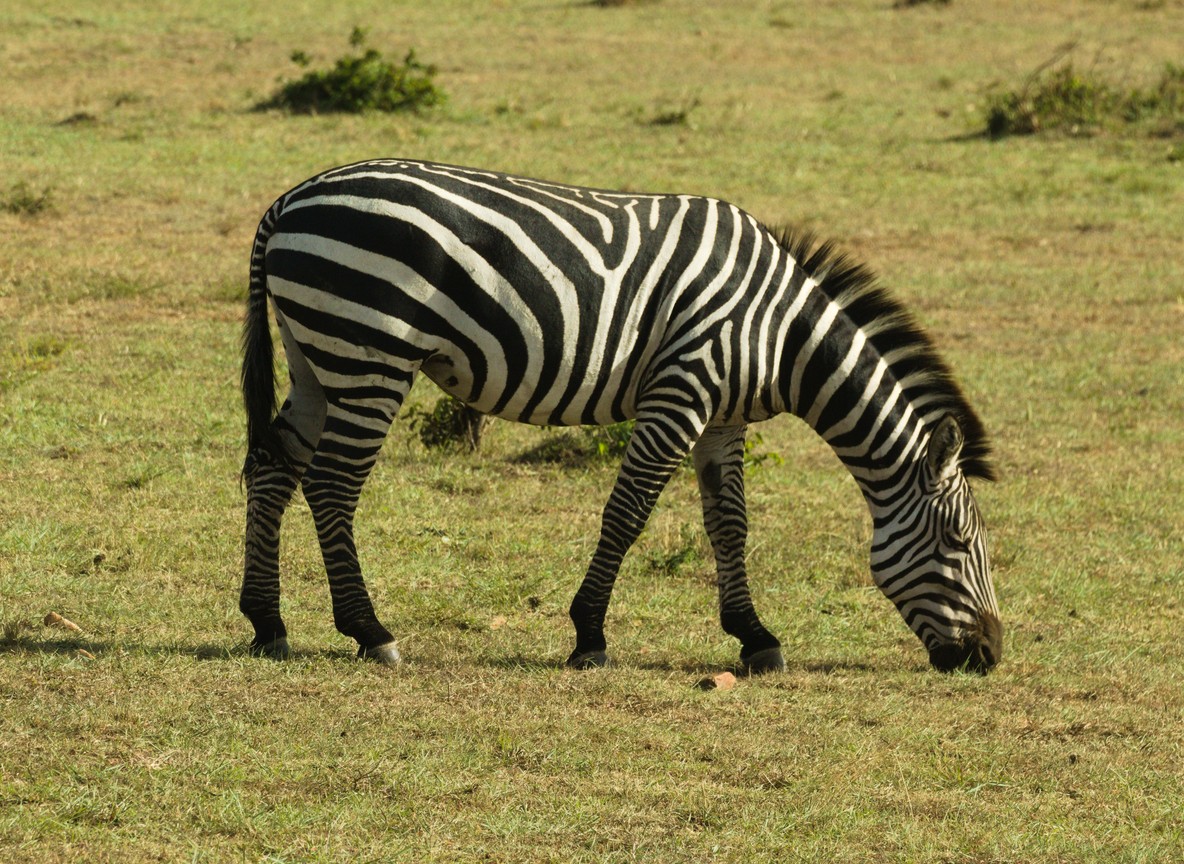
This is the species that surprises visitors who have not done their research before arriving. Grevy’s zebra is one of the most endangered zebra species on earth. The global wild population is concentrated almost entirely in northern Kenya and southern Ethiopia, and the Laikipia Plateau holds roughly 90 percent of that total.
Seeing a Grevy’s zebra at Loisaba is not a novelty sighting. It is a genuine conservation encounter. The species is functionally absent from the Masai Mara and Amboseli. If you want to see one in its natural range, the Laikipia Plateau is where you come.
Lions and cheetah
Lions maintain territories across the conservancy, and night drive access at Loisaba makes early morning and evening hours productive for big cat activity. Cheetah occur on the open grassland sections, though less predictably than at savannah destinations like the Mara.
Reticulated giraffe
Resident across the conservancy, particularly in riverine and scrub areas. The reticulated giraffe is northern Kenya’s giraffe species — a different animal from the Maasai giraffe seen further south, with a distinct coat pattern and a character that suits the drier, more open terrain.
Species Summary
| Species | Viewing Notes |
|---|---|
| African wild dogs | Resident pack; morning drives most productive |
| Black rhino | Sanctuary population; patience and afternoon drives |
| Elephant | Daily in most conservancy areas |
| Lion | Night drives and dawn drives most productive |
| Grevy’s zebra | Open plains sections; daily visibility |
| Reticulated giraffe | Riverine and scrub areas throughout |
| Cheetah | Occasional; open grassland sections |
The Star Beds
The Star Beds experience is the reason Loisaba appears on many travelers’ lists long before they understand much else about Kenya. It earns its reputation.
The Star Beds concept originated at Loisaba under previous management and has been refined over the years into what Elewana Collection now operates. The setup is simple in principle: raised wooden platforms on the conservancy’s escarpment edge, each holding a single bed, a side table, and nearby ablution facilities. The platform rolls on wheels. During the day, it sits under a simple shelter. In the evening, after dinner, a staff member rolls the bed out to the exposed position facing the open sky.
What you get is a night spent with nothing above you but Africa’s sky from horizon to horizon. Light pollution is effectively zero. The Milky Way at Loisaba is a different visual object from what most people who grew up near cities have ever seen.
Morning begins with the sounds of the bush and tea delivered to the bed. The view from the platform at dawn, across the escarpment and into the valley below, sets up the day in a way that a standard camp room cannot replicate.
Two Star Beds configurations are available at the original Loisaba site: Kiboko (hippo) and Koija. Koija is community-operated and directs revenue to the Maasai landowner community. Both share the core open-air sleeping experience. Kiboko is the premium option.
Loisaba Tented Camp
For clients who want conventional luxury alongside the Star Beds experience, or who prefer not to sleep entirely in the open, Loisaba Tented Camp operates a 10-tent property on a ridge with panoramic Laikipia views.
The camp is a base for game drives, walking safaris, camel rides, and horse riding. Each tent sits on its own elevated platform with a private deck and views across the open conservancy. The small size of the property keeps the atmosphere close and the number of vehicles in the field genuinely low.
Activities Beyond the Game Drive
Loisaba distinguishes itself from many Kenyan safari destinations by the range of non-vehicle activities available. The terrain suits them.
Camel riding
Camel safaris at Loisaba are guided walks through scrub and open grassland at the pace and height of the animal. For guests who have spent several days in a game vehicle, the silence of moving through the bush on camelback is a complete change of register. Dawn camel rides are the recommended time — cool air, active birds, and the light at its best on the Laikipia plains.
First-time riders approach this with some skepticism. They consistently report it as one of the most unexpected highlights of their Kenya trip.
Horse safaris
Loisaba’s horse safari program takes riders from beginner to experienced level into the conservancy’s open plains. Moving through wildlife on horseback changes the encounter fundamentally. Zebras, giraffes, and antelope react differently to horses than to vehicles. You get closer, and the interaction happens on different terms.
Walking safaris
Armed guide-led morning walks cover wildlife tracking, plant identification, and bird recognition at a depth that vehicle drives cannot replicate. The pace is typically three to four kilometres over two hours. The terrain in the conservancy’s core areas is manageable.
Community visits
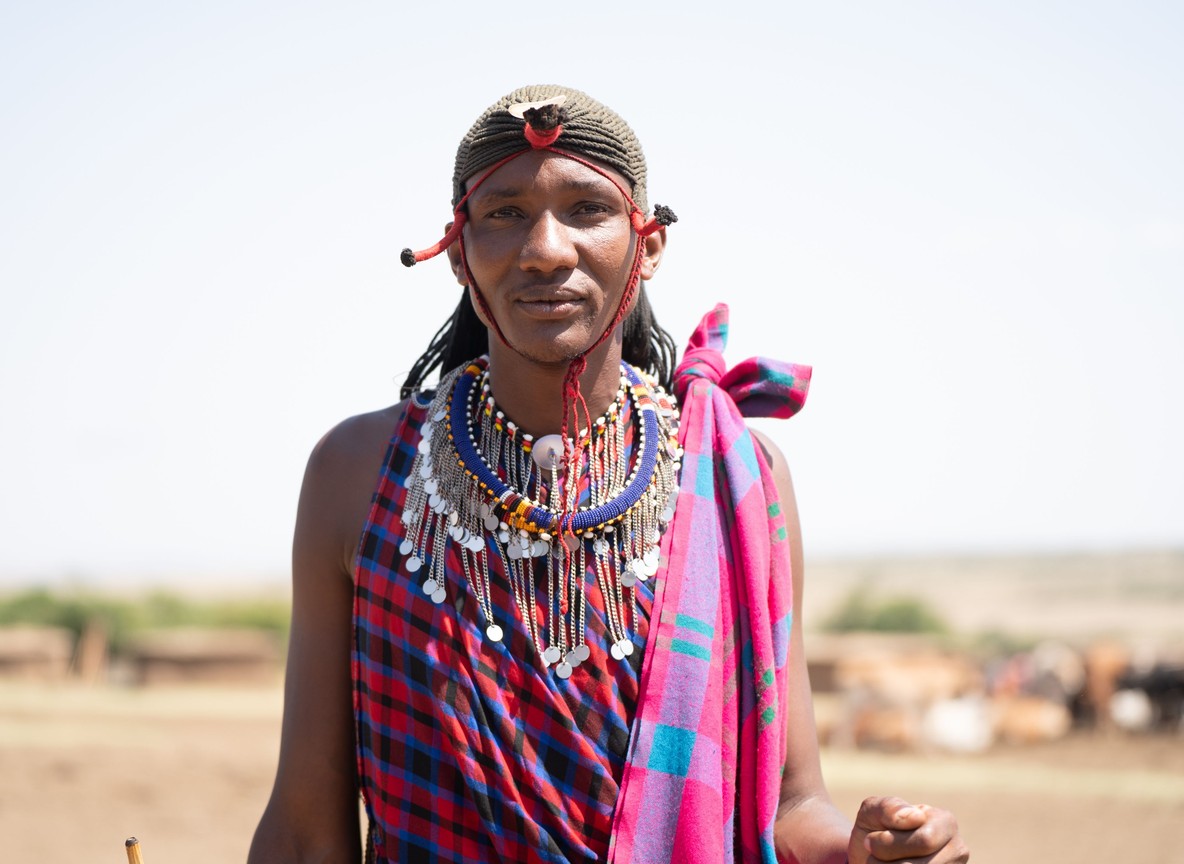
The Koija community, whose land lease is foundational to Loisaba’s conservancy model, welcomes guests for visits that explain how the economic and governance structure of the Maasai partnership works in practice. Understanding how conservancy fees translate into school funding and healthcare access for the landowner community changes how you see the landscape. The conservation story at Loisaba is inseparable from the human story.
Building Loisaba Into a Kenya Circuit
Loisaba’s central Laikipia position makes it a natural component of several Kenya itineraries:
Northern Kenya circuit: Nairobi – Samburu National Reserve (3 nights) – Loisaba Conservancy (3 nights). This covers the Samburu Special Five, Loisaba’s wild dogs and Star Beds, and the full Laikipia conservation landscape.
Laikipia plateau circuit: Loisaba combined with Lewa Wildlife Conservancy and Ol Pejeta Conservancy. This covers Kenya’s rhino sanctuaries, the last northern white rhinos, and the full Laikipia wildlife portfolio in a coherent geographic arc.
Extended Kenya loop: Masai Mara (4 nights) – Laikipia and Loisaba (3 nights) – Samburu (3 nights). Ten nights total, covering migration country, conservation plateau, and northern dry-country species in a single connected trip.
For guidance on building Kenya circuits, touringinsights.com covers the main routing and timing decisions in detail.
Explorer Notes: Practical Planning Points
Loisaba is not a destination where you book two weeks out in peak season. The Star Beds platforms have limited capacity, and Loisaba Tented Camp’s 10-tent size means demand fills early for July through October and the Christmas period.
The multi-stop circuits that work best for Loisaba require timing against Safarilink and Air Kenya schedules, which run once daily in most cases. Build buffer time rather than connecting flights with tight margins.
If you want the Star Beds specifically, check availability before finalizing the rest of your itinerary. The camp can anchor the trip; the other stops can arrange around it.
Trunktrails Safaris (trunktrailssafaris.com) handles Loisaba bookings and northern Kenya circuits if you want ground-level guidance on logistics, seasonal conditions, and camp pairing.
Conclusion: What Loisaba Is Actually For
Loisaba is not the right destination for every Kenya traveler. It does not have the dramatic density of the Masai Mara during migration, or the Kilimanjaro backdrop of Amboseli. What it has is scale, privacy, and species that are genuinely difficult to see anywhere else.
If African wild dogs matter to you, or if the reticulated giraffe and Grevy’s zebra are on your list, the Laikipia Plateau is where you come — and Loisaba is one of the strongest access points to it.
The Star Beds are worth experiencing once if the idea of sleeping under an open African sky speaks to you. But the wildlife is the reason to come back.
Next Steps
For northern Kenya planning, the touringinsights.com guide to Samburu and Laikipia covers the key decisions on parks, timing, and which conservancy to prioritize. If you are deciding between Loisaba and neighboring Laikipia properties, that comparison is worth reading before you commit.
The Koija Star Beds can also be booked with revenue going directly to the Maasai community. Worth asking about specifically when you plan.
If this guide has you ready to travel, a safari specialist can handle the route, camps, and logistics end to end.
Want to Book a Tour With Us?