
Kenya’s immigration system changed significantly in 2024 and the details still catch travelers off guard in 2026. The short version: Kenya moved from a traditional e-visa to a Kenya Electronic Travel Authorization (eTA) model in late 2023, and simultaneously announced phased visa-free access for all African Union member states. Depending on which passport you hold, your entry process is either very simple or involves a 40-minute online application before you leave home.
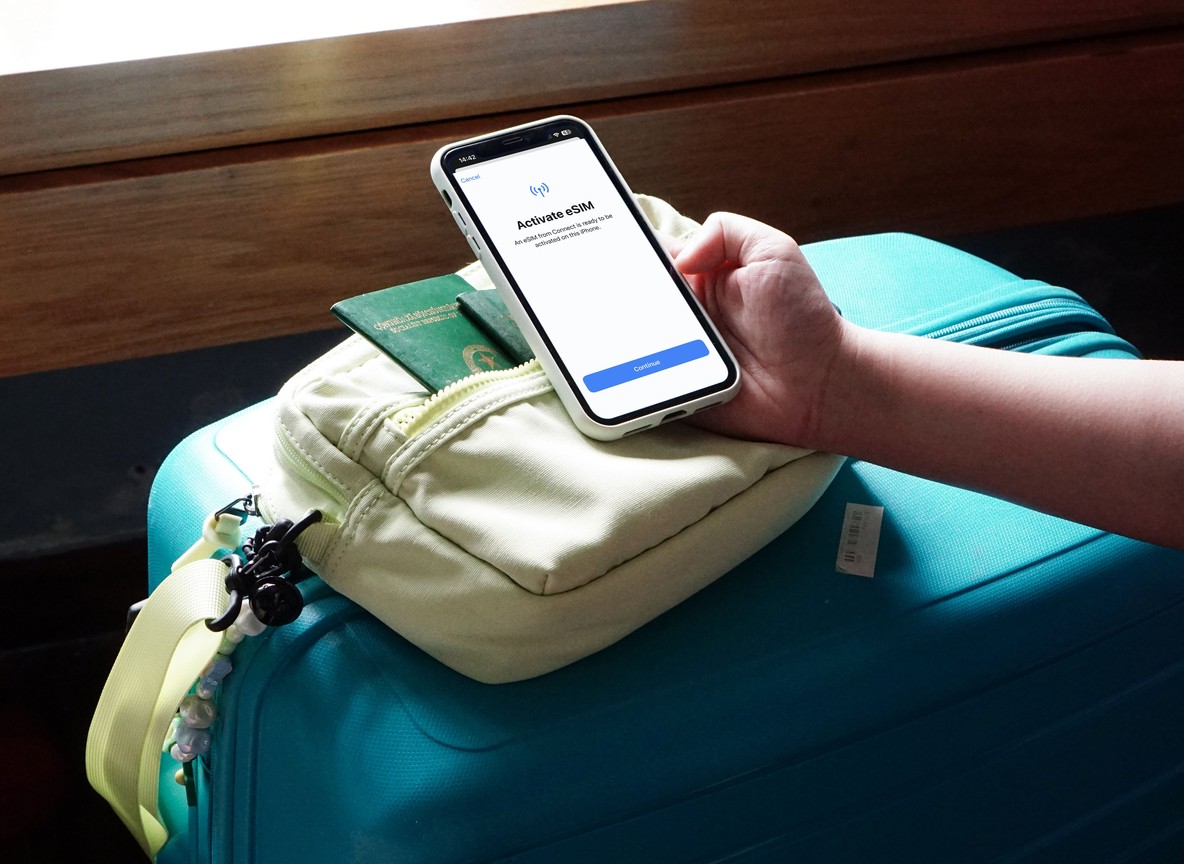
This guide covers the Kenya Electronic Travel Authorization in full: which nationalities are visa-free, what the eTA process involves, current fees, what to expect at Jomo Kenyatta International Airport, and common mistakes worth knowing before departure.
Kenya’s Current Immigration System: eTA vs Visa-Free
Kenya’s entry system in 2026 operates on two tracks:
Track 1: Visa-free entry. Citizens of all 55 African Union member states do not need a visa or eTA to enter Kenya. They present their passport at the port of entry and receive a 90-day tourist stay. This policy was implemented in phases from 2024 and is fully operational for all AU member states in 2026.
Kenya also has bilateral visa-free agreements with a smaller group of non-African countries, including several Caribbean nations and some Commonwealth partners. The full current list is on the official Kenya Immigration Department website.
Track 2: Kenya Electronic Travel Authorization. Citizens of countries not covered by visa-free agreements must apply for a Kenya eTA before travel. This replaced the previous e-Visa. The eTA is applied for online, typically approved within 24 to 72 hours, and presented at the port of entry as a printed document or digital PDF.
Who Needs the Kenya eTA in 2026?
Travelers from the major international safari source markets require the Kenya eTA:
| Nationality | Entry method | Fee |
|---|---|---|
| United States | Kenya eTA required | USD 34.08 |
| United Kingdom | Kenya eTA required | USD 34.08 |
| European Union (all) | Kenya eTA required | USD 34.08 |
| Australia / New Zealand | Kenya eTA required | USD 34.08 |
| Canada | Kenya eTA required | USD 34.08 |
| India | Kenya eTA required | USD 34.08 |
| China | Kenya eTA required | USD 34.08 |
| Japan / South Korea | Kenya eTA required | USD 34.08 |
| All African Union members | Visa-free | No fee |
| Most Caribbean nations | Visa-free (bilateral) | No fee |
Fees are subject to change. Always check the official Kenya eTA portal at ecitizen.go.ke or etakenya.go.ke for current fees at the time of your application.
How to Apply for a Kenya Electronic Travel Authorization
The process is fully online and takes 20 to 40 minutes. Approval typically comes within 24 to 72 hours, though it can be faster during quieter periods.
Step 1: Use the official portal. Go to ecitizen.go.ke or etakenya.go.ke. Do not use third-party sites that add service fees on top of the government charge. Several commercial intermediaries charge $60 to $100 to process a $34 application. The government portal is the only correct source.
Step 2: Create an account. First-time applicants register an email address and verify it before the application can proceed.
Step 3: Complete the application form. You will need:
- A valid passport with at least 6 months remaining validity beyond your intended departure from Kenya
- A passport-quality photo with a clear white background
- Your travel dates and the address or camp name for your first night in Kenya
- Return ticket information or evidence of onward travel
- A yellow fever vaccination certificate if arriving from or transiting through an endemic country
Step 4: Pay the fee. Credit or debit card is accepted. Kenyan residents can also pay via M-Pesa.
Step 5: Receive and print your approval. The eTA approval arrives by email as a PDF. Print it. While the document is technically digital, immigration officers at Kenyan airports routinely request a printed copy. Showing it on your phone is not a reliable fallback.
Apply at least two weeks before travel. Most applications process in 24 to 72 hours, but during busy periods such as August, December, and Easter, processing can take longer.
What to Expect at Jomo Kenyatta International Airport
JKIA in Nairobi is the primary entry point for international safari travelers. Here is how the arrival process typically unfolds:
Arrival hall. Follow signs for Immigration. Non-residents join the foreign passport queue. If you are connecting to a domestic flight from Wilson Airport to the Mara, Samburu, or Amboseli, you clear immigration and customs first, collect your luggage, and then transfer to the adjacent domestic terminal.
Immigration desk. The officer checks your eTA approval document or verifies your visa-free status, confirms your passport validity, and may ask about your first-night accommodation. The name of your safari camp is sufficient.
Arrival card. Kenya no longer requires a paper arrival card at JKIA. The eTA application serves this function.
Customs. Standard limits apply: 1 litre of spirits, 200 cigarettes, personal effects at declared value. Wildlife products and agricultural items are controlled. Do not bring undeclared wildlife products from other countries through Kenyan customs.
Duration of stay. Tourists are typically granted 90 days. The officer stamps your passport with the permitted period. Check the stamp before walking away from the desk. Errors do occasionally happen.
Other Entry Points Used by Safari Travelers
Wilson Airport (WIL), Nairobi. This is a domestic airport, not an international entry point. International arrivals must clear JKIA first and then transfer to Wilson for domestic flights. Allow a minimum of 3 hours between your international arrival and any domestic connecting flight.
Moi International Airport (MBA), Mombasa. Used by travelers adding a coastal component after safari. eTA requirements are identical to JKIA. The immigration experience here tends to be faster.
Namanga and Malaba land borders. Namanga is used by overland travelers combining Tanzania’s Serengeti with Kenya’s Masai Mara. Malaba is the Uganda crossing. The eTA is required for non-visa-free nationalities crossing by land. Documents need to be printed and ready. The land border process is less digitized than the airport experience and takes 30 to 90 minutes depending on queue length.
Eldoret International Airport (EDL). Occasionally used for charter arrivals to Laikipia and northern Kenya. Full immigration clearance happens at Eldoret for international arrivals.
Common Mistakes Worth Avoiding
Using a third-party eTA site. Dozens of commercial sites process Kenya eTAs for double or triple the government fee. They are not illegal but they are completely unnecessary. The government portal is straightforward.
Not printing the eTA. Immigration officers at JKIA have turned travelers back in the queue for presenting a digital document when a printed copy was requested. Print it before leaving home.
Passport valid less than 6 months. Kenya requires 6 months of passport validity beyond your departure date from Kenya. A passport expiring 4 months from now will likely be refused.
Yellow fever certificate confusion. If you are transiting through a yellow-fever-endemic country, even briefly, Kenya may require the vaccination certificate on arrival. This applies even if your origin country is not endemic. Confirm the requirement for your specific routing before departure.
Assuming land borders are faster. The Namanga and Malaba crossings involve physical document inspection that consistently takes longer than the digital JKIA arrival process. Build significant buffer time into any overland entry day.
Extending Your Kenya Stay
If you want to remain beyond 90 days, apply for an extension at the Department of Immigration Services in Nairobi, located in Upper Hill off Ngong Road. Extensions are issued in 30-day or 90-day increments for tourists. The application requires your passport, your arrival stamp details, a completed form, and payment of the extension fee. For typical safari itineraries, 90 days is more than sufficient.
Explorer Notes: Organizing Your Entry Documents
A few practical items worth handling before departure:
Your Kenya eTA takes 24 to 72 hours. Do not apply the day before you travel. Two weeks out is the right window, particularly if your trip falls in August, December, or around Easter.
If your itinerary includes a cross-border overland component from Tanzania via Namanga, coordinate your entry documentation for both countries before leaving home. The Tanzania entry process is separate from the Kenya eTA.
For travelers connecting at JKIA to a domestic flight to the Mara or Amboseli, a minimum 3-hour connection is strongly recommended. Immigration, baggage collection, and the transfer to the domestic terminal at Wilson Airport all take time. The 45-minute connection rule that applies at some airports does not apply here.
The yellow fever certificate question catches a surprising number of travelers. If any leg of your routing passes through Uganda, DRC, or another endemic country, obtain the certificate regardless of whether your origin country requires it. Kenya may ask for it at the JKIA immigration desk.
What to Read Next
For a complete Kenya safari planning overview, including park choices, seasonal timing, and accommodation tiers, see the Kenya safari planning guide at touringinsights.com.
For the latest entry terms and nationality-specific requirements, the official source is the Kenya Immigration Department via ecitizen.go.ke.
Every trip described here can be tailored: dates, budget, camps, and pace built around you.
Get a Personalised Safari