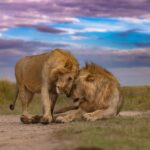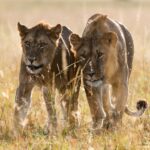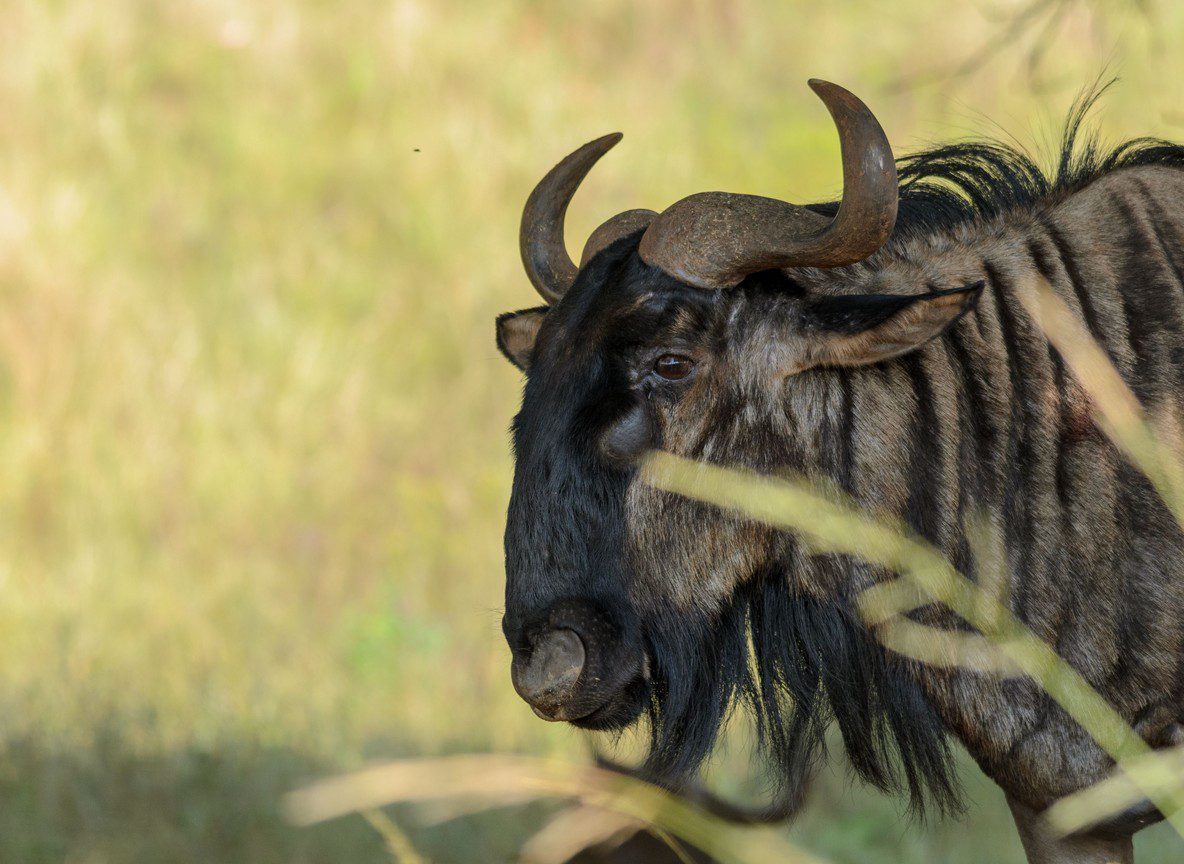
Basecamp Wilderness sits in Naboisho Conservancy, one of the private conservancies that together form a buffer zone around the northeastern edge of the Maasai Mara National Reserve. That address is the defining fact about this property and shapes everything from the wildlife experience to the pricing.
Understanding why Naboisho matters and what it means in daily practice is the right starting point for any serious evaluation of Basecamp Wilderness.
What Naboisho Conservancy Is
Naboisho is a privately managed conservancy covering approximately 50,000 acres northeast of the Maasai Mara National Reserve. It was established through a partnership between Maasai landowners and a small number of high-end camps, with the model designed so that tourist revenue flows directly to the communities whose land the conservancy occupies.
The conservancy model creates conditions that are deliberately different from the national reserve:
Exclusivity: Naboisho limits the number of camps and the total number of guests at any one time. Visitor density inside the conservancy is a fraction of what you will find in the busiest parts of the national reserve.
Off-road driving: Inside national parks and the main reserve, vehicles must stay on established tracks. In Naboisho, guides can drive off-road to approach wildlife more closely and from better angles. This changes game drives significantly for photography and for the quality of sightings.
Night drives: Night game drives, prohibited in the national reserve, are permitted in the conservancy. This opens up access to nocturnal wildlife: serval, genet, aardvark, porcupine, African wild cat, and the full cast of predators that become more active after dark.
Walking safaris: Guided walks are permitted in the conservancy, offering a completely different relationship with the landscape than vehicle-based drives.
Fewer vehicles: When a sighting is found, you may share it with one or two other vehicles from nearby camps. In the national reserve during peak season, a major predator sighting can attract fifteen to twenty vehicles.
Basecamp Wilderness in This Context
Basecamp Wilderness is positioned at the upper tier of Maasai Mara accommodation. The conservancy fee structure means it is inherently more expensive than camps in the national reserve at equivalent comfort levels, because the conservancy access fee is built into rates in addition to standard accommodation costs.
What the premium delivers:
- Access to Naboisho’s exclusive game-drive zone
- Night drives as standard inclusions
- Walking safari options with armed guides
- A significantly lower vehicle density at sightings
- The atmospheric experience of a camp in a more remote, less trafficked area
The camp itself is designed for travelers who want comfort alongside the wildlife access. Expect well-appointed tents, quality food, attentive service, and a camp atmosphere that is more intimate than a lodge-format property.
For the official Maasai Mara reserve and conservancy area information, the Kenya Wildlife Service covers the broader ecosystem:
Accommodation and Facilities
Basecamp Wilderness tents are built to complement the conservancy environment. The construction philosophy tends toward materials and designs that feel integrated with the landscape rather than superimposed on it.
Typical features at this tier:
- Spacious canvas tents on raised platforms or with solid base structures
- En-suite bathrooms with dependable hot water and quality fittings
- Indoor-outdoor flow with verandas facing the bush
- Comfortable, carefully designed interiors with attention to lighting, fabrics, and furnishings
- 24-hour or near-continuous power supply
The dining experience at a Naboisho conservancy camp reflects the premium positioning. Meals are prepared with more care and variety than at mid-range properties. Bush dinners under the stars are a common offering during dry-season months.
Staff ratios at ultra-luxury camps are higher than at mid-range properties, which translates to more personalized service and greater responsiveness to guest preferences.
Wildlife Access in Naboisho
The wildlife accessible from Basecamp Wilderness includes both the conservancy’s own population and the border area with the national reserve. Naboisho Conservancy holds good populations of the core Maasai Mara species.
What the conservancy access makes possible that the national reserve does not:
Better predator sightings. With off-road capability, guides can position closer to lions, leopard, and cheetah without the pressure of maintaining a track distance. Photography from an off-road approach is significantly better.
More productive dawn activity. Night drives can end at first light in the field rather than at the gate of the reserve. That means the best morning light and early predator activity is captured without any logistical gap.
Wild dog sightings. African wild dog have been seen in Naboisho and the surrounding conservancies more reliably than in the main reserve, where high traffic levels can push them into quieter areas. A conservancy camp increases your chances.
Night wildlife. The category of animals that become visible after dark in Naboisho is genuinely different from the day list. Small nocturnal hunters, sleeping leopard caught in spotlight, bat-eared fox trotting between termite mounds.
Migration Season Considerations
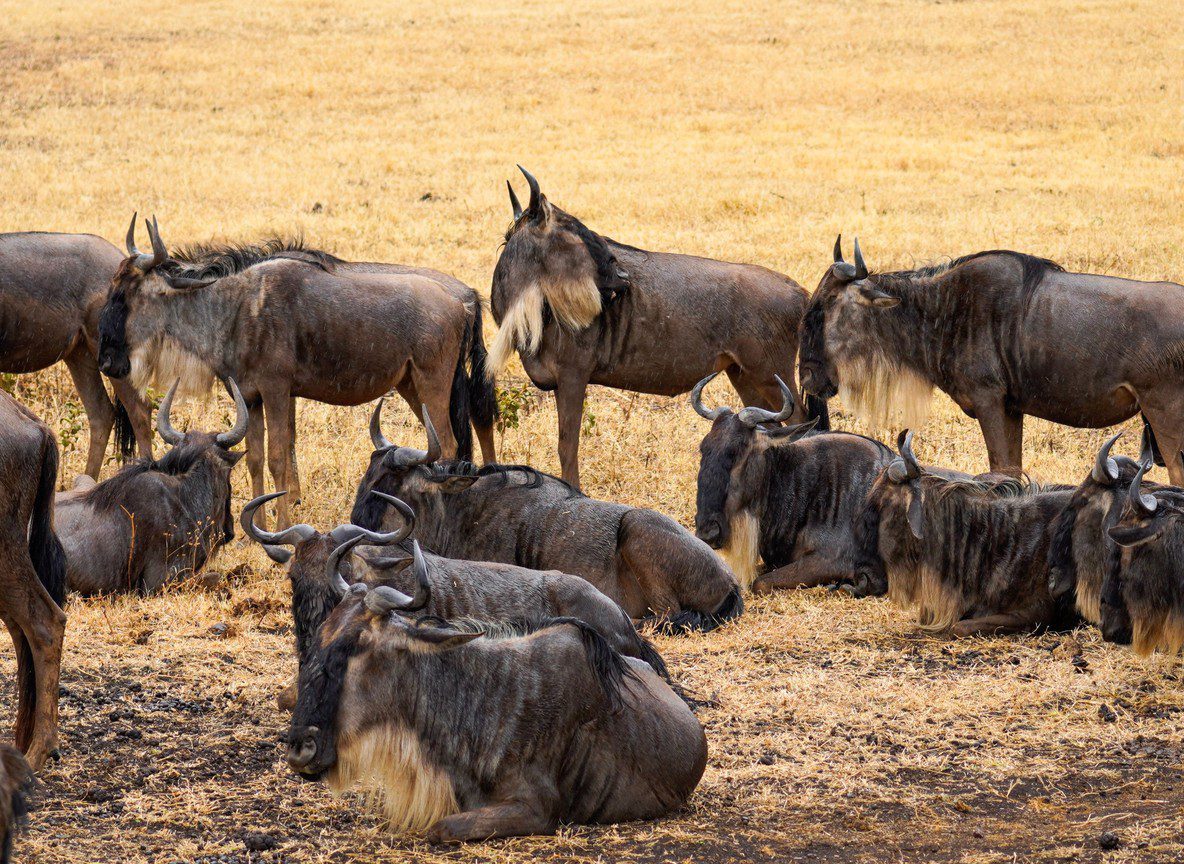
Naboisho Conservancy sits to the northeast of the main reserve, which means its relationship with the great wildebeest migration is different from riverside camps on the Mara River.
During July through October, the herds move through the broader ecosystem. Some of the wildebeest movement crosses into or near the conservancies. But the dramatic river crossing spectacle – the image most travelers associate with the Maasai Mara migration – happens at the Mara River crossings in the western and northern sections of the reserve, not typically in Naboisho.
For travelers who want both conservancy exclusivity and peak migration crossing access, the usual approach is to combine nights. A few nights in a conservancy camp and a few nights at a river camp gives you both experiences. That adds up in cost but produces the most complete Mara migration itinerary.
If your interest is in the ecosystem and predator-focused Mara experience rather than specifically the crossing spectacle, Naboisho in migration months is an excellent choice. The predator activity is strong, vehicles are few, and the overall safari quality is high.
Who Basecamp Wilderness Suits Best
Wildlife photographers who want off-road capability, low vehicle density, and the option of night drives. For serious photographers, the difference in sighting quality between a conservancy and the busy reserve sections is very real.
Repeat Maasai Mara travelers who have already experienced the national reserve and want to understand what the conservancy ecosystem offers that is genuinely different.
Couples looking for a romantic and intimate atmosphere. Private conservancy camps have a character that is quieter and more exclusive than the main reserve camps. Fewer guests, better service ratios, and a genuine sense of wilderness.
Conservation-minded travelers. The community conservancy model means your spend supports Maasai landowners who have chosen to put their land into conservation use rather than agriculture or other development. That financial logic is direct and meaningful.
Travelers who prioritize quality of experience over quantity of sightings. The conservancy is not guaranteed to have more animals than the reserve. But the quality of each encounter, without the vehicle crowd, is typically higher.
It is a less obvious fit for:
- Travelers on a tight budget where the conservancy premium is not justified by their priorities
- First-time safari visitors who will get the most from a classic national reserve experience before exploring conservancy variations
- Guests specifically seeking the wildebeest river crossing as their primary goal
Conservancy vs National Reserve: The Core Trade-Off
| Factor | National Reserve | Naboisho Conservancy |
|---|
| Vehicle density at sightings | Higher, especially peak months | Very low |
|---|
| Off-road driving | Not permitted | Permitted |
|---|
| Night drives | Not permitted | Standard inclusion |
|---|
| Walking safaris | Not permitted | Available with guides |
|---|
| Migration crossings | Best access on Mara River | Less direct access |
|---|
| Cost | Lower | Higher (conservancy fee included) |
|---|
| Community conservation model | Park fees via government | Direct to Maasai landowners |
|---|
Practical Planning Notes
Getting there: Naboisho Conservancy is typically accessed via charter flight to an airstrip serving the conservancy, or by road from Nairobi through Narok. The road route is approximately 5.5-6 hours. Flying into a Mara area airstrip takes 45 minutes and is the standard approach for travelers at this price point.
Trip length: Three nights in Naboisho is a solid structure. Four nights gives you more rhythm and allows the different activity types (morning drives, night drives, walks) to all get proper attention.
Combining with the reserve: A common and highly recommended approach is to combine two or three nights at Basecamp Wilderness with two or three nights at a camp inside or on the edge of the national reserve. You get the best of both ecosystems: conservancy intimacy and reserve scale.
Explorer Notes
Naboisho is better for big cat photography than most sections of the national reserve, simply because off-road approach eliminates the need to shoot through a track-side angle. If you are traveling with a longer telephoto, the conservancy setting will give you cleaner compositions and tighter framing.
The night drives are genuinely different from anything available in the reserve. The shift in atmosphere when you leave camp after dark, with a spotlight sweeping the grass, is something travelers consistently describe as one of the most memorable parts of a Maasai Mara trip. Do not skip them.
Walking safaris in the conservancy require a guide who is both knowledgeable and safety-qualified. The experience of approaching wildlife on foot changes your relationship with the landscape in ways that vehicle-based safaris cannot replicate. Even a short 90-minute walk is worth doing once if the opportunity is included in your package.
Conclusion
Basecamp Wilderness in Naboisho Conservancy occupies a specific and well-earned position in the Maasai Mara accommodation landscape. The conservancy setting changes what your safari can include: off-road drives, night game drives, walking options, and a vehicle-free atmosphere at sightings. Those differences are real and compound meaningfully across a multi-night stay.
The premium over national reserve camps is significant. Whether it represents value depends on what you are looking for from the Mara. For photographers, wildlife enthusiasts, repeat visitors, and couples, the case is strong. For travelers visiting the Mara for the first time on a tight budget, there are better starting points.
Where to Read More
For comparisons across Naboisho and other Maasai Mara conservancies, as well as broader camp selection guides, visit touringinsights.com. For official Maasai Mara reserve information, visit the Kenya Wildlife Service.
Turn this reading into a real itinerary with help from a Kenya-based safari team.
Start Planning Your Safari