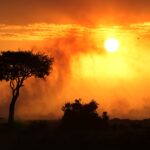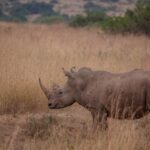
Aruba Mara Camp occupies a riverbank position on the Talek River, 50 metres from Talek Gate into the Maasai Mara National Reserve. Its position at the eastern boundary of the reserve is the defining feature that determines whether it suits your trip. Everything else — the facilities, the accommodation category, the pricing — follows from understanding what that location means in practice.
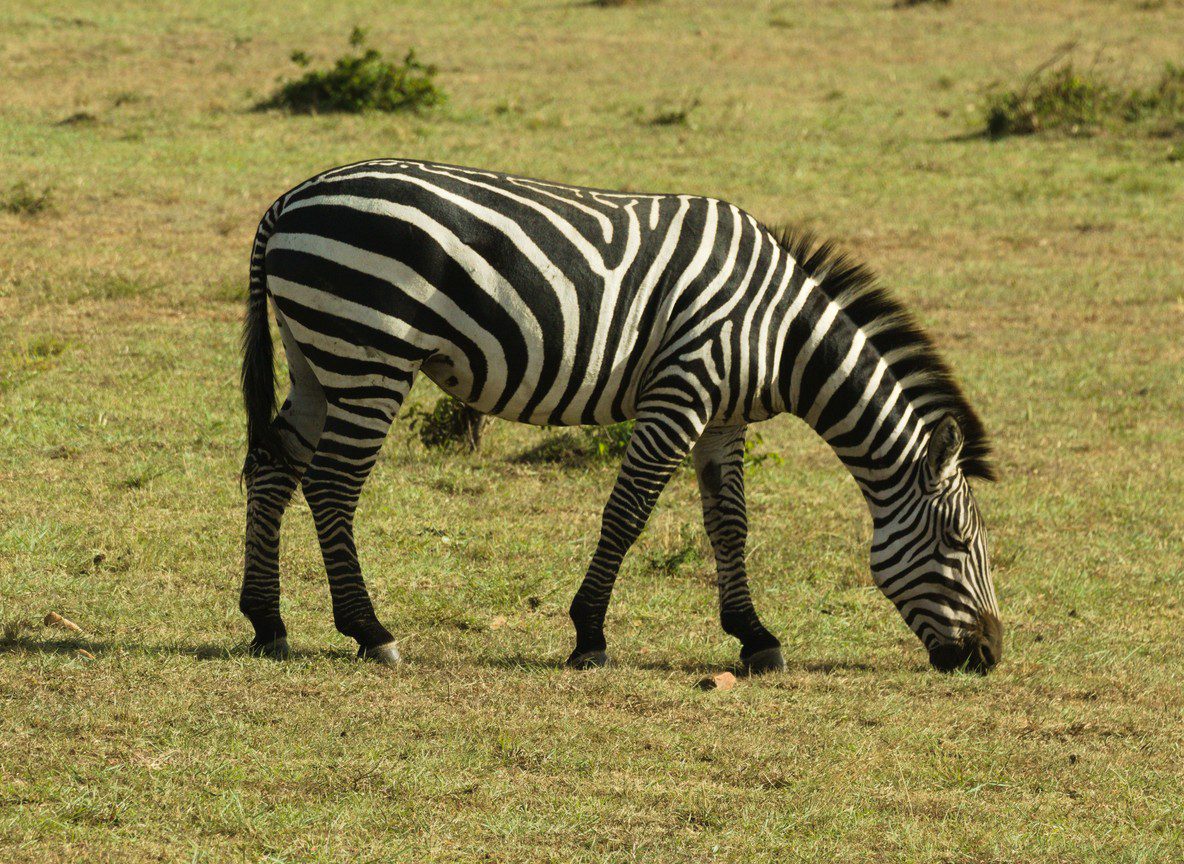
This guide covers the camp’s practical details, who the Talek River position suits, and how it compares with other budget options in the Maasai Mara.
The Talek River Position
The Talek River is one of the Maasai Mara’s significant drainage channels. It flows through the eastern section of the reserve and along the boundary near Talek Gate, which is one of the main vehicle entry points into the national reserve from that side of the ecosystem.
A camp positioned on the Talek River and within metres of a working gate enjoys two advantages that accumulate across each day of a multi-night stay.
The first is time. The window between the reserve gate opening in the morning (typically 6am, though this can vary by season and camp arrangement) and the point where the wildlife activity shifts away from dawn patterns is roughly two hours. A camp that gets you on wildlife terrain within minutes of gate opening captures more of that window than a camp requiring 30 to 45 minutes of transfer. Over a three-night stay, that time difference represents multiple additional hours on productive wildlife terrain.
The second is the river itself. The Talek River holds wildlife outside the reserve boundary. Hippos are resident in the deeper channels year-round. Elephants cross at regular intervals. Nile crocodiles use the shallower sections. Wading birds — herons, egrets, kingfishers — work along the banks. From the camp grounds, wildlife sightings occur without entering the reserve. This is an underappreciated aspect of any riverside camp: the habitat does not stop at the camp fence.
Camp Facilities and Accommodation
Aruba Mara Camp operates at the economy end of the Maasai Mara accommodation range. The facilities are functional, clean, and designed around the rhythm of a game drive-focused stay rather than around comfort as an experience in itself.
Tented accommodation: Canvas safari tents on the camp grounds, with twin or double bed configurations. The interiors are simple: wooden furniture, basic bedding, zip-entrance canvas walls. Some units have en-suite bathrooms. Others share ablution blocks. This varies by unit allocation. Confirm your specific unit and bathroom arrangement at the time of booking, not on arrival.
Communal dining: Meals are served in a central dining tent on a schedule timed around game drives. Breakfast before the morning departure, lunch on return, dinner in the early evening. Food is straightforward Kenyan camp cooking: adequate, filling, and not adventurous. Ugali, nyama choma, rice dishes, vegetable stews, and fresh fruit when available. The bar area offers soft drinks, beer, and basic spirits at additional cost.
Power: Electricity is available but not continuous. Charging devices during the available window matters practically because a dead camera battery on a morning drive cannot be fixed in the field.
Connectivity: Mobile data through Kenyan networks (Safaricom is the most reliable in this area). No hotel-style WiFi. This is standard for budget camps in the Maasai Mara.
Game Drive Structure and Wildlife Access
Drives from Aruba Mara Camp typically run on a twice-daily pattern: morning and afternoon. The morning drive captures the critical dawn-to-mid-morning window. The afternoon drive runs from mid-afternoon until sunset.
Morning drives: The gate proximity makes these particularly efficient. The guide can move directly from camp into the reserve on road access close to the gate, reaching the Talek River circuit or the central plains without the extended pre-drive transfers that camps further from the gate require.
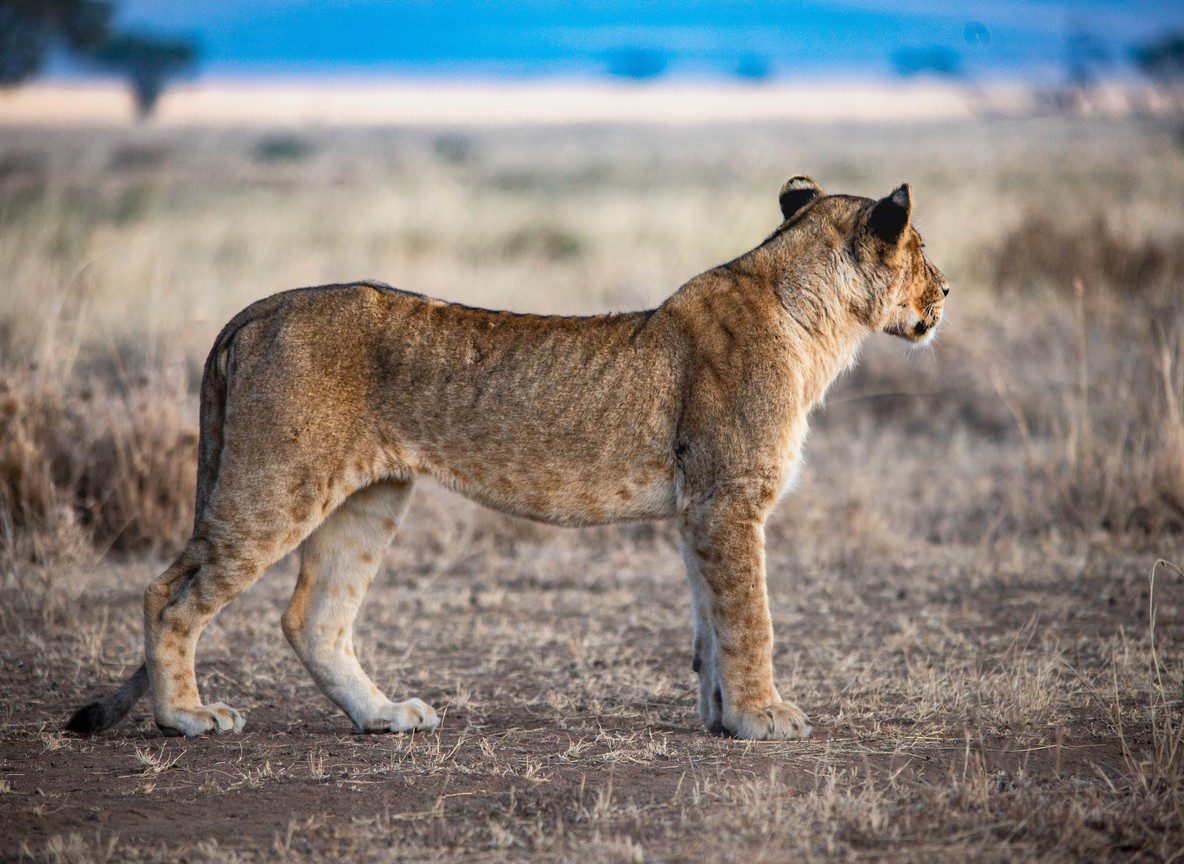
What to expect on drives from the Talek side: The Talek River circuit is reliably productive for elephants, hippos, and the large-mammal species that use permanent water. From there, the central Maasai Mara grassland opens into classic big cat country: the Talek side of the reserve holds resident lion prides and is regularly productive for cheetah in open terrain.
Guide quality: At any camp, and particularly at economy-tier camps where the room itself adds little to the experience, guide quality is the variable with the highest impact on what you see and take away. Ask specifically about the guide’s years of experience in the Talek sector of the reserve, not years of guiding in general.
Migration access: The wildebeest and zebra crossing sites on the Mara River are a longer drive from Talek Gate than from camps positioned on or near the Mara River. During peak migration months (typically July to October), plan accordingly: if a specific river crossing is the primary objective, the round trip from Aruba Mara Camp will consume most of a full morning drive. This is a logistical consideration, not a reason to avoid the camp — it is simply a planning factor.
Seasonal Planning From Aruba Mara Camp
July to October (peak migration): The highest-demand period in the Maasai Mara. Wildebeest herds are in the ecosystem. Predator activity is elevated across the reserve. The Talek Gate position gives efficient access to the eastern plains where herd movement is often concentrated. River crossing sites require additional drive time from this location.
January to March (dry season shoulder): Often the best-value window for the Maasai Mara. The ecosystem sees strong predator activity without migration crowds. Calving season in the Serengeti ecosystem (February) draws predators south, and the Maasai Mara benefits from elevated lion and cheetah activity. Accommodation rates drop significantly from peak.
November to December (short rains): Rates fall further. Wildlife disperses more widely. Some sections of the reserve become difficult after heavy rain. Good for travellers comfortable with unpredictability in exchange for lower cost.
April to June (long rains): The quietest and cheapest period. The landscape is green and lush, which produces different wildlife photography than the dry-season golden grass aesthetic. Some camp infrastructure goes into maintenance. Wildlife is present but spread across the ecosystem rather than concentrated at water points.
Who This Camp Suits
Aruba Mara Camp is well-matched for travellers who:
- Have a fixed total trip budget and want to maximise days in the Maasai Mara rather than spend on room quality
- Are comfortable with basic facilities when the purpose of the stay is to be outside on game drives
- Are travelling solo, in pairs, or in a small group where the communal dining setup does not feel constraining
- Are prioritising efficient early morning drive access over proximity to Mara River crossings
- Want a riverbank setting with ambient wildlife without paying a premium for it
It is less well-suited for travellers who:
- Need continuous hot water, reliable electricity, or consistent WiFi to maintain comfort
- Are specifically targeting Mara River crossings as the central migration experience (the drive time from Talek is a real constraint)
- Want a more immersive camp atmosphere with better food and design — in that case the mid-range tier is a meaningful upgrade
Comparing Aruba Mara Camp With Mid-Range Options
| Factor | Aruba Mara Camp | Mid-Range Mara Camp |
|---|---|---|
| Nightly rate | Budget | Moderate premium |
| En-suite bathrooms | Some units | Standard |
| Electricity | Limited hours | Usually continuous |
| River/wildlife setting | Yes (Talek River) | Variable |
| Gate proximity | Excellent (50m) | Varies |
| Food quality | Basic Kenyan camp | More varied menu |
The upgrade from budget to mid-range at the Mara does not primarily buy you better wildlife access — that remains a function of guide quality and timing regardless of tier. It buys you better sleep, more consistent hot water, better food, and fewer friction points between drives. Whether those improvements justify the additional cost per night depends on your total budget and how many nights you are staying.
For a three-night stay, the difference in total accommodation cost between budget and mid-range may be smaller in absolute terms than the cost of adding one additional day in the reserve. Some travellers make that trade deliberately.
Practical Visiting Notes
How to get there: By road from Nairobi via Narok and then south toward Talek village. The journey is 5 to 6 hours in good conditions. The final section from Narok to Talek is partially unpaved and requires a vehicle with adequate ground clearance. Fly-in options exist to nearby airstrips but will raise the trip cost above the budget tier.
How long to stay: Three nights gives you six morning and afternoon drives across three full safari days. Two nights works for a tighter itinerary or when Aruba Mara Camp is one stop in a multi-park circuit. One night is a logistical compromise rather than a recommended stay length.
Packing: Warm layers for early morning drives (the Mara plateau can be cold before sunrise regardless of ambient daytime temperature), a reliable headtorch, a power bank for charging between electricity windows, and insect repellent. Neutral clothing colours work better on game drives than bright patterns.
Park fees: Entry fees into the Maasai Mara National Reserve are charged per person per day. Confirm whether these are included in your package pricing or charged separately.
For general information on the Maasai Mara National Reserve and access gate details, the Kenya Wildlife Service maintains information at kws.go.ke.
For planning a full Kenya itinerary that incorporates the Maasai Mara — whether Aruba Mara Camp fits your objectives or whether another tier or location suits you better — detailed planning resources are available at trunktrailssafaris.com.
Prefer a different route, budget, or travel style? This plan can be adapted to fit.
Customise Your Trip