

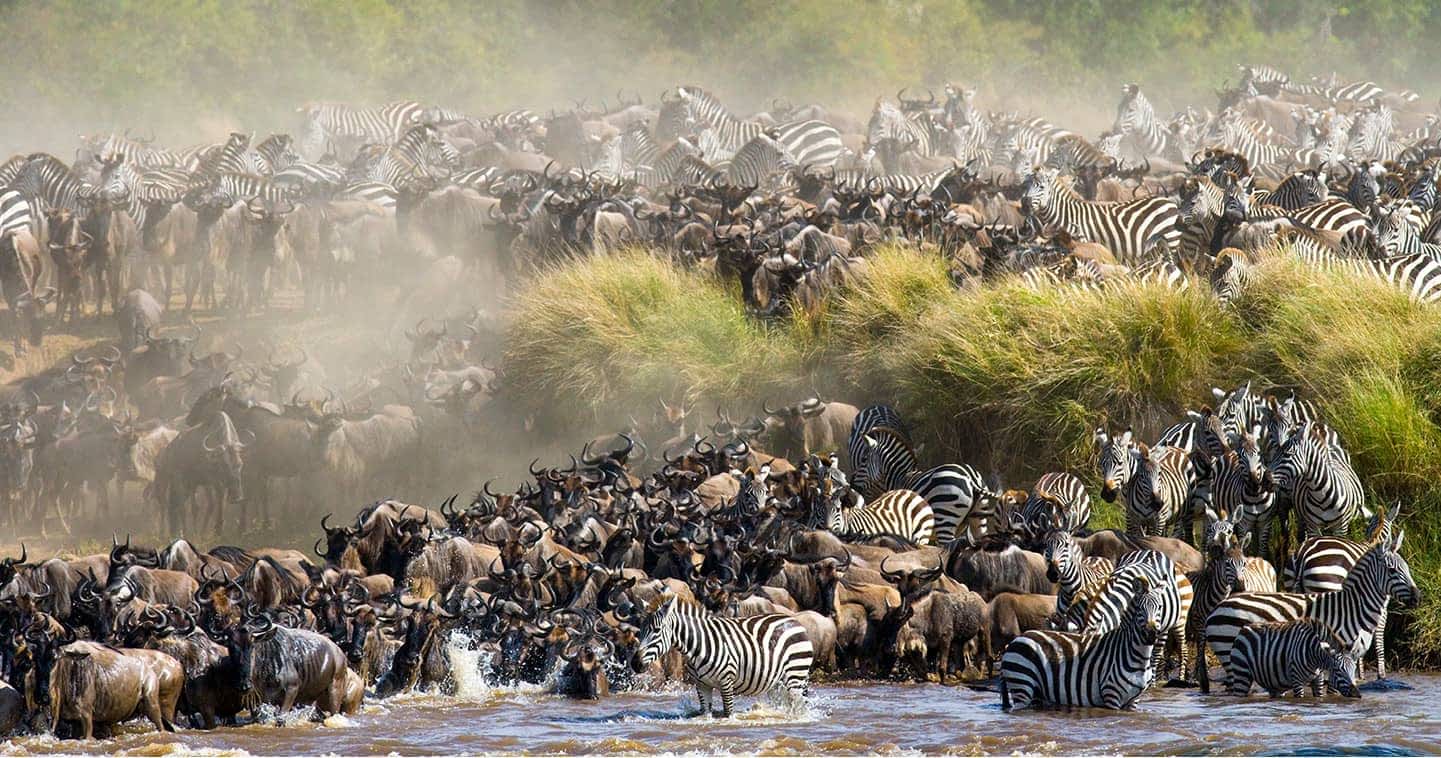
Picture this. Two million wildebeest, zebras, and gazelles thundering across golden plains. Dust clouds rising like smoke signals. Crocodiles lurking in chocolate-brown rivers. Lions prowling the tall grass. This is not a documentary. This is the Great Migration Kenya, and you can witness it live.
Every year, the Masai Mara National Reserve migration delivers one of the planet’s most dramatic wildlife spectacles. If you have ever dreamed of seeing nature in its rawest, most powerful form, this is your moment. And Trunktrails Safaris puts you right in the heart of the action.
What Is the Great Migration Kenya?
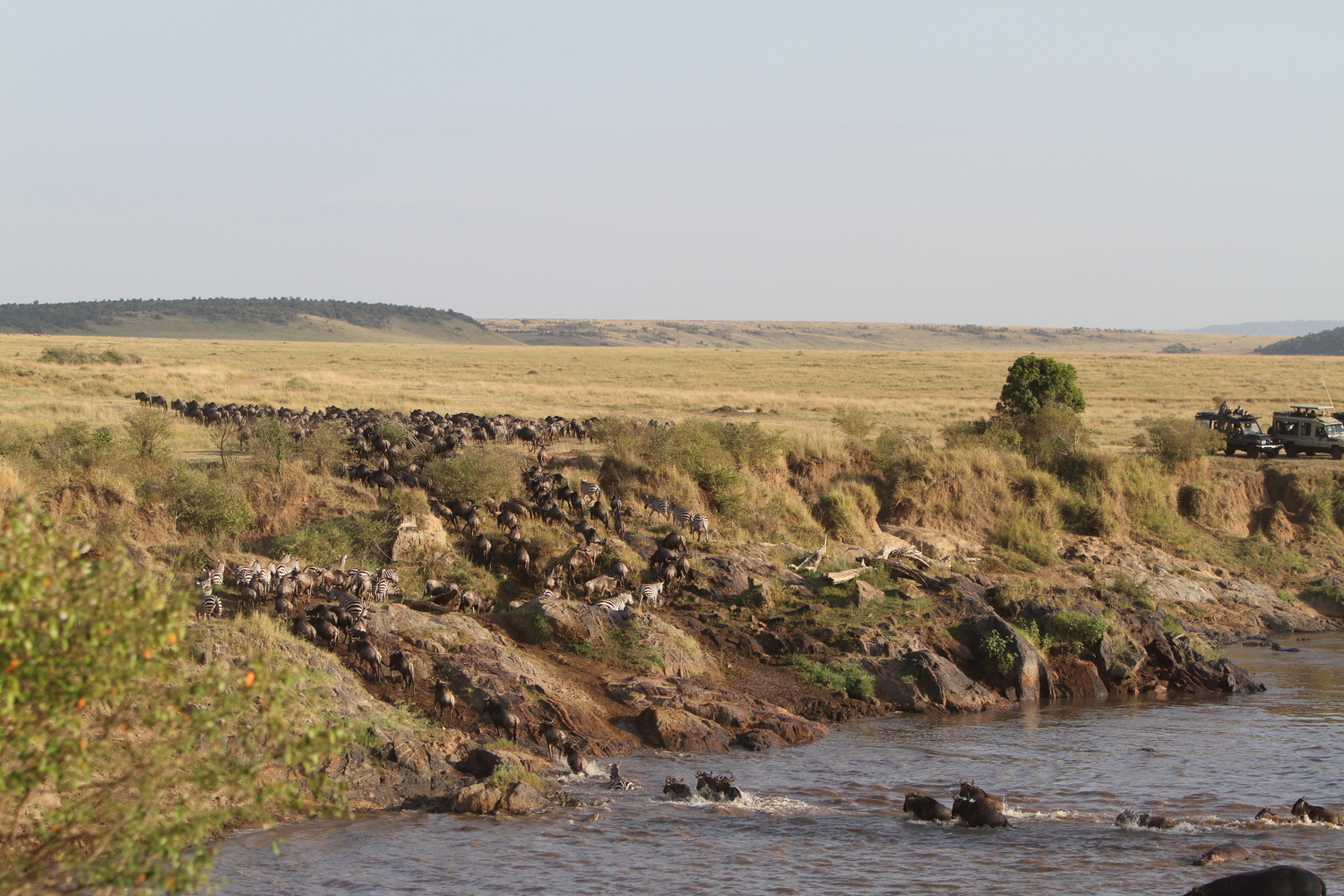
The Great Migration is a year-round cycle of movement involving over 1.5 million wildebeest, 200,000 zebras, and 350,000 gazelles. These herds travel between Tanzania’s Serengeti and Kenya’s Masai Mara in search of fresh grazing and water.
The most iconic phase happens between July and October, when hundreds of thousands of animals cross the Mara River. This is the wildebeest crossing everyone talks about. The scene is chaotic, primal, and unforgettable.
Fast Facts About the Great Migration:
- Distance covered: Over 800 kilometers in a circular route
- Peak season in Kenya: July to October
- Main crossing points: Mara River at Lookout Hill and Paradise Crossing
- Predators involved: Lions, leopards, cheetahs, hyenas, and Nile crocodiles
- Calving season: January to March in the southern Serengeti (Tanzania side)
Why Kenya Is the Ultimate Great Migration Destination
Tanzania’s Serengeti gets plenty of attention, but Kenya’s Masai Mara offers something special. The Mara is smaller, which means higher animal density. You see more action in less time. The terrain is also easier to navigate, with fewer restrictions on off-road game drives.
Kenya safari tours during migration season give you unmatched access. You can position yourself near river crossings at dawn and watch the drama unfold just meters away. The Masai Mara National Reserve’s open savannahs also make it easier to spot predators stalking the herds.
And here is the kicker. While the Serengeti is massive and requires long drives between sightings, the Masai Mara National Reserve migration concentrates the action. You spend less time driving and more time watching wildebeest leap into crocodile-infested waters.
Best Time for Migration: When Should You Visit?
Timing is everything. The Great Migration Kenya follows a predictable rhythm, but nature does not run on a strict schedule. Here is what to expect month by month.
July to August: The River Crossings Begin
This is peak season. Herds gather on the southern banks of the Mara River, hesitating before the plunge. Crocodiles wait. Predators circle. The tension builds until one brave wildebeest makes the leap, and thousands follow.
What to expect:
- Daily river crossings (weather dependent)
- High predator activity
- Premium lodge pricing
- Crowded viewing spots at popular crossings
September to October: The Sweet Spot
By September, the herds have spread across the Mara. Crossings continue, but the crowds thin out. This is the best time for migration if you want incredible sightings without bumper-to-bumper safari vehicles.
What to expect:
- Consistent wildlife action
- Better lodge availability
- Slightly lower prices
- Excellent photography conditions
November: The Return South
As the short rains arrive in November, the herds begin their journey back to the Serengeti. You can still catch stragglers and enjoy quieter game drives.
What to expect:
- Fewer tourists
- Green, lush landscapes
- Lower prices
- Great birding opportunities
The Trunktrails Safaris Advantage: Why Book With Us
Anyone can drive you to the Mara. But not everyone can position you at the right crossing point at the right time. That is where Trunktrails Safaris makes the difference.
1. Local Expertise That Counts
Our guides are Kenyan-born and Mara-trained. They know the terrain, the animal behavior, and the secret spots that tour buses miss. They communicate with other guides in real time to track herd movements. When a crossing is about to happen, we are already there.
2. Custom 4×4 Land Cruisers With Pop-Up Roofs
Forget cramped minivans. Our safari vehicles are purpose-built for wildlife viewing. Pop-up roofs give you 360-degree views and unobstructed photography angles. Every seat is a window seat.
3. Flexible Itineraries for Every Budget
Whether you want a luxury tented camp with sundowners or a budget-friendly camping adventure, we have a package for you. Our Kenya safari tours range from three-day express trips to ten-day immersive circuits that combine the Mara with Amboseli, Lake Nakuru, and Diani Beach.
Sample packages:
- 3-Day Masai Mara Express: Budget camping, shared game drives, from $650 per person
- 5-Day Mara & Lake Nakuru Combo: Mid-range lodges, private vehicle, from $1,200 per person
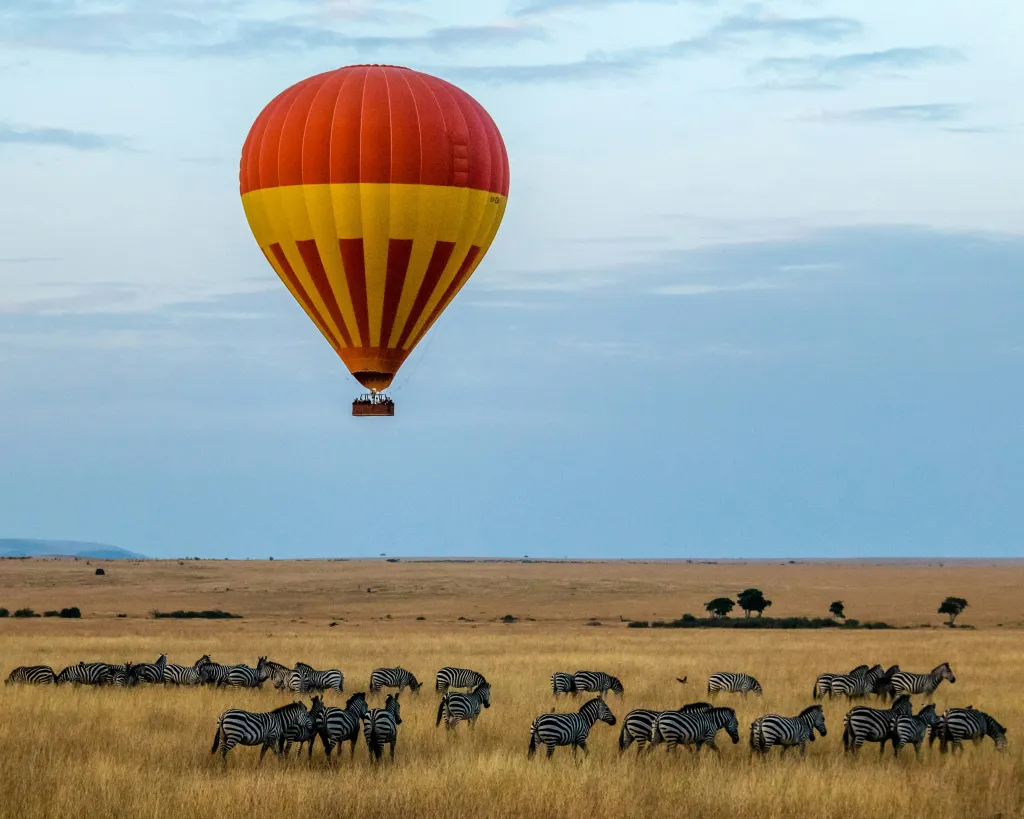
- 7-Day Luxury Migration Safari: Premium tented camps, balloon safari, from $2,800 per person
4. 24/7 Support From Booking to Landing
Safari plans change. Flights get delayed. Weather shifts. We are available around the clock via WhatsApp, email, or phone. If something goes wrong, we fix it fast.
What to Pack for a Great Migration Safari
The Mara’s weather is unpredictable. Mornings are cool, midday is hot, and evenings can be chilly. Here is what to bring.
Essentials:
- Neutral-colored clothing (khaki, olive, beige)
- Wide-brimmed hat and sunglasses
- Sunscreen (SPF 50+)
- Insect repellent
- Binoculars (8x or 10x magnification)
- Camera with telephoto lens (200mm minimum)
- Reusable water bottle
- Light jacket or fleece for early morning drives
Pro tip: Avoid bright colors like white, red, or neon. They spook animals and attract insects.
Beyond the Crossings: What Else You Will See
The wildebeest crossing is the headline act, but the Masai Mara migration season offers so much more.
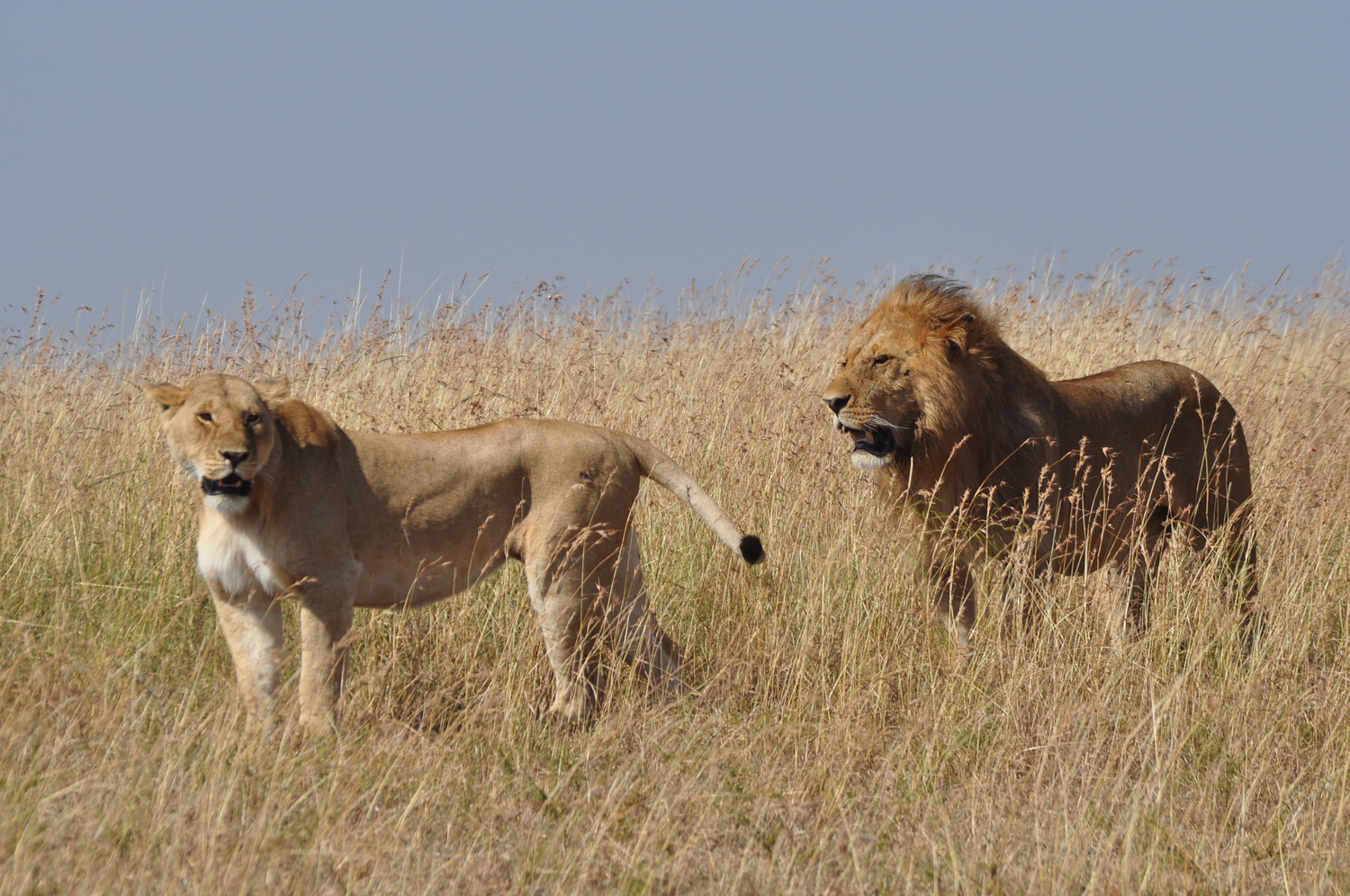
Big Cats in Action:Lions hunt in coordinated prides. Cheetahs sprint across open plains. Leopards lounge in acacia trees with fresh kills. The Mara has one of Africa’s highest concentrations of predators.
Birdlife Explosion:Over 450 bird species call the Mara home. Look for lilac-breasted rollers, secretary birds, and massive martial eagles.
Cultural Encounters:Visit a traditional Maasai village. Learn about their semi-nomadic lifestyle, warrior traditions, and deep connection to the land.
Hot Air Balloon Safaris:Float above the plains at sunrise. Watch the herds from the sky, then land for a champagne breakfast in the bush. It is expensive but worth every shilling.
How the Great Migration Works: The Science Behind the Spectacle
The migration is not random. It is driven by rainfall and grass growth. Wildebeest follow the rains in a clockwise loop through the Serengeti-Mara ecosystem.
The cycle:
- January to March: Calving season in Tanzania’s southern Serengeti. Over 500,000 calves are born.
- April to June: Herds move northwest toward the Western Corridor and Grumeti River.
- July to October: Mara River crossings in Kenya’s Masai Mara.
- November to December: Return journey south as rains arrive in Tanzania.
This rhythm has repeated for millennia. It is one of the last great wildlife migrations on Earth.
Why Now Is the Time to Book Your Kenya Safari Tour
The Great Migration Kenya is not getting easier to see. Climate change is shifting rainfall patterns. Tourism infrastructure is expanding. Prices are rising.
But right now, in 2026, the Mara is still wild, still accessible, and still affordable if you know where to look. Trunktrails Safaris specializes in making this dream trip a reality for travelers on every budget.
We handle the logistics. You handle the wonder.
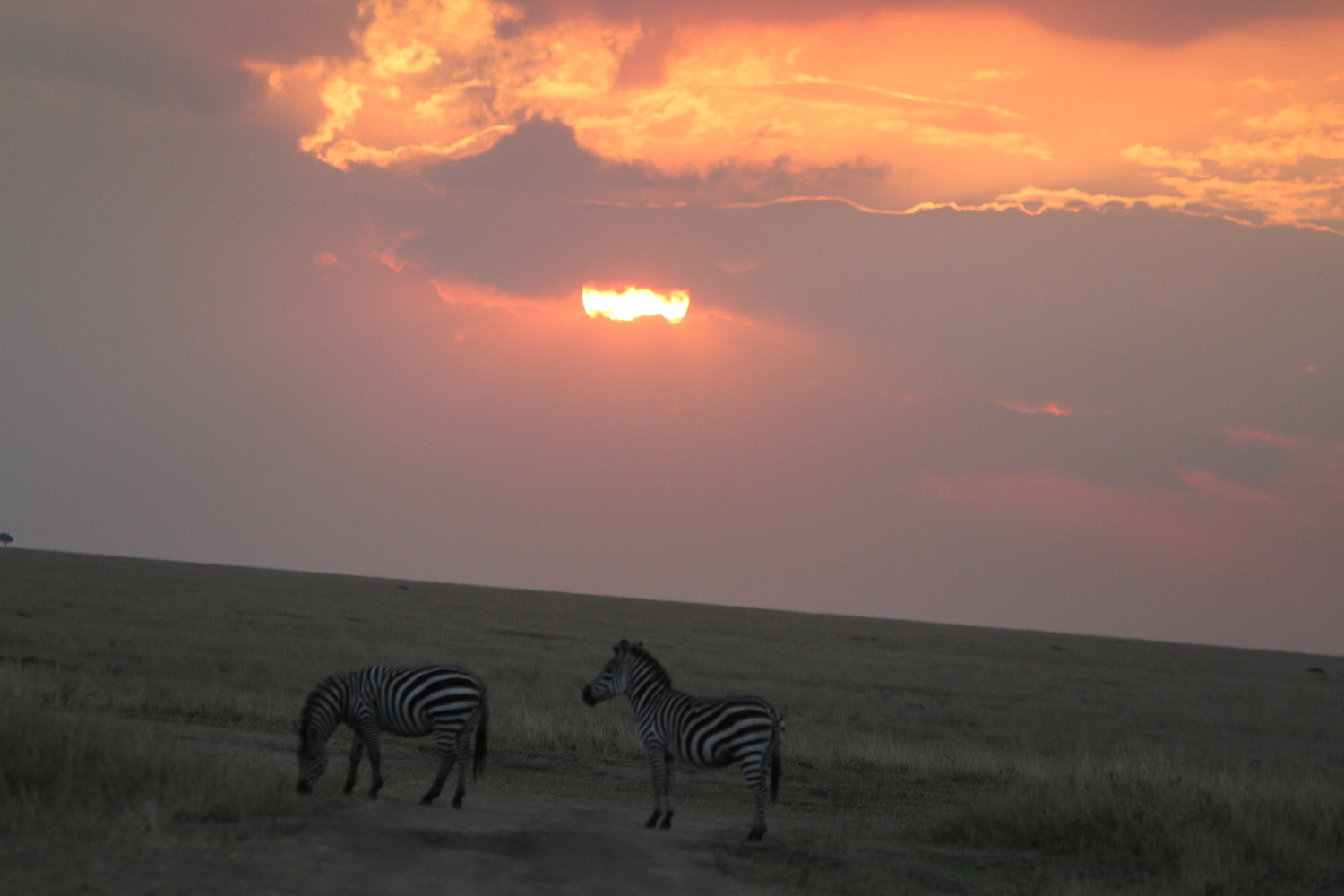
Ready to Witness the Masai Mara Migration?
The herds are moving. The crocodiles are waiting. Your front-row seat is ready.
Contact Trunktrails Safaris today to design your perfect Great Migration safari. Whether you want three days or ten, camping or luxury, we will build an itinerary that fits your schedule and budget.
Get started now:
- WhatsApp: +254 113 208888 (click to chat: https://wa.me/254113208888)
- Email: info@trunktrailssafaris.com
- Location: Nairobi, Kenya
The best time for migration is right now. Let’s make it happen.
About Trunktrails Safaris: We are a Kenyan-owned tour operator specializing in authentic, personalized safaris across East Africa. From the Masai Mara to Amboseli, Tsavo to Diani Beach, we bring you closer to the wild. Every trip is guided by local experts who live and breathe this land. Every package is built around your vision. And every moment is designed to leave you speechless.
[…] – 2-Day Ol Pejeta: Dedicated rhino and chimp experience – 3-Day Ol Pejeta + Masai Mara: Conservation and migration – 4-Day Ol Pejeta + Amboseli: Rhino tracking and elephants […]
[…] Masai Mara (July–October): […]
[…] combines the thrill of safari with the bliss of coastal relaxation. After tracking lions in the Masai Mara or photographing elephants at Amboseli, Diani Beach offers the paradise you’ve been dreaming […]