When planning a Masai Mara safari, the choice between a tented camp vs lodge is one of the first decisions travelers face and one of the most misunderstood. Many visitors assume a tented camp means basic camping. It does not. Others assume a lodge means losing the bush atmosphere entirely. That is not necessarily true either.
The distinction matters because where you sleep shapes how you experience the Masai Mara after the game drive ends. This guide walks through what each accommodation type actually delivers so you can choose the one that fits your safari.
What Is a Masai Mara Tented Camp?
A Masai Mara tented camp is a canvas structure built on a raised wooden platform, with solid flooring, en-suite bathroom facilities, and full-size beds with proper linen. The walls and ceiling are canvas. Most tented camps have a verandah or deck that faces the bush.
The term covers a wide range. At the budget end, a safari tent might mean a simple canvas room with a basic shower and flush toilet. At the luxury end, places like the conservancy camps of Olare Motorogi offer a king bed, a copper bath, an outdoor shower, a private verandah with bush views, and service on par with any high-end hotel.
What makes a tented camp consistently different from a lodge is the canvas. You can hear the night. The rustling of hippos, the bark of zebras, the distant whoop of hyenas: the bush is not behind glass. You are inside it.
The Budget-to-Luxury Spectrum
The price range at Masai Mara tented camps is wide. A budget camp near Sekenani Gate might run $150 to $250 per person per night including meals and game drives. A luxury conservancy camp can reach $1,500 to $3,000 per person per night, all-inclusive.
What the top tier adds:
- Private plunge pool or outdoor bathtub
- Butler service and personalised game drive scheduling
- Off-road conservancy drives and night drives, which are not permitted in the reserve itself
- Gourmet bush dining with very few guests, often 12 to 16 in the entire camp
At the budget end you still get a canvas tent with proper beds, an en-suite shower, a flush toilet, communal dining, and the same fundamental experience: falling asleep to the sounds of the Masai Mara.
What Is a Masai Mara Lodge?
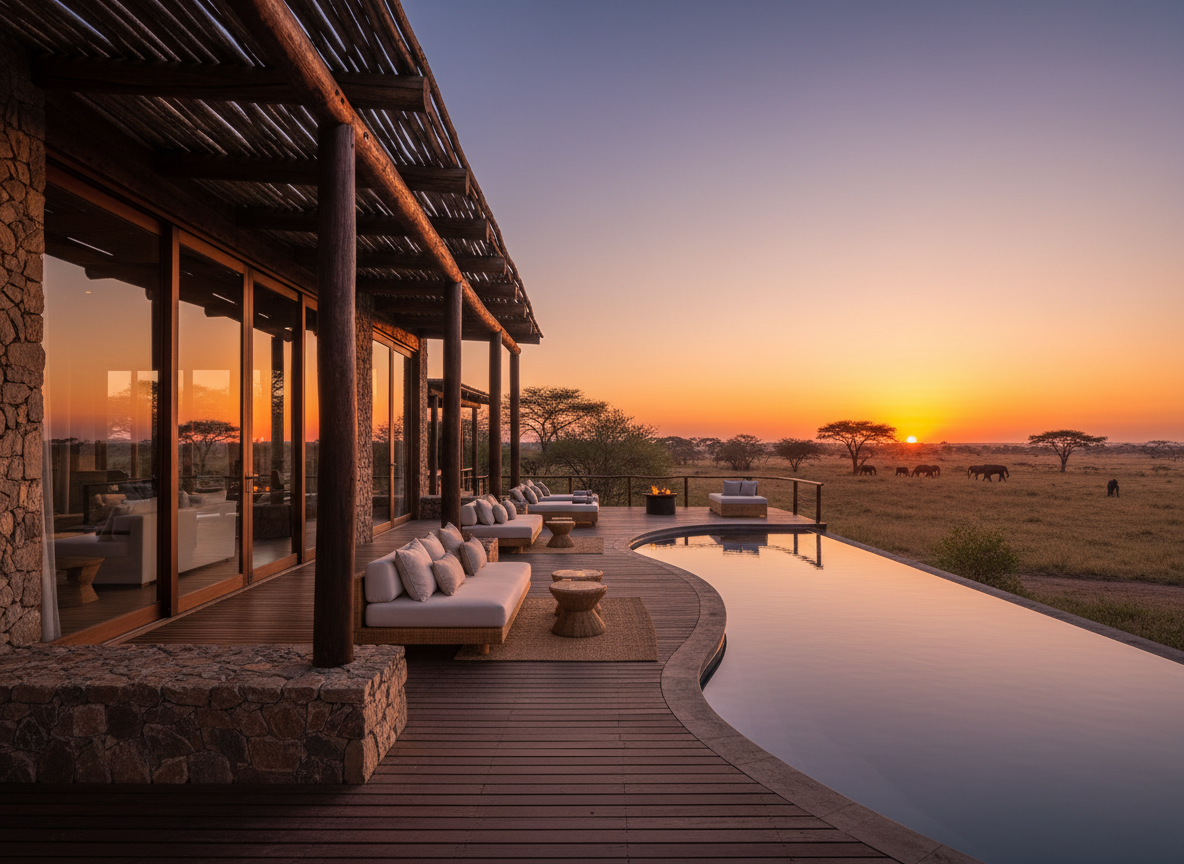
A Masai Mara lodge is a permanent structure with solid walls, a fixed roof, and conventional hotel construction. Lodges range from mid-range properties near the reserve gates to full luxury operations with swimming pools, multiple dining spaces, and spa facilities.
The lodge experience prioritises consistent comfort and weather protection:
- Effective temperature control, including air conditioning at many properties
- Rooms insulated from wind, rain, and significant overnight temperature drops
- More predictable plumbing and power infrastructure
- Larger communal spaces for dining, socialising, and relaxing between drives
Some of the most established Masai Mara properties, including Governors’ Camp and Mahali Mzuri, blur the line between lodge and tented camp, combining architectural permanence with open, bush-facing design. At the premium end ($700 to $2,000+ per night), the distinction between a luxury lodge and a luxury tented camp is largely aesthetic. Both deliver high service and strong facilities.
Tented Camp vs Lodge: How the Experience Actually Differs
Bush immersion
A tented camp wins this clearly. Canvas walls mean no barrier between you and the sounds of the Masai Mara at night. Lying in bed as lions call across the plains, hearing elephants move near the camp perimeter, waking to the dawn chorus of birds: these experiences are fully available in a tent. A lodge insulates. A tented camp includes.
Comfort and weather protection
A lodge wins for travelers who are sensitive to conditions. During the April to May long rains, solid walls and a proper roof mean you stay dry regardless of what overnight weather brings. During cool June nights, a lodge room holds warmth better than canvas. For anyone with significant sensitivity to humidity, temperature swings, or insects, a lodge provides more reliable control.
Atmosphere and visual character
This is subjective, but the pattern is consistent: a canvas tent on a wooden platform surrounded by acacia trees, with a lantern on the verandah and the plains visible from bed, is the visual archetype of the African safari. Lodges tend toward a more hotel-like look, even the best-designed ones.
| Factor | Tented Camp | Lodge |
|---|---|---|
| Bush sound immersion | Full (canvas walls) | Reduced (solid construction) |
| Weather protection | Moderate, rain is audible | Full (insulated rooms) |
| Temperature control | Cross-ventilation, cooler in heat | AC or better insulation |
| Insects | Possible (canvas seals well but not perfectly) | Less (sealed rooms) |
| Visual atmosphere | Classic bush aesthetic | More hotel-like |
| Wildlife proximity at camp | Often very close | Varies by location |
| Photography from room | Often excellent (bush verandah views) | Variable |
| Price range | $150 to $3,000+ per person per night | $300 to $2,000+ per person per night |
Which Type Suits Your Safari Best?
A tented camp suits you if:
- The sounds of the bush at night are part of why you came to the Masai Mara
- You want the visual feel of classic safari accommodation
- You plan to stay in a conservancy: nearly all conservancy properties are tented camps
- Authentic atmosphere matters more than hotel-grade infrastructure
- You are comfortable with canvas walls (insects are rarely an issue in well-managed camps, but they remain possible)
A lodge suits you if:
- Weather reliability and solid construction matter to your comfort
- You are traveling during the rainy season (April to May, or November) and want guaranteed dry shelter
- You or a travel companion has sensitivities that benefit from solid, sealed rooms
- You want a swimming pool, larger common areas, or spa facilities
- You are traveling with young children who may find bush sounds unsettling at night
The combined approach
Many Masai Mara visitors mix both types. A lodge for the first night allows time to recover from travel and acclimatise before moving into a tented camp for deeper nights in the bush. This sequence manages the transition and lets you experience the full spectrum of what Masai Mara accommodation has to offer.
Explorer Notes
- “Tented camp” as a label tells you very little about price or quality. Always look at specific camp details rather than the category name alone.
- Conservancy camps offer significant game-drive advantages over reserve-based lodges: off-road driving, night drives, and far fewer vehicles at sightings. If the conservancy experience appeals to you, a tented camp is almost certainly what you will be choosing by default.
- Canvas walls are effective but not hermetically sealed. If insects are a genuine concern, opt for a lodge or ask the camp directly about their screening and sealing setup before booking.
- Night temperatures in the Masai Mara from June through August can drop sharply. Quality tented camps provide hot water bottles and extra blankets; budget camps may not. Ask in advance.
- Traveling with a first-time safari guest? Starting with a lodge for the first night often reduces the adjustment period, making the subsequent tented camp nights easier to appreciate on their own terms.
Conclusion
The tented camp vs lodge question in the Masai Mara does not have a single right answer. It depends on what draws you to the safari in the first place. If the sensory experience of being in the bush, including the sounds, the proximity to wildlife, and the visual atmosphere, is central to your trip, a tented camp is hard to beat. If weather security, consistent infrastructure, and larger amenities matter more, a lodge is the more dependable choice. The two are not mutually exclusive, and many experienced Masai Mara visitors find value in sampling both.
Have questions about this itinerary or destination? Get answers from a safari specialist before you commit.
Inquire MoreFurther reading
- Maasai Mara Wildlife Conservancies Association
- Magical Kenya (Kenya Tourism Board)
- African Wildlife Foundation