A Kenya safari that runs from Samburu in the north all the way to Diani Beach on the Indian Ocean coast is one of the most complete ways to experience the country. Where most circuits focus on a single region, the Samburu to Diani Beach safari moves through distinct ecosystems: dry northern scrubland, classic savanna, and tropical coastline. Each zone has its own wildlife, mood, and pace. Taken together, they give you a layered sense of Kenya that a shorter, single-destination trip rarely achieves.
This guide breaks down what the route involves, what to expect at each stage, and how to plan it so the journey holds together.
Why Samburu Makes a Strong Starting Point
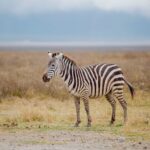
Samburu National Reserve sits in northern Kenya, roughly 350 kilometres from Nairobi. The terrain is drier than the Mara or Amboseli, and the wildlife reflects that difference. The reserve is one of the few places in Kenya where you can reliably encounter species adapted to arid northern conditions: Grevy’s zebra (the world’s largest wild zebra, with narrow close-set stripes), reticulated giraffe, gerenuk (the long-necked antelope that feeds standing upright on its hind legs), Beisa oryx, and Somali ostrich.
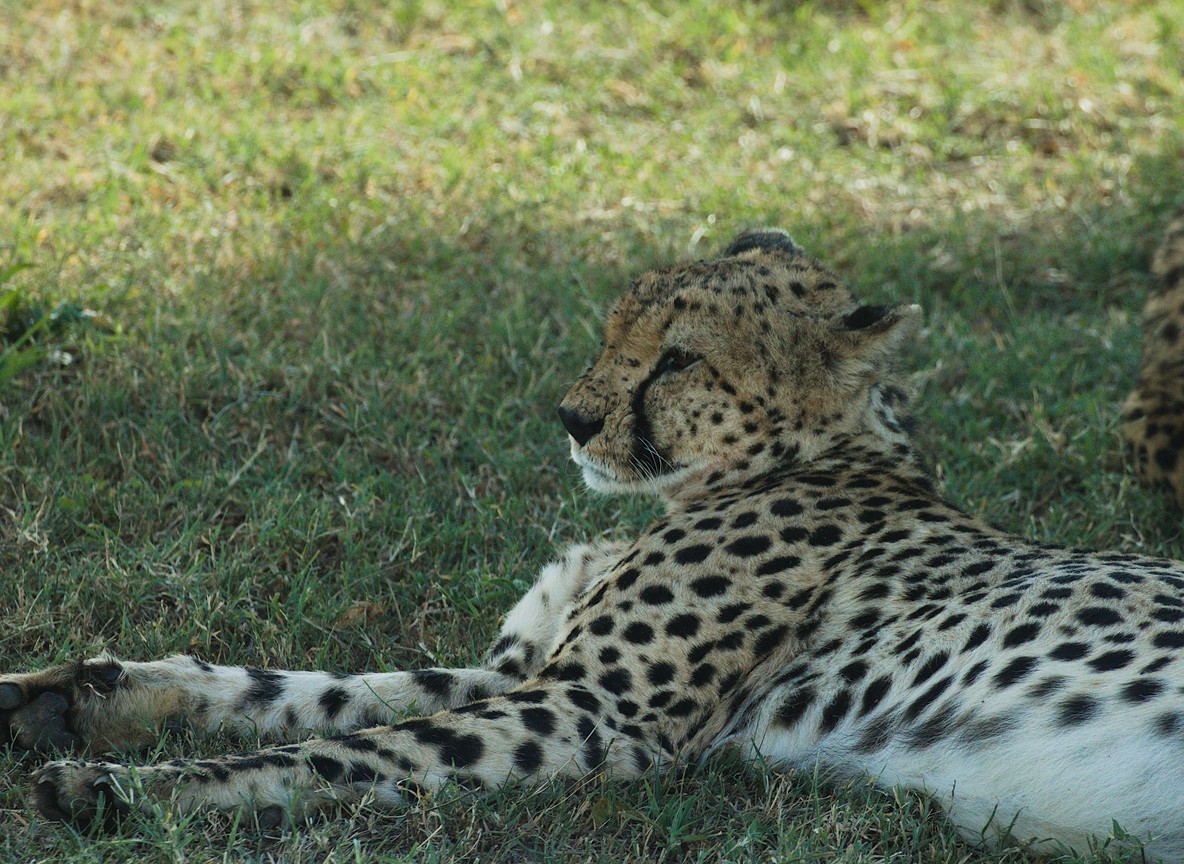
The Ewaso Nyiro River runs through the reserve, drawing elephants and predators to its banks throughout the year. Crocodile sightings are common near the waterline. Lion and leopard are present, though sightings require patience and a good guide who knows the territory.
What makes Samburu stand apart is less about species lists and more about atmosphere. The landscape feels open and slightly raw. The light in the north has a particular quality: direct, sharp, and often golden by late afternoon. Game drives here tend to produce encounters that feel unhurried, partly because visitor numbers stay lower than in the southern parks.
Beginning a grand Kenya route in Samburu sets a particular tone. The trip opens somewhere genuinely distinct, rather than leading with the landscapes most travelers already associate with East Africa.
The Safari Heartland: Central and Southern Regions
After Samburu, most itineraries on this route pass through one or more of Kenya’s central or southern safari areas before reaching the coast. The exact sequence depends on how many days you have and what the itinerary is built around, but common additions include Laikipia, Ol Pejeta Conservancy, the Masai Mara, Lake Nakuru, and Amboseli.
Each of these regions adds a different texture to the journey.
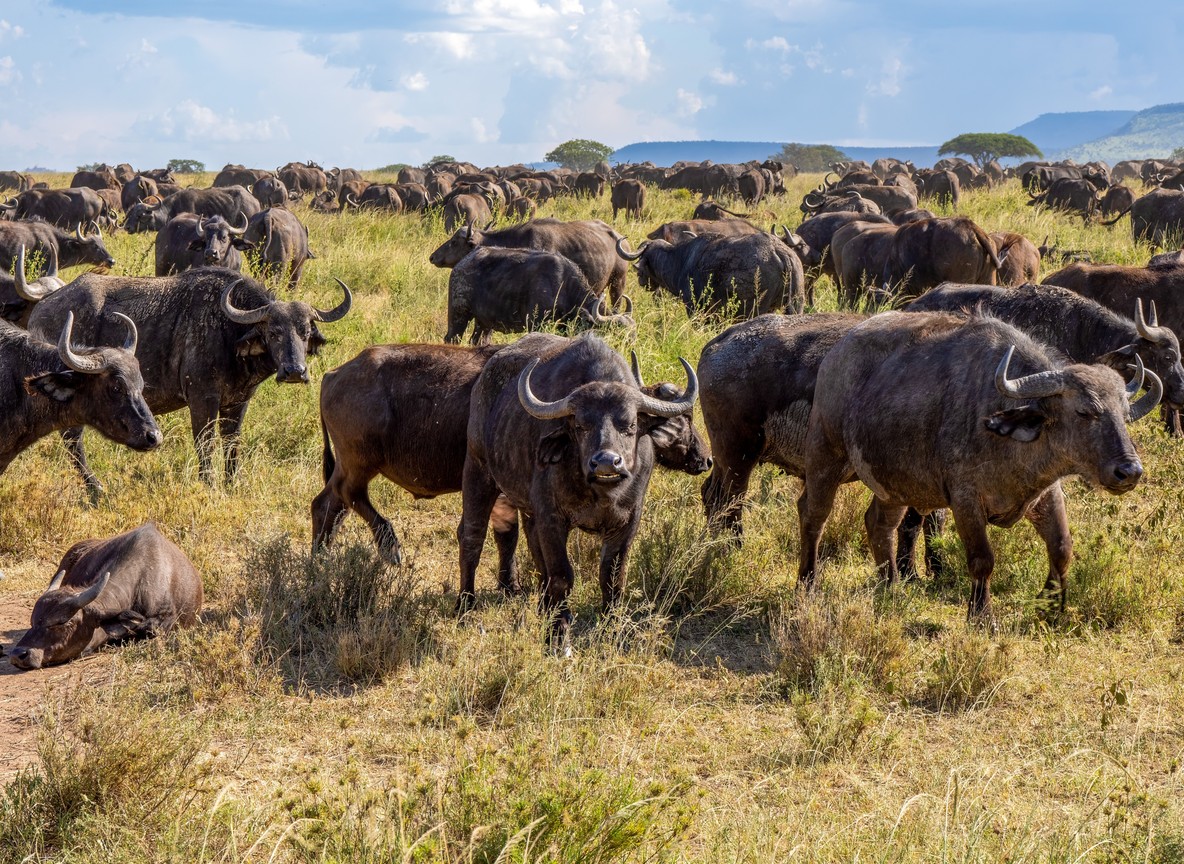
The Masai Mara, in southwestern Kenya, is where many travelers aim for the Great Migration. Wildebeest and zebra cross from Tanzania’s Serengeti from roughly July through October, though the timing shifts year to year and the Mara supports strong wildlife populations even outside the migration window.
Amboseli, in the south near the Tanzanian border, is best known for its large elephant herds and the combination of Kilimanjaro views and open plains. Dust and heat are factors for most of the year, but the photographic conditions are exceptional when the mountain is clear.
Laikipia and Ol Pejeta, on the central plateau, offer a different experience: community and private conservancy land, a mix of savanna and highland terrain, and one of the stronger rhino conservation programmes in East Africa. Ol Pejeta holds both white and black rhino populations and remains one of the better places in the region to see both species reliably.
Not every itinerary needs to include all of these. Two or three well-chosen stops in this middle section tend to produce a more satisfying journey than a rushed pass through five or six parks with too few nights at each.
Diani Beach and the End of the Route
Diani Beach lies on Kenya’s south coast, roughly 30 kilometres from Mombasa. After days of early starts, dusty tracks, and the focused alertness that game viewing demands, arriving at the coast represents a deliberate shift in the whole character of the trip.
The beach here is long and well-developed by Kenyan coastal standards. The ocean is warm throughout the year, hovering between 24 and 28 degrees Celsius. The reef system just offshore makes Diani a reasonable base for snorkelling and diving, with coral gardens that hold a wide range of marine life including turtles, rays, and reef fish.
What Diani offers a safari traveler specifically is contrast. The physical environment changes completely: from dust to salt air, from predawn drives to slow afternoons, from acacia scrubland to palm canopy. Many travelers find that a few days at the coast helps the inland portion of the trip settle. Moments from the bush start to surface and sharpen when the pace drops.
Practically, Diani is reached from most inland safari areas by charter flight or scheduled service via Ukunda Airstrip, or by road from Mombasa if you are arriving from the port direction. Transfers from the Mara or Amboseli typically involve at least one connection through Nairobi or Wilson Airport.
Planning a Samburu to Diani Beach Safari
The main planning variables for this route are time, pacing, and the allocation of nights per location.
Itinerary length. Most itineraries covering Samburu, at least one southern park, and a coastal stay run between 10 and 14 days. Going shorter than 10 days tends to produce a transit-heavy sequence rather than a travel experience. You want at least two or three nights in each safari zone to allow for proper game drives and some unhurried time at camp.
Flight versus road. Samburu to central or southern Kenya involves significant ground distances, and road travel between most of these areas is time-consuming on unsealed roads. Scheduled safari flights, or charter connections through Wilson Airport, reduce transit time considerably and are worth factoring into the budget.
Best time. For northern Kenya and Samburu, the drier months from June through October and January through February generally offer the clearest viewing conditions. The Mara’s migration peaks between July and October. Amboseli tends to be drier and more open from June through October as well. The coast sees its most settled weather between November and April; the long rains run from April through June and the short rains arrive in October and November. For the full route, June to October covers the inland game-viewing peak while still allowing a reasonable coastal stay on either end.
Costs. Budget varies widely depending on camp tier, number of nights, and whether internal flights are included. Mid-range itineraries on this route typically run from around USD 500 to USD 800 per person per day all-inclusive for the safari portions. Luxury tented camps in peak season sit well above that. Beach accommodation at Diani spans a broad spectrum from guesthouses to boutique properties.
Explorer Notes
- Grevy’s zebra, reticulated giraffe, gerenuk, and Beisa oryx are northern Kenyan species. If seeing them matters to your trip, Samburu is essentially the only reliable option within Kenya’s main park circuit.
- Charter flights within Kenya carry weight limits. The standard allowance for bush flying is 15 kg per person. Soft-sided bags pack more efficiently into small aircraft luggage holds than rigid cases.
- Samburu and the Masai Mara are not a practical same-day road transfer. Either fly between them or build enough nights into the itinerary that the overland stage does not consume the trip.
- The migration at the Mara draws high visitor numbers, particularly in August and September. If quieter conditions matter to you, the Mara conservancies adjacent to the main reserve offer similar wildlife with fewer vehicles.
- Diani has a developed hospitality scene, but the south coast road from Mombasa involves a ferry crossing at Likoni. If arriving by road from Mombasa airport, account for crossing times and traffic, particularly at peak hours.
Conclusion
A Samburu to Diani Beach safari is ambitious in scope and that ambition pays off when the route is structured thoughtfully. The north gives the journey a distinctive opening. The safari heartland adds depth and wildlife density. The coast provides a satisfying release at the end. The key variable is time: too compressed and it becomes a transit itinerary rather than a genuine travel experience. Given enough space at each stage, Kenya reveals itself in layers that a shorter, single-region circuit rarely delivers.
Prefer a different route, budget, or travel style? This plan can be adapted to fit.
Customise Your Trip