Ol Pejeta Conservancy occupies roughly 90,000 acres of acacia grassland and riverine woodland on the Laikipia Plateau in central Kenya, about 15 kilometres from Nanyuki and 240 kilometres north of Nairobi. Mount Kenya, Africa’s second-highest peak, dominates the skyline to the south. The landscape alone would make it worth the drive. What sets Ol Pejeta apart from other Kenyan wildlife destinations, however, is the degree to which conservation science shapes every part of what visitors encounter here.
The wildlife is present because people are actively working to keep it alive. That fact gives a visit to Ol Pejeta a different quality than most safari experiences in East Africa.
The Last Two Northern White Rhinos on Earth
Nowhere else in the world can you observe a northern white rhinoceros. Ol Pejeta Conservancy is home to Najin and Fatu, the only two individuals of this subspecies still living. Both are female. Natural reproduction is no longer possible, but a programme coordinated between the Leibniz Institute for Zoo and Wildlife Research, the San Diego Zoo Wildlife Alliance, and Ol Pejeta’s conservation team is pursuing assisted reproduction using banked genetic material. The outcome remains uncertain, and the conservancy makes no attempt to obscure that.
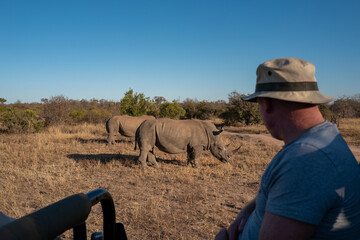
Najin and Fatu move within a section of the conservancy under constant armed protection. Rangers stay with them through the day and night, tracking their movements and monitoring their condition. Scheduled viewing allows visitors to observe them at a managed distance. The encounter does not feel like a typical game drive moment. It is quieter, more deliberate, and tends to settle differently in the memory than almost anything else on a Kenya itinerary.
Black Rhino Recovery: A Genuine Conservation Milestone
Ol Pejeta holds the largest black rhino population in East Africa, with more than 100 individuals living within the conservancy’s boundaries. This is a meaningful figure. Poaching reduced black rhino numbers across the continent severely during the latter decades of the twentieth century, and what exists at Ol Pejeta today is the product of sustained effort over several generations of rangers, researchers, and managers.
Anti-poaching operations at Ol Pejeta are multi-layered, combining armed ranger patrols, aerial surveillance, radio tracking, and community intelligence networks. Breeding results have built the population steadily rather than dramatically, which conservationists regard as a healthier trajectory than rapid numerical gains under inadequate protection.
Rhino tracking on foot, guided by a trained ranger, is one of the conservancy’s most sought-after activities. The terrain is uneven and the pace unhurried. The distance a tracker covers is determined by the animals rather than a schedule. The reward is a level of proximity that vehicle-based game drives rarely produce.
Chimpanzee Sanctuary: East Africa’s Primate Rescue Programme
Chimpanzees are not native to Kenya. The individuals at Ol Pejeta Conservancy arrived as confiscations from illegal wildlife trafficking operations across central and West Africa. The sanctuary that houses them is one of very few primate rescue facilities in East Africa, and it operates under welfare standards developed in partnership with international conservation organisations.
Guided tours move through the sanctuary habitat and introduce visitors to individual chimpanzees, their histories, and the circumstances of their rescue. Observation takes place through a mesh enclosure that allows clear viewing without any physical contact. Sanctuary staff explain both the trafficking problem that brought these animals here and the long-term challenges of rehabilitation for primates that have spent time in human captivity.
For visitors travelling with children or with a particular interest in primate behaviour, the sanctuary adds a dimension to Ol Pejeta that the wider conservancy wildlife cannot replicate.
Big Five and the Broader Wildlife Community
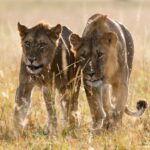
All five members of the Big Five are present at Ol Pejeta. Lions live in resident groups across the conservancy and are tracked by the research team using radio collars. The lion tracking programme opens that data to visitors: a morning session with a ranger follows collared individuals and covers pride structure, territorial behaviour, and current population dynamics. It is a more instructive experience than spotting lions at rest beside a road.
Leopards occupy the rocky outcrops and wooded drainage lines. They are resident but sightings are not routine, which places them in line with the species’ character across its range. Elephants frequent the Ewaso Nyiro River corridor and are reliably visible during the dry season. Buffalo graze across the open grassland sections in substantial numbers.
Grevy’s zebra, Jackson’s hartebeest, eland, waterbuck, and reticulated giraffe fill out the wider mammal community. The conservancy’s bird list exceeds 400 species, covering a range from large raptors to the small sunbirds and waxbills active in the riverine vegetation.
Activities Inside the Conservancy
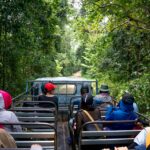
Game drives, day and night, are the core activity. Night drives create access to nocturnal animals that daytime hours rarely produce: caracal, serval, genet, aardvark, and the various civets and mongoose species that the conservancy supports. Night drives use conservancy vehicles with a ranger and spotlight.
Guided walks cover the landscape at a pace that reveals what vehicle travel moves past too quickly. A walk-based session includes animal tracking, plant identification, and an introduction to the ecology of the acacia savannah that goes well beyond what a briefing note can convey.
Cycling is available on designated tracks through sections of the conservancy with lower predator density. A guide accompanies every group. It is an unusual option for a Kenyan wildlife area and suits visitors who want physical engagement with the land rather than a vehicle window between themselves and the environment. A separate Rhino Monitoring and Identification session lets visitors join the ranger team directly rather than just observe from a vehicle: guests learn to identify individual rhinos by their unique ear-notch codes, help record body condition and behaviour, and see firsthand how the daily tracking data that keeps the population secure actually gets collected. It runs as a bookable add-on with limited daily slots, so reserving ahead is worthwhile.
A practical two-day structure combines lion tracking, rhino tracking on foot, the chimpanzee sanctuary, and a night drive without compressing any single activity.
Getting There: Access from Nairobi and Nanyuki
The main gate sits approximately 15 kilometres from Nanyuki. From Nairobi, the drive north on the A2 highway runs roughly three to four hours, depending on traffic out of the city. The road is sealed for the full distance.
Nanyuki Airport receives scheduled flights from Wilson Airport in Nairobi, with a flight time of around 45 minutes. This routing suits travellers combining Ol Pejeta with other northern Kenya destinations such as Samburu National Reserve or Lewa Wildlife Conservancy, both within an hour by air.
The conservancy’s central position on the Laikipia Plateau makes it a logical first or last stop on a longer northern Kenya circuit, or a standalone trip from Nairobi for visitors with limited time.
Where to Stay
Accommodation ranges from equipped camping sites with shared facilities through mid-range tented camps to Sweetwaters Serena Camp, the conservancy’s established lodge on the bank of the Ewaso Nyiro River. The range covers a wide spread of budgets and travel styles.
Day visits are possible from Nanyuki, but staying inside the conservancy is the practical choice. Early morning drives, night game drives, and the lion tracking programme are not available to day visitors. The timing structure of the conservancy’s activities rewards guests who are already on-site before sunrise.
Best Time to Visit
Ol Pejeta produces good wildlife viewing throughout the year. The dry seasons, roughly June through October and January through February, concentrate animals around permanent water sources, thin the vegetation enough to improve sightlines, and offer stable photographic conditions.
The wet seasons from March through May and November through December bring lush, green landscapes, active birdlife including migratory arrivals, and quieter conservancy conditions with lower visitor numbers. Young animals appear across multiple species during the wetter months, and the March to May period in particular tends to show the highest concentration of newborns.
Explorer Notes
- Northern white rhino viewing is scheduled and requires prior coordination with the conservancy. Confirm availability before travel.
- Rhino tracking on foot is physically moderate. Wear closed shoes and expect rough terrain underfoot.
- The chimpanzee sanctuary carries its own entry fee and operates on a fixed daily schedule. Check current opening times when booking accommodation.
- Night drives require a conservancy vehicle and ranger. Confirm availability at check-in and do not assume it is included automatically.
- Cycling on the designated tracks is not available to all visitor categories. Verify the current activity list at the gate on arrival.
- Gate times are strictly enforced. Night game drives operate under specific terms separate from standard daytime driving hours.
A Place With Genuine Stakes
Ol Pejeta Conservancy is worth a visit on the strength of its wildlife alone. The fact that the wildlife is there because of deliberate, ongoing human effort gives time spent inside the conservancy a different texture than a standard park visit.
Standing near a black rhino that owes its presence to decades of protection work, or learning that Najin and Fatu may be the last northern white rhinos most people will ever see, changes how a visitor pays attention. The conservancy does not ask for a particular response to any of this. It simply makes the situation clear and lets the landscape do the rest.
Turn this reading into a real itinerary with help from a Kenya-based safari team.
Start Planning Your SafariFurther reading
More safari planning resources
- Ol Pejeta and Sweetwaters safari package from Valley Safaris
- Big Five safari collection on FindMySafari
- Nairobi to Maasai Mara route guide from Valley Safaris
- Best time to visit Kenya month-by-month map from Valley Safaris