
Kenya’s Great Rift Valley contains dozens of lakes, but two draw the most consistent attention from travelers: Lake Nakuru and Lake Naivasha. Placed within an hour of each other and both reachable from Nairobi in a half-day drive, they could hardly be more different in character. One is alkaline, fenced, and famous for flamingos and rhinos. The other is freshwater, open, and best explored by boat or on foot.
The comparison between Lake Nakuru vs Lake Naivasha comes down to what kind of experience you’re after. This guide covers the specifics of each lake so you can plan with clear expectations.
Lake Nakuru: Flamingos, Rhinos, and an Alkaline Spectacle
The Flamingo Phenomenon
Lake Nakuru sits in a shallow volcanic depression and its highly alkaline water supports dense blooms of blue-green algae, the primary food source for lesser flamingos. At peak numbers, more than a million birds crowd the shoreline, turning the water’s edge a vivid pink. Concentrations are most reliable between July and October during the dry season, but some flamingo presence is typical year-round.
Greater flamingos also live here in smaller numbers. The alkalinity that drives flamingo numbers limits the fish population, making Nakuru fundamentally a bird-and-mammal ecosystem rather than the fish-and-crocodile mix you’d find on a freshwater lake.
Rhino Sanctuary
Lake Nakuru National Park functions as a fenced rhino sanctuary, one of the more successful in East Africa. Both black and white rhinos live here under active protection. Black rhinos are critically endangered, with fewer than 6,000 individuals remaining globally. They prefer dense thicket and are the harder of the two species to spot. White rhinos are larger grazers, sometimes exceeding 2,300 kg, and tend to use open grassland where sightings are more reliable.
The enclosed perimeter keeps out both predators and poachers, which has allowed the population to grow steadily since protection began. For travelers who put rhino sightings high on their list, Nakuru offers better odds than most open-range parks.
Birds and Broader Wildlife
Beyond flamingos, Nakuru holds over 450 recorded bird species. White pelicans and pink-backed pelicans fish the shallows. African fish eagles, cormorants, marabou storks, secretary birds, and kingfishers occupy distinct niches across the park’s varied habitats: open lake, grassland, acacia woodland, and rocky escarpment.
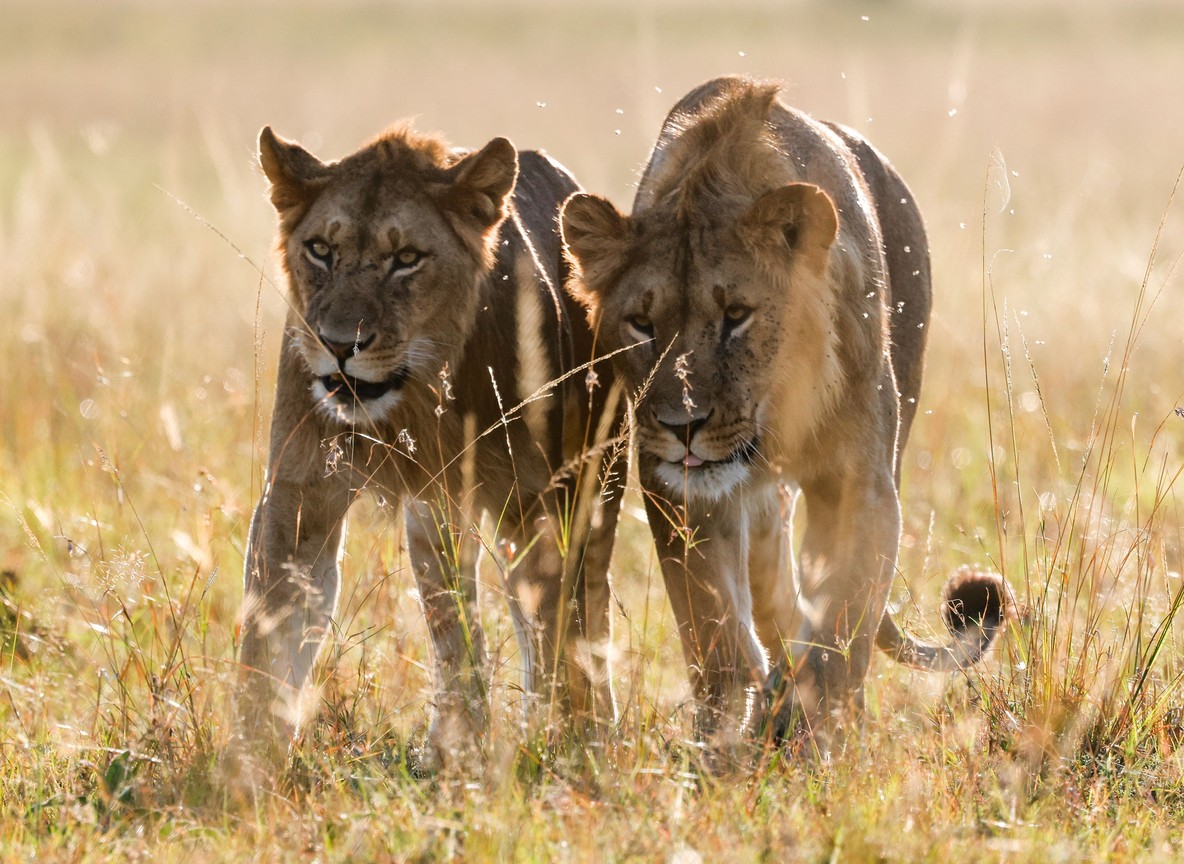
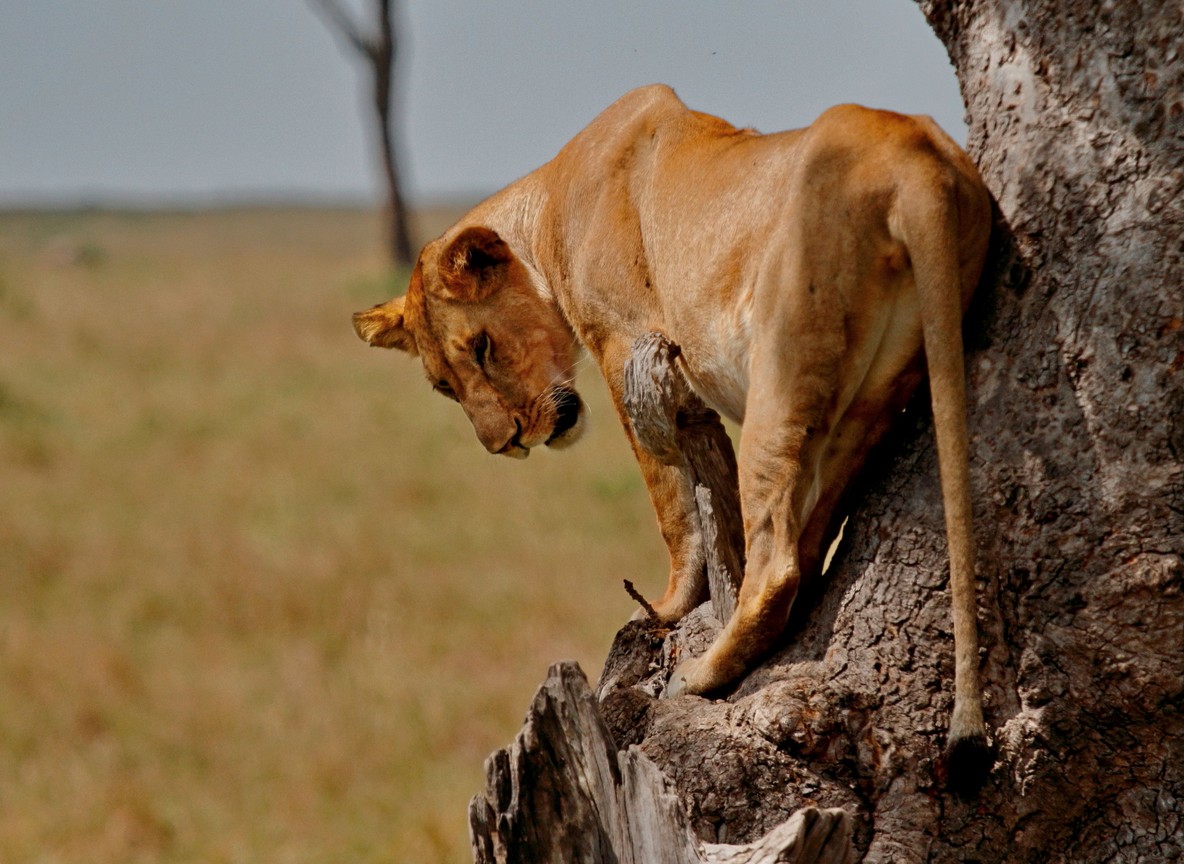
Mammals are well represented. Lion prides hunt across the park’s open terrain, leopards use the acacia woodland at its edges, and large herds of buffalo and impala graze throughout. Giraffes browse the upper canopy. Hippos rest in shallower inlets during midday. The park is compact enough that a full-day game drive covers most habitat zones without feeling rushed.
Landscape and Logistics
The crater rim above the lake offers a wide panoramic view of the water and surrounding forest, one of the better photography vantage points in Central Kenya. The acacia forests fringing the lake add habitat contrast and visual interest beyond the waterline.
Kenya Wildlife Service park entry fees change periodically, so confirm current rates on the KWS website before budgeting. Day-trip pricing from Nairobi, covering vehicle, guide, and gate fees, typically falls in the $450-$650 per person range through organized operators. The drive takes approximately 1.5 hours under normal road conditions.
Lake Naivasha: Boat Safaris, Walking Wildlife, and Adventure Country
A Freshwater Lake With a Different Rhythm
Where Nakuru is contained and alkaline, Naivasha is open and fresh. The lake sits at around 1,890 metres above sea level and supports a genuinely different ecological community: papyrus beds, large hippo pods, African fish eagles, and a productive fishery. Farms, flower plantations, and conservancies border its shores, giving the area a less park-like atmosphere than Nakuru but a wider range of activity options.
Boat Safaris
The standard first activity at Naivasha is a motorized boat ride. Guides navigate around hippo pods, which are large here and can number 50 or more animals, while maintaining safe distances. Crocodiles sun themselves on low banks. African fish eagles hunt overhead. The boat perspective gives eye-level views of wildlife that a vehicle cannot replicate, and the lake is calm enough that the ride itself is unhurried.
Early morning is the most productive time. Hippos are still active in the shallows before retreating to deeper water, bird activity is highest, and the light for photography is at its best.
Crescent Island Walking Safari
Crescent Island, a private sanctuary on the northeastern arm of the lake, is Naivasha’s most distinctive offering. Because large predators are absent, visitors can walk freely among the wildlife. Zebras, impalas, giraffes, wildebeest, and waterbuck move around you at close range. The animals are well habituated to people on foot, which allows for unhurried photography and observation at distances rarely possible in a vehicle.
The island sits slightly elevated, giving clear views across the lake in multiple directions. Visits typically run 1.5 to 2 hours and are guided. It functions as a genuine walking safari in a context accessible to most travelers, including families with older children.
Hell’s Gate National Park
Hell’s Gate sits a few kilometres south of Naivasha and pairs naturally with a lake day. The park occupies a dramatic gorge landscape: red basalt cliffs, a narrow canyon carved by ancient water action, geothermal steam vents, and open savanna. Visitors can hike or cycle through the park without requiring a vehicle, which makes it unusual among Kenya’s protected areas.
The hiking circuit through Fischer’s Tower and the main gorge takes around two to three hours on foot. Cyclists can rent bikes at the gate and cover more ground. Wildlife here moves freely alongside walkers, since the park’s enclosed character removes predator pressure. The gorge itself is a narrow slot canyon with vertical walls and photographs very differently from anything else in the Central Kenya circuit.
Hot air balloon rides launch from the area as well, though they require advance booking.
Wildlife and Ecology
Naivasha’s birdlife centers on waterbirds and raptors rather than flamingos. African fish eagles are the signature species, frequently heard and reliably spotted. Great white pelicans, various herons, kingfishers, cormorants, and seasonal migrants add to the tally. The papyrus fringe holds species absent at Nakuru, which makes a combined visit useful for birders wanting the widest spread.
Day-trip pricing from Nairobi sits in the $400-$600 per person range. The drive takes around 2 hours. Accommodation options at Naivasha span from basic guesthouses to upmarket lakeside camps.
Lake Nakuru vs Lake Naivasha: Side-by-Side
| Factor | Lake Nakuru | Lake Naivasha |
|---|---|---|
| Water type | Alkaline | Freshwater |
| Signature wildlife | Flamingos, rhinos | Hippos, fish eagles |
| Bird count | 450+ species | Fewer species, different mix |
| Park type | Fenced national park | Open lake and conservancies |
| Key activities | Game drives | Boat safari, walking, cycling |
| Hell’s Gate access | No | Yes, nearby |
| Drive from Nairobi | ~1.5 hours | ~2 hours |
| Day-trip cost (approx.) | $450-$650 per person | $400-$600 per person |
| Best suited to | Photographers, birders, rhino seekers | Families, walkers, adventure travelers |
Combining Both Lakes
The two lakes are close enough to cover in a single multi-day trip, and the experiences complement each other rather than overlap. A 3-day itinerary splitting time between them is the most common structure: one full day at Nakuru for game drives and flamingo viewing, one day at Naivasha for the boat safari and Crescent Island walk, and a half-day at Hell’s Gate or a return morning at whichever lake left unfinished business.
A 4-day version allows more time at each and includes a proper Hell’s Gate hike without rushing. Travelers extending their itineraries further often continue westward to the Masai Mara, which routes logically from Naivasha, or head south to Amboseli.
The practical argument for combining both is straightforward. Once transport is arranged, the cost difference between visiting one lake versus two is modest. The experiences do not duplicate each other. And the contrast between an alkaline fenced park and a freshwater open lake gives travelers a more complete picture of the Rift Valley’s ecological range.
Popular itinerary structures:
- 2 days: Lake Nakuru only, full focus on rhinos and flamingos
- 3 days: Lake Nakuru and Lake Naivasha with Crescent Island
- 4 days: Lake Nakuru, Lake Naivasha, and Hell’s Gate gorge hike
- 5 days: Add Masai Mara as a westward extension from Naivasha
Explorer Notes
Flamingo numbers are not guaranteed. The pink spectacle depends on algae cycles and water levels, both of which shift with rainfall and season. July through October gives the best odds at Nakuru, but even in peak season the birds may concentrate in a different part of the lake than expected. The spectacle is real, but it is a natural phenomenon, not a scheduled performance.
Nakuru park fees change. Kenya Wildlife Service revises non-resident entry fees periodically. Check current published rates on the KWS website before finalizing your budget rather than relying on figures from tour operator brochures.
Naivasha boat safety varies by operator. Life vests, boat condition, and guide judgment differ between providers. Hippos are responsible for a significant number of fatalities in Africa each year, and the risk increases sharply with careless boat positioning. Ask specifically about safety equipment and approach protocols when booking.
Crescent Island has a separate entry fee. It is privately managed and not covered by any national park fee. Confirm current pricing when booking, as it is adjusted independently.
Hell’s Gate gorge can flood during heavy rain. The slot canyon becomes impassable and occasionally dangerous when water rushes through it. If you are visiting during the long rains (March to May), check conditions locally before committing to the gorge hike.
Naivasha fills on Nairobi weekends. The lake is a popular short-break destination from the capital. Friday and Saturday nights book up quickly, particularly at mid-range and upmarket properties. Plan accommodation in advance if your visit overlaps a weekend.
Conclusion
Lake Nakuru and Lake Naivasha offer genuinely different experiences within the same Rift Valley corridor. Nakuru rewards travelers who want concentrated wildlife in a compact, fenced park with reliable rhino and flamingo sightings. Naivasha suits those who want variety: water, walking, geology, and more room to set their own pace. Neither is objectively the better destination. The right choice depends on what you want to do while you’re there.
If time allows, combining both lakes into a single trip removes the need to choose and gives a more complete picture of what the Central Kenya lakes circuit has to offer.
For current park fees and entry conditions, check the Kenya Wildlife Service official website before finalizing your plans.
Every trip described here can be tailored: dates, budget, camps, and pace built around you.
Get a Personalised Safari


[…] Lake Nakuru: […]