Africa has thousands of safari camps. Very few of them sit inside one of the continent’s most intensively studied lion habitats. Porini camps in the Masai Mara are positioned inside Ol Kinyei Conservancy and Olare Motorogi Conservancy: community-owned wildlife areas that border the main Masai Mara National Reserve and hold wildlife that most reserve lodges can only offer at much higher vehicle density.
This guide covers what the Porini conservancy model delivers in practice, what each camp location offers, what to expect during a stay, and the logistical information travelers need to plan a trip.
What Porini Camps Are and Where They Sit
“Porini” means “in the wild” in Swahili. The name describes the operational premise accurately. Porini camps are run under Gamewatchers Safaris, one of Kenya’s longest-established conservation-focused operators. Each camp sits inside a private conservancy on community land leased from Maasai landowners, adjacent to the national reserve but governed by different rules.
There are two primary Porini camp locations in the Mara ecosystem:
| Camp | Conservancy | Conservancy Area | Maximum Guests |
|---|---|---|---|
| Porini Lion Camp | Olare Motorogi Conservancy | 33,000 acres | 12 |
| Porini Mara Camp | Ol Kinyei Conservancy | 10,000 acres | 16 |
Olare Motorogi Conservancy borders the northern section of the Masai Mara National Reserve and connects directly to the Mara Triangle. It has been documented as one of Africa’s highest lion-density areas. Vehicle access is strictly controlled: only permit-holding camps may drive here, and each camp is limited in the number of vehicles it can deploy per sighting.
Ol Kinyei Conservancy sits to the east of the main reserve. It is smaller and quieter. Wildlife includes the full range of Mara big cats, large elephant herds, and some of the most consistently productive leopard corridors in the ecosystem. Night drives, which are prohibited inside the national reserve, are permitted in Ol Kinyei year-round.
The Conservation Architecture Behind the Camps
Porini camps operate on a community-ownership model that is more structurally documented than most safari operators’ conservation claims. Every lease payment goes directly to the Maasai landowner families who control the conservancy land. Every staff member is recruited from surrounding villages. The financial mechanism is straightforward: a family that earns more income from a living lion through tourism than from alternative land use has an economic incentive to protect that lion.
The Olare Motorogi Lion Research Programme works with conservancy rangers and international researchers to track resident prides across both conservancies. The African Wildlife Foundation recognizes the Mara conservancy network as one of Africa’s most effective community-based lion conservation models.
Key conservation metrics relevant to travelers who want to understand the structure:
- Over 90 Maasai landowner families receive direct lease income from Olare Motorogi alone
- Anti-poaching patrols operate 24 hours within conservancy boundaries
- Vehicle limits at sightings: typically no more than three vehicles per sighting inside the conservancy, compared to 20 or more at popular main reserve crossings during peak season
- Night drives are available from both camps and represent the only legal way to observe Masai Mara predator behavior after dark
What the Wildlife Experience Looks Like
Morning at a Porini camp starts before 6:00 a.m. The guide drives directly from camp into open conservancy terrain without gate queuing or other vehicles pulling up at a sighting at the same time. This is the practical definition of a low-impact safari: fewer people, more space, animals that behave more naturally because vehicle pressure is lower.
What Three Days at Porini Lion Camp Typically Delivers
Lion: Multiple daily sightings are the norm in Olare Motorogi. The conservancy’s resident prides are among the most studied and individually identified in Kenya. Seeing them at kills, with cubs, and during territorial behavior at distances that would be impossible in crowded reserve areas is the camp’s central offering.
Leopard: Ol Kinyei’s riverine thickets along drainage systems are one of the Mara ecosystem’s most reliable leopard habitats. Night drives increase sighting probability substantially, since leopard are primarily nocturnal hunters.
Elephant: Both conservancies have large matriarchal herds that move freely between the conservancy and the national reserve. During August through October, herds concentrate near water sources in Olare Motorogi as the dry season progresses.
Great Migration: From July through October, wildebeest and zebra columns that funnel through Olare Motorogi on their way to the Mara River crossings can be watched without the vehicle congestion of the main reserve crossing points. Guests can position vehicles and wait for the moment without competing for space.
Cheetah: Olare Motorogi’s open grassland sections suit cheetah hunting territories. Lower vehicle traffic reduces the disturbance that causes cheetah at crowded reserve locations to abandon kills and move away from vehicles.
Night drives: Available from both camps year-round. Aardvark, genet, civet, porcupine, and spring hare appear regularly. Lion hunts that begin at dusk can be followed through to completion, which is simply not possible inside the national reserve.
Camp Life: What to Expect
Both camps are small by design and that is not a compromise. It is the central feature. Porini Lion Camp holds a maximum of 12 guests. Porini Mara Camp holds 16. The small guest count means a high guide-to-guest ratio and a camp footprint that sits lightly on the conservancy land.
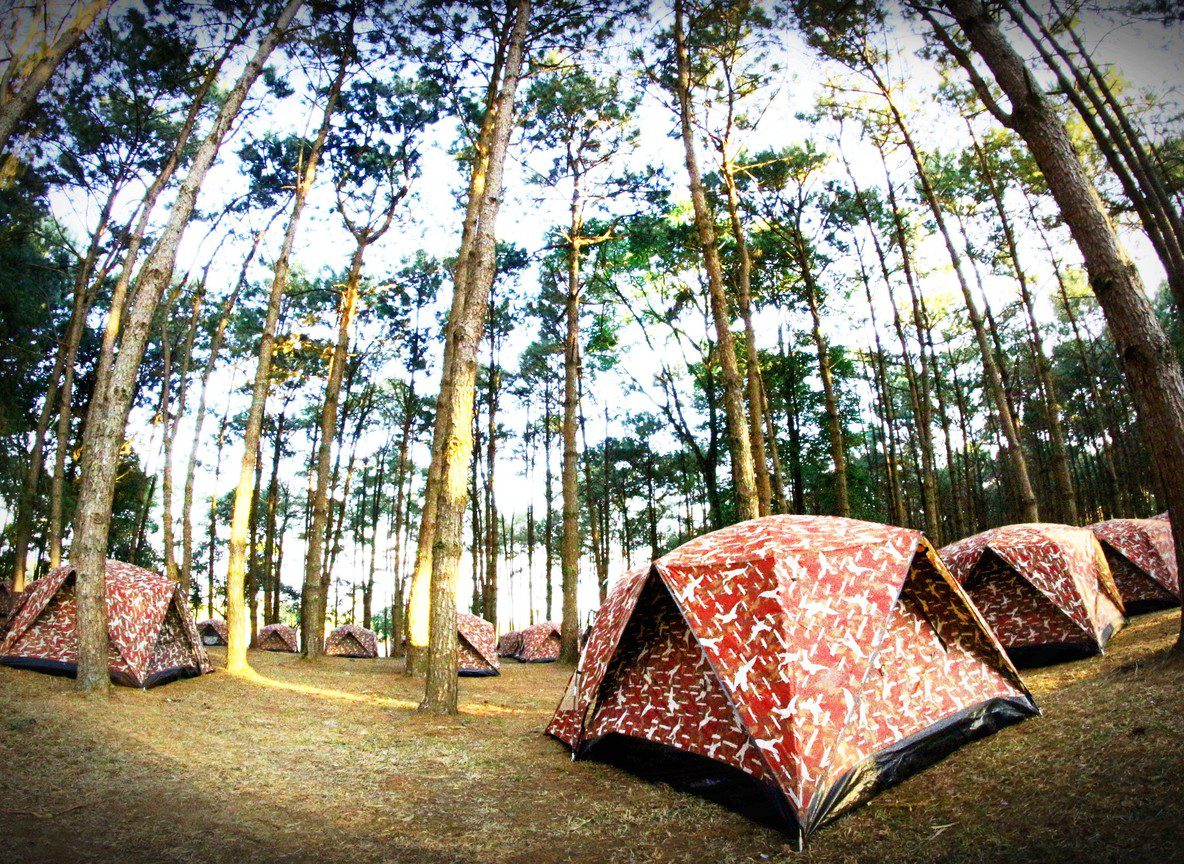
Accommodation is canvas tented. Each tent has a proper bed, an en-suite bathroom with running hot water and a flush toilet. The camps are solar-powered. Tents face the bush. There are no swimming pools, spa facilities, or WiFi in guest tents. This is a deliberate design choice, not a facility gap. The infrastructure sends a clear signal about what the camp is built for.
Meals are prepared from seasonal produce sourced locally where possible. Bush breakfasts after morning drives and evening bush dinners under open sky are standard offerings at both properties.
What you will not find:
- Generators running past 9:00 p.m.
- Other camp buildings visible from your tent
- Vehicle queues at sightings
- Physical barriers between camp and the surrounding bush
What you will find:
- A resident naturalist guide with conservancy-specific tracking knowledge built over seasons
- Community cultural visits to Maasai villages within the lease area
- Guided walks along the conservancy boundary with a Maasai elder
- Access to researcher briefings if a lion monitoring session is underway during your stay
Best Times to Visit Porini Camps
Porini camps are worth visiting at any time of year. The two peak windows for specific experiences are:
July to October (dry season, Great Migration): Wildebeest and zebra move into the conservancies from Tanzania. Olare Motorogi receives migration columns directly and the Mara River crossings are reachable within 20 minutes of camp. Grass is short, visibility is maximum, and predator activity peaks. This window books out six to twelve months ahead.
November to February (green season): The short rains end in November and the landscape turns deep green. Calving season for resident wildebeest begins in January. Predator activity is high because there are vulnerable animals on the ground. Visitor numbers drop, prices soften, and the photographic light improves: storm light, green horizons, and long golden hours.
March to May (long rains): Some conservancy tracks become challenging after heavy rain. Wildlife density stays high but sightings require more patience in tall grass. Low visitor numbers mean even more exclusive game-drive conditions. Over 570 bird species are recorded across the Mara ecosystem and migratory arrivals peak in this window.
Getting to Porini Camps
Both camps are accessible by road or by fly-in from Nairobi.
By air: Fly from Wilson Airport in Nairobi to Kichwa Tembo or Olare Orok airstrips (approximately 45 minutes). Safarilink and AirKenya operate scheduled services. Camp transfers from the airstrip take 15 to 30 minutes and the drive through the conservancy on arrival is already a game-drive experience.
By road: Nairobi to the Mara conservancies is approximately five to six hours via the A104 and through Narok. Road transfers provide context on the Kenya landscape and lower the total trip cost. For stays of four nights or less, the flight option preserves more wildlife time.
The conservancy camp transfer from the airstrip serves as an immediate introduction to the terrain. Do not sleep through it.
What Porini Camps Cost
Porini camps are conservancy all-inclusive properties. Rates vary by season and camp. As a general reference:
- All-inclusive rates typically fall in the range of $450 to $700 per person per night
- This covers accommodation, all meals, game drives, conservancy fees, and guide services
- Park fees for time spent inside the national reserve are usually additional or included depending on the specific package
- Domestic flights, bar items, tips, and specialist activities are billed separately
The all-inclusive structure makes total cost easier to calculate than itemized packages. Request a full cost breakdown including conservancy fees and any park access charges before comparing Porini rates with other Mara accommodation.
Frequently Asked Questions
What separates Porini camps from other Masai Mara lodges? The conservancy model: small camps, strict vehicle limits at sightings, night drive access, and a direct financial link between your booking and the Maasai families who own the land. Most reserve lodges cannot match any of these four points simultaneously.
Are Porini camps suitable for solo travelers? Yes. The small camp sizes mean solo travelers share the space with at most 11 or 15 other guests. Solo wildlife photographers and researchers are a regular guest profile at both properties. Ask about single-supplement options when inquiring.
Can Porini camps be combined with other Kenya destinations? This is the recommended approach for a complete Kenya wildlife trip. Seven to ten day itineraries pairing Porini Lion Camp with Samburu National Reserve or Laikipia conservancies give travelers access to Kenya’s distinct wildlife ecosystems in a single trip.
Are night drives included in the package rate? Night drives are available at both camps. Whether they are included in the standard package or charged separately depends on the specific booking. Confirm this when requesting a quote.
Planning Your Visit
Olare Motorogi and Ol Kinyei conservancies book out quickly, particularly for July through October. The camps are small by design and specific dates close once the guest count fills. For 2026 and 2027 travel in peak season, planning six to twelve months in advance is not excessive.
For current availability and package costs, direct inquiry through a Kenya-based specialist is the most accurate route. A local operator with a direct relationship with Gamewatchers Safaris can confirm real-time availability, advise on which camp suits your specific dates and wildlife priorities, and build the camp into a wider Kenya itinerary if needed.
The Trunktrails Safaris Masai Mara guide provides additional context on how the conservancy zone fits into the broader Mara ecosystem planning.
Conclusion
Porini camps are a specific type of Masai Mara experience: small, community-owned, conservation-structured, and positioned in terrain that delivers wildlife quality that the main reserve cannot match on vehicle density or night-drive access. The camps are not for every traveler. Guests who need resort infrastructure, large pool decks, or a busy social camp atmosphere will find Porini’s stripped-down design alienating rather than appealing.
For wildlife-focused travelers who want to understand an ecosystem rather than tick sightings, who care whether their booking has a documented conservation outcome, and who want to see the Mara as something more than a theme park, Porini camps are a considered choice.
Related Reading
- Ol Kinyei Conservancy: What the Eastern Mara Offers
- Olare Motorogi Conservancy: Wildlife, Access, and Camp Options
- Maasai Mara National Reserve Guide
- Reserve vs. Conservancy in the Masai Mara: A Practical Guide
- Kenya Safari Planning: Budget, Mid-Range, and Luxury Options
Every trip described here can be tailored: dates, budget, camps, and pace built around you.
Get a Personalised Safari