Ol Seki Mara Camp sits in the Eastern Koiyaki area, southeast of the Masai Mara Game Reserve. For travelers weighing accommodation options across the wider Mara ecosystem, its position outside the busy national reserve boundary is a meaningful starting point for understanding what kind of experience it offers.
This guide covers where the camp sits on the map, what the setting is like, what kinds of wildlife activity guests can expect nearby, and what practical details are worth clarifying before arrival. The goal is to give you enough grounded information to decide whether Ol Seki Mara Camp fits your travel style, budget, and wildlife priorities.
Location and Setting
Eastern Koiyaki is a community conservancy area bordering the southeastern edge of the Masai Mara National Reserve. Ol Seki Mara Camp operates within this conservancy zone, which means guests are subject to conservancy rules rather than national reserve rules. That distinction has practical implications: conservancy areas typically permit off-road driving, night drives, and walking safaris, none of which are allowed inside the national reserve itself.
The landscape here is open savanna that changes with the seasons. During the dry months, grass shortens and wildlife concentrates around remaining water sources. During the green season, the plains fill out and bird activity increases considerably. Eastern Koiyaki shares an unfenced boundary with the reserve, so wildlife moves freely between the two areas.
Proximity to the reserve’s main game circuits is worth considering when planning daily drives. Guests staying in Eastern Koiyaki can access the national reserve, though entry fees apply separately. Work through the daily routing with your guide before arrival so expectations around drive times are clear.
For a broader look at how Maasai Mara’s conservancies differ from one another, the Olare Motorogi vs Naboisho vs Mara North guide walks through the major differences in location, bed limits, and wildlife strengths across the three major conservancy options.
Accommodation and Camp Features
Ol Seki Mara Camp is a tented camp, meaning accommodation sits within permanent or semi-permanent canvas structures rather than solid-walled rooms. Tented camps in this category typically offer en-suite bathrooms, hot-water showers, and beds with proper mattresses and linens. The experience is designed to feel connected to the bush while maintaining the basic comforts most travelers expect at this price tier.
Meals at camps like Ol Seki follow the rhythm of game drives. Breakfast goes out early so guests can leave before first light. Lunch is sometimes taken back at camp, or a packed bush lunch is arranged if the morning drive extends through midday. Dinner is typically a communal affair served after the evening drive, often around an open fire.
Before confirming a booking, it is worth asking about the specific tent configuration, particularly if you are traveling as a family or require a certain bed type. Also confirm the power availability and charging arrangements. Remote camps often run on generator schedules or solar power, which limits when devices can be charged.
Camp size matters too. Smaller tented camps typically field fewer vehicles, which is a genuine advantage on morning drives when positioning for wildlife sightings without vehicle congestion.
For context on how Ol Seki Mara Camp compares with other Maasai Mara accommodation options across price tiers, the Trunktrails Safaris Maasai Mara camp comparison covers the wider landscape in useful detail.
Wildlife and Game Drive Context
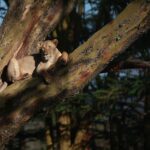
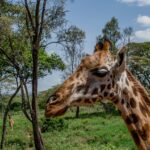
Eastern Koiyaki’s wildlife reflects its position at the edge of the main reserve. The area holds resident populations of lion, leopard, cheetah, elephant, buffalo, and plains game year-round. Because conservancy areas carry fewer vehicles and permit off-road driving, sightings tend to feel less crowded than equivalent encounters inside the national reserve.
During the wildebeest migration season, which peaks between July and October, herds move through the Mara ecosystem and can pass through Eastern Koiyaki on their routes. The density of migrating animals in this specific area varies year to year based on grass conditions and crossing activity at the Mara River. If witnessing a river crossing is a primary goal, camps closer to the Mara River corridor, such as those in Mara North Conservancy, tend to hold a positional advantage during peak crossing months.
Outside migration season, the resident wildlife in Eastern Koiyaki still offers strong game viewing. The green season, roughly November through May, is often underestimated by first-time visitors but carries its own rewards: fewer tourists, lower rates at many camps, and excellent birding conditions.
Guides at conservancy camps are generally more flexible with timing and routing than guides operating inside the reserve under fixed rules. That flexibility, combined with off-road permission, means a good guide can follow a leopard into a thicket or stay with a cheetah hunt across the open plains without the constraints that apply inside the national reserve.
Explorer Notes: Practical Planning
Getting there: Eastern Koiyaki is reachable by road from Nairobi (roughly 5 to 6 hours depending on conditions) or by small charter flight into one of the Mara airstrips. Flights add 45 to 60 minutes of flying time but save a full driving day. If you are combining Ol Seki Mara Camp with another Mara property, ask about camp transfers in advance since airstrip access varies by location.
Best time to visit: For wildebeest migration activity, target July through October. For leopard and lion sightings with fewer tourists, the shoulder months of November and April can be excellent. The heaviest rains fall in April and November, when some camps offer reduced rates. January through March is dry and warm with strong predator activity.
How many nights: Most travelers get the best value from three to four nights at a single Mara property. Two nights is workable but leaves little room for morning and afternoon drives plus any walking or night drive options. Four nights gives time to settle into the safari rhythm and explore longer drive routes.
Packing basics: Lightweight, neutral-colored clothing in beige and khaki tones is standard for the bush. Layering is important since mornings in open game vehicles can be genuinely cold year-round. A good headlamp, quality binoculars, and a dust-protected camera bag consistently improve drive quality.
Combining with other parks: Eastern Koiyaki works well as part of a longer Kenya itinerary. Nairobi National Park is an accessible option either side of your Mara stay. Amboseli, with its famous elephant herds and Kilimanjaro backdrop, pairs naturally with a Mara camp as a two-park combination. The Amboseli safari guide on Tourinsights covers that side of the planning in detail.
Who This Camp Suits Best
Ol Seki Mara Camp suits travelers who want conservancy-style game viewing: fewer vehicles in the field, off-road driving flexibility, and a setting quieter than the national reserve. If you are primarily chasing wildebeest crossing action at the Mara River, a camp in Mara North or with closer river access may be the stronger fit. If you want leopard and lion sightings with privacy and routing flexibility, Eastern Koiyaki’s conservancy model delivers well on those priorities.
When comparing camps across the Mara ecosystem, it helps to think through the whole safari equation: your wildlife priorities, the number of nights you have, your tolerance for transfer time, and whether conservancy rules like off-road driving and night drives matter to you. Camps that score well on one factor sometimes trade off on another, so clarity on what you actually want before shortlisting properties saves time and avoids mismatched expectations on arrival.
If this guide has you ready to travel, a safari specialist can handle the route, camps, and logistics end to end.
Want to Book a Tour With Us?