

June is the month Kenya’s safari landscape shifts into a different gear. The long rains ease, skies clear across the northern parks, and the grass in the Mara flattens as the dry season takes hold. South of the Tanzania border, over a million wildebeest have begun moving north. They will not reach the Mara River in force until July at the earliest, but their approach already changes the dynamic in the southern Mara Triangle. Meanwhile, every other major park in Kenya is at or near peak wildlife conditions at exactly the same time.
A Kenya safari in June 2026 sits in a genuine sweet spot: outstanding wildlife across all destinations, one to two months ahead of peak-season pricing, and without the vehicle congestion that defines July and August in the Masai Mara. For travelers who want the full Kenya wildlife experience without paying July prices for it, June is difficult to beat.
This guide covers what to expect in each major park during June, a side-by-side comparison to help you prioritize, a sample 7-day itinerary, and practical planning notes.
Why June Consistently Ranks Among Kenya’s Best Safari Months
The best time for a safari in Kenya depends on your specific priorities, but June consistently performs well across multiple criteria that matter to most travelers.
End of the long rains. Kenya’s long rains typically run from April into May. By June, the rains have ended across all major safari parks. Dirt roads and airstrips that become marginal in April and May have dried and firmed up. Travel between camps is straightforward.
Green but manageable landscape. The vegetation in June still holds some color from the rains, producing a more photogenic landscape than the bleached-out brown of August and September. It is not the intense, saturated green of April, but the combination of green cover and increasing wildlife concentration at water sources gives June a distinctive visual quality.
Fewer vehicles. July and August are Kenya’s peak safari months. June typically sees 30 to 40 percent fewer tourists across all major parks. A lion kill on the Masai Mara in June might draw two or three vehicles. The same event in August can draw fifteen or more. The difference in experience quality is significant.
Pre-peak pricing. Most camps and lodges shift to peak season rates in July. June pricing sits at or near the shoulder rate: typically 15 to 25 percent lower for equivalent camp quality compared to July.
Wildlife concentration beginning. As water sources dry out, animals become more predictable in their movements. They concentrate around rivers and permanent waterholes, making sightings more consistent and more visible.
Migration advance scouts in the southern Mara. By mid-June, the first wildebeest have typically begun entering the Mara Triangle from Tanzania. In good rainfall years, tens of thousands of wildebeest may already be in the Mara ecosystem by late June. In some years, the first river crossings occur in the final days of June.
Masai Mara in June 2026: What to Expect
The Masai Mara is the primary destination for June travelers, and for good reason. The combination of resident predator density, opening migration activity, and pre-peak pricing makes it the strongest single value in Kenya’s safari calendar for the month.
Wildlife Conditions
Predators: Lion, cheetah, and leopard are all reliably sighted in June. Cheetah are particularly active in the Mara’s dry-season open grass, where hunt sequences are visible from long distances. The open savannah after the rains provides visibility conditions that are often better for cheetah sightings in June than in the full dry season.
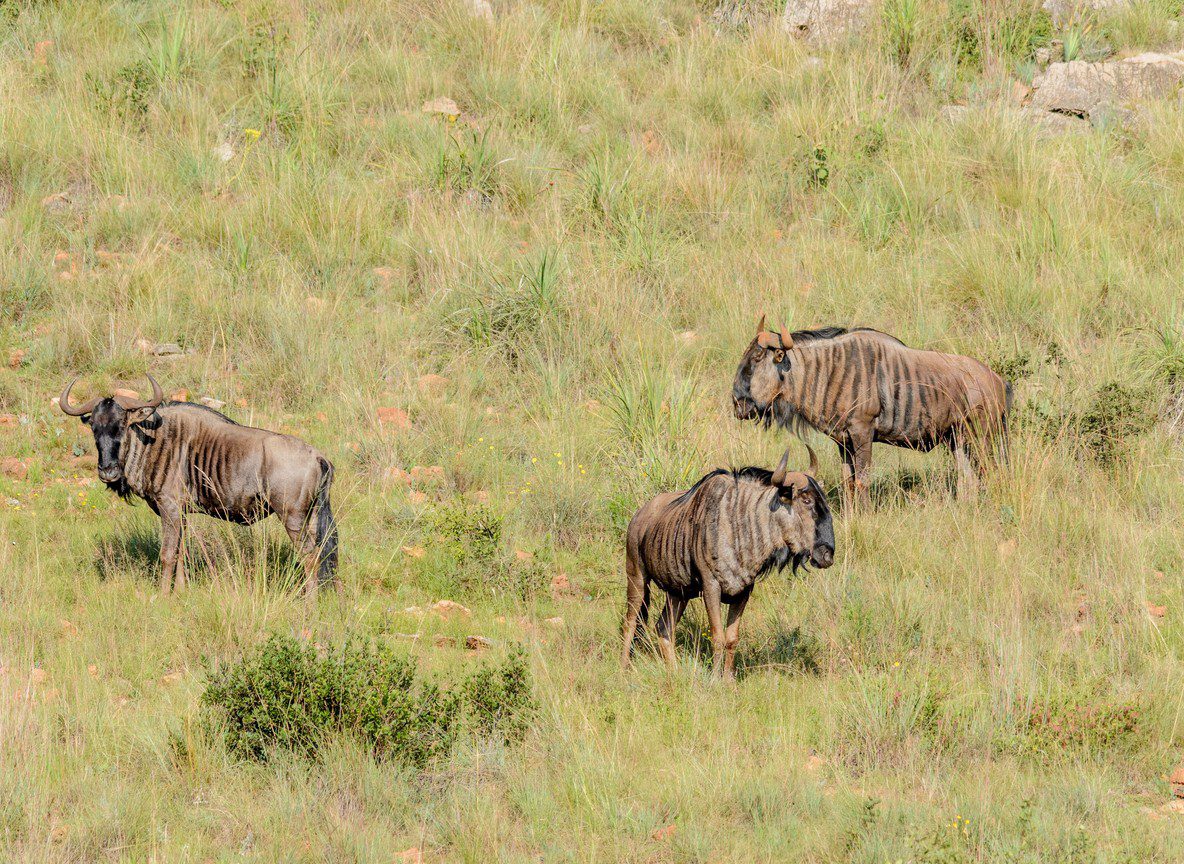
Wildebeest: The southern Mara Triangle and areas around the Sand River along the Tanzanian border often have wildebeest in significant numbers from mid-June. Full migration herds arrive in July, but the build-up is well underway in the second half of June and creates good game viewing even before the river crossings begin.
Elephants: Large breeding herds of 50 to 100 animals move through the Mara ecosystem in June as they follow receding rainfall northward. June often produces some of the best elephant sightings in the Mara.
Resident wildlife: Buffalo herds, giraffe, zebra, hyena clans, topi, and the full range of antelope species are all reliably present regardless of migration status.
Game Drive Quality in June
The main Masai Mara reserve offers excellent game drive quality in June with notably lower vehicle numbers than the July to October peak. The private conservancies bordering the reserve (Naboisho, Mara North, Ol Kinyei, Olare Motorogi) are even quieter, with night drives available and vehicle numbers controlled by conservancy regulation. For the best combination of wildlife quality and pricing in the Mara ecosystem, late June represents a consistent sweet spot.
Amboseli in June 2026
Amboseli enters its dry season in June, and it is one of the better months for the park. The seasonal swamps around Ol Tukai begin to contract as surrounding ground water decreases, concentrating elephant herds around the permanent water at the swamp edge.
Elephants: Excellent. Elephant numbers at the swamp increase as the dry season progresses, and June often marks the start of the period when large multi-family aggregations form at the water. Amboseli has one of the most studied elephant populations in Africa, with well-documented individual animals and family groups.
Kilimanjaro views: Variable in June. Morning cloud cover is common, but clear windows occur regularly throughout the month, particularly in the first two weeks before the southerly weather patterns establish. Late afternoon light on clear days produces the most dramatic mountain photography conditions.
Predators: Lion and cheetah are present in Amboseli, though predator density is lower than the Masai Mara. Sightings are consistent and often more relaxed than in the Mara due to lower visitor numbers.
Visitor numbers: June is relatively quiet in Amboseli. It is genuinely possible to spend multiple game drives with no other vehicles in sight, particularly on morning drives away from the main swamp area.
A 2-night Amboseli combined with 3 nights in the Masai Mara is a popular and effective June combination. Amboseli covers the big elephant experience and the Kilimanjaro backdrop; the Mara adds predator density and the migration build-up.
Samburu in June 2026
Samburu National Reserve in northern Kenya experiences its own dry season in June, independent of the rainfall cycles that govern southern Kenya. The Ewaso Ng’iro River drops in level through the month but remains a permanent wildlife corridor and the defining wildlife feature of the reserve.
Northern specialist species: The so-called Samburu Special Five, including reticulated giraffe, Grevy’s zebra, beisa oryx, gerenuk, and Somali ostrich, are present year-round and are at their most visible and concentrated in the dry season when they gather along the river. These species are found in significant numbers only in the northern arid regions of Kenya. Samburu is the most accessible location to see all five in a single safari day.
Lion and leopard: June is a strong month for both species along the riverine forest in Samburu. Lions are often found resting in the shade of the riverside vegetation during the heat of the day. Leopards are reliably sighted in the rocky hillsides and along the river margins.
Birding: The Ewaso Ng’iro supports excellent birding in June. Migratory species from Europe begin arriving in East Africa from June, and the river margins hold species not found in southern Kenya parks.
Visitor numbers: Samburu is consistently less crowded than the Masai Mara in any season, and June is quieter still. Wildlife encounters tend to be private by default.
The flight from Wilson Airport in Nairobi to Samburu takes approximately 45 minutes, making it a practical addition to any multi-park itinerary without the time cost of a long road drive.
Tsavo in June 2026
Both Tsavo East and Tsavo West enter their dry season in June, with wildlife concentrating around the Galana River in Tsavo East and Mzima Springs in Tsavo West.
Red elephant herds: Tsavo’s elephants carry the park’s characteristic red dust year-round, but dry-season visibility is highest. The visual effect is distinctive from elephant sightings elsewhere in Kenya.
Mzima Springs: These permanent springs in Tsavo West produce some of the most concentrated wildlife watching in Kenya’s dry season as surrounding bush dries out.
Pricing: Tsavo is significantly cheaper than the Masai Mara at all tiers. Luxury camps run 20 to 30 percent below July rates in June, and mid-range accommodation sits among the most affordable in Kenya for a major wildlife park.
June 2026 Park Comparison
| Park | Wildlife in June | Migration? | Crowds | Price Level | Best For |
|---|---|---|---|---|---|
| Masai Mara | Excellent | Build-up from mid-June | Low to moderate | Mid (pre-peak) | Predators, overall wildlife, early migration |
| Amboseli | Very good | N/A | Low | Low to mid | Elephants, Kilimanjaro backdrop |
| Samburu | Very good | N/A | Low | Low to mid | Northern specialist species |
| Tsavo West | Good to very good | N/A | Very low | Low | Off-the-beaten-path, leopard, springs |
| Tsavo East | Good | N/A | Very low | Low | Red elephants, open landscape |
| Lake Nakuru | Good | N/A | Low | Low | Flamingo, rhino |
Sample 7-Day June 2026 Itinerary
This itinerary is built around the June opportunity: peak wildlife conditions across multiple ecosystems at pre-peak pricing.
Days 1 to 2: Samburu (2 nights). Morning flight from Wilson Airport to Samburu, arriving in time for an afternoon game drive. Full day 2 dedicated to game drives along the Ewaso Ng’iro River. Northern specialist species, leopard, and strong birding.
Days 3 to 5: Masai Mara (3 nights). Flight from Samburu to the Mara (approximately 1 hour 15 minutes) or return to Nairobi and connect via Wilson. Three full days of game drives in the Mara ecosystem. Pre-migration predator season with wildebeest advance herds possible from day 4 onward depending on the year.
Day 6: Amboseli (1 night). Road transfer from Nairobi (approximately 3.5 hours) or short flight. Afternoon game drive with elephant herds at the swamp. Kilimanjaro visible at sunset on clear evenings.
Day 7: Return to Nairobi for departure.
Cost per person in mid-range camps with domestic flights included: from approximately $2,200. This itinerary covers three distinct ecosystems and three distinct wildlife communities in a format that allows full game drive coverage at each destination.
Practical June Safari Planning Notes
Clothing: June mornings in the Masai Mara are cool, ranging from 8 to 12 degrees Celsius before dawn. Afternoons reach 25 to 28 degrees. Samburu runs hotter, with afternoon temperatures up to 35 degrees.
Health: June is a relatively low malaria-risk month compared to the wet season, but antimalarial prophylaxis is still recommended for all Kenya parks.
Booking lead time: For June 2026 travel, mid-range camps should have availability if you book by March. Private conservancy camps in the Mara (Naboisho, Mara North, Ol Kinyei) fill faster and are best secured by February.
Vehicle access in the Mara: The Masai Mara national reserve does not permit off-road driving or night game drives. Private conservancies surrounding the reserve allow both. If either is a priority, a conservancy camp is the right choice.
Reader Next Steps
For a full comparison of the Great Migration season versus year-round resident wildlife in the Masai Mara, including timing guidance and how to match the season to your goals, see our Masai Mara seasonal planning guide. For complete cost breakdowns across all Kenya safari tiers and destinations, our Kenya safari cost guide for 2026 covers everything from $80 to $800 per day with sample itinerary figures.
For itinerary building and June-specific camp availability from a Kenya-based operator, trunktrailssafaris.com offers direct booking across all parks and conservancies covered in this guide.