You have seen the documentaries. You have scrolled past those golden-light photographs of elephants crossing dusty plains. And now you are wondering whether a Kenya safari is something you can realistically do — not as a seasoned traveller with years of bush camps behind you, but as someone who has never done anything like this before.
The answer is yes, and this is where to start. Kenya is one of the most accessible safari destinations on the continent: well-developed park infrastructure, year-round wildlife, English widely spoken, and a range of options covering every budget and travel style. This guide covers which parks to choose, how much to budget, when to go, what a game drive day looks like, and the most common first-timer mistakes.
What a Safari Actually Is
The word safari is Swahili for journey. In practice, it means game drives — morning and evening excursions into national parks and conservancies to observe wildlife in their natural habitat.
A typical safari day is not a theme park experience. You drive through wild land watching for animals. Some mornings you encounter a lion kill. Other mornings you see birds and a sunrise. That variability is the point.
Most safari vehicles in Kenya are modified 4WD Land Cruisers with a pop-up roof hatch. You travel with a guide who knows animal behaviour, tracks, and the terrain — either shared with a group of other travellers or privately assigned to your party.
The experience differs significantly by park, season, and accommodation tier. All of that is covered below.
Which Parks Should a First-Timer Choose?
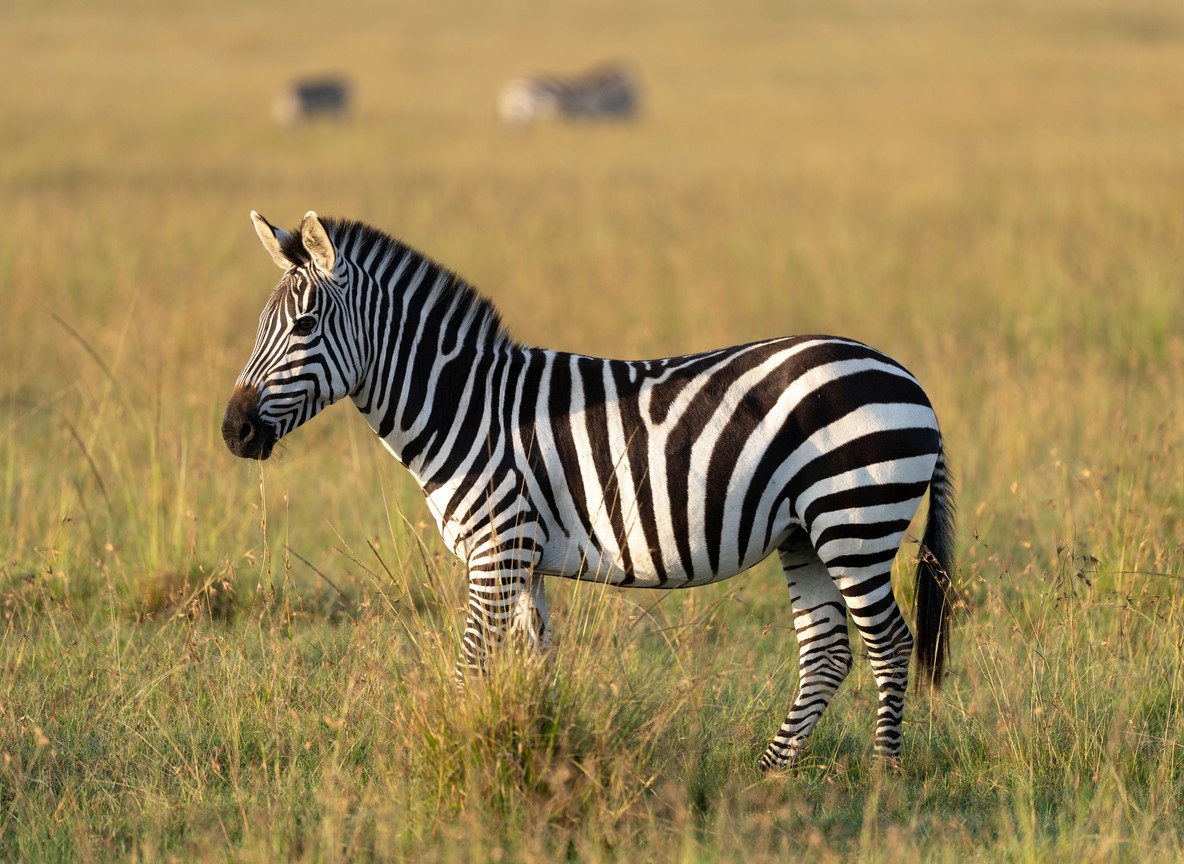
Kenya has more than 50 national parks and conservancies. For a first-timer, the choice can feel overwhelming. It does not need to be. Here is a shortlist based on wildlife density, accessibility, and beginner-friendliness.
| Park | Best For | Drive Time from Nairobi | Peak Season |
|---|---|---|---|
| Masai Mara National Reserve | Great Migration, big cats, Big Five | 5-6 hrs or 45 min by air | Jul-Oct |
| Amboseli National Park | Elephants with Kilimanjaro backdrop | 4-5 hrs | Year-round |
| Tsavo East + West | Red elephants, wilderness feel, value | 4-5 hrs | Jan-Feb, Jun-Oct |
| Nakuru National Park | Flamingos, rhino, leopard | 3-4 hrs | Year-round |
| Nairobi National Park | Quick, affordable day option near airport | 20 min from CBD | Year-round |
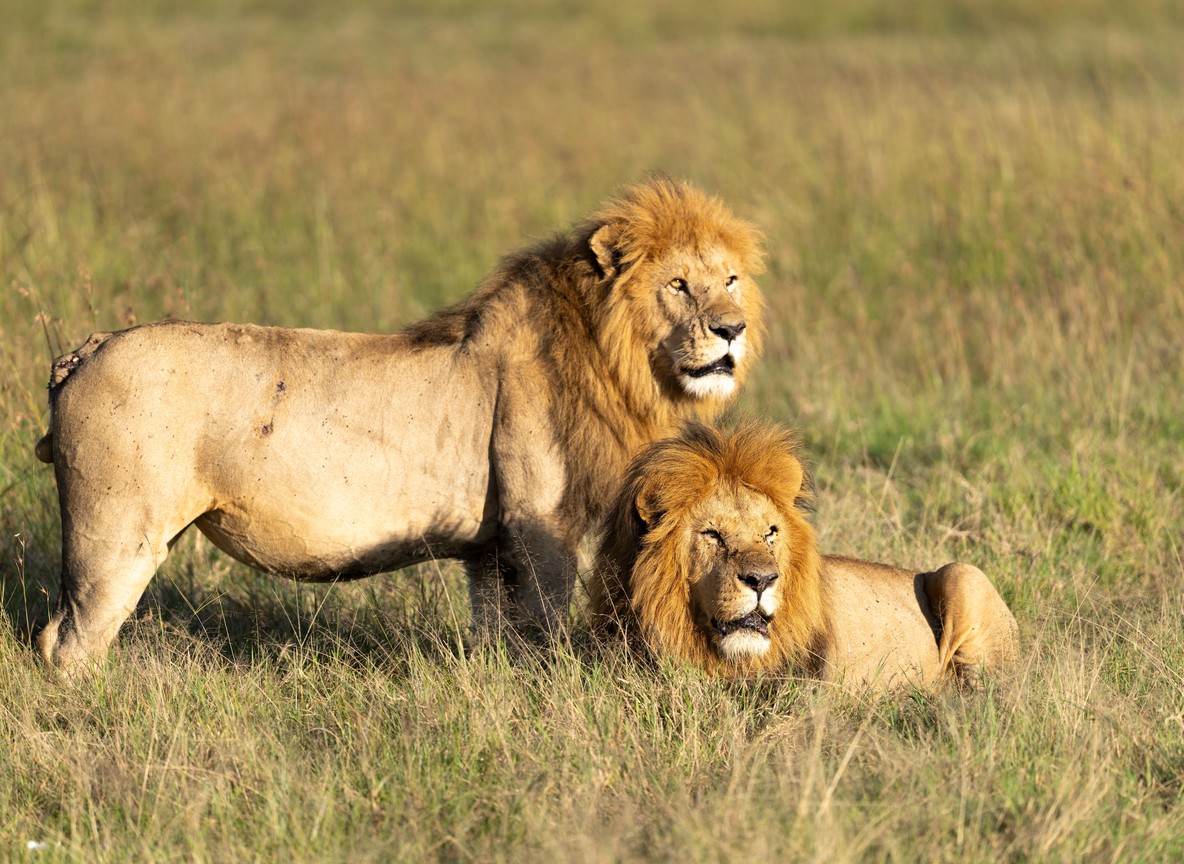
Masai Mara is where most first-timers start, and it earns that position. Wildlife density is exceptional year-round, not only during the famous Great Migration between July and October. Big cats — lion, leopard, cheetah — are reliably sighted across all months. Camps and lodges range from budget tented options to world-class luxury properties.
Amboseli is the choice if elephants are your priority. Large herds move freely across the open plains, and on clear mornings the view of Mount Kilimanjaro rising behind them is one of the most distinctive scenes in African wildlife photography.
Tsavo covers Kenya’s largest park system and offers a wilder, less-crowded experience at a lower price point. A good choice for first-timers who want to avoid the busier Mara circuit, or who want to combine wildlife with a less-visited landscape.
Pairing two parks — Masai Mara plus Amboseli, or Masai Mara plus Nakuru — gives a five to seven night first trip genuine variety without travel fatigue.
How Much Does a Kenya Safari Cost?
Cost is the question most first-timers ask first, and the honest answer depends on three variables: accommodation tier, group versus private vehicle, and time of year.
| Safari Tier | Per Person Per Day | What You Get |
|---|---|---|
| Budget | $150-250 | Shared camping or basic tented camp, group vehicle, meals included |
| Mid-Range | $350-600 | Comfortable lodge or tented camp, small group vehicle, all meals |
| Luxury | $700-1,500+ | Premium camp or lodge, private vehicle, exclusive activities |
| Ultra-Luxury | $1,500+ | Owner-run camps, private conservancy access, bespoke itineraries |
Park fees are separate from accommodation and typically run $52-$200 per person per day depending on which park. These are included in most packaged tours.
For a five-night mid-range trip, budget approximately $2,500-$3,500 per person all-inclusive from Nairobi. Budget-tier trips come in lower; luxury goes significantly above this. For a full line-item breakdown, see the Kenya safari cost per day guide.
When Is the Best Time for a Kenya Safari?
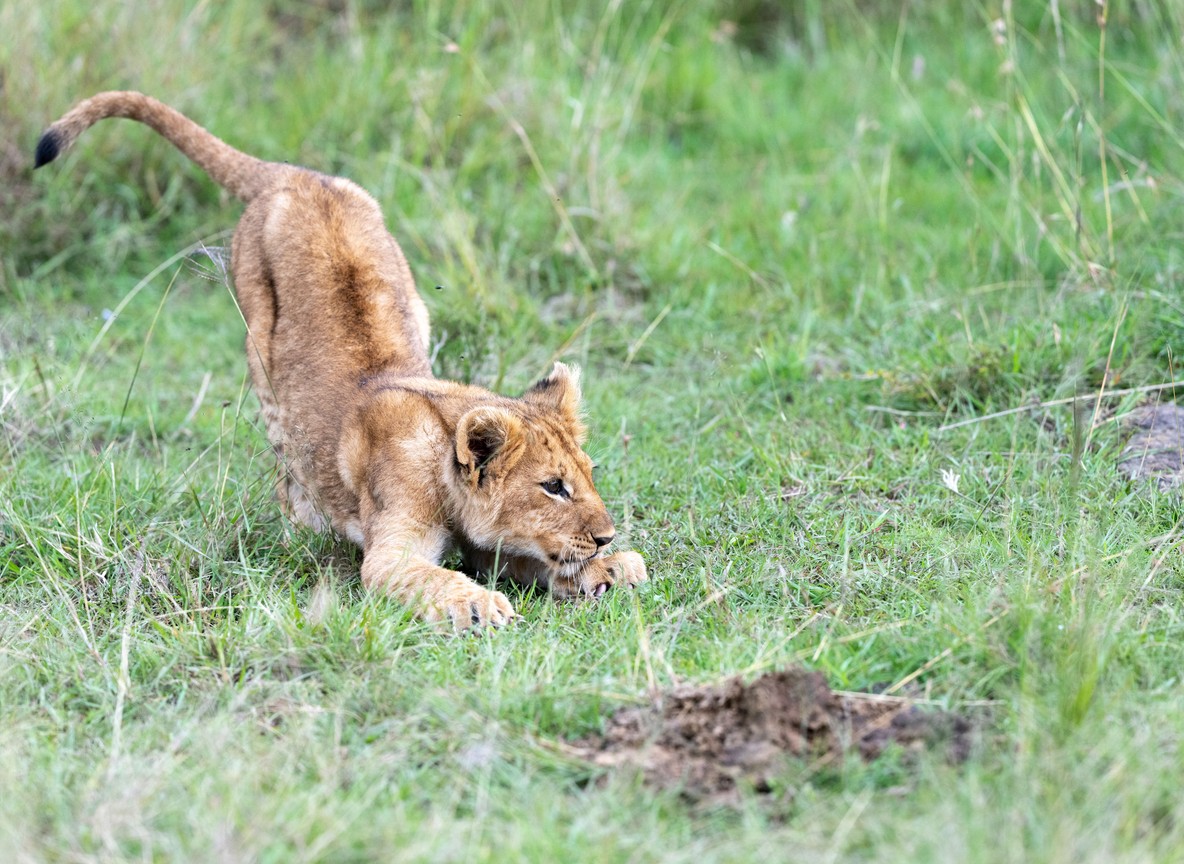
Kenya has two dry seasons and two wet seasons. Wildlife is present year-round, but timing affects visibility, crowd levels, and price.
July to October — Peak Season. The long dry season. Vegetation is sparse, animals concentrate around water sources, and the wildebeest crossing happens in the Masai Mara. This is the best time for game viewing overall, but also the most expensive and most crowded period. Book six to twelve months ahead for top camps.
January to March — Second Peak. The short dry season. Excellent game viewing, calving season in the Mara around February, lower prices, and fewer tourists than the July-October peak. Often the best value window for a high-quality first-timer trip.
April to June — Long Rains. Heavy rains, especially in April and May. Many camps close or reduce rates significantly. Game drives are possible but roads can be muddy and skies overcast. Not generally recommended for first-timers.
November — Short Rains. Brief and variable. Rates drop, parks are quiet, and good deals are available for flexible travellers with lower expectations of guaranteed sunshine.
For most first-timers, January to March or July to October gives the most predictable game-viewing conditions.
Group Safari vs. Private Safari: Which Fits You?
This decision has a bigger impact on the experience than most first-timers realise.
Group safaris place you in a shared vehicle with other travellers, typically four to seven people. They cost significantly less than private — often 40-60% less — and work well for solo travellers, couples comfortable sharing the experience, and anyone with a flexible itinerary.
The trade-offs: you drive where the group majority wants to go, you leave when others are ready, and you share the vehicle’s window space. During peak season, multiple group vehicles can cluster at popular sightings.
Private safaris give your group the vehicle, guide, and daily schedule entirely. You can spend 90 minutes watching a leopard feed if that is what everyone wants. You can request an early start or a longer sundowner stop. For families, the per-person cost on a private vehicle often compares favourably with group mid-range rates once you split across four or more people.
For first-timers travelling as a couple or with a family, private is almost always worth the upgrade. The ability to ask your guide questions freely and linger at sightings without managing group dynamics changes the quality of learning significantly.
Health, Visas, and Vaccinations: The Essentials
Visa. Kenya operates an Electronic Travel Authorisation (eTA) system for most nationalities. Apply online before travel, pay $30, and receive approval within three business days in most cases.
Vaccinations. Yellow fever vaccination is required if arriving from a yellow fever endemic country. Typhoid, hepatitis A, and tetanus are strongly recommended. Malaria prophylaxis is advised for all visitors to game parks — consult your travel health clinic six to eight weeks before departure to allow time for full courses. For the full breakdown by park and risk level, read the Kenya safari health guide.
Travel insurance. A policy covering medical evacuation is non-negotiable. The nearest major hospital to most safari parks is in Nairobi, which can mean a long road or air transfer from the bush.
Day-to-day health on safari. Sun protection, DEET-based insect repellent, and consistent hydration are the daily essentials. Mornings and evenings in the parks can be surprisingly cold — pack warm layers regardless of the season you are visiting.
What a Game Drive Day Actually Looks Like
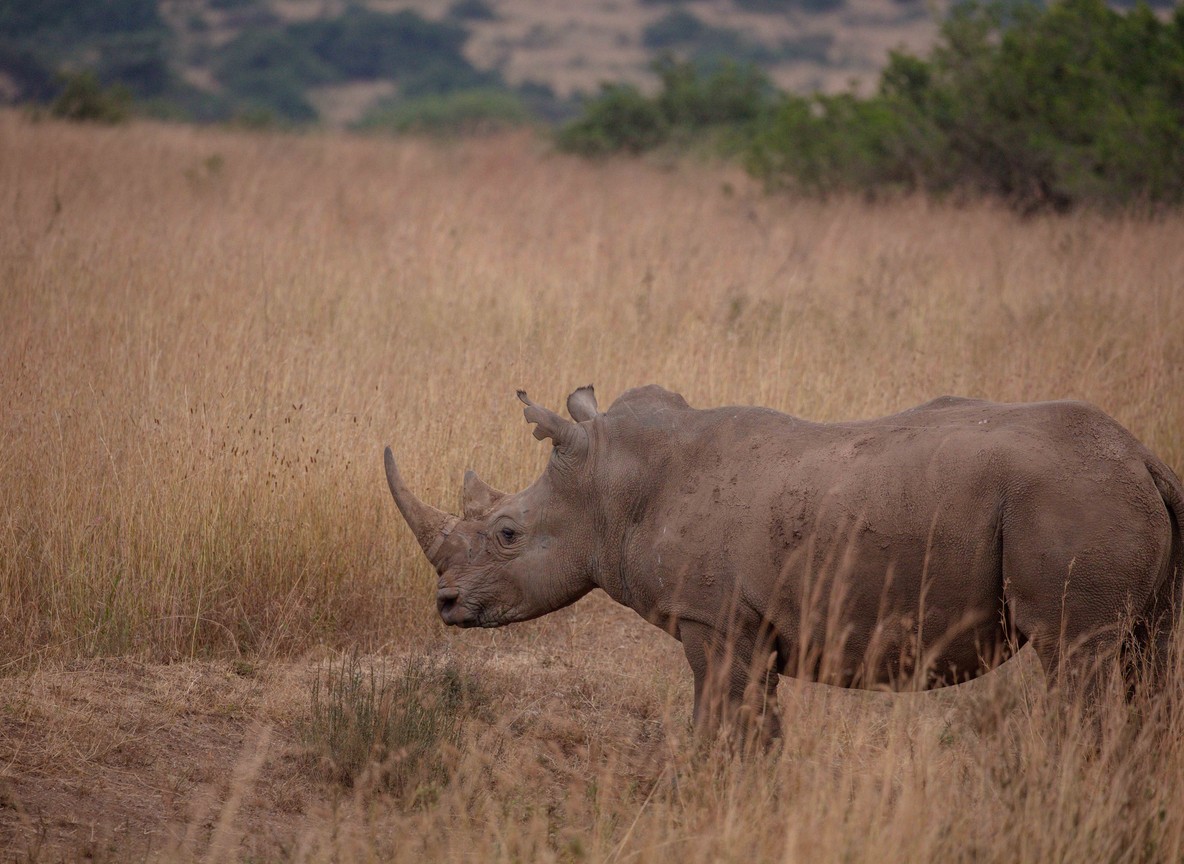
First-timers rarely arrive with a clear picture of how safari days are structured. Here is a standard itinerary day.
5:30 am — Wake-up call. Early starts are where the most consistent sightings happen. Predators are active at dawn, the light is good, and the park is quiet before other vehicles arrive.
6:00 am — Morning game drive. Four to five hours of driving. Your guide scans terrain, reads tracks, and coordinates with other guides by radio. You will cover 60 to 100 km across the morning.
11:00 am — Brunch at camp. Rest, swim, or take a guided bush walk where permitted. Midday heat makes this the natural break.
4:00 pm — Afternoon game drive. Late afternoon light is ideal for photography. Evening drives often end at a sundowner stop — the vehicle pulls over, the guide pours drinks, and you watch the sun drop over the savannah.
7:00 pm — Dinner and sleep. Two drives per day is standard. Night drives are available in private conservancies and are included in some camp rates.
What to Pack
The short version: neutral colours only (khaki, olive, sand, tan), warm layers for early drives, binoculars as an absolute priority, DEET repellent, and SPF 50 sunscreen. Mornings in the Mara can sit at 12-15 degrees Celsius even in July; afternoons reach 28-32 degrees. The temperature swing within a single game drive is significant.
For a complete clothing list, camera gear recommendations, and luggage size rules for charter flights, read the Kenya safari packing list 2026.
Common First-Timer Mistakes
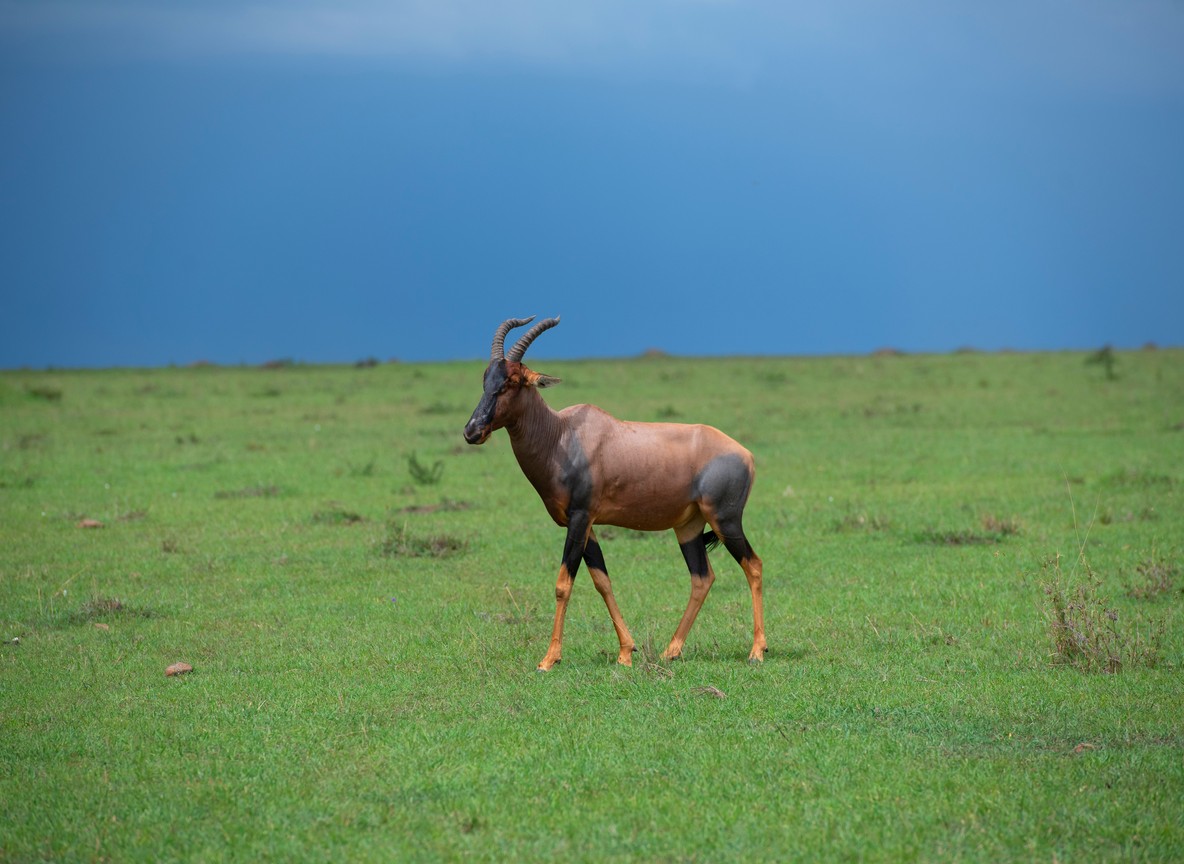
A few things catch new safari travellers off-guard. Knowing them in advance saves both money and disappointment.
Booking too late. The best conservancy camps during July to October sell out six to twelve months ahead. First-timers who try to book eight weeks before peak season will find limited options at inflated prices.
Chasing one park too long. Five nights in a single park is usually too much for first-timers. Two parks across six to eight nights gives variety in landscape, wildlife mix, and daily rhythm.
Underestimating the cold. Kenya’s parks sit at elevation. The Masai Mara is at 1,500 metres. Dawn game drives in June or July without a warm jacket are genuinely uncomfortable.
Expecting the Big Five every single day. Wildlife is wild. Some days you sit with a family of elephants for an hour. Other days the cats are hiding. That unpredictability is what gives each sighting its weight.
Ignoring park fee structures. Some parks charge significantly more than others. Factor fees into your budget from the start — they are not trivial add-ons.
Not tipping your guide. Your guide’s knowledge is what drives the quality of your experience. $15-$20 per day for a private guide is standard and genuinely valued.
Explorer Notes
On guide quality as the single biggest variable: The difference between a five-lion sighting day and a two-lion sighting day on the same route in the same park comes almost entirely from guide knowledge and local connections. When comparing options, ask specifically about your guide’s tenure in the park you are visiting.
On itinerary flexibility: The first game drive almost always recalibrates what you thought you wanted to see. Leave room in the itinerary for your guide to respond to what is actually happening on the ground rather than following a fixed daily plan.
On photography and binoculars: If you bring one piece of optics equipment, make it binoculars rather than a long lens. 8×42 or 10×42 binoculars transform the entire game drive experience for every member of the group.
Conclusion
Kenya is genuinely one of the most beginner-friendly safari destinations. Strong infrastructure, English widely spoken, year-round wildlife, and a range of accommodation from budget tented camps to world-class private properties mean there is a real trip available at most price points.
The keys are choosing the right combination of parks for your interests, timing your visit well, and travelling with a guide who knows the land.
Next Steps
For the financial picture, read the Kenya safari cost per day breakdown which covers all budget tiers with real numbers. For health preparation, the Kenya safari health guide covers vaccinations, malaria prophylaxis, and medical kit by park. For packing specifics, the Kenya safari packing list 2026 covers everything from clothing layers to camera gear and luggage size rules for bush flights. For operator selection and current camp availability, trunktrailssafaris.com designs itineraries across all budget levels.
Prefer a different route, budget, or travel style? This plan can be adapted to fit.
Customise Your Trip