December is Kenya’s most misunderstood safari month. The wildebeest migration has moved south. The short rains have either just finished or are still tapering off. Festive pricing creates the impression of a premium month while the parks themselves are quieter than any week in August.
The received wisdom that December is a weak safari month is wrong, and travellers who skip Kenya in December because of it are missing something genuinely worthwhile.
This guide covers what December actually delivers across Kenya’s main parks, what the short rains mean in practice for your game drives, and why Christmas in the Masai Mara or Amboseli is a different kind of travel experience from the peak-season version.
December in Kenya: What the Short Rains Actually Mean
Kenya has two rainy seasons. The long rains run April to June. The short rains run October to early December. By mid-December, the short rains are typically tapering off across most regions, though the timing varies year to year.
What the short rains bring:
- A green landscape. The grass grows long and thick, which changes the visual quality of game drives. Some animals become harder to spot initially, but the photography backgrounds are extraordinary.
- Replenished water sources. Wildlife spreads out from dry-season concentration points, which slightly changes viewing dynamics.
- Clean air and dramatic skies. Post-rain light in Kenya has a quality that is hard to describe until you have seen it – fast-moving cumulus clouds, deep colour in the vegetation, and golden breaks when the sun comes through.
- Moderate temperatures, typically 18-26 degrees Celsius across most parks.
What the short rains do not bring:
- Day-long downpours. Kenya’s short rains typically arrive as afternoon or evening showers, lasting one to two hours, then clearing. Morning game drives are almost always unaffected.
- Road closures. Most main safari roads are laterite or compacted gravel and drain quickly. A small number of low-lying routes in Tsavo can become sticky after heavy rain, but this is the exception.
- Empty parks. Rain does not move resident animals. It disperses them slightly from dry-season concentrations, but the abundance of food makes wildlife generally relaxed and approachable.
Wildlife in Kenya in December: Park by Park
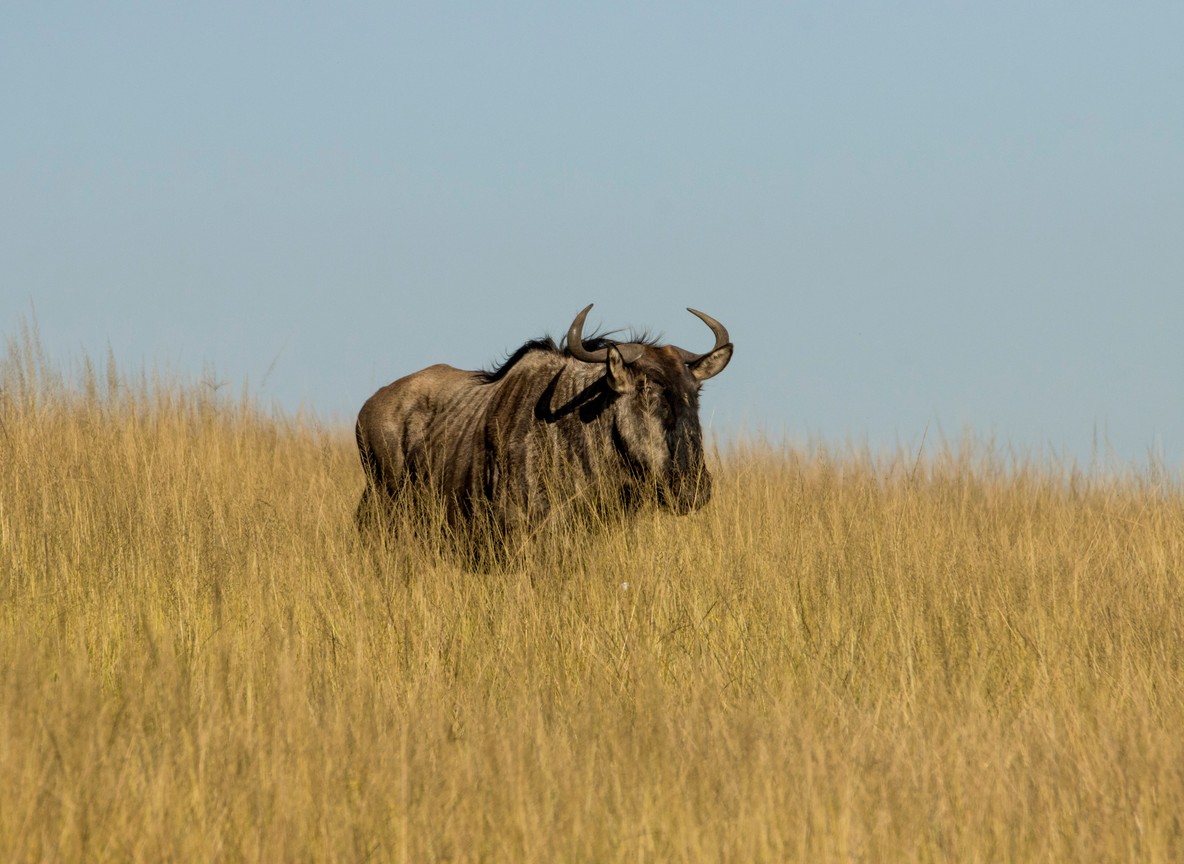
The wildebeest migration has moved south by December, back into Tanzania and the Ndutu short-grass plains for the calving season that begins in late January. If river crossings are your primary goal, December is not the month for them.
What December delivers instead is the full resident wildlife of each park at its greenest and most photogenic.
Masai Mara in December
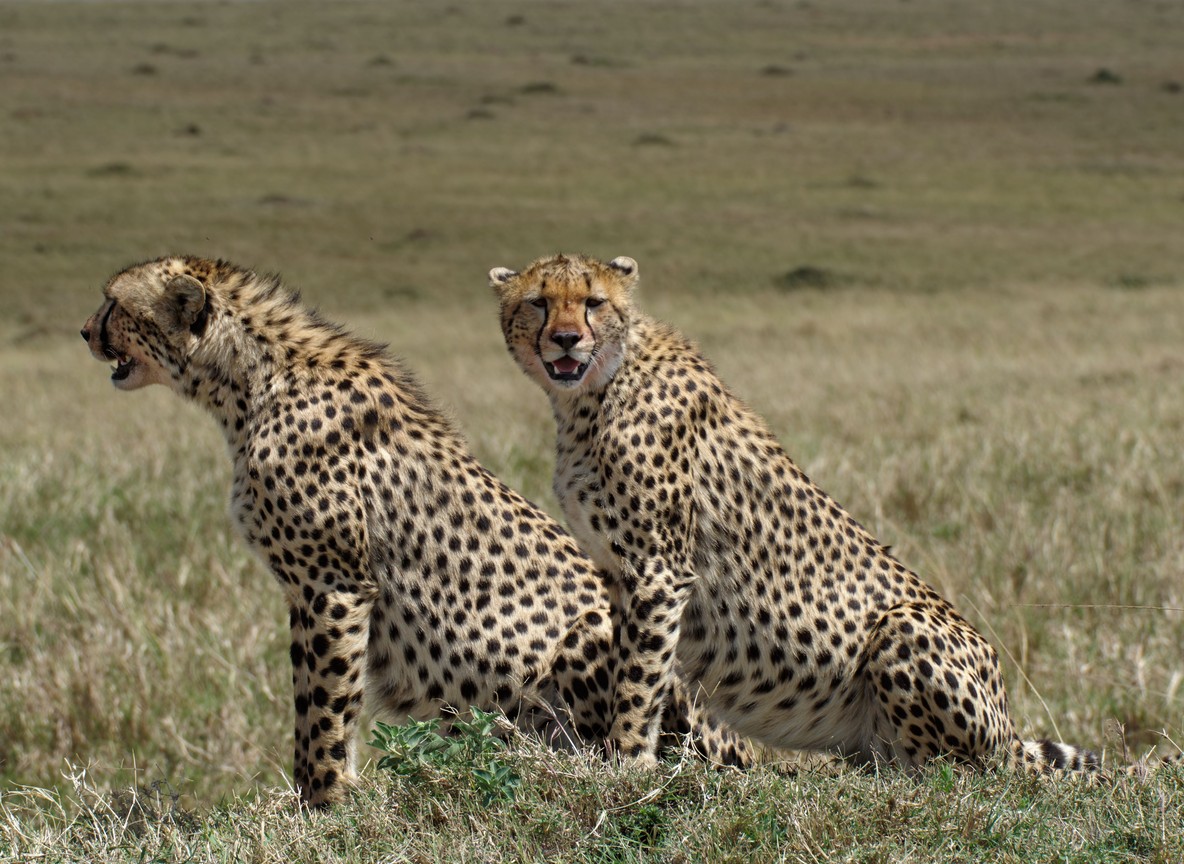
The Mara’s resident predator populations – among the highest lion densities in Africa – are as active in December as any other month. The Marsh Pride and the other established lion families do not follow the wildebeest south. December lion sightings are consistently good. Leopard and cheetah are regularly encountered. The Mara in December has the wildlife you came for, minus the wildebeest spectacle.
Amboseli in December
December is one of Amboseli’s better months. The short rains refresh the swamp systems at the heart of the park, drawing elephant herds from across the ecosystem. The elephant research area is highly active as breeding herds congregate near the water. Kilimanjaro is visible after afternoon clouds clear, and the mountain-behind-elephants photographs that define Amboseli are particularly striking in December morning light.
Tsavo East and Tsavo West
Both Tsavo parks are compelling in December. The red earth turns deep orange against green vegetation. Tsavo East’s Galana River carries good flow, with elephant and buffalo visiting constantly. The red-dusted elephants Tsavo is known for look remarkable against the green season colour.
Rain in the highlands above Samburu pushes the Ewaso Ng’iro River into better flow. Game viewing along the river – elephant, leopard, lion, crocodile – concentrates well in December. The northern specialist species (reticulated giraffe, Grevy’s zebra, gerenuk, Beisa oryx, Somali ostrich) are present year-round.
December Park Comparison
| Park | December Wildlife | Crowd Level | Landscape | Rating |
|---|---|---|---|---|
| Masai Mara | Excellent predators; no migration herds | Medium (holiday visitors) | Green, dramatic | 4/5 |
| Amboseli | Excellent elephants; Kilimanjaro views | Low-medium | Green swamps | 5/5 |
| Tsavo East | Red elephants; Galana River active | Low | Red earth + green | 5/5 |
| Tsavo West | Big cats; Mzima Springs | Low | Lush and dramatic | 4/5 |
| Samburu | Special Five; good river wildlife | Low | Green riverine | 4/5 |
| Lake Nakuru | Variable flamingo numbers; good rhinos | Low | Lush shoreline | 4/5 |
For first-timers who missed the migration window, Amboseli or Tsavo East in December is the recommendation. For travellers who want the Mara experience without the peak-season vehicle density, December is one of the more honest months in the reserve.
The Festive Season Reality: December 22 to January 3
The Christmas and New Year window creates a market within December that behaves differently from the rest of the month.
During the festive peak:
- Premium camps apply festive supplements of $50-$150 per person per night
- Nairobi transfer logistics slow during holiday traffic
- Popular Mara airstrip slots fill ahead for Christmas week
- A number of camps run special Christmas and New Year events: bush dinners, bonfire nights, occasional impromptu celebrations under open skies
Outside the Christmas week itself, December is a genuinely quiet month by Kenya safari standards. Vehicle counts at popular sightings are a fraction of July and August. This quietness is underappreciated.
For Christmas specifically, booking well in advance matters. The camps that handle festive celebrations well – the ones where a Christmas Eve bush dinner under Amboseli stars feels considered rather than cobbled together – fill their festive inventory months ahead of the season. Specifically, book nine to twelve months out for the Christmas and New Year window if you want first choice of camps and dates. By six months out, availability at the most popular family-friendly properties has usually thinned significantly.
What a December Day in the Field Looks Like
A typical December itinerary day at a Masai Mara conservancy camp:
6:00 am – Wake call. Sky often completely clear after overnight rain has passed. Temperature around 14 degrees.
6:30 am – Morning game drive begins. Grass is long and green. Lions visible on open ridges, easier to spot in early light against the vegetation.
10:30 am – Return for breakfast. Cloud may be building toward midday.
12:00-2:00 pm – A brief afternoon shower passes. Clear by 2 pm in most cases.
4:00 pm – Afternoon drive. The light through breaking cloud is some of the most dramatic photography light of the year.
7:00 pm – Dinner, usually outdoors.
This pattern is reliable across December. The brief rain showers are part of the experience, not a disruption to it.
Explorer Notes
On the green season photography advantage: Long-grass December scenes with predators photographed against that vivid green background look genuinely different from the dusty ochre of September. If you photograph wildlife, December has visual qualities that peak season does not.
On the festive supplement: The supplement at most camps is reasonable relative to the overall daily rate. What matters is that you ask about it upfront. A camp that lists a base rate without mentioning the festive supplement is giving you an incomplete number.
On New Year in the bush: Spending New Year’s Eve in a bush camp is a distinct experience from anywhere else. Most conservancy camps handle it well – a fire, some improvised ceremony, a very quiet morning game drive on January 1 with almost nobody else out.
On malaria in December: The short rains mean slightly elevated mosquito activity compared to the dry season. Prophylaxis and bite prevention are important. See the Kenya safari health guide for the full breakdown by park.
Conclusion
December in Kenya delivers what the travel consensus undervalues: lush green landscapes, consistently good resident wildlife, dramatically fewer vehicles than the July-October peak, and a festive season in the bush that is unlike any other kind of celebration.
The migration is not there. That is a real difference. But for travellers whose primary interest is predators, elephants, landscape, and an uncrowded experience, December makes a compelling case.
Next Steps
For context on what follows immediately after December, read the Masai Mara in January guide. For a full picture of Kenya’s seasonal calendar, the best time to visit Kenya article covers each month’s trade-offs. For Christmas week camp availability, trunktrailssafaris.com can advise on which properties handle festive bookings well and which spots remain open.
Have questions about this itinerary or destination? Get answers from a safari specialist before you commit.
Inquire MoreFurther reading
More safari planning resources
- Best time to visit Kenya month-by-month map from Valley Safaris
- Big Five safari collection on FindMySafari
- Wildebeest migration route map from Valley Safaris
- Map of Tsavo from Valley Safaris
Related guides: Long Rains vs Short Rains in Amboseli: Which Wet Period Actually Works?, November vs December in Amboseli: Which Month Works Better?.