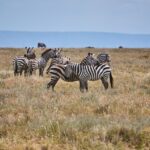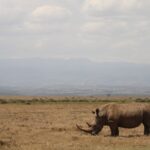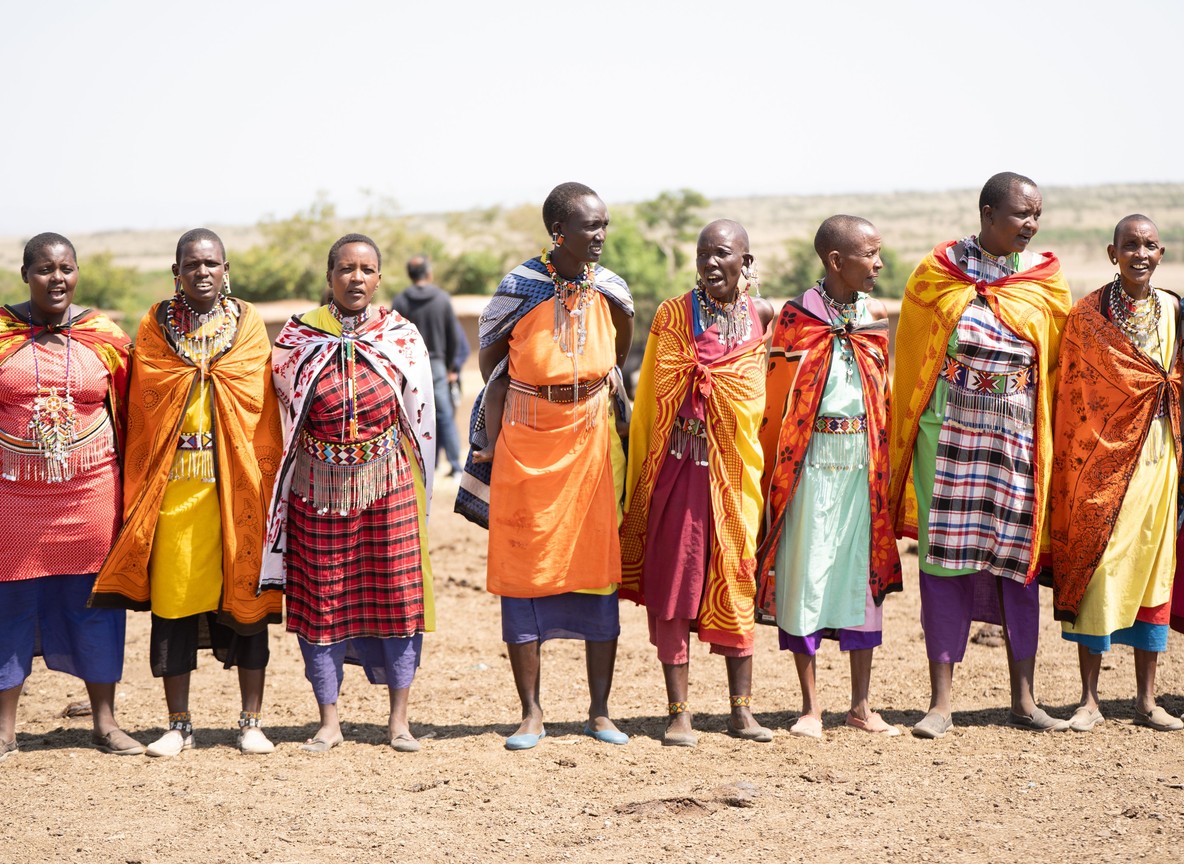
You have one trip. You want the wide-open savannah, the lions at dawn, the dust and the drama. You also want the Indian Ocean — warm water, white sand, a cold drink at sunset. In Kenya, you genuinely do not have to choose between them.
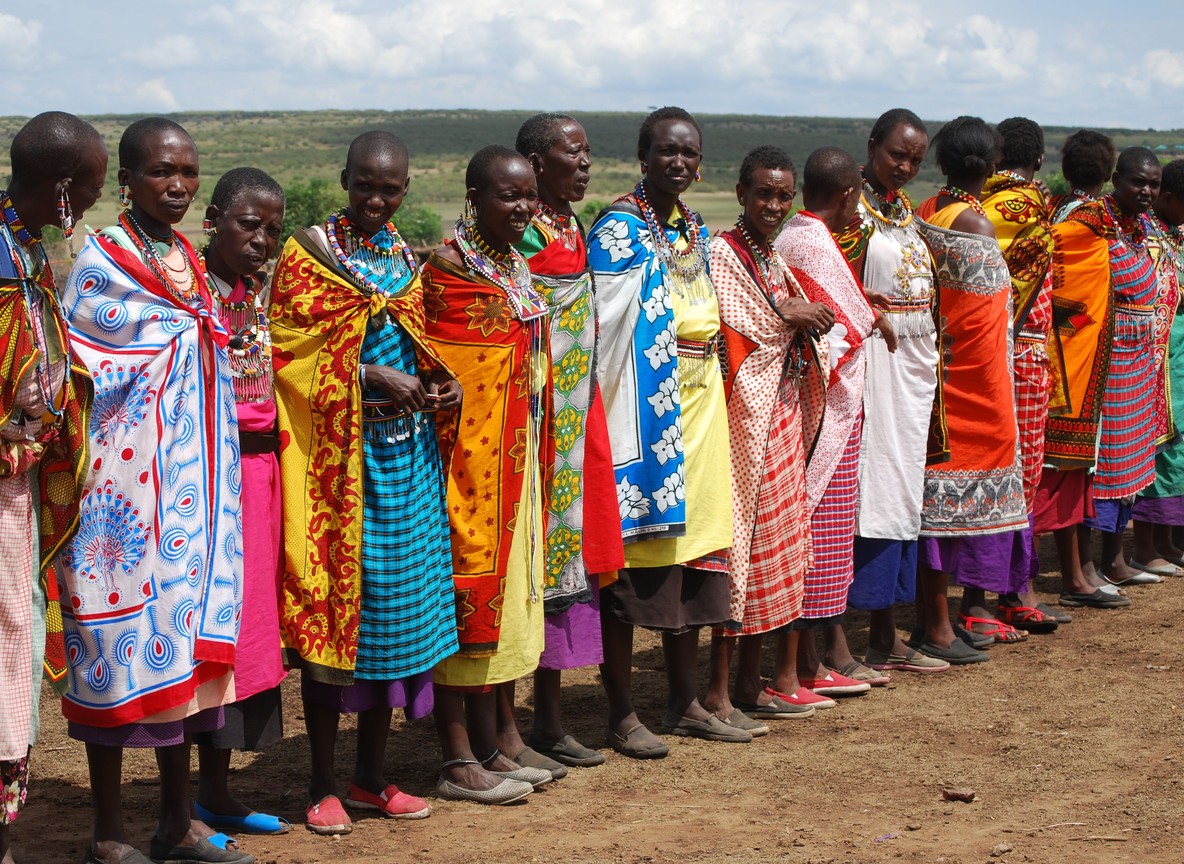
A kenya safari and beach combination is one of the most satisfying trips you can design. The Masai Mara delivers the wildlife spectacle. The coast — Diani, Watamu, Mombasa — delivers the decompression. Getting between the two takes under two hours by light aircraft. This guide covers the pairing in full: logistics, coast choices, day splits, seasonal timing, and how to plan it without losing the rhythm of either half.
Why Kenya Safari and Beach Vacations Work So Well Together
Most long-haul destinations force a trade-off between different kinds of travel. Kenya is one of the few places where the trade-off largely disappears. The Masai Mara sits roughly 270 kilometres west of Nairobi, and the coast sits 500 kilometres southeast. Charter flights connect Mara airstrips directly to Ukunda (for Diani) or Malindi (for Watamu and Kilifi) without a city layover, making the transfer genuinely seamless.
The rhythm of the two halves is also naturally complementary. A Mara safari is high-stimulation — pre-dawn game drives, afternoon tracking, a packed schedule of sightings, early mornings and early nights. The coast runs in the opposite direction: slow mornings, snorkelling at low tide, dhow rides at dusk, no particular schedule. Travellers who have done both say the beach leg feels richer because of what came before it, and the safari feels more vivid in memory because of the contrast that followed.
That dynamic is why kenya safari and beach vacations appeal to such a broad range of travellers: honeymooners, families, and solo travellers arrive at the combination for different reasons and leave with a similar verdict.
How the Logistics Actually Work: Fly-In Transfers Explained
The practical backbone of any kenya safari and beach holiday is the light aircraft transfer. You fly into Nairobi, connect to a Mara airstrip (Ol Kiombo, Keekorok, or Musiara) on a 45-minute charter, spend 3 to 5 nights at a camp, then fly direct to the coast. Total transfer time from the Mara to the coast: roughly 90 minutes to 2 hours, including boarding and any Wilson Airport transit.
| Transfer Route | Flight Time | Airport | Best For |
|---|---|---|---|
| Mara to Ukunda (Diani) | ~90 min via Wilson | Ukunda/Diani Airport | South coast, reef, watersports |
| Mara to Malindi | ~2 hrs via Wilson | Malindi Airport | Watamu, Kilifi, quieter north coast |
| Mara to Mombasa | ~90 min via Wilson | Moi International | City base, Nyali Beach, wider logistics |
| Nairobi to Coast (road) | 8-10 hrs | N/A | Budget option only, not recommended mid-trip |
The road option from Nairobi to the coast exists but consumes a full day and adds fatigue at the start of the beach leg. For any trip where the safari already demands pre-dawn starts, the flight is worth the extra cost.
The Masai Mara Leg: How Many Days and When to Go
The Mara is the anchor of any kenya safari and beach vacation. Its resident predators make it worth visiting year-round, and the annual wildebeest migration adds a layer of spectacle from July onward.
Minimum stay: 3 nights. This gives you three full morning and three afternoon game drives — enough to cover the Big Five with an attentive guide working the right zones.
Optimal stay: 4 to 5 nights. Extra days let you move between different sections (Mara North Conservancy, Musiara, Talek area) and fit a balloon flight or community visit without cutting into drive time.
Seasonality at the Mara:
- July to October: Peak wildebeest migration, Mara River crossings, highest camp rates and most dramatic action.
- January to March: Dry season, strong predator sightings, calving season draws big cat activity northward. Fewer visitors than peak.
- November to June (excluding December/January): Green season, lush scenery, good birding, lower rates, occasional road softening after heavy rain.
For a kenya beaches and safaris combination, July to October and January to March are the most reliable windows on both sides of the trip.
Choosing Your Coast: Diani, Watamu, or Mombasa
Diani Beach (South Coast)
Diani runs 17 kilometres along a coral-sand beach backed by palm trees and casuarinas. The reef sits close to shore, making snorkelling accessible at low tide without a boat. Watersports are well organised: kite-surfing at Galu Beach, glass-bottom boat trips, diving at Chale Island. Best for honeymooners, families with young children, and travellers who want the widest range of accommodation options at different price points.
Watamu (North Coast)
Watamu sits 120 kilometres north of Mombasa and is noticeably quieter than Diani. Watamu Marine National Park sits offshore — one of the best-preserved coral gardens on the East African coast. Green turtles nest on the beach from October to March. The village is small and the pace is genuinely slow. Best for wildlife and conservation travellers who want to carry the Mara theme into the ocean, couples wanting privacy, and photographers working on an extended documentary-style trip.
Mombasa (Nyali and Bamburi)
Mombasa is a proper working port city with a Swahili old town worth a half-day. Nyali and Bamburi Beach just north of the city offer competitive accommodation prices and easy connections either north or south along the coast. Best for first-time Kenya visitors who want to combine coast and city in the same trip.
Kenya Beach and Safari Honeymoon: What Makes This Trip Work Romantically
The kenya beach and safari honeymoon is one of the most consistently requested trip structures among honeymooners visiting East Africa. The two legs offer completely different registers of experience.
The Mara leg is electric — a pre-dawn drive, a cheetah at 40 metres, coffee in the bush at 6am, photographs that still feel unreal a year later. The coast leg is intimate. You slow down entirely. A dhow dinner at sunset, snorkelling to a private sandbar, no schedule pulling you anywhere. Each half makes the other feel more vivid when you look back on the week.
Itinerary structures that work well for honeymoon pairs: 7 to 10 days total, with all transfers, accommodation, and game drives arranged in advance so nothing requires planning once you arrive.
How Many Days for Each Leg
The answer depends on your total available trip time:
| Total Trip Length | Mara Days | Coast Days | Notes |
|---|---|---|---|
| 7 nights | 3 nights | 4 nights | Entry-level combo, works well |
| 10 nights | 4-5 nights | 5-6 nights | Sweet spot for most travellers |
| 12 nights | 5 nights | 7 nights | Full immersion, strong for honeymoons |
| 14 nights | 5-6 nights | 8 nights | Add a second Mara conservancy or a coast wildlife excursion |
Do not compress the Mara below 3 nights. The real game-drive rhythm only settles in from day two onward. For the coast, 4 nights is better than 3 — it allows for a full-day snorkelling excursion, a Swahili village visit, and a dhow trip without any one of them feeling rushed.
Adding Amboseli or Samburu: Safari and Beach Vacation Extensions
Some travellers want more than one park before the coast. The most natural extension is Amboseli: 3 nights in the Mara, 2 nights in Amboseli (Kilimanjaro views, large elephant herds), then fly to the coast for 4 nights. That 10-day structure covers three distinct landscapes — Mara savannah, Amboseli floodplains, coast reef — without feeling overpacked.
Samburu in the north adds species that do not appear in southern Kenya: Grevy’s zebra, reticulated giraffe, gerenuk. A 45-minute flight connects Samburu to Nairobi. Two nights there before the Mara gives a fuller geographic picture of the country without overloading the itinerary.
These extensions work best when they are built into the plan from the start rather than added as afterthoughts. Drive and flight connections need to be confirmed together, and camp availability in multiple locations should be checked before any deposit is paid.
When to Go: Best Timing for Kenya Holidays Beach and Safari Combinations
July to October (peak combination window): The Mara is in peak migration season. The coast is dry with excellent snorkelling visibility. This is the busiest and most expensive window. Book 6 to 9 months ahead for popular Mara camps.
January to March (best value window): The Mara is dry and clear with strong predator sightings. The coast is hot and dry — ideal beach weather. Rates are lower than peak season on both sides. This is the best time for a kenya holidays beach and safari trip if you have date flexibility.
April to June (green season): Rains arrive in the Mara from April, peaking in May. Roads can be soft. The coast also receives heavy rain in May and June. Lower rates, lush landscapes, fewer vehicles at sightings — suited to experienced travellers who understand the trade-offs.
November to December: Short rains through the Mara in November. The coast transitions into its northeast monsoon through November before improving in December. Workable for travellers with fixed holiday dates.
Packing for a Two-Part Trip
The two legs share about 70 percent of the same packing list. For the Mara: neutral colours (khaki, olive, tan), layers for cold 5:30am starts, closed shoes for bush walks, high-SPF sunscreen, and dust protection for any electronics. For the coast: light cotton or linen, swimwear, reef-safe sunscreen, sandals, a light cover-up for evenings.
One item that travels well between both: binoculars. You will use them for game spotting in the Mara and for scanning the reef horizon for dolphins off the Watamu or Diani coast.
Explorer Notes
A few things experienced kenya safari and beach travellers typically note:
- The contrast between the two legs is part of the experience. Some travellers try to rush the coast section to get back to “the real trip.” The coast is the real trip — just a different version of it. Let it breathe.
- If the budget is tight, the Mara to coast flight is still worth prioritising over the road. You arrive at the beach rested instead of dehydrated from a 9-hour drive.
- Watamu is often overlooked in favour of Diani because Diani is better known. But Watamu’s marine park is genuinely exceptional, and the conservation theme — turtles, reef fish, migratory whale sharks from November to March — sits comfortably alongside the Mara wildlife experience.
- December is a surprisingly good window on the coast. The northeast monsoon has settled into a consistent pattern, water clarity is strong, and the short rains have moved north. The Mara at this point is entering its calving season, which has its own appeal — predator activity increases significantly as prey density rises.
Conclusion
A kenya safari and beach holiday works because the two halves are genuinely different from each other in every way that matters: pace, landscape, temperature, activity, and the kind of attention each demands. Neither leg diminishes the other. They sit together naturally in a way that most combinations of travel experience do not.
Getting the logistics right — the right camp in the right Mara location, the right coast destination for your travel style, and a flight connection that does not eat your beach time — is the work that goes into it before you land.
Next Steps
For the Mara side of the planning, the Kenya migration safari cost guide at touringinsights.com covers camp tiers and field position in detail. For information on the full range of Kenya safari options including northern Kenya extensions, trunktrailssafaris.com has park-by-park guides covering seasonal conditions and what to expect at each destination.
For Watamu marine conservation context, the Watamu Marine National Park page at Kenya Wildlife Service has current information on the reserve boundaries and reef conditions.
Prefer a different route, budget, or travel style? This plan can be adapted to fit.
Customise Your TripFurther reading
More safari planning resources
- Nairobi to Maasai Mara route guide from Valley Safaris
- Diani Beach guide on FindMySafari
- Best time to visit Kenya month-by-month map from Valley Safaris
- Wildebeest migration route map from Valley Safaris
Related guides: Zanzibar vs Kenya Coast: How to Choose Your Safari Beach Extension.