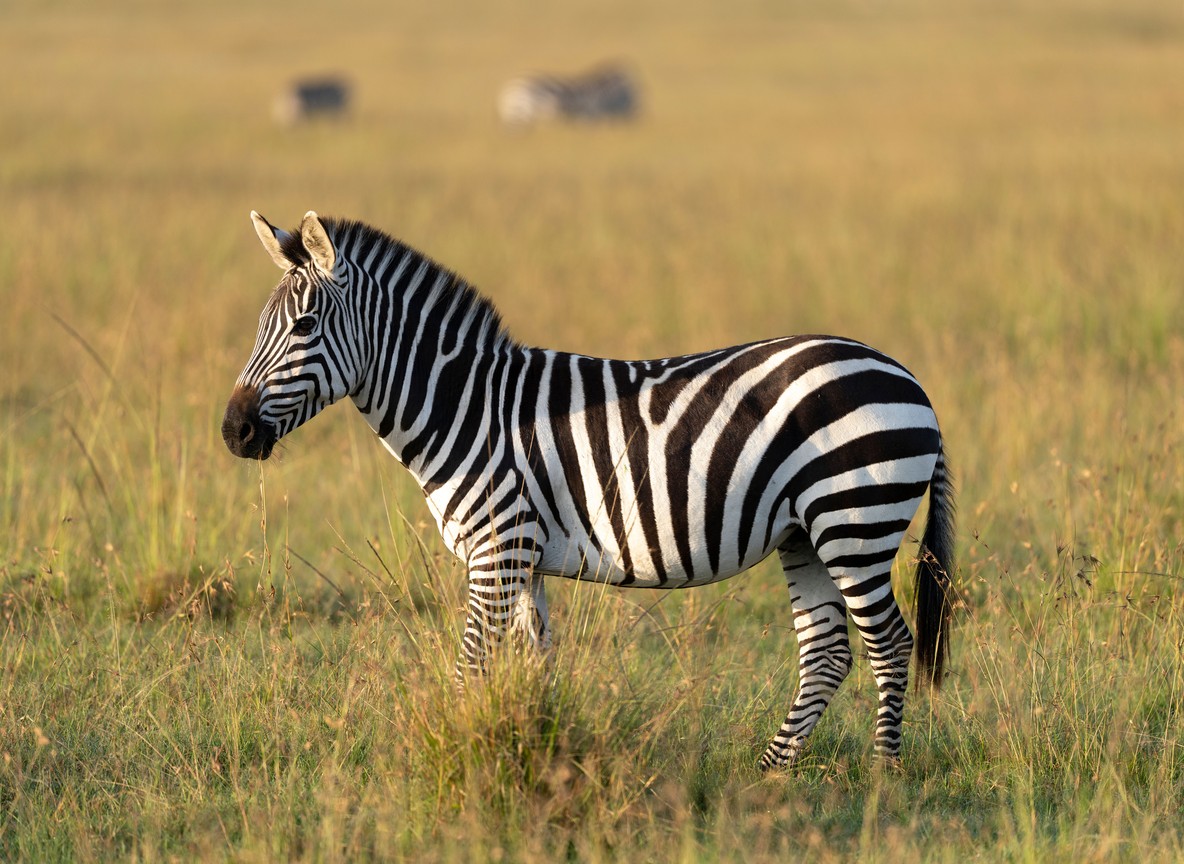
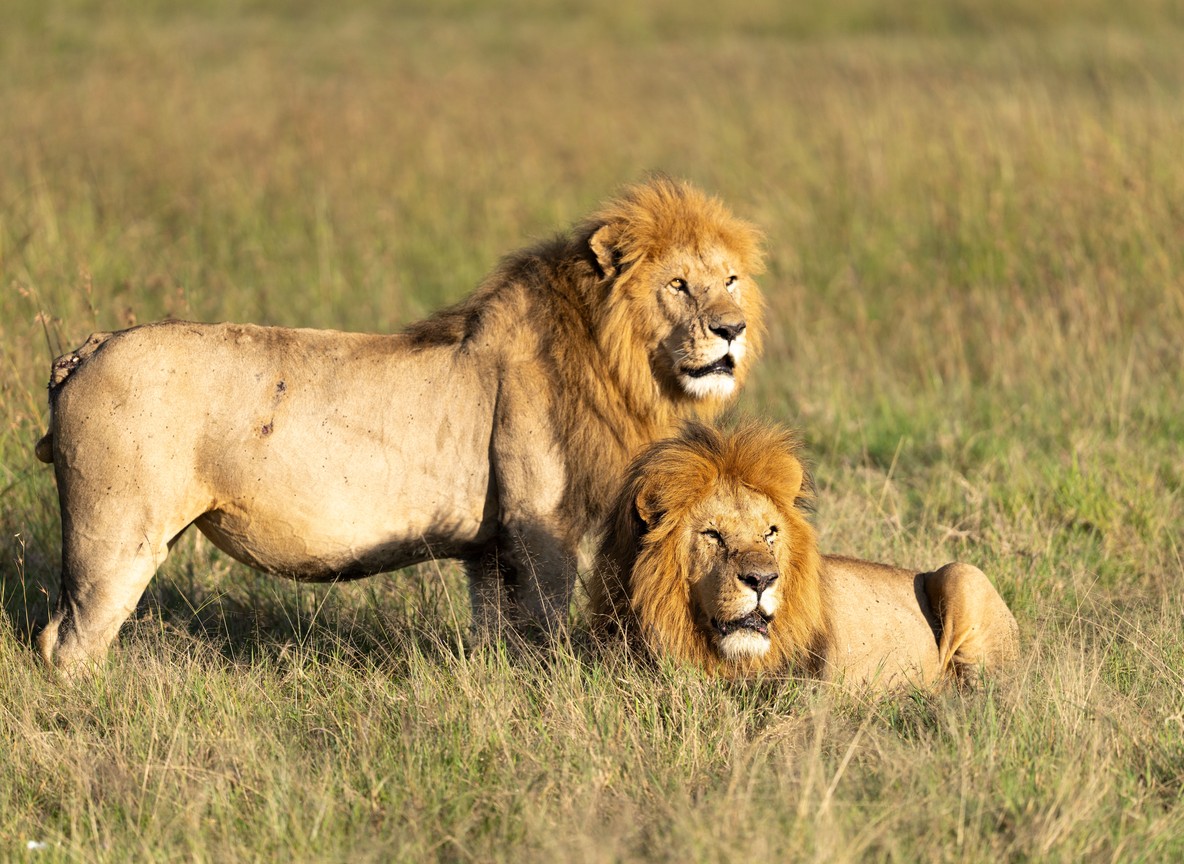
Every serious wildlife traveler eventually asks the same question: what does Kenya look like when you step off the Mara circuit?
The answer, for a significant number of ornithologists and naturalists, is Kakamega Forest. Kenya’s only tropical rainforest is an ancient fragment of the Congo basin sitting in the western highlands near the town of Kakamega. The safari industry has largely walked past it. That is not a problem. That is the opportunity.
A Kakamega Forest birding safari is unlike anything else Kenya offers. If you have done the Masai Mara, Amboseli, and Samburu, and you want to understand why Kenya holds more bird species than the entire continent of Europe, this forest is your next destination.
What Is Kakamega Forest and Why Does It Matter?
Kakamega Forest is not a park in the conventional Kenyan sense. There are no lions and no elephants crossing open plains. What it has is rarer: an intact fragment of the Guineo-Congolian rainforest that once stretched unbroken from West Africa to western Kenya.
That forest belt shrank over millennia as savanna took hold across East Africa. Kakamega survived. It is now a biological island: a 240-square-kilometre pocket of old-growth forest containing species found nowhere else in Kenya.
For a wildlife traveler, that matters enormously. Every species list in this forest reads like a birder’s bucket list for West Africa. Yet it sits less than six hours from Nairobi by road.
The forest is managed across two principal sections. Kenya Wildlife Service oversees the Isecheno area in the south, which is well-developed for ecotourism and offers the best-maintained trail network. Kenya Forest Service manages the Buyangu area in the north, which is wilder, less visited, and home to Buyangu Hill: a canopy-level viewpoint that serious birders specifically request. Both sections reward patience. Neither rewards rushing.
The Birds of Kakamega: Over 330 Species You Won’t Find in the Mara
The number that stops birders cold: Kakamega Forest holds over 330 recorded bird species. Several are endemic or near-endemic to the Guineo-Congolian forest zone, meaning you will not find them anywhere else in Kenya’s national parks and reserves.
The Great Blue Turaco is the forest’s most iconic resident. Nearly 75 centimetres long, with a turquoise body, yellow-and-red bill, and a call that carries through the canopy like something prehistoric, it stops first-time visitors dead on the trail. Experienced birders fly in from Europe specifically to photograph it.
Key species to look for in Kakamega:
- Great Blue Turaco: flagship species, near-impossible to miss
- Black-and-white Casqued Hornbill: enormous and spectacularly vocal
- African Broadbill: performs a circular display flight that has to be seen to be believed
- Shining Blue Kingfisher: brilliant cobalt along forest streams
- Afep Pigeon: Guineo-Congolian near-endemic, rare elsewhere in East Africa
- Blue-headed Bee-eater: forest specialist absent from open-country reserves
- Mackinnon’s Shrike and Equatorial Akalat: prized targets for serious listers
- Nahan’s Partridge: one of Africa’s most secretive and sought-after birds
For birders running Kenya species checklists, Kakamega ticks species that no amount of time in the Mara will produce. These are forest birds, and Kenya has only one forest worth the name.
A guided birding walk at dawn, before the heat builds, is the single most productive two hours a bird watcher can spend in East Africa outside of Uganda’s Bwindi. That comparison is not hyperbole. It reflects the judgment of ornithologists who have worked both forests.
Primates, Butterflies, and the Forest Floor: Wildlife Beyond the Big Five
Kakamega is not only for birders. It rewards any traveler who slows down enough to look at the levels: canopy, mid-story, and forest floor, each with its own community of life.
Four primate species are regularly seen:
- De Brazza’s Monkey: a striking Guineo-Congolian species with a white beard, blue orbital skin, and a chestnut forehead patch. Kakamega is one of very few reliable sites for this species in Kenya.
- Blue Monkey: forest generalist, present in high numbers
- Olive Baboon: moves through the forest edge in large troops
- Black-and-White Colobus: the most dramatic of all, moving through the high canopy in slow, deliberate leaps, white mantles trailing
Kenya wildlife itineraries rarely include primate depth of this kind outside of dedicated primate-focused trips. Kakamega delivers four species in a single morning without leaving the trail.
Butterflies are a separate category entirely. Over 400 species have been recorded in the forest, approximately 40% of Kenya’s total butterfly fauna concentrated into one compact area. For photographers, the diversity and density of forest-floor and canopy species provides material that no savanna reserve can match.
The forest floor itself is a destination. The variety of fungi, ferns, orchids, and invertebrate life that accumulates in an old-growth tropical rainforest simply does not exist on the savanna. For naturalists and ecology-focused travelers, a slow walk through Kakamega with a knowledgeable guide is as rich as any game drive.
Kakamega Forest Sections: Buyangu vs Isecheno
Choosing between the forest’s two main sections shapes your entire experience.
| Feature | Buyangu Area (KFS) | Isecheno Area (KWS) |
|---|---|---|
| Management | Kenya Forest Service | Kenya Wildlife Service |
| Trail quality | Rougher, more adventurous | Well-maintained, signposted |
| Visitor numbers | Very low | Moderate (still quiet vs. major parks) |
| Best for | Serious birders, solitude seekers | First-time visitors, families |
| Accommodation | Basic banda and camping | Guest house and camping |
| Birding highlight | Buyangu Hill canopy viewpoint | Forest interior trails |
| Canopy access | Yes, via Buyangu Hill | Limited |
For a birding-focused visit, spend at least one morning at Buyangu for the canopy walk and one afternoon in the Isecheno trail system for forest floor and mid-story species. A two-day minimum allows you to cover both properly.
What to Do in Kakamega Forest: Activities and Experiences
The forest rewards active engagement. Kakamega is not a place to drive through.
Guided dawn birding walks are the core activity. A local forest guide who has spent years learning the forest’s daily rhythms will position you at productive sites before first light. The two hours between 6am and 8am produce the most species sightings.
Canopy viewing from Buyangu Hill offers a perspective on the forest that ground-level trails cannot provide. From the hilltop, the Great Blue Turaco, hornbills, and sunbirds move through the treetops at eye level.
Butterfly walks draw naturalists and macro photographers. Afternoon hours, particularly in the wet season, are most productive.
Community and cultural visits to adjacent villages offer context for the forest’s conservation story. The communities living at Kakamega’s edge are part of the forest’s future, and their sustainable forest use programs are worth understanding.
Night walks reveal a completely different forest: bush babies, pottos, giant African millipedes, and a range of moths and beetles that never appear during daylight hours.
The ideal approach is to arrange activities around your specific interests, whether that is completing an endemic bird species list, photographing De Brazza’s monkeys, or simply spending time in what a Congolian rainforest feels like when the morning mist is still on the canopy.
Best Time for Bird Watching in Kakamega Forest
Kakamega Forest is productive year-round. Unlike the savanna parks, it does not have a defined dry season when wildlife concentrates dramatically. But the seasons shape the experience in important ways.
Long rains (March to May): The forest is at its greenest and most alive. Bird activity increases significantly as resident species breed and migrants from drier habitats move in. Trails are wet, but the forest is active in a way the dry months cannot match. This is the serious birder’s preferred season.
Short rains (October to November): A second burst of bird activity, particularly for forest floor species. Fewer visitors than during the long rains.
Dry season (June to September, December to February): Trails are easier underfoot. Bird diversity is slightly lower, but visibility into the mid-canopy is better as foliage thins. More comfortable for travelers who find high humidity difficult.
May is arguably the finest month in Kakamega for birding. The forest is in full breeding mode, the Great Blue Turaco is displaying, and the endemic species are most vocal and visible.
Getting to Kakamega Forest from Nairobi
Kakamega sits approximately 360 kilometres northwest of Nairobi, in the western Kenya highlands near Kisumu.
By road: The drive takes 5.5 to 7 hours via the Nakuru-Eldoret highway. The road is paved and well-maintained throughout. For travelers with time, the route through the Rift Valley and the Nandi Hills has its own scenic rewards.
By air: Regular flights operate from Wilson Airport in Nairobi to Kisumu Airport. From Kisumu, Kakamega is 50 kilometres by road, approximately one hour. A fly-in option dramatically reduces travel time and is available at reasonable cost for small groups.
Combination itineraries: Kakamega works well as part of a western Kenya circuit, combined with Nakuru and Kisumu or Lake Victoria, as a three-to-four day addition to a standard Mara or Samburu itinerary. This structure covers Kenya’s ecological diversity without duplicating effort.
Explorer Notes
A few things worth knowing before you visit:
Hire a local Kakamega forest guide. This is not optional if birding is your primary goal. Local guides know the forest’s rhythms, the fruiting tree locations, and the territories of key species. A generalist guide relocated from the Mara is a different proposition entirely.
Bring waterproof footwear. Even in the dry season, forest trails can be damp. Ankle support matters on root-crossed paths.
Come prepared for heat and humidity, particularly in the wet season. The forest canopy moderates temperature somewhat, but humidity in an equatorial rainforest is real. Lightweight, quick-dry fabrics and adequate water are the basics.
Download a birding app with offline capability before you leave Nairobi. eBird’s offline checklists for the Kakamega area are useful for recording sightings in the field. Connectivity in the forest varies.
Reader Next Steps
Kenya holds 1,100 recorded bird species. The Masai Mara holds a fraction of them. Kakamega Forest holds the ones that matter most to anyone serious about African ornithology, and it does so in a forest the safari industry has barely touched.
For planning context on the broader western Kenya circuit, including accommodation options at the forest and how to combine Kakamega with Lake Victoria and the Nandi Hills, see the Kakamega Forest Reserve travel guide on this site. For booking logistics when visiting the forest, trunktrailssafaris.com runs private itineraries with guides who have specific Kakamega forest knowledge.
Have questions about this itinerary or destination? Get answers from a safari specialist before you commit.
Inquire More