Kenya has over 60 protected areas. Only one of them lets you cycle through open savannah with giraffes grazing fifty metres away. That park is Hell’s Gate National Park, and if you have teenagers, active travel companions, or simply want a safari that feels genuinely different from a game drive, this is where you come.
The dramatic gorge, geothermal steam vents, and volcanic towers here inspired the landscape of Disney’s The Lion King. Once you visit, that makes complete sense.
Why Hell’s Gate Is Unlike Any Other Kenya Safari
At virtually every Kenya national park, the rule is clear: stay inside the vehicle for the entire game drive. Hell’s Gate breaks that rule entirely. The park has no lions, leopards, or other predators that pose an active danger to people moving on foot or bicycle. Kenya Wildlife Service therefore permits walking and cycling throughout the main circuit.
What this changes in practice:
- You experience wildlife at ground level rather than from an elevated game vehicle
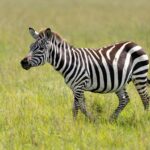
- Zebras, buffalos, giraffes, and warthogs move through the landscape around you
- The gorge walk requires scrambling through narrow canyon passages
- Children who find four-hour game drives difficult stay fully engaged
The park sits adjacent to Lake Naivasha in the southern Rift Valley, about 90 kilometres from Nairobi. The twin volcanic rock columns, Fischer’s Tower and Central Tower, are the signature landmarks and visible from the main gate.
Wildlife you can expect at Hell’s Gate:
- Maasai giraffe
- Plains zebra and Burchell’s zebra
- Cape buffalo
- Eland, impala, kongoni (Coke’s hartebeest)
- Klipspringer on the cliff faces
- Cheetah (rare but confirmed sightings)
- Lammergeier (bearded vulture) nesting on the cliffs
- Over 100 recorded bird species
The Hell’s Gate gorge is the park’s geological highlight: a slot canyon carved by ancient water action, with hot springs, steam vents, and active geothermal activity throughout. The Kenya Electricity Generating Company (KenGen) operates the Olkaria Geothermal Plant just outside the park boundary — you can see the steam columns from inside the park.
How to Cycle Hell’s Gate: Routes, Distances, and What to Expect
Bicycles are available for hire at the Elsamere gate (Main Gate) for approximately KES 600 to 800 per hour. You can also bring your own. Arranging bike hire in advance guarantees availability, particularly for larger groups.
Main cycling circuit:
| Route Section | Distance | Surface | Difficulty |
|---|---|---|---|
| Main Gate to Fischer’s Tower | 2 km | Murram (gravel) | Easy |
| Fischer’s Tower to Ol Njorowa Gorge | 5 km | Gravel and rocky | Moderate |
| Gorge descent and walk | 1.5 km | On foot (bike left at entrance) | Moderate with scrambling |
| Return via Northern Loop | 6 km | Murram | Easy to moderate |
| Full circuit total | Approx. 15 km | Mixed | 3 to 4 hours |
The gorge section requires leaving bikes at the canyon entrance and continuing on foot. A KWS ranger guide accompanies all gorge walks. The walk involves scrambling over rocks and wading through shallow hot spring channels in places. Proper walking shoes are not optional.
Practical cycling notes:
- Start early (07:00 to 08:00) to ride during cooler morning temperatures
- The equatorial midday sun at 1,900 metres altitude is intense and draining
- Carry at least two litres of water per person
- The surface is corrugated gravel — mountain bikes or hybrid bikes handle it much better than road bikes
- Photography is best on the return northern loop in late afternoon light
The Gorge Walk: What Happens Inside the Canyon
The gorge walk is the park’s most dramatic experience. The canyon is narrow enough to touch both walls in places, with thermal vents hissing steam at the base and chambers that feel genuinely ancient.
The standard gorge walk takes two to three hours with a ranger. You descend into the main gorge via a steel ladder installed by KWS, then navigate through chambers with names like “Washing Machine” (a circular cavity carved by ancient waterfalls) and “The Pulpit” (a rock platform above the main thermal vent).
The hot springs at the gorge base maintain temperatures around 45 to 65 degrees Celsius. Do not step into them without direct guidance from the ranger. The ranger walk is required by KWS and adds genuine value — rangers know the geological story and point out features you would otherwise walk past.
What to wear for the gorge:
- Closed-toe shoes or sandals with straps (no flip flops)
- Shorts or quick-dry trousers
- Sun hat for the exposed cliff-top sections
- Light jacket — the canyon can be noticeably cooler than the open plains
One important weather note: the gorge floor floods rapidly during heavy rain. If you arrive during or just after significant rainfall, the gorge section may be temporarily closed. Check conditions before departing for the park.
Hell’s Gate Geothermal Features: The Science Behind the Steam
The Rift Valley is one of Earth’s great geological fracture zones, and Hell’s Gate sits directly above active geothermal fields. The Olkaria geothermal complex adjacent to the park is the largest in Africa and supplies clean electricity to Kenya’s national grid.
Inside the park, surface expressions of this geological activity include:
- Fischer’s Tower: A 25-metre volcanic plug formed by ancient lava
- Hot spring vents along the gorge floor
- Steam columns visible at multiple points on the escarpment
- Obsidian outcrops on the northern escarpment loop
For travellers with geology or natural history interests, the geothermal landscape adds a dimension that a pure game-viewing park cannot match. This is a living landscape, still being shaped by forces you can see and feel beneath it.
Combining Hell’s Gate with Lake Naivasha: A Full Day from Nairobi
Most Hell’s Gate visits work best as a combined day trip with Lake Naivasha. The drive from Nairobi takes 90 to 100 minutes on the A104 highway, and Lake Naivasha is just five kilometres from the park entrance.
A practical one-day combination:
- 06:30 — Depart Nairobi
- 08:00 — Arrive Hell’s Gate, hire bikes at main gate
- 08:30 to 12:00 — Cycling circuit, gorge walk with ranger
- 12:00 to 13:00 — Lunch at Elsamere (Joy Adamson’s former house, now a conservation centre and lunch venue on the lake)
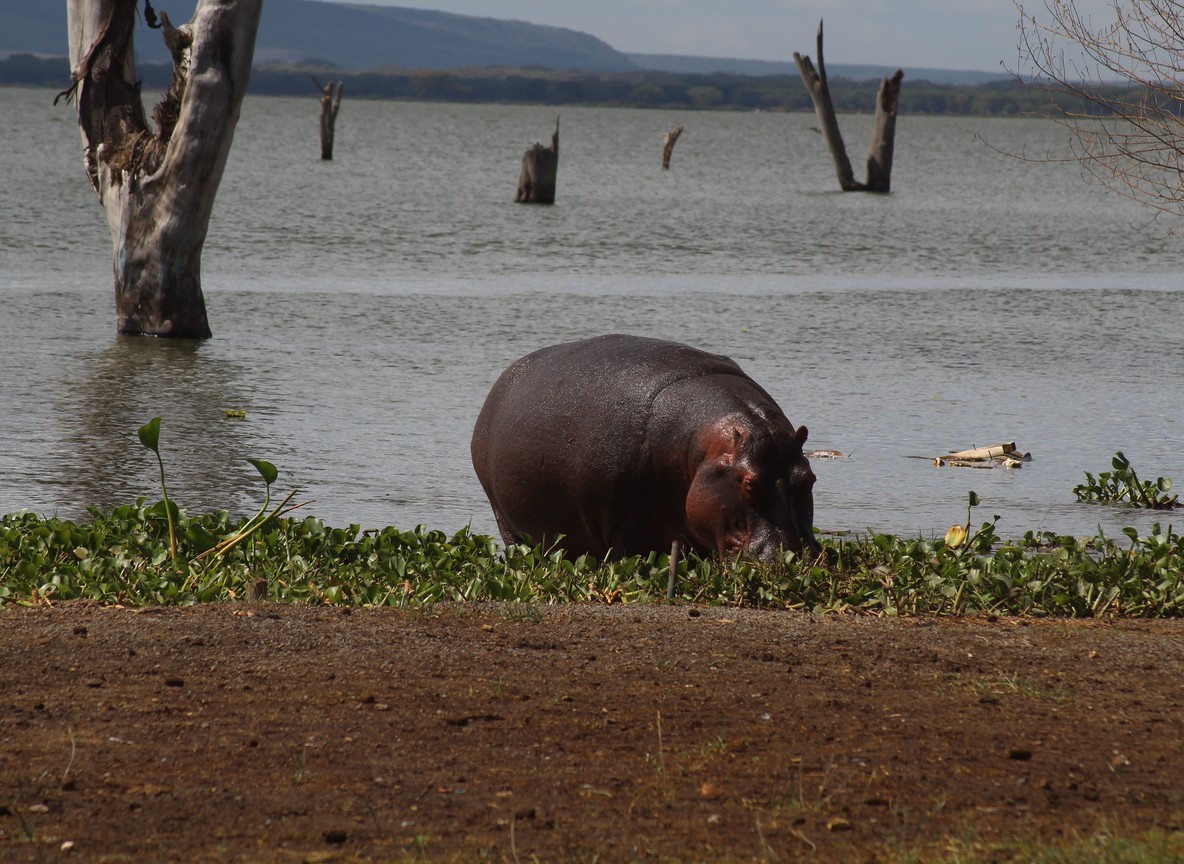
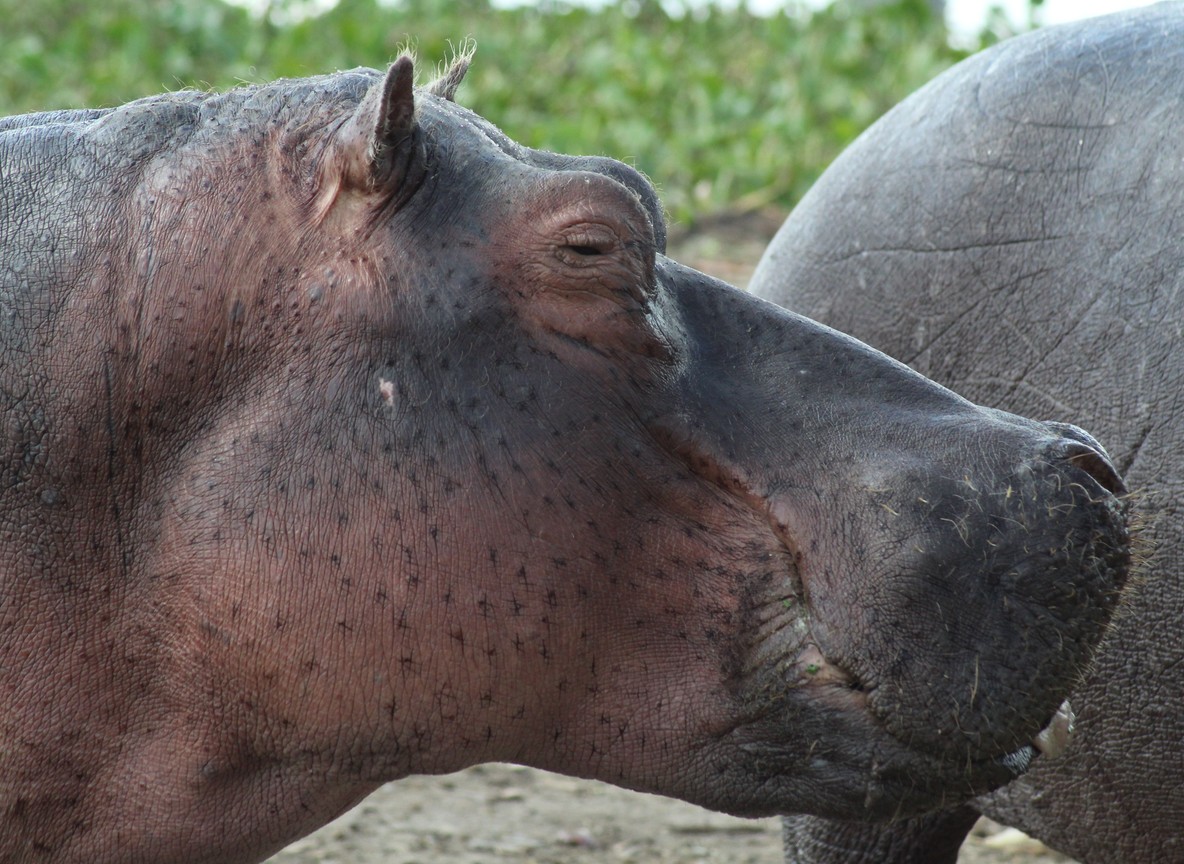
- 13:30 to 15:30 — Lake Naivasha boat safari (hippos at close range, fish eagles, Crescent Island walk)
- 15:30 — Depart for Nairobi
- 17:30 — Arrive Nairobi
This itinerary covers the cycling, the gorge, a boat safari with hippos, and the distinctive Elsamere setting. It is a high-variety day that works particularly well for families, mixed-interest groups, and travellers with limited time in Kenya.
Hell’s Gate for Families: Age Suitability
Hell’s Gate is one of the best Kenya options for families with older children. The cycling and gorge walk engage kids in ways that passive game drives often cannot.
| Activity | Minimum Recommended Age |
|---|---|
| Cycling the main circuit | 8 years (on own bike) |
| Gorge walk | 10 years (agility required) |
| Wildlife viewing on foot | All ages |
| Geothermal features and steam vents | All ages (with supervision) |
Families with younger children can still visit — KWS permits standard game drive vehicles alongside cyclists inside the park. A family with mixed ages can split activities: older children cycle while younger ones travel in the vehicle, meeting up at the gorge entrance.
The park pairs naturally with days spent elsewhere in game drive vehicles. It provides a physical, ground-level counterpoint that many children find more memorable than any conventional drive.
Park Fees and Practical Logistics
Current Hell’s Gate entry fees (2026):
| Category | Fee per Day |
|---|---|
| Non-resident adult | USD 26 |
| Non-resident child (3 to 18 years) | USD 13 |
| Resident adult | KES 215 |
| Bicycle hire at gate | KES 600 to 800 per hour |
| Ranger gorge walk fee | KES 300 per person |
Fees are payable via the KWS Fimbo app (Mpesa or card). It is worth sorting payment logistics in advance to avoid delays at the gate.
Best time to visit: Year-round. June to October is ideal for cycling — dry conditions, cool mornings, and clear views across the Rift Valley. The gorge may close briefly after heavy rain in any season.
Getting there: 90 minutes from Nairobi city centre by road. Most organised day trips include pickup from your Nairobi accommodation.
Explorer Notes
A few things worth knowing before you go:
The gorge walk is the highlight, not the cycling. Both are good, but first-time visitors who are short on time should prioritise the gorge. The canyon is genuinely extraordinary in a way that photographs only partially capture.
Fischer’s Tower is worth a short stop. The volcanic plug is unusual enough geologically to justify fifteen minutes up close, and it anchors the first section of the cycling route well.
Timing matters for wildlife on the plains. Early morning cycling produces the best wildlife encounters because large mammals are more active before the heat builds. The northern loop return in mid-morning tends to be quieter.
The heat is easily underestimated. The altitude moderates temperatures relative to Nairobi, but the equatorial sun at midday is intense. Water and sun protection are not negotiable, especially if you have children.
Conclusion
Hell’s Gate offers something Kenya’s other parks cannot — a safari you participate in physically, at ground level, in a landscape that is geologically alive. The cycling, the gorge, and the geothermal steam fields together create a full, varied day that rewards both wildlife enthusiasts and travellers who are not primarily looking for game drives.
It is the one Kenya safari experience that genuinely cannot be replicated anywhere else on the continent.
Next Steps
Hell’s Gate pairs naturally with Lake Naivasha and, for multi-day trips, with Lake Nakuru. See the Rift Valley parks combination guide and how to plan a day trip from Nairobi on Touring Insights.
For full-day guided trips from Nairobi that include park fees, bike hire, and boat safari, trunktrailssafaris.com is worth checking for private vehicle options.
Further reading
More safari planning resources
- Rift Valley lakes map from Valley Safaris
- Family safari collection on FindMySafari
- Nairobi to Maasai Mara route guide from Valley Safaris
- Kenya national parks map from Valley Safaris
Related guides: Marafa Hell’s Kitchen Kenya: A Reader’s Canyon Guide.