The Indian Ocean at Diani arrives as a long exhale. After days of dust, early alarms, and game drive adrenalin, there is something specifically restorative about standing knee-deep in warm, turquoise water with your feet in powdered coral sand. The savannah wakes you up. The ocean puts you back together.
Diani Beach sits on Kenya’s south coast, 30 kilometres south of Mombasa, and it is consistently ranked among the top beaches in Africa. But describing it purely as a beach destination undersells it considerably. The forest behind the sand is alive with Angolan colobus monkeys, Sykes monkeys, and over 300 bird species. The reef offshore is one of the most intact in East Africa. And the road north to Tsavo puts Kenya’s red elephant heartland within easy driving distance for anyone who wants to keep the safari momentum going.
This guide covers what makes Diani Kenya’s best coast destination, what to do when you get there, how to time your visit, where to stay, and how to build it into a wider Kenya itinerary.
Why Diani Beach Is Kenya’s Best Coast Destination
Kenya has a long Indian Ocean coastline with several strong beach options. Watamu is excellent for marine turtles. Lamu is extraordinary for Swahili culture and architecture. Malindi has its own following. But Diani keeps coming out on top for one consistent reason: it combines a genuinely excellent beach with accessible wildlife and well-developed tourist infrastructure, without losing the character that makes Kenya’s coast special.
The beach itself stretches for 17 kilometres of unbroken white sand, backed by a line of coastal forest and fronted by a warm, shallow reef lagoon. The water temperature rarely drops below 24 degrees Celsius. Rip currents are minimal inside the reef. The main beach stretch is free of large rocks or sharp coral.
The reef begins just a few hundred metres offshore. The coral gardens between the shore and the reef wall support a rich variety of fish, sea turtles, octopus, moray eels, and occasional whale sharks between October and February.
The coastal forest behind the beach is a fragment of the East African Coastal Mosaic, one of the world’s 34 biodiversity hotspots. The Angolan colobus monkey colony at Diani is the largest in Kenya. Watching them move through the canopy above a beach pool is a combination that no other Kenya destination can offer in quite this way.
What to Do at Diani Beach
Snorkeling and Diving at Kisite-Mpunguti Marine Park
Twenty minutes by boat from Diani, Kisite-Mpunguti Marine National Park is one of East Africa’s best marine protected areas. The park was established in 1978 and the decades of protection show in the coral cover and fish biomass. Encounters with spinner dolphins — resident year-round at Kisite — are almost guaranteed on morning boat trips.
The best snorkeling is at the outer reef, where the coral heads drop into deeper water and species diversity increases sharply. Day trips from Diani typically include snorkeling at two or three sites, a dolphin watch, and lunch on Wasini Island. For certified divers, the reef wall at Shimoni offers dramatic drop-offs and occasional pelagic sightings including Napoleon wrasse and barracuda.
Colobus Conservation Centre
At the northern end of Diani, the Colobus Conservation Centre is a rescue and rehabilitation facility and a genuine wildlife encounter. The Angolan colobus monkeys here are jet black and white, spectacularly long-tailed, and among the most photogenic primates in Africa. The conservation work protecting the coastal forest corridor is one of the more under-reported wildlife stories in Kenya.
Guided walks through the forest take about an hour. The centre also offers volunteer opportunities for longer stays.
Shimba Hills National Reserve
Twenty minutes inland from Diani, Shimba Hills National Reserve covers a forest-clad escarpment with views to the Indian Ocean and wildlife that includes sable antelope (one of the most beautiful and rarest antelopes in Kenya), elephants, and a strong bird list. Shimba Hills is routinely overlooked because it cannot compete with the Mara for game density, but for travelers who want a gentler, greener safari experience as a half-day or full-day trip from the beach, it is a beautiful addition.
Watersports
Diani has a well-developed watersports scene:
- Kitesurfing: One of the best kitesurfing spots in East Africa; season peaks July to September
- Stand-up paddleboarding inside the reef lagoon
- Deep-sea fishing: Marlin, sailfish, and dorado between October and April
- Glass-bottom boat trips for non-swimmers who want a reef view without getting wet
Dhow Sailing
Traditional Swahili dhow trips run as sunset excursions and full-day outings. This is a good way to engage with the coast’s maritime history, which stretches back over a thousand years of Indian Ocean trade.
Combining Diani Beach with a Kenya Safari
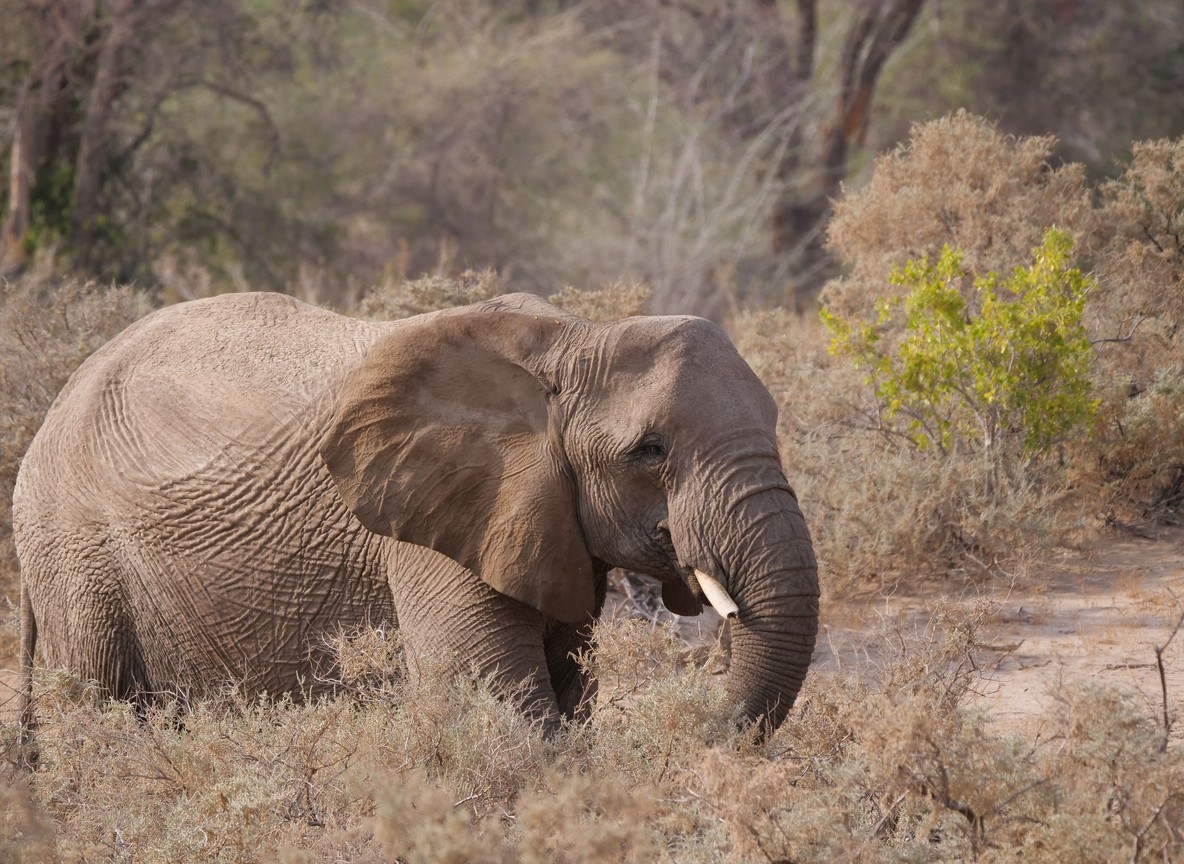
The most popular itinerary structure is a Tsavo plus Diani combination. Tsavo East and Tsavo West together form the largest national park complex in Kenya, sitting directly inland from the south coast. The drive from Tsavo West to Diani Beach takes approximately three hours.
The Classic Bush-and-Beach Sequence
| Days | Destination | Experience |
|---|---|---|
| Day 1-2 | Nairobi arrival and transfer | Acclimatize, overnight Nairobi |
| Day 2-4 | Tsavo East or West | Red elephants, Mzima Springs, Big Five |
| Day 4-7 | Diani Beach | Ocean, reef, forest, colobus monkeys |
| Day 7 | Fly Mombasa to Nairobi | Wilson Airport or JKIA |
This seven-day format covers two completely different Kenyan environments and is particularly well-suited to honeymooners, couples, and first-time Kenya visitors who want both the wildlife intensity of a safari and the restorative luxury of a beach stay.
For a longer holiday, adding the Masai Mara before Tsavo gives you the full sweep: Mara (migration and big cats) plus Tsavo (red elephants and Mzima Springs) plus Diani (Indian Ocean). Ten days covers it comfortably.
For the logistics of transitioning from Tsavo to Diani, see the Diani beach after safari planning guide.
When to Visit Diani Beach Kenya
| Month | Beach Conditions | Notes |
|---|---|---|
| Jan-Feb | Excellent | Hot, dry, calm seas; peak whale shark season |
| Mar-May | Long rains | Avoided by most travelers; rough seas, lower visibility |
| Jun-Aug | Good | Drier, occasional cloud; kitesurfing peaks Jul-Sep |
| Sep-Oct | Excellent | Short dry season; warm, calm seas |
| Nov-Dec | Short rains | Unpredictable; often intermittent rather than continuous |
The two prime windows are January to February and September to October. Both periods have calm seas, warm temperatures, and excellent snorkeling visibility.
The long rains (March to May) are the one period to avoid for most beach-focused travelers. Sea conditions can be rough and underwater visibility drops significantly. However, if your goal is marine turtle nesting observation or whale shark encounters, October through January is the right window to target.
Where to Stay at Diani Beach
Diani has accommodation across every price tier.
Luxury:
- Alfajiri Villas: Three private villas set on a cliff above the beach, among the most exclusive properties on the east African coast. Fully private — no other guests visible from your terrace.
- Leopard Beach Resort: Large, well-run resort with excellent beach frontage and a strong dive centre.
Mid-range:
- Baobab Beach Resort: Large resort with multiple pools and long beach frontage. Family-friendly and popular with couples.
- Pinewood Beach Resort: Quieter and smaller, good value, strong repeat-guest loyalty.
Budget and Character:
- Diani Backpackers: The best budget option; overlooks the beach; social atmosphere that works well for solo travelers.
For honeymooners and couples, the cliff villas and boutique properties at the southern end of Diani are consistently the better choice. The southern stretch is quieter, more private, and better suited to the kind of atmosphere a post-safari recovery and a romantic trip both call for.
Getting to Diani Beach
By air: Fly Nairobi to Mombasa (1 hour) with Kenya Airways, Fly540, or Jambojet. From Mombasa’s Moi International Airport, Diani is a 45-minute road transfer via the Likoni Ferry. Alternatively, fly directly to Ukunda Airstrip, which is 10 minutes from most Diani properties and served by Safarilink and AirKenya from Wilson Airport in Nairobi.
By road from Tsavo: A 3-hour drive from Tsavo West via Mombasa, or slightly longer via the direct route through Voi. This is the standard option for guests doing an overland Tsavo-to-Diani combination.
The Likoni Ferry: If arriving by road from Mombasa, you cross the Kilindini Channel on the vehicle ferry. It runs 24 hours, takes 5 to 10 minutes per crossing, and is an unexpectedly memorable arrival moment in itself.
Explorer Notes
Seaweed seasons affect the beach. Sargassum seaweed deposits on the south Kenya coast peak roughly April to June and sometimes in October. Not every year is severe. The best properties have housekeeping teams that clear the beach daily, but during heavy deposits no camp can fully mitigate it. If visiting during these months, ask your accommodation directly about current conditions.
The tidal flat is wide. At low tide, much of Diani’s beach is shallow sandflat rather than swimmable ocean. The best swimming happens around high tide. Check a tide table for your stay dates and plan your water time accordingly.
Colobus monkeys will find you. Most Diani properties have monkey troops moving through their grounds. Keep food secured on your terrace and do not feed them — it disrupts their natural behavior and creates habituated animals that can become aggressive.
South Diani is better for couples; north Diani is better for families. The northern stretch near Diani Beach Road has more restaurants, shops, and activity providers. The southern stretch is quieter and more private. Where you stay shapes the character of the entire visit.
The reef has rules. Kisite-Mpunguti Marine Park requires a park entry fee and operates with licensed guides. Independent snorkeling directly off the Diani beach is free but the coral is less impressive than the marine park sites. Budget for the boat trip — it is worth it.
Conclusion
Diani Beach is not just a beach destination. It is the sensory counterpoint that makes a Kenya safari complete. The ocean delivers something the savannah cannot, and the two halves together create a trip that neither experience alone could be.
Whether you are coming off a Tsavo game drive, a Masai Mara migration safari, or just need the Indian Ocean on its own terms, Diani consistently delivers on its promise: warm water, white sand, good reef, and a coastal forest that reminds you the wildlife did not stop at the beach.
Next Steps
For planning a Diani beach stay combined with a Tsavo safari, the Diani beach after safari guide covers the logistics in detail. For marine park booking, Kisite-Mpunguti boat trips are organized through your accommodation or through licensed operators on Diani Beach Road. Entry fees and marine park information are available from the Kenya Wildlife Service at kws.go.ke.
For destination comparisons across the Kenya coast — Diani versus Watamu versus Lamu — touringinsights.com has detailed side-by-side coverage to help you choose based on your travel priorities.
Turn this reading into a real itinerary with help from a Kenya-based safari team.
Start Planning Your SafariFurther reading
More safari planning resources
- Map of Tsavo from Valley Safaris
- Diani Beach guide on FindMySafari
- Tsavo destination guide on FindMySafari
- Nairobi to Maasai Mara route guide from Valley Safaris
Related guides: Nairobi to Diani Beach Safari: A Reader’s Route Guide.