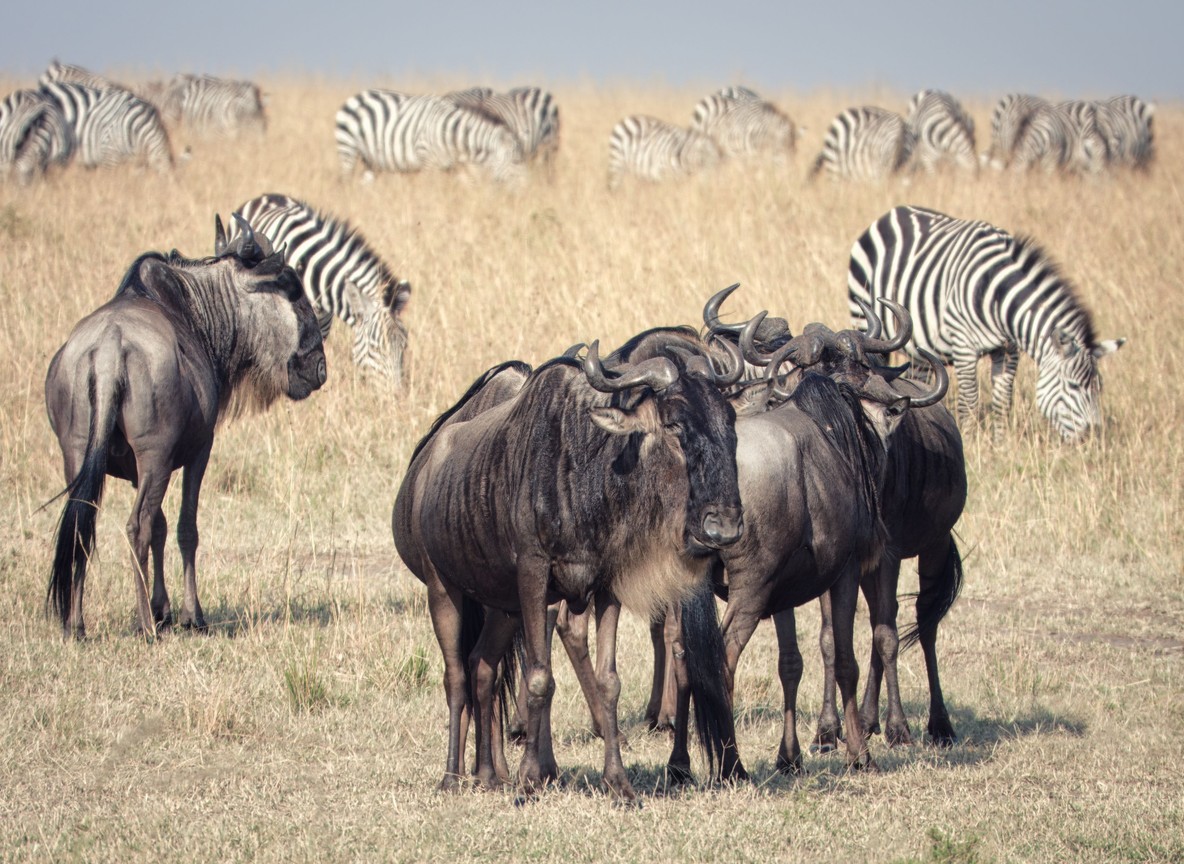
The standard corporate retreat — conference room, team exercises, hotel bar — works for consolidating alignment. It does not create the kind of shared memory that binds a team for years. A Kenya safari does.
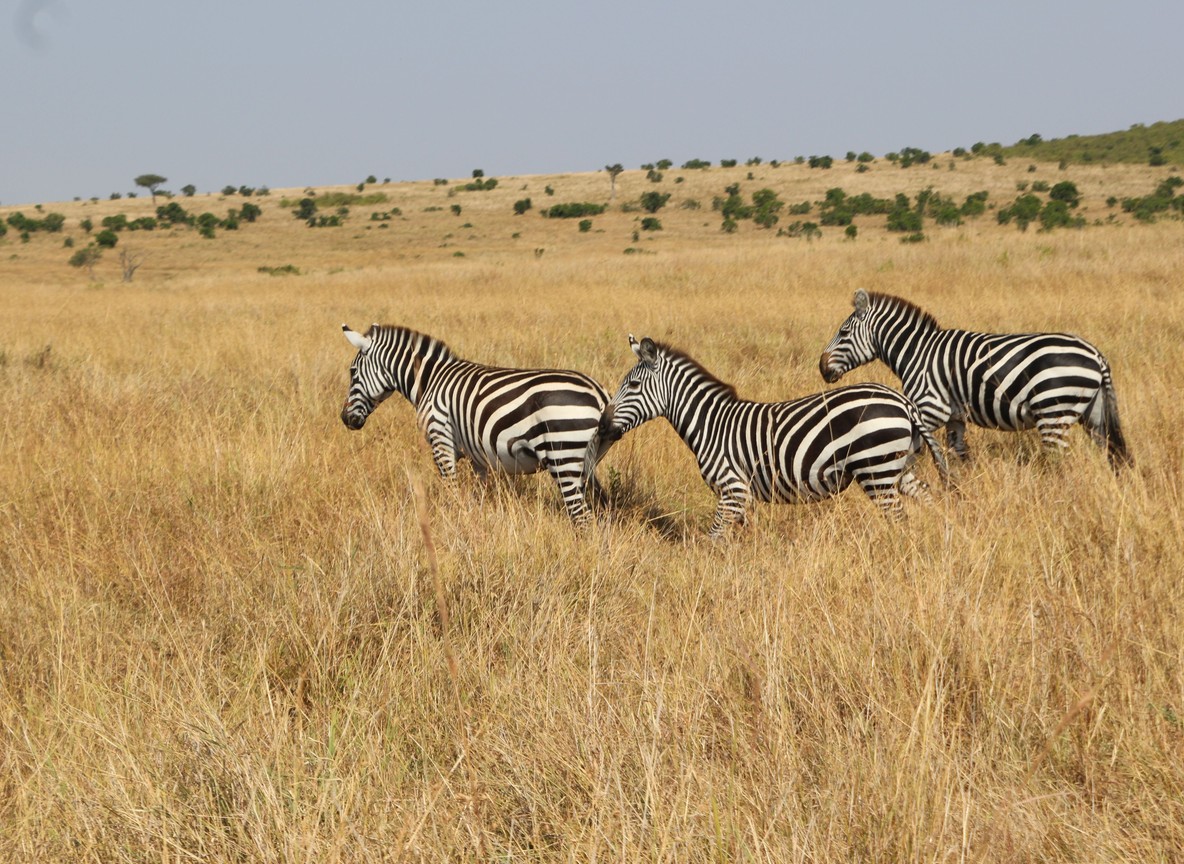
Watching a lion coalition take down a buffalo at dawn, standing on a ridge above the Masai Mara at sunset, sharing a campfire story with a Maasai guide who has lived in this landscape his whole life — these experiences do not translate into a PowerPoint deck. They do create the kind of common reference point that makes teams function differently after they return.
Corporate safari Kenya is a growing segment of the incentive travel market for exactly this reason. This guide covers what a corporate safari involves, which camps and destinations work best for groups, the logistics of organizing a Kenya trip for a party of 8 to 40 people, and what the full planning picture looks like.
Why Kenya for Corporate Incentive Travel?
Accessibility from Europe and the Middle East: Kenya is the most accessible East African destination for European and Middle Eastern corporate groups. Nairobi’s JKIA has direct connections from London, Amsterdam, Paris, Dubai, Doha, and multiple European hubs. Flight time from London is 8.5 hours — comparable to a long-haul US domestic flight.
Concentrated itinerary value: Kenya allows a 5-7 day corporate itinerary with two or three dramatically different experiences (bush game drives, cultural interactions, optional beach extension) without the complex multi-country routing that other African destinations require.
World-class camps with group facilities: The Masai Mara’s premium camps have experience hosting corporate and incentive groups. Private use buyouts — where your group has exclusive use of an entire camp — are available from many properties and entirely appropriate for groups of 10 to 22, which is the typical capacity of a luxury tented camp.
Conservation story: Kenya’s wildlife conservation model is one of the world’s most compelling corporate responsibility narratives. Staying in a community conservancy directly funds Maasai community income. For companies with ESG commitments, this is a genuine, documentable impact story.
Corporate Safari Formats: Which One Fits Your Group?
1. Incentive Group Safari
Who it suits: Top sales performers, long-service awards, executive team recognition Group size: 8-20 people Duration: 5-7 days Format: Hosted by a coordinator throughout; programmed game drives, cultural experiences, and one or two optional activities (hot air balloon, walking safari); welcome and farewell group dinners
Incentive safaris are the core of the corporate Kenya market. They work because the experience is inherently status-marking — these are not people who need convincing that a Kenya safari is special. The logistical challenge is real: visa coordination, dietary management across a group, flight timing alignment, and camp-specific activity sequencing.
2. Executive Team Retreat
Who it suits: C-suite teams, board offsites, leadership program cohorts Group size: 6-14 people Duration: 4-6 days Format: Mix of programmed safari experiences and facilitated discussion sessions using a private dining tent or camp lounge; optional team facilitation by an external coach travelling with the group
Bush camps in private conservancies are the natural setting for executive retreats. The absence of phone signal in many camps removes distractions in a way that no urban venue can match. The physical environment — open land, wide skies, wildlife proximity — creates a psychological state that is demonstrably different from a boardroom. Conversations go deeper. Hierarchies loosen. Decisions that had stalled for months in the office get made.
3. Private Buyout Safari
Who it suits: Groups that want full camp exclusivity Group size: Matches camp capacity, typically 10-22 guests Duration: Minimum 3 nights, typically 5 Format: Your group has the entire camp: all tents, all vehicles, all guides, all staff. Activities are programmed around the group’s preferences, not a shared schedule
Private buyouts are the most expensive corporate option and the most satisfying. Your group does not share the dining area, the vehicles, or the fire with strangers. You control the schedule. Sundowner locations, meal timing, game drive focus, and cultural interaction depth are all decided by your group coordinator in advance.
Premium camps that accept private buyouts in the Mara ecosystem include Kicheche Bush Camp, Governors’ Private Camp, Porini Mara, and camps within Mara Naboisho Conservancy.
4. Conference Safari (30-80 participants)
Who it suits: Annual company conferences, sales kick-offs, large team events Group size: 30-80 people Duration: 4-5 days Format: Group accommodation split across two or three camps in the same conservancy or adjacent areas; plenary sessions in a large tent or purpose-built conference venue; field-program options for sub-groups
This format requires more logistical complexity and suits companies with experience in African incentive travel. Multi-camp coordination and ground handler management are central to making it work.
Best Destinations for Corporate Safaris in Kenya
Masai Mara
The Mara is the right choice for most corporate Kenya groups for three reasons: wildlife density (game drives almost always deliver something memorable), camp quality (the best properties in Kenya are concentrated here), and cultural access (Maasai cultural programs are well-developed and genuinely moving).
The private conservancies surrounding the main reserve — Olare Motorogi, Ol Kinyei, Mara Naboisho, Mara North — are particularly suitable for corporate groups because of their vehicle exclusivity, camp privacy, and night game drive availability.
Laikipia Plateau
For executive retreats that want something less known and more exclusive, the Laikipia Plateau delivers: horseback safaris, lion tracking on foot with conservation researchers, camel-back expeditions across ranch land, and some of Kenya’s most architecturally distinctive lodge properties. Laikipia is a 4-hour drive or 30-minute charter flight from Nairobi. It suits smaller groups of 6 to 14 who value uniqueness over peak wildlife density.
Amboseli
Amboseli‘s Kilimanjaro backdrop makes it the most visually dramatic destination in Kenya for photography-heavy incentive programs. Elephant viewing is exceptional. Camp quality has improved significantly over the last three years, with several premium openings. It sits 4 to 5 hours by road or 45 minutes by charter flight from Nairobi.
Logistics: What a Corporate Kenya Safari Actually Requires
| Task | Who Handles It |
|---|---|
| Visa coordination (eTA for all nationalities) | Instructions provided; individuals apply online |
| Group flights to Nairobi international | Company travel manager or agent |
| Airport pickup and group transfer | Ground operator |
| Nairobi pre-programme (if required) | Ground operator |
| Internal bush flights (Wilson to airstrip) | Booked via Safarilink or AirKenya |
| Camp booking, dietary management, activity programming | Ground operator |
| On-ground coordination (game drives, cultural programmes) | Coordinator plus camp guides |
| Photography documentation (optional) | Professional wildlife photographer add-on |
| Post-trip report and CSR documentation | Available on request from most operators |
Lead time required: Allow a minimum of four months for a corporate group booking. Premium camps during peak season (July to October) require six to twelve months’ lead time. Laikipia properties are more flexible.
Budget Guide
| Group Size | Safari Days | Accommodation Tier | Estimated Budget (USD, excl. international flights) |
|---|---|---|---|
| 8 people | 5 nights | Mid-range tented camp | $18,000-25,000 total |
| 12 people | 5 nights | Premium camp | $35,000-55,000 total |
| 20 people | 5 nights | Private buyout (premium) | $80,000-120,000 total |
| 40 people | 5 nights | Multi-camp arrangement | $150,000-220,000 total |
These figures include: camp full-board rates, park fees, internal transfers and bush flights, ground transport, cultural program access, and operator coordination fees. They exclude international flights, alcohol above standard camp inclusions, and optional add-ons such as balloon safaris or professional photography.
Park fees from July 2026: Masai Mara USD 200 per person per day. Amboseli USD 52 per person per day. Tsavo USD 52 per person per day.
Explorer Notes
The transition from office to bush is the whole point. The strongest corporate Kenya trips are the ones where the group does not fight the environment. No signal, no email, meals around a fire, game drives at 6am — these conditions are not obstacles to manage. They are the mechanism by which the trip creates something the office never could.
A hosted coordinator on the ground changes everything. Having a dedicated point of contact who travels with the group, knows the camps, and can adapt the schedule in real time is the difference between a logistics exercise and a seamless experience. Do not assume the camp’s own staff fills this role.
Cultural programming is not a box to tick. A well-designed Maasai community visit — where the interaction is genuine rather than staged — can be the most memorable hour of the entire trip for many participants. Ask specifically whether the cultural program is community-run and what economic benefit flows directly to the community.
Document the ESG story while you are there. Conservation contribution, community employment, and low-impact travel all have measurable outcomes. A corporate group staying in a Mara conservancy for five nights generates conservancy fees that directly fund ranger salaries. That is a concrete ESG data point.
Private vs shared vehicles matters for group dynamics. Sharing a vehicle with six colleagues on a game drive creates a shared moment. Splitting a large group across four separate vehicles creates four parallel experiences that do not merge. Think deliberately about which format serves your program objectives.
What to Look For in a Kenya Corporate Safari Operator
A strong Kenya corporate safari operator provides a single point of contact who manages your group from Nairobi airport arrival to departure. You should not be dealing directly with camps, transfer drivers, or activity providers throughout the trip.
Every corporate itinerary should be built from scratch around the specific group: its culture, its objective for the trip, the physical fitness range of participants, and any CSR commitments to fulfill. A fixed “corporate package” is a sign that the operator is not listening carefully.
On-ground presence throughout the program is non-negotiable for groups above 12. If a bush flight is delayed, a camp activity changes, or a participant needs assistance, the resolution should happen through your coordinator — not via a call center or a message to a subcontractor.
For internal flight logistics between Wilson Airport and bush airstrips, Safarilink and AirKenya are the primary scheduled operators. Charter options are available for larger groups with specific timing needs.
Conclusion
A well-planned corporate safari in Kenya is not a luxury add-on to a standard incentive program. It is a fundamentally different kind of experience — one that operates on the group at a level that no hotel property can replicate, and that creates shared reference points durable enough to still matter two years later.
The logistical requirements are real, but they are all manageable with the right lead time and the right ground operator.
Next Steps
For detailed destination planning, touringinsights.com covers the Masai Mara, Amboseli, and Laikipia with the specificity useful for corporate group research: camp comparisons, seasonal conditions, and transport options. The Kenya Tourism Regulatory Authority (ktb.go.ke) maintains a register of licensed operators who can submit formal group proposals on request.
Internal flight booking via Safarilink or AirKenya is straightforward for groups and can be handled in parallel with camp bookings once dates are confirmed.
Turn this reading into a real itinerary with help from a Kenya-based safari team.
Start Planning Your SafariFurther reading
More safari planning resources
- Nairobi to Maasai Mara route guide from Valley Safaris
- Masai Mara destination guide on FindMySafari
- Interactive Maasai Mara map from Valley Safaris
- Ol Pejeta and Sweetwaters safari package from Valley Safaris
Related guides: Christmas Safari in Amboseli vs January Trip: Which Window Actually Works Better, Structuring a Corporate Incentive Safari in Kenya: How the Rewards Programs Work.