A beach stay in Diani often raises the same question: is there enough time to leave the coast, see serious wildlife, and still return without turning the trip into a blur? For many travelers, the answer is yes. A 2 day Tsavo East safari Diani Beach itinerary can work surprisingly well because the park is close enough to make the transition from ocean to savanna practical.
This guide explains what the trip actually feels like, how long the road journey takes, what wildlife sightings are realistic, why Tsavo’s elephants look red, and when a short safari from Diani Beach is enough. It also looks at the walking safari option that sometimes gets added on conservancy land near the park. The aim is simple: help readers decide whether this is the right kind of Kenya safari extension for their time, energy, and travel style. For the bigger coast-to-bush planning picture, pair it with the broader Diani Beach safari overview.
Why This Short Safari Appeals to Coast Travelers
Tsavo East works for short escapes because it does not demand complicated logistics. From Diani, the drive to the park takes roughly 3.5 to 4 hours depending on traffic, route, and gate choice. That makes a quick safari from Diani Beach more realistic than many first-time visitors assume.
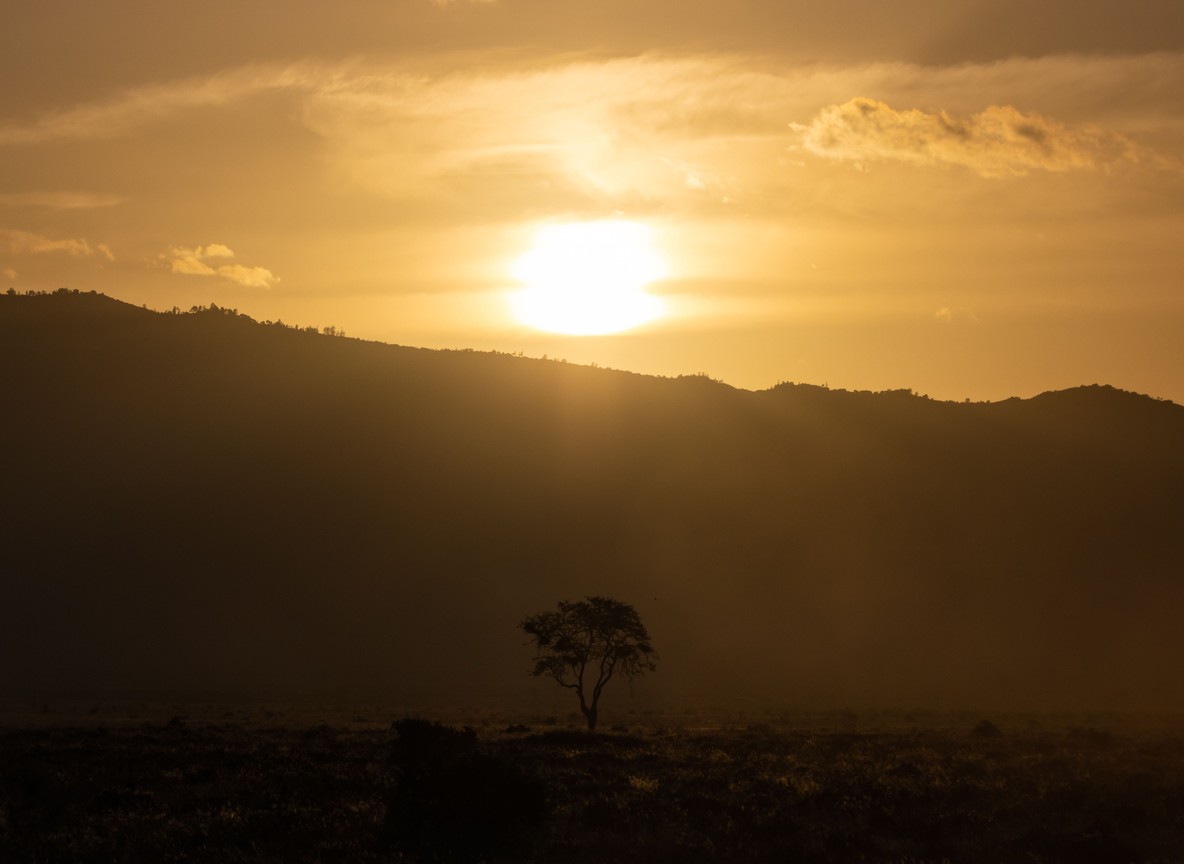
The contrast is part of the appeal. One morning begins with palm trees, sea air, and beach hotels. By late morning, the scenery has shifted into dry country, red soil, thorn scrub, and wide-open plains. That sharp change in landscape is one reason the beach to bush 2 days Kenya format feels bigger than its timeline suggests.
Tsavo East also rewards limited time differently from parks where wildlife viewing depends on long internal transfers. The park is vast, but several sectors regularly produce good sightings, especially for elephants, plains game, and big landscapes. Two days will not deliver a complete understanding of Tsavo. It can, however, deliver a meaningful first experience of Kenya’s dry-country safari country. Readers who want the park-wide ecological frame can use the full Tsavo overview as a companion.
Getting from Diani to Tsavo East
Most itineraries begin with an early departure from Diani, usually around sunrise. That early start matters because it helps travelers reach the park while there is still enough day left for a useful first game drive.
Typical trip basics:
- Departure point: Diani Beach or nearby south coast properties
- Drive time: about 3.5 to 4 hours
- Distance: roughly 200 km depending on route and gate
- Common format: road transfer, afternoon game drive, overnight stay, early activity next morning, return to coast
- Best fit: travelers with limited time who still want a bush experience during a coast stay
The road section is not just dead transit. It offers a visible transition from humid coastal terrain into drier interior country. For readers deciding between a short safari and staying on the beach throughout, that change of environment is part of the value.
What Day 1 Usually Looks Like
The first day is mostly about making the move inland efficiently and using the second half of the day well. After leaving Diani in the morning, the route heads toward Tsavo East through increasingly dry terrain marked by baobabs, scrub, and open country.
Arrival is typically timed for late morning or around midday. Depending on the operator and exact itinerary, lunch may come before the first game drive or after a short introductory drive. The afternoon is the important wildlife window. Light softens, animals become more active, and the red earth that Tsavo is famous for begins to glow more strongly toward evening.
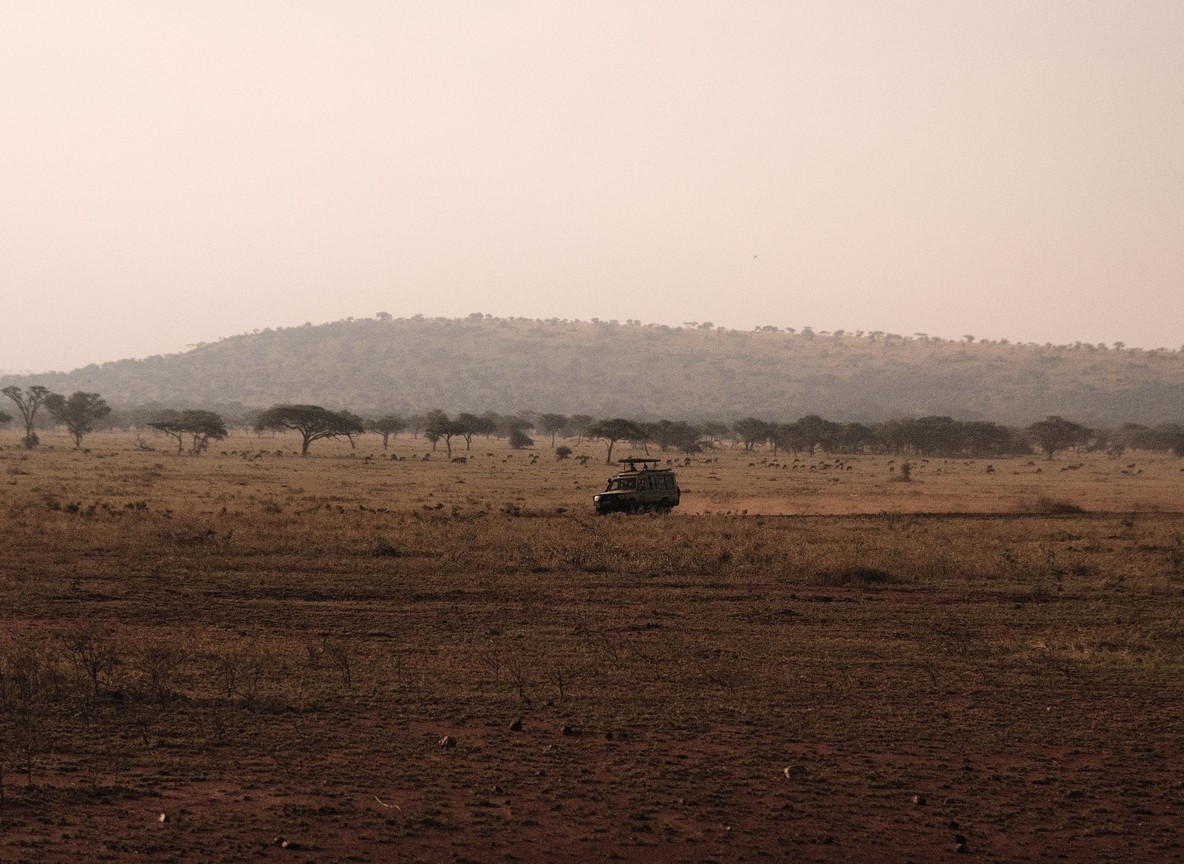
A first afternoon drive in a Tsavo East safari from Diani often centers on broad, readable landscapes rather than dense sighting clusters. That changes the mood. Instead of the compressed drama of a smaller park, Tsavo often feels spacious and elemental. Herds can appear at a distance, crossings may unfold slowly, and the scale of the place becomes part of what readers remember.
Wildlife expectations for this first drive are usually strongest for:
- Elephants
- Zebra
- Giraffe
- Buffalo
- Antelope species such as lesser kudu or gerenuk in some areas
- Birdlife around water and open scrub
Lion sightings are possible, but two-day travelers should treat predators as a bonus rather than a guarantee.
Day 2: Dawn Activity, Lugard Falls, and the Return
The second day usually starts early. This is common across safari itineraries for good reason: temperatures are lower, light is better, and wildlife activity can be stronger. Some programs focus on a dawn game drive inside the park. Others include a Tsavo East walking safari on adjacent conservancy land where guided walking is legally and practically possible.
That walking option changes the rhythm of the trip. On foot, the landscape becomes more detailed. Tracks, dung, broken stems, bird calls, insect movement, and shifts in soil texture suddenly matter. A vehicle safari shows scale and distance well. A guided walk reveals evidence and texture. For some travelers, that is the most memorable part of the trip.
After breakfast, many short itineraries include a stop at Lugard Falls before the drive back to the coast. Lugard Falls is not a towering vertical waterfall in the classic sense. It is a set of rapids and sculpted channels along the Galana River, where water cuts through worn rock in a way that feels geological rather than dramatic in a postcard sense. That difference matters because travelers sometimes arrive expecting one thing and find something more subtle, and arguably more interesting.
By early afternoon, the return drive begins. If the road conditions cooperate, travelers are usually back at the coast by early evening.
The Red Elephants of Tsavo East
The image most closely associated with Tsavo East is the red elephant. That phrase can mislead first-time readers if it is taken literally. The elephants are not naturally red. Their color comes from Tsavo’s iron-rich dust, which coats their skin after dust-bathing and wallowing.
This behavior is more than a visual trademark. Dust helps elephants protect their skin from insects and sun exposure. In Tsavo, the local soil makes the effect especially striking, which is why Tsavo East elephants Diani searches are so common among travelers looking for a quick coast-to-bush extension.
What many readers notice is that Tsavo’s elephant encounters often feel spacious and cinematic. Herds move across open country, the laterite soil intensifies the color palette, and dust clouds can transform an ordinary sighting into something visually distinctive. For photographers, that red-earth context is one of the main reasons Tsavo does not feel interchangeable with other Kenya parks.
The park is also one of Kenya’s major elephant landscapes. That is part of why sightings are often central to a short safari here. A two-day visit may not cover the ecosystem deeply, but elephants are the species most likely to give the trip emotional weight quickly.
The Walking Safari Option
Not every diani to Tsavo East 2 days itinerary includes guided walking, and not every traveler wants it. Still, it is worth understanding because it adds something fundamentally different to a short trip.
A guided walk near Tsavo usually takes place on conservancy land rather than inside the core national park. That distinction matters. Walking rules are stricter in protected wildlife areas, and legal access depends on where the activity is happening and who is leading it.
What the walk can add:
- A better sense of scale
- Track interpretation and bush signs
- Closer attention to plants, insects, and birds
- A different pace from vehicle-based wildlife viewing
- Stronger memory of place, not just sightings
What it does not add:
- A guarantee of close encounters with large wildlife
- A replacement for game drives
- A casual, unguided bush stroll
Travelers who want the trip to feel more immersive often find this option valuable. Travelers who mainly want classic game-viewing from a vehicle may prefer a standard dawn drive instead.
Is Two Days Enough?
For many readers, this is the real question. The honest answer is that two days is enough for a worthwhile introduction, but not for deep coverage of Tsavo.
Two days is often enough if:
- You are based in Diani and do not want to lose too much beach time
- You mainly want to see elephants, broad savanna, and a classic Kenya wildlife setting
- You are comfortable with a compact schedule
- You treat the trip as an extension, not the center of the whole holiday
Two days may feel too short if:
- Wildlife is the main purpose of your Kenya trip
- You want a better chance at predator sightings
- You dislike long road days relative to time on site
- You want to combine Tsavo East with Tsavo West or Amboseli
Three days creates more breathing room and another full wildlife window. Five days changes the trip entirely, allowing a fuller safari circuit rather than a short coast add-on. Readers deciding whether to stay with Tsavo East alone or widen the route can compare this with the 3-day Tsavo East and West itinerary. Readers trying to choose between a weekend safari Kenya coast option and a longer inland focus should think less about checking a safari box and more about what they want to remember most once the trip ends.
Explorer Notes and Practical Takeaways
- Leave early. A late departure compresses the first game drive and weakens the trip.
- Expect heat, dry air, and dust. Tsavo feels different from greener parks.
- Treat elephants as the signature sighting, not a bonus.
- Ask in advance whether the walking safari is on conservancy land and whether it is included or optional.
- Lugard Falls is worth seeing for landscape texture and river geology, not because it looks like a giant single-drop waterfall.
- Two days works best as a coast extension, not as a substitute for a longer Kenya safari.
Frequently Asked Questions
How far is Tsavo East from Diani Beach?
Most road itineraries take roughly 3.5 to 4 hours each way, though traffic and gate choice can affect timing.
What animals are most likely on a short Tsavo East trip?
Elephants are the headline species. Zebra, giraffe, buffalo, antelope, and many birds are also realistic expectations. Predator sightings are possible, but less predictable.
Is a 2-day safari from Diani too rushed?
It can feel compact, but many travelers find it worthwhile because the park is reachable enough to make one overnight stay productive.
What makes Tsavo’s elephants look red?
Their skin gets coated in iron-rich red dust from the local soil during dust-bathing and wallowing.
Should travelers choose two days, three days, or more?
Two days is often enough for a coast extension. Three days gives more room for wildlife viewing. Longer trips make more sense when safari, rather than beach time, is the main priority.
Conclusion
A 2 day Tsavo East safari Diani Beach itinerary works best when readers understand what it is and what it is not. It is not a deep, slow safari across all of Tsavo. It is a compact shift from coast to savanna that can still deliver elephants, red dust landscapes, river scenery, and a strong sense of Kenya’s dry-country wildlife world.
For travelers staying on the south coast, that may be exactly the right balance. The smartest next step is to compare this short format against a three-day option and decide whether the goal is a quick wildlife contrast or a more immersive safari chapter.
Turn this reading into a real itinerary with help from a Kenya-based safari team.
Start Planning Your Safari