

The phrase Mara Triangle safari often appears in planning conversations once readers realize that the Maasai Mara is not one uniform experience. The wider ecosystem is famous enough that many people assume every sector feels essentially the same. In practice, management structure, road conditions, traffic patterns, and viewing atmosphere can differ noticeably across the Mara system. The Triangle matters because it changes how the reserve is experienced on the ground.
This guide looks at the Mara Triangle as a distinct part of the larger Mara story. It explains where it sits geographically, why its management model matters, how it compares with the rest of the reserve, and why many readers treat the distinction as one of the most useful pieces of Mara literacy. For the broad ecosystem view, readers can pair this with the broader Maasai Mara reserve guide.
What the Mara Triangle Is
The Mara Triangle is the western section of the larger Maasai Mara ecosystem. It is framed by the Mara River on one side, the Oloololo Escarpment on another, and the Tanzania border to the south. Readers often encounter it as a name before they understand why it feels different from the rest of the reserve.
The first key distinction is administrative. The Triangle is associated with management by the Mara Conservancy, and that management difference shapes several practical aspects of the visitor experience.
This is why Mara Triangle Kenya is not just a map label. It signals a particular viewing environment.
Why the Distinction Matters
Many safari destinations are discussed as if wildlife quality alone explains everything. In the Mara, that is too simple. The experience of a game drive is also shaped by regulation, vehicle density, road maintenance, and the overall rhythm of movement through the landscape. During migration season, that difference becomes even easier to feel, which is why the Mara River crossing guide is a useful companion read.
Readers comparing the Triangle with the broader reserve are usually really comparing:
- management approach
- traffic intensity
- infrastructure reliability
- viewing atmosphere
- how crowded major sightings feel
Wildlife abundance matters, but experience design matters too.
Mara Triangle vs Maasai Mara
The phrase Mara Triangle vs Masai Mara can be misleading because the Triangle is part of the greater Mara, not a separate ecosystem. The more useful comparison is between the Triangle and other sections of the reserve that operate under different management conditions.
Management
The Triangle is widely noted for more centralized management through the conservancy model. Readers often care about this because management influences gate systems, road upkeep, anti-poaching standards, and the general sense of order across the area.
Crowd Levels
One of the strongest reasons readers become interested in the Triangle is vehicle density. In a destination as famous as the Mara, sighting pressure can shape how memorable a game drive feels. The Triangle is often discussed as a calmer option, especially for readers who care about space around sightings.
Road Quality
Road condition sounds like a logistical detail until readers spend several days moving through a reserve. Better-maintained roads can change comfort, access reliability, and the overall pacing of game drives, especially in wetter periods.
Viewing Mood
Some parts of the Mara can feel socially busy because the ecosystem is so famous. The Triangle often appeals to readers who want the Mara’s wildlife strengths with a little more breathing room.
Wildlife in the Triangle
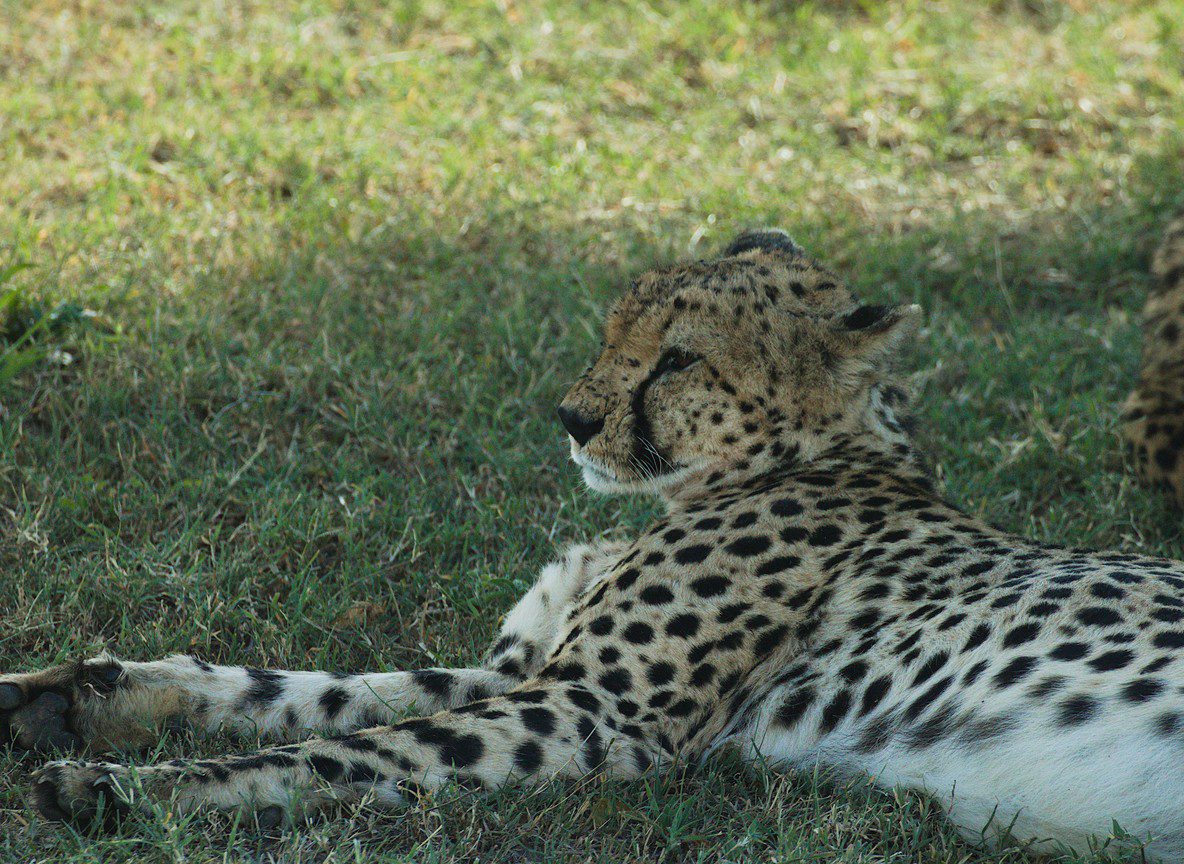
The Triangle is not important because it is somehow disconnected from the rest of the Mara’s wildlife richness. It matters because it shares in that richness while often presenting it in a different viewing context.
Readers can expect the wider Mara strengths to remain relevant here:
- big cat potential
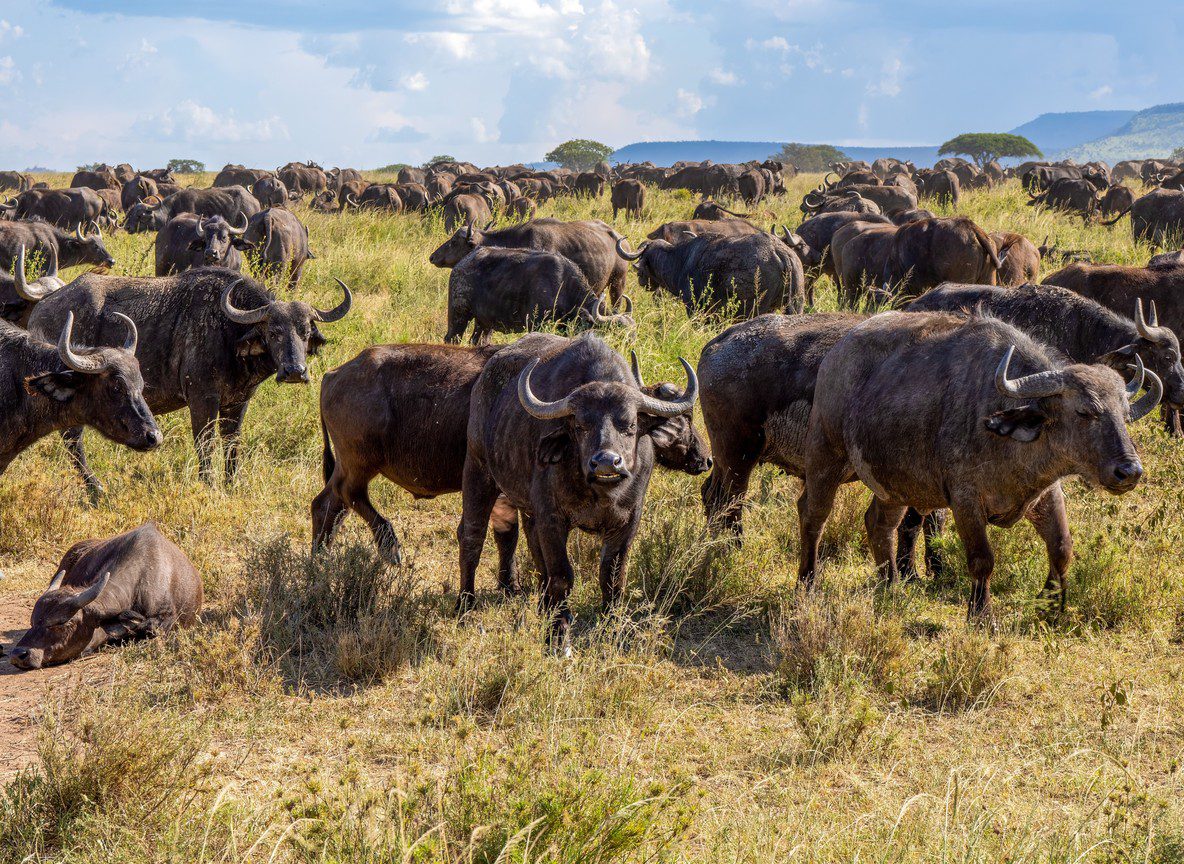
- large herbivore concentrations
- strong birdlife
- major migration-season significance
- open plains visibility that makes animal behavior easier to follow
The phrase Mara Triangle wildlife therefore refers less to a completely separate species list and more to how wildlife is encountered in a particular sector of the ecosystem.
Why Readers Talk About the Triangle During Migration Season
The Great Migration is one of the main reasons readers start comparing sectors. Because the Mara River helps define the Triangle, the area is closely tied to migration viewing logic. River crossings, herd concentrations, predator activity, and open grassland movement all make this section especially significant in migration season.
The practical appeal is clear:
- major migration movement can pass through the area
- river systems make crossing behavior especially important
- viewers often want strong positioning with less congestion
- open terrain supports broad scanning and anticipation
Readers interested in migration often discover that not all river-viewing experiences feel the same, even within the same ecosystem.
The Role of the Mara Conservancy
Mara Conservancy matters in reader discussions because it represents a management story, not only a wildlife story. Many people interested in the Triangle are really asking a broader question: how does administration shape conservation and visitor experience?
In the Triangle, that question tends to show up in discussions of:
- road standards
- ranger presence and anti-poaching reputation
- gate control and access rhythm
- general confidence in infrastructure and oversight
Readers do not need to become policy specialists to care about this. They only need to notice that reserve quality is partly managerial, not purely scenic.
Accommodation and Viewing Style
The Triangle also matters because it influences where readers choose to stay and how they want their days structured. Some travelers prioritize iconic Mara landscapes above all else. Others care more about the feel of the drives: fewer vehicles, steadier pacing, and less pressure around headline sightings.
The area tends to attract readers who value:
- quieter game-drive atmosphere
- a more controlled reserve feel
- strategic access to migration zones
- accommodation that emphasizes position rather than sheer volume of options
This is one reason the Triangle can appeal strongly even to readers already familiar with the Mara name. It offers a more specific version of a very famous destination.
Is the Triangle the Best Part of the Mara?
The question best part of Maasai Mara does not really have one objective answer. It depends on what the reader values.
The Triangle may appeal most to readers who prioritize:
- lower crowd pressure
- road reliability
- a sense of management coherence
- migration-season positioning
- a less chaotic game-drive atmosphere
Other sectors may suit readers who care about different camp locations, broader accommodation range, or a different spatial relationship to the reserve.
The useful conclusion is not that one part is universally best. It is that the Triangle answers a specific kind of Mara preference very well.
Practical Reader Expectations
Readers thinking about the Triangle should keep a few expectations clear:
- it is part of the larger Mara system, not a separate wildlife world
- the distinction matters because management changes experience
- migration relevance is one major reason it receives so much attention
- crowding and atmosphere can be just as important as raw wildlife density
- the best fit depends on what kind of reserve feel the reader wants
This framing is often enough to make the comparison genuinely useful rather than superficial. Readers deciding where this fits inside a bigger itinerary can also keep the best camps and lodges in the Maasai Mara guide and the wider Safaris in Kenya guide nearby.
Explorer Notes
- The Triangle is best understood as a differently managed sector of the wider Mara.
- Readers often notice the difference most in traffic levels and drive atmosphere.
- Migration interest makes the Triangle especially visible in planning conversations.
- Management structure affects reserve experience more than many first-time readers expect.
- The best Mara sector depends on priorities, not on one universal ranking.
Frequently Asked Questions
Is the Mara Triangle separate from the Maasai Mara?
No. It is a distinct western sector within the wider Mara ecosystem.
Why do readers compare the Mara Triangle with the rest of the reserve?
Because management, crowding, roads, and viewing atmosphere can differ in noticeable ways.
Is the Mara Triangle good for the Great Migration?
Yes. Its relationship to the Mara River makes it highly relevant during migration season.
Does the Triangle have different wildlife from the rest of the Mara?
Not fundamentally. The main difference is usually how wildlife is encountered and how crowded sightings feel.
Who is the Triangle best suited to?
Readers who value lower vehicle density, stronger management structure, and a calmer game-drive rhythm often find it especially appealing.
Conclusion
A Mara Triangle safari matters because it teaches readers that the Maasai Mara is not one flat destination category. The wildlife system may be shared, but the experience is shaped by management, traffic, roads, and the way famous sightings unfold in space. That is why the Triangle stays so prominent in serious Mara planning.
For many readers, the real value of the comparison is not choosing a winner in the abstract. It is understanding that different sectors of the same iconic ecosystem can support very different travel moods. Once that becomes clear, Mara planning becomes much sharper.