Kimana Gate sits on the eastern side of Amboseli National Park and serves as the entry point for travellers approaching from the Nairobi-Mombasa highway direction. It is less used than the main Meshanani Gate (the standard Nairobi approach) but has genuine advantages for specific itinerary types. Understanding what the Kimana area offers — and for whom it makes most sense — helps match accommodation to route rather than choosing by name alone.
Where Kimana Gate Is and How It Connects
Kimana Gate is located on the eastern boundary of Amboseli National Park, approximately 75 km from the Emali junction on the Nairobi-Mombasa A109 highway. The gate connects to the Kimana area, which includes the Kimana Wildlife Sanctuary — a community-managed conservation area adjacent to the national park that functions as a wildlife corridor between Amboseli and Tsavo West.
Travellers approaching Amboseli from the Nairobi-Mombasa road (rather than from Nairobi via Namanga or Emali directly) will naturally arrive at this eastern side of the ecosystem. It is also the more logical access point for itineraries linking Amboseli with Tsavo West, since the Tsavo road extends east from the Kimana area.
Types of Accommodation Near Kimana Gate
Accommodation near Kimana Gate ranges from budget and mid-range camps on the park boundary to community-managed conservancy lodges within the Kimana Wildlife Sanctuary itself.
Budget and mid-range camps in this area typically offer:
- Full-board or bed-and-breakfast rates
- Game drives into Amboseli National Park (park fees paid at gate)
- Some properties with additional game drives within the Kimana Wildlife Sanctuary
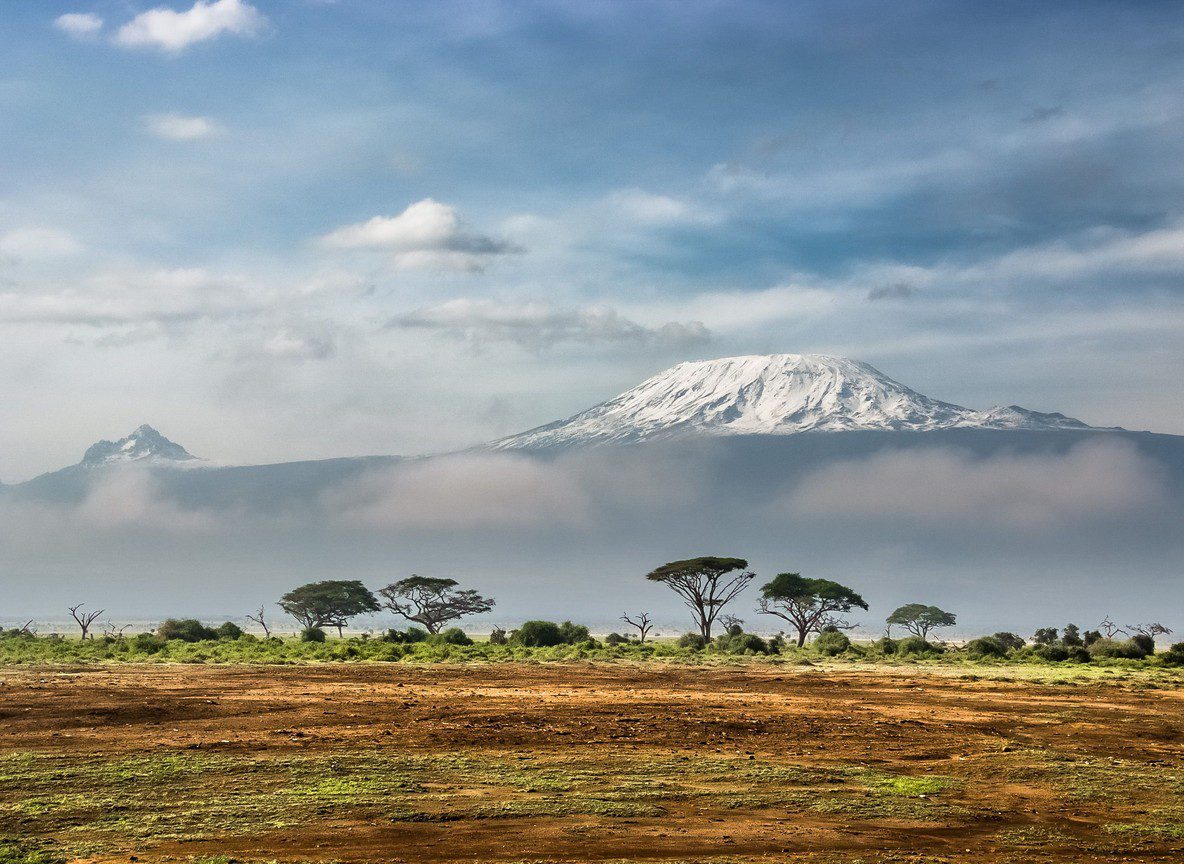
The Kimana area has historically been a more affordable entry point to the Amboseli ecosystem. Accommodation costs are generally lower here than at flagship lodges inside the national park or in the Observation Hill area. The trade-off is typically less dramatic landscape position — Kilimanjaro views from the Kimana side tend to be partially obscured by acacia woodland and are not as sweeping as views from the central plains.
Kimana Wildlife Sanctuary lodges offer a slightly different experience: game drives within the privately managed conservancy, which covers roughly 6,000 acres of land used by elephant herds moving between Amboseli and Tsavo. This area sees fewer vehicles than the national park and the wildlife experience can feel more exclusive, though the species diversity is narrower than the full park ecosystem.
Who the Kimana Side Suits Best
Travellers combining Amboseli with Tsavo West. This is the clearest use case. If your itinerary moves from Amboseli to Tsavo West by road, staying near Kimana Gate on the last Amboseli night makes geographical sense. You depart east toward the Tsavo connection rather than backtracking across the park from a central lodge.
Travellers flying into the Kimana airstrip. The Kimana airstrip is a secondary airstrip used by some charter flights and safari light aircraft. Staying near Kimana Gate eliminates a long transfer drive across the park if you are flying in rather than driving.
Budget-focused travellers. The camps and lodges near Kimana Gate are generally more affordable than equivalent properties inside or on the park’s central-plains side. If cost is the primary driver and wildlife quality (rather than camp atmosphere or landscape position) is what matters, the Kimana area offers a workable entry point.
Repeat Amboseli visitors. Travellers who have stayed at the more familiar central-park options and want to experience the park from a different angle sometimes choose the Kimana side for variety.
Who May Be Better Served by Other Areas
First-time visitors prioritising Kilimanjaro views. The central plains and Observation Hill areas typically deliver the most dramatic mountain panoramas. Camps in these zones are positioned to face Kilimanjaro, and the open plain views add significantly to the iconic Amboseli experience that most first-time visitors have in mind.
Travellers on standard Nairobi road itineraries. The main Nairobi approach via Namanga or Emali leads naturally to the Meshanani or Iremito gates on the park’s western and southern sides. If you are driving a standard in-out Nairobi route, staying near Kimana Gate adds unnecessary driving time without a corresponding itinerary benefit.
Visitors wanting inside-park accommodation. The major lodges inside Amboseli National Park — Amboseli Serena, Ol Tukai Lodge, Kibo Safari Camp — are positioned in the central park area near the swamps and main wildlife areas. These are not Kimana Gate properties; they are accessed from other gates.
The Kimana Wildlife Sanctuary
The Kimana Wildlife Sanctuary deserves a note separate from the national park itself. The sanctuary is a community conservancy covering land between Amboseli and Tsavo, managed by the Maasai community under a conservation lease arrangement.
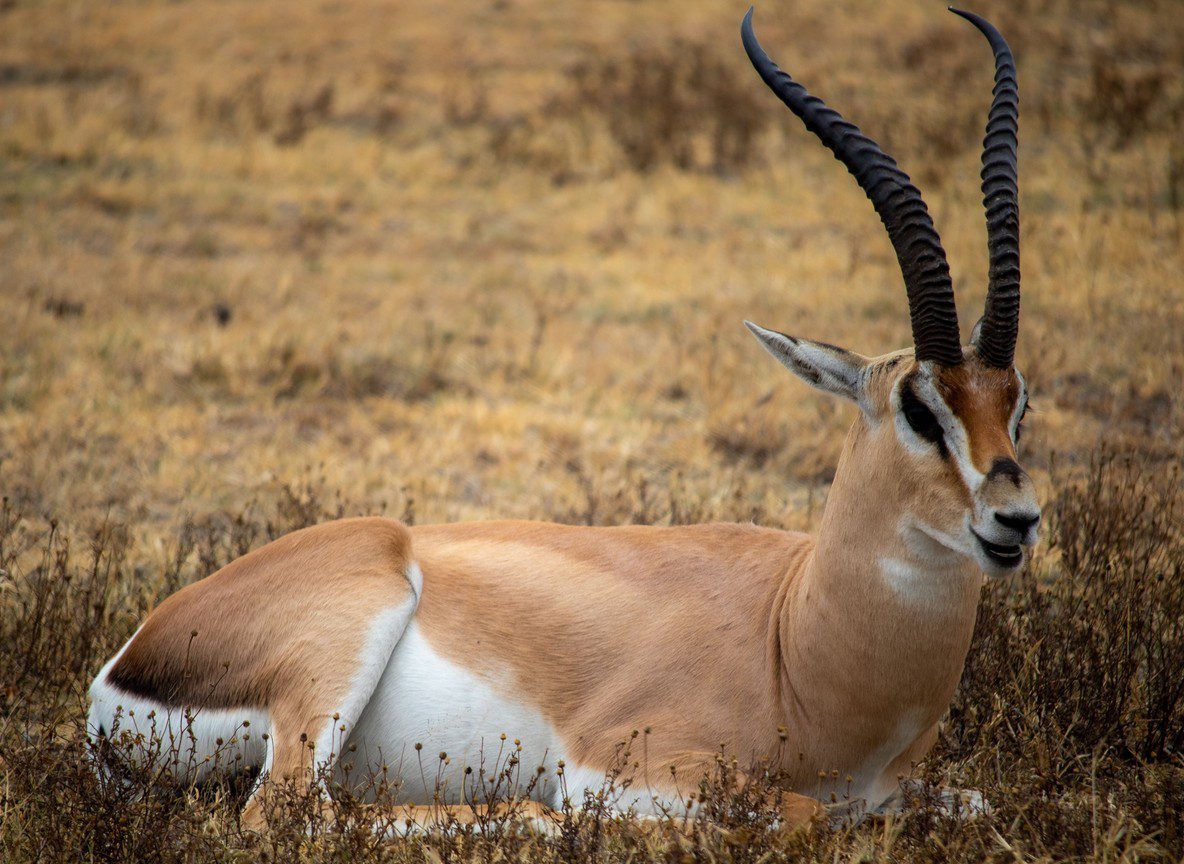
The wildlife in the sanctuary includes elephants, zebra, giraffe, and various plains species moving through the Amboseli-Tsavo corridor. It does not offer the full species diversity of the national park — there are no permanent swamps and the habitat is predominantly dry acacia savanna — but the experience is quieter and the conservation model is interesting in itself.
Some camps and lodges near Kimana Gate include sanctuary game drives in their packages, which provides a supplementary activity option if you have an extra afternoon before or after national park drives.
Comparing Kimana Gate with Other Amboseli Entry Points
| Factor | Kimana Gate Area | Central Park / Observation Hill Area | Meshanani Gate Area |
|---|---|---|---|
| Kilimanjaro views | Partial | Excellent | Good |
| Route for Nairobi (standard) | Less direct | Via Meshanani or Iremito | Most direct |
| Route for Tsavo West | Very convenient | Longer | Longer |
| Accommodation cost | Budget to mid-range | Mid-range to luxury | All tiers |
| Inside-park lodges | No | Yes | Via main park roads |
| Kimana Sanctuary access | Yes | No | No |
| Best for first-time visitors | Moderate | Strong | Good |
Practical Notes
Park fees: Entering Amboseli National Park via Kimana Gate requires the same Kenya Wildlife Service fees as any other gate ($100 per person per day for non-residents as of 2026). Confirm current rates through the KWS e-citizen platform before travel.
Road conditions: The approach road to Kimana Gate from the Emali junction is largely tarmac but has rough sections closer to the gate. The road from the Namanga direction (via Kimana town) can be heavily corrugated in dry conditions. A 4WD vehicle is advisable regardless of season.
Combining with Kimana town: Kimana town, a few kilometres from the gate, has basic amenities including fuel, which can be useful for self-drive or private overland itineraries.
For a full comparison of Amboseli’s accommodation zones and what each gate offers, see the Amboseli hotels, camps, and lodges comparison and the Amboseli gates guide on Touring Insights.
If this guide has you ready to travel, a safari specialist can handle the route, camps, and logistics end to end.
Want to Book a Tour With Us?