

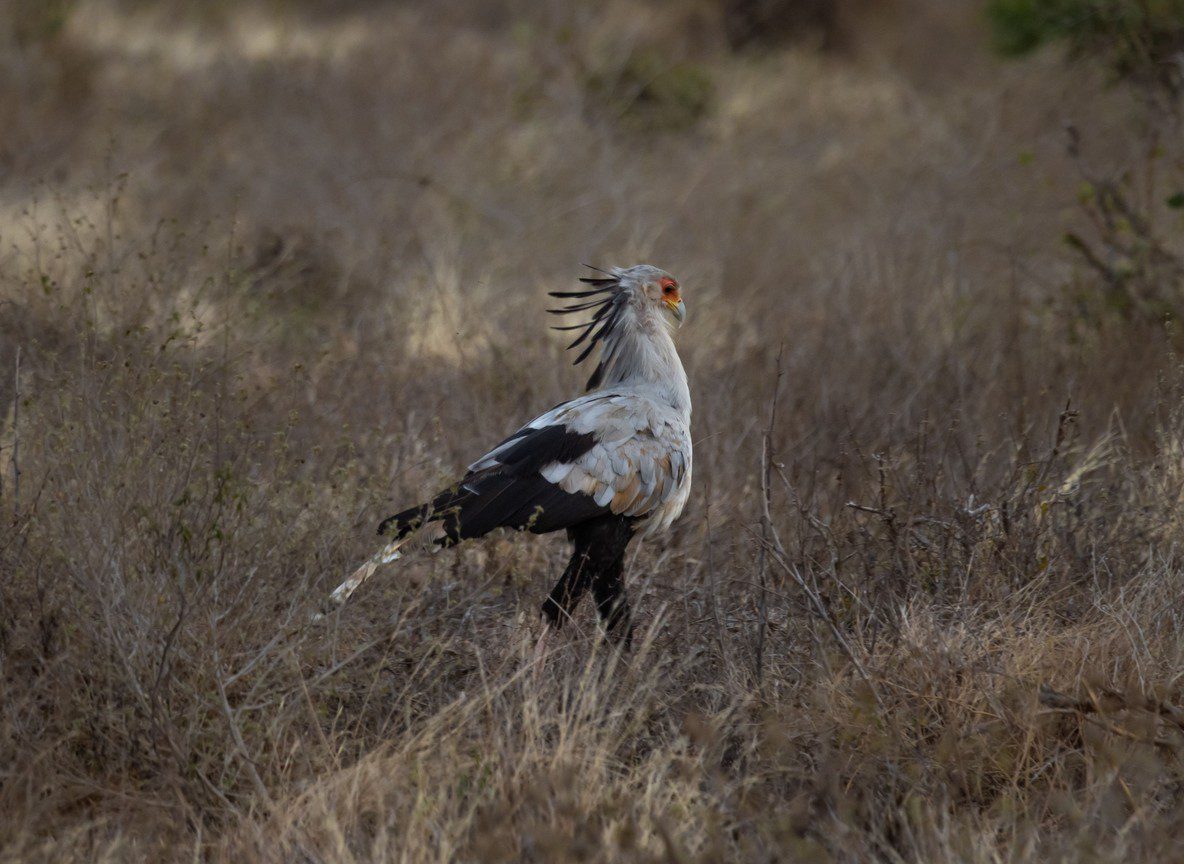
Amboseli is one of the most naturally romantic safari parks in East Africa. That is not marketing language — it is a consequence of the place. The open short-grass plains, the permanent swamp with its constant elephant movement, and the backdrop of Kilimanjaro rising above the horizon in clear weather combine to create a visual environment that feels inherently cinematic and emotionally affecting.
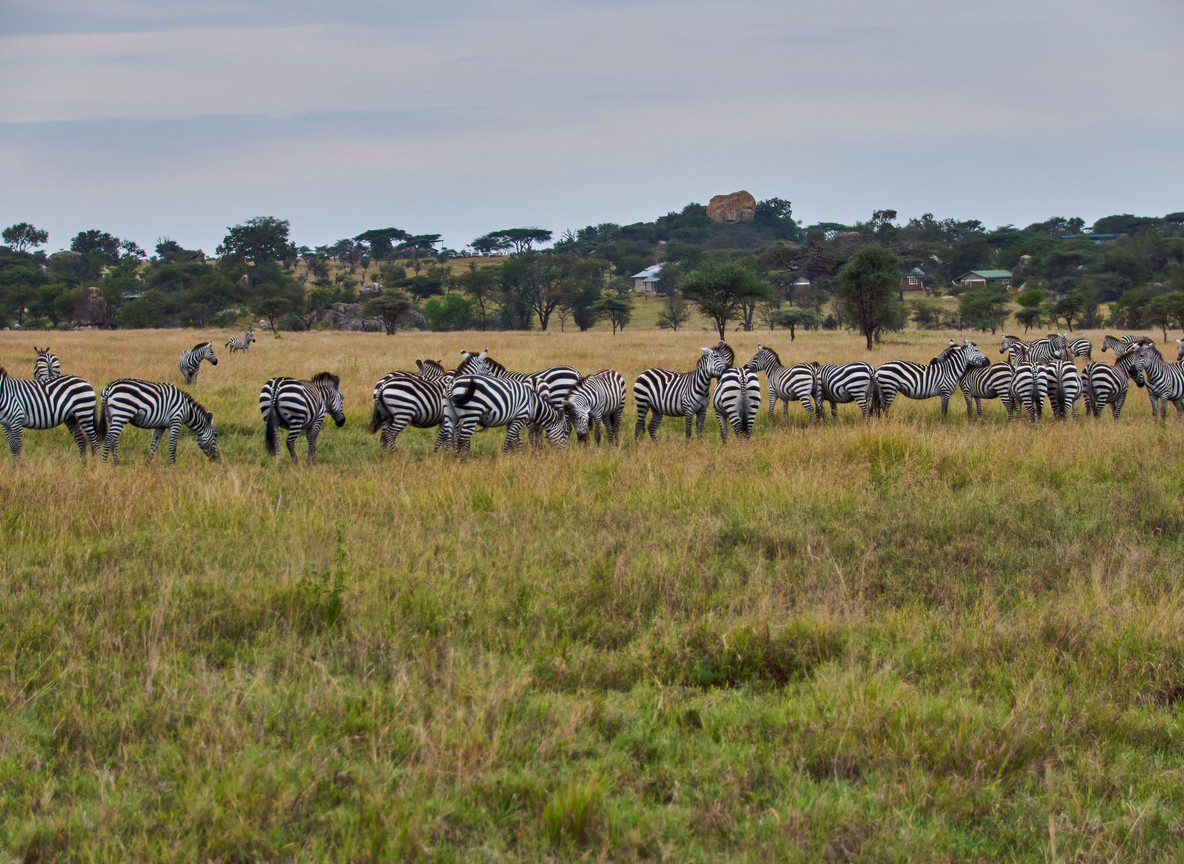
For honeymooners, this matters. A park that delivers big emotional moments at an unhurried pace — where you can sit with a breeding elephant herd for forty minutes, where the evening light on the mountain turns from white to gold to pink before you — produces the kind of shared memories that define a honeymoon rather than simply completing one.
This guide covers why Amboseli works for honeymoon travel, what to look for in romantic camp choices, how to time the visit, and the specific experiences that make a couple’s Amboseli safari memorable.
Why Amboseli Suits Honeymoon Travel
Several practical features make Amboseli particularly well-suited to couples:
Scale and pace. Amboseli covers 392 square kilometres — compact enough that a private vehicle can reach all the key wildlife zones in a relaxed three-hour drive. There is no pressure to cover ground. Game drives can slow down, stay with an interesting sighting, or return to the swamp edge in different light. This unhurried pace is one of the things couples consistently appreciate about the park.
Visual drama. Few wildlife settings in the world offer the combination that Amboseli delivers: large, accessible elephant herds moving across short-grass plains with Africa’s highest mountain visible behind them. The visual impact is immediate and genuine. Clear mornings — most reliably in July, August, and September, and in January and February — reveal Kilimanjaro in detail from its foothills to its snow-covered peak.
Wildlife accessibility. The elephant population (approximately 1,870 individuals) uses the park’s permanent swamp systems reliably throughout the year. Unlike more seasonal parks where wildlife follows rainfall and you may or may not encounter large herds, Amboseli’s swamp-dependent elephants are almost always there. For couples who want guaranteed, unhurried wildlife encounters without an itinerary built around chasing the migration, this consistency is a genuine asset.
Evening atmosphere. The late afternoon light in Amboseli — particularly from about 4pm to sunset — is extraordinary. The plains turn golden, silhouetted herds move against the darkening sky, and sundowners on the open grassland become genuinely spectacular rather than simply pleasant.
What to Look for in a Romantic Amboseli Camp
Not all Amboseli accommodation suits romantic travel equally. The features that matter most for a honeymoon or couple’s stay:
Private or semi-private room position. The best honeymoon camps have rooms, suites, or tented cottages positioned for views and for quiet. A tent positioned on an escarpment or clearing with a private verandah looking toward Kilimanjaro or the plains creates a very different experience from a lodge room positioned around a car park or central pool area.
Smaller guest count. Camps with fewer total guests — twelve to twenty guests maximum — feel more intimate than large lodges with forty or more rooms. The difference is noticeable at meals, on shared decks, and during evening activities.
Private vehicle availability. A honeymoon game drive in a shared vehicle with four to six other guests is a fundamentally different experience from a private vehicle where the guide focuses entirely on the two of you, positions the vehicle for your photography, and adjusts pace to your interests. Confirm whether private vehicles are included or available as an add-on at your chosen camp.
Quality of evening experience. The best romantic Amboseli camps put effort into the camp atmosphere after the afternoon drive ends — fire circles, outdoor dining options, an evening in the landscape rather than retreating entirely into an interior dining room.
Conservancy or boundary position. Some of Amboseli’s most atmospherically successful camps for couples sit on private conservancies or community land adjacent to the national park. These properties often have lower guest numbers, more flexibility for walking activities or off-road movement (where permitted), and a quieter, more exclusive feel than inside-park lodges.
Camp Categories for Honeymoon Travel
Luxury camps and lodges ($500+ per person per night)
The highest-end Amboseli properties — particularly those on private conservancies north of the park with unobstructed Kilimanjaro views — offer the most complete romantic package: spacious suites with outdoor bathtubs and private decks, very low guest numbers, polished service, and access to experiences that public lodges cannot offer. Tortilis Camp in the Kitirua Conservancy is the most frequently cited example in this category.
Upper mid-range camps ($300-$500 per person per night)
Several Amboseli camps in this bracket deliver strong romantic potential without reaching the top-end price point. Amboseli Serena Safari Lodge has a well-regarded Kilimanjaro-facing pool area and established reputation for anniversary and honeymoon guests. Ol Tukai Lodge, positioned centrally in the park with strong elephant proximity, works well for couples prioritising wildlife intensity over hotel polish.
Mid-range romantic options ($200-$350 per person per night)
The mid-range bracket in Amboseli contains camps that, with the right room choice and private vehicle arrangement, deliver a genuinely good couples experience. Service levels and infrastructure are simpler, but the core experience — elephants, Kilimanjaro views, game drives — is the same park. Kibo Safari Camp is often recommended in this bracket for atmosphere-to-price ratio.
The Kilimanjaro Sundowner
No Amboseli honeymoon itinerary is complete without at least one sundowner on the open plains with Kilimanjaro behind you.
The format is straightforward: late in the afternoon game drive, the guide pulls over at a clear spot on the short-grass plains, sets up drinks and snacks on a folding table or from the vehicle’s back section, and you watch the sun set over the ecosystem. In the best conditions, the mountain turns from white to gold to pink as the light drops. Elephant silhouettes move across the middle distance. The sounds of the ecosystem take over as the light fades.
This is not a complex or expensive addition to the itinerary. Most camps in Amboseli offer it as a standard afternoon activity. Confirm with your specific camp that sundowner stops are included in your game drive package and that private vehicle drives are arranged to allow you to choose the timing and location rather than following a shared group schedule.
Timing the Visit
July to October (dry season): The best overall period for Amboseli honeymoon travel. Kilimanjaro is most reliably visible in July and August, wildlife concentrates around the swamps, vegetation is short for excellent visibility, and road conditions are at their most predictable. This is also peak safari season, so camp availability and rates reflect that demand.
January to February (short dry season): An excellent alternative to the main dry season, and often less crowded. Kilimanjaro visibility is strong in both months. Some of the best clear-sky mornings Amboseli produces fall in this window.
November to March (green season): The park is lush and the light has a different quality — softer and more diffused than dry-season clarity. Elephant sightings remain excellent as the swamps stay full. Kilimanjaro is more frequently obscured by cloud in these months, though clear mornings still occur. Rates are typically lower than peak season, which can mean better camp availability and room upgrades.
April to June (long rains): The wettest months. Kilimanjaro views are limited, some approach roads can be challenging in heavy rain, and camps operate at lower occupancy. Budget rates are at their lowest. For couples who genuinely do not mind the conditions and want maximum privacy, this can produce an unusually quiet Amboseli experience.
Combining Amboseli with a Beach Extension
The most popular honeymoon structure in Kenya adds a beach extension to the safari. Amboseli is typically two to three nights, followed by a coastal stay at Diani Beach or Watamu on the north coast.
The transfer options are straightforward: a scheduled flight from Wilson Airport to Ukunda Airstrip (Diani Beach) takes approximately 45 minutes, or the Madaraka Express train connects Nairobi to Mombasa coast for the onward road transfer. The circuit from Nairobi to Amboseli to coast to Nairobi, over eight to ten total days, is one of the most consistently well-received Kenya honeymoon structures.
For more on planning, see the Amboseli fly-in safari guide and the Kenya coast extension vs return home guide on Touring Insights.