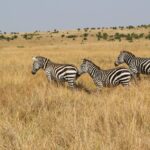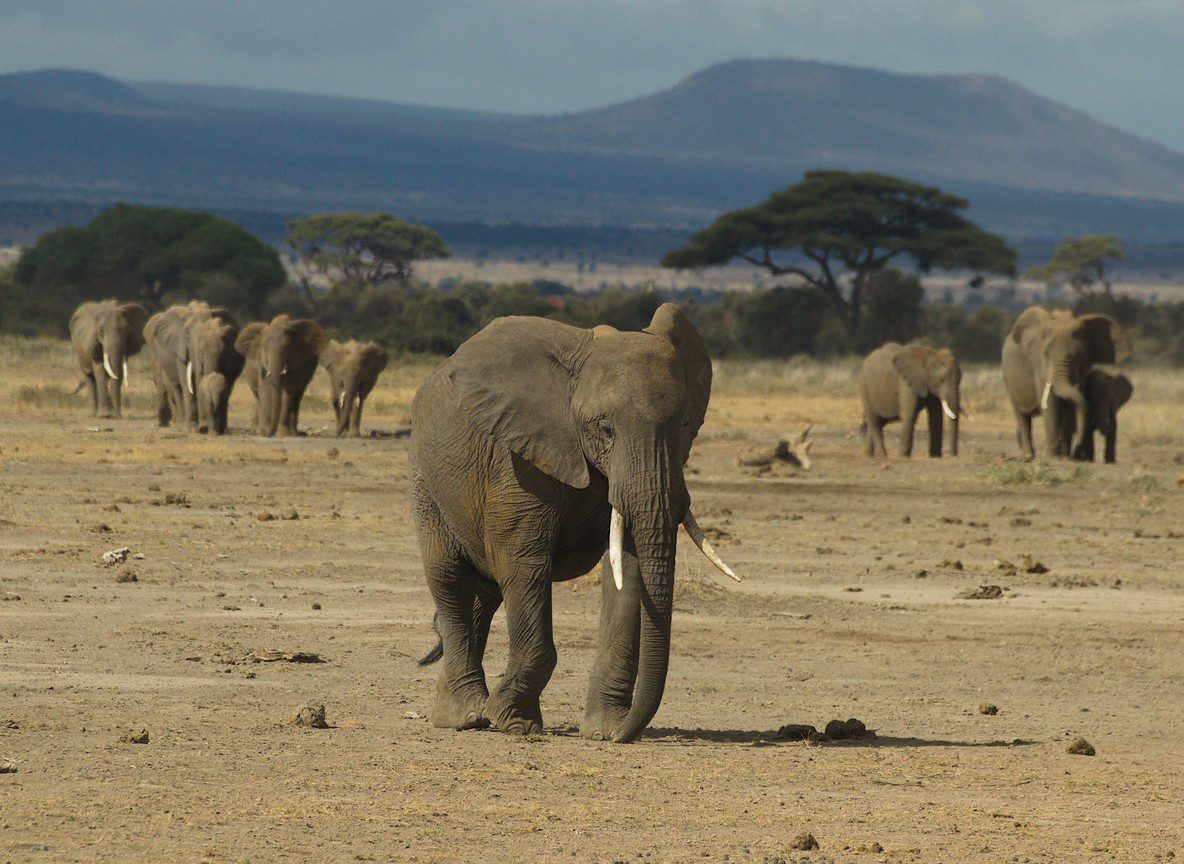
One of the softer and often underappreciated dimensions of an Amboseli safari is the young animal experience. The park is famous for its large elephant herds, but family groups with newborn calves, zebra foals on open plains, and the general atmosphere of an ecosystem in regeneration add an emotional layer that some travellers find more memorable than any single dramatic wildlife encounter.
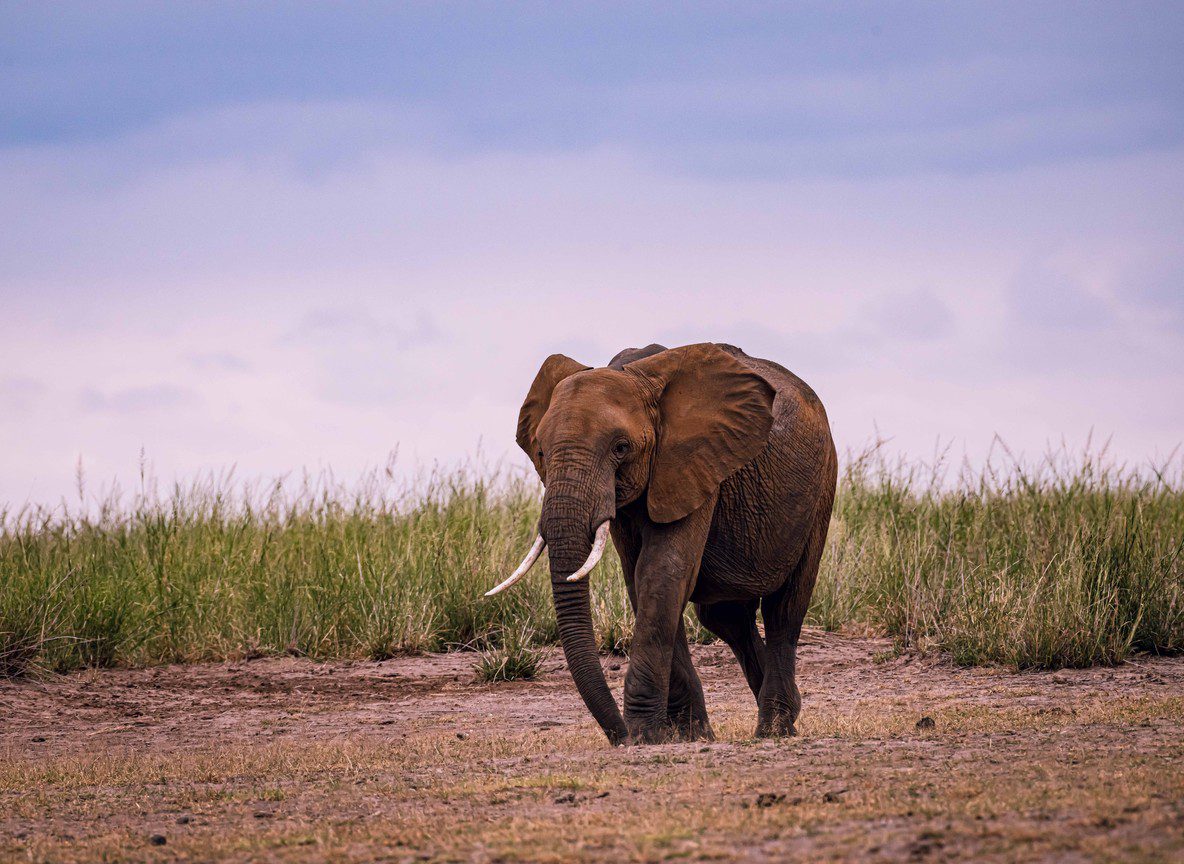
Unlike the structured calving events of East Africa’s wildebeest migration, where calves appear in large numbers in a defined window, Amboseli’s young wildlife is present across more of the year. But there are periods when calves feel most visible, family behaviour is most observable, and the ecosystem itself communicates renewal most strongly.
How Baby Animal Timing Works in Amboseli
Elephant calves are born year-round in Amboseli. The Amboseli Elephant Research Project, which has studied the park’s elephants since 1972, documents continuous breeding activity within the population — there is no single birth season the way that rainfall-triggered calving events occur in some ungulate species.
That said, the experience of encountering young elephant calves feels different depending on conditions. In green-season months, when grass is tall and the ecosystem is lush, family groups tend to move more slowly and rest more frequently in the open. Calves are visible playing, nursing, and interacting with older family members in ways that feel genuinely observable rather than glimpsed during fast movement to water.
For zebra, wildebeest, impala, and other plains species, calving does respond more directly to rainfall. These species time births to coincide with the onset of the long rains (March to May) and sometimes the short rains (November), when fresh grass provides nursing mothers with better nutrition. This means the post-rain green months are when the overall density of young hoofstock animals is highest.
Best Months for Calves and Young Wildlife
November to March represents the broadest window for young animal experiences in Amboseli. The reasoning:
- November marks the beginning of the short rains. The ecosystem freshens quickly. Grass grows, water spreads beyond the permanent swamps, and many plains species begin calving.
- December and January see newborn wildebeest, zebra foals, and young gazelles appearing on greening plains alongside reliable elephant family groups that remain anchored to the swamps.
- February is particularly good for photography. The ecosystem retains greenness from the short rains but conditions are becoming drier, which often means clearer light and better visibility while family groups are still behaviorally active.
- March sees continued green-season character in many years, with good calf and young animal visibility before the long rains build from late March through April.
April and May (long rains) also bring young animals, but these months come with more challenging driving conditions, reduced visibility in tall grass, and more variable access to some areas of the park.
Elephant Calves Specifically
Elephant calves in Amboseli are available encounters across much of the year because elephant breeding is continuous. However, the circumstances that make calf sightings feel most rewarding are:
Slow-moving family groups in open conditions. During the dry season, family groups move quickly between water and feeding areas and calves are often hidden within the press of adult bodies. During greener months, families spread out more, move less urgently, and calves are more visible at the periphery of family groups.
Calf interaction and play. Young elephant play behaviour — charging insects, stumbling after older siblings, exploring with trunks — is most visible when herds are relaxed and not moving purposefully. This relaxed state is more common when food and water are abundant, which corresponds to the green-season months.
Photography context. Green-season calf photography produces a fundamentally different aesthetic from dry-season photography. The calf against a lush swamp background, the family group on fresh green grass with Kilimanjaro partially obscured by dramatic cloud — this is a different story from the dust-and-sun imagery of peak dry season. Neither is objectively better; they are different visual experiences.
Other Young Wildlife Worth Watching For
Zebra foals are consistently present from November through February. Foals are born after a gestation of approximately 12 months, and Amboseli’s zebra population times births loosely to the short-rain season. Young zebras are particularly appealing subjects because their stripes are more brown than black for the first weeks of life, making them visually distinctive in a herd.
Wildebeest calves appear in good numbers in the green season. The Amboseli wildebeest population participates in the broader southern Kenya-northern Tanzania ecosystem, and calving patterns broadly align with rainfall seasonality.
Impala lambs are common from November onward as the short rains trigger synchronized calving in this species. Female impala are highly synchronized in their births — a predator-swamping strategy that means very young lambs appear across the population within a few weeks of each other.
Giraffe calves are present year-round, as giraffe show no strict calving season. Young giraffes are easy to distinguish and their interaction with adults is one of the quieter pleasures of watching in the open plains.
Green Season vs Dry Season for Young Wildlife
| Factor | Green Season (Nov-March) | Dry Season (June-Oct) |
|---|---|---|
| Elephant calf visibility | High (relaxed herds) | Moderate (herds move fast) |
| Plains species calves | High | Low-moderate |
| Calf play behaviour | Frequently observable | Less common in hot months |
| Photography background | Green, lush | Dust, golden, stark |
| Overall family atmosphere | Rich, soft | More predator-prey intense |
| Road conditions | Variable | Better |
| Crowd levels | Lower | Higher |
For Families Travelling with Children
Baby animal experiences resonate strongly with younger visitors. The relatively slow, observable behaviour of elephant calves — and the fact that calves are clearly identifiable as young even to a child who has never been on safari — makes this one of the more reliably engaging wildlife dimensions for family groups.
If you are planning a family trip specifically around a child-friendly wildlife experience, the November to February window often produces the best combination of young animal encounters, manageable conditions, and lower crowd levels.
Setting Realistic Expectations
The green season is the better time for young wildlife encounters, but it is not a guarantee of specific sightings. Amboseli is a wild ecosystem and no particular animal or behaviour can be promised.
What can be said is that in the November to March window, the conditions that favour young-animal encounters — relaxed herd behaviour, abundant food and water, active breeding herds — are most consistently in place. The probability of meaningful calf sightings is higher, and the emotional and photographic quality of those sightings tends to be stronger.
For more on Amboseli’s seasonal patterns, see the Amboseli animals month by month guide on Touring Insights.
Turn this reading into a real itinerary with help from a Kenya-based safari team.
Start Planning Your Safari