As of 2026, camps within 2 to 4 kilometres of Sekenani Gate eliminate most transit overhead, while a 5-kilometre gate-to-camp distance adds 3 to 5 hours of non-wildlife driving across a three-night, six-drive stay. Sekenani Gate is the Masai Mara’s most-used southern entrance, giving access to the southern plains, the Talek River corridor, and routes toward the Sand River crossings. Park fees run USD 80 to 90 per person daily.
Understanding what gate proximity means in practice — and when it helps versus when a different part of the Mara ecosystem serves you better — matters before committing to a camp in this area.
What the Sekenani Gate Area Offers
Sekenani sits on the southern boundary of the reserve, roughly midway between the Narok road and the reserve’s central plains. Camp positioning here gives you direct access to several productive game-drive circuits:
- The open southern plains where cheetah and lion are frequently located
- The Talek River corridor running northeast from the reserve’s interior
- Routes toward the central Mara plains and the migration-era wildebeest crossings on the Sand River
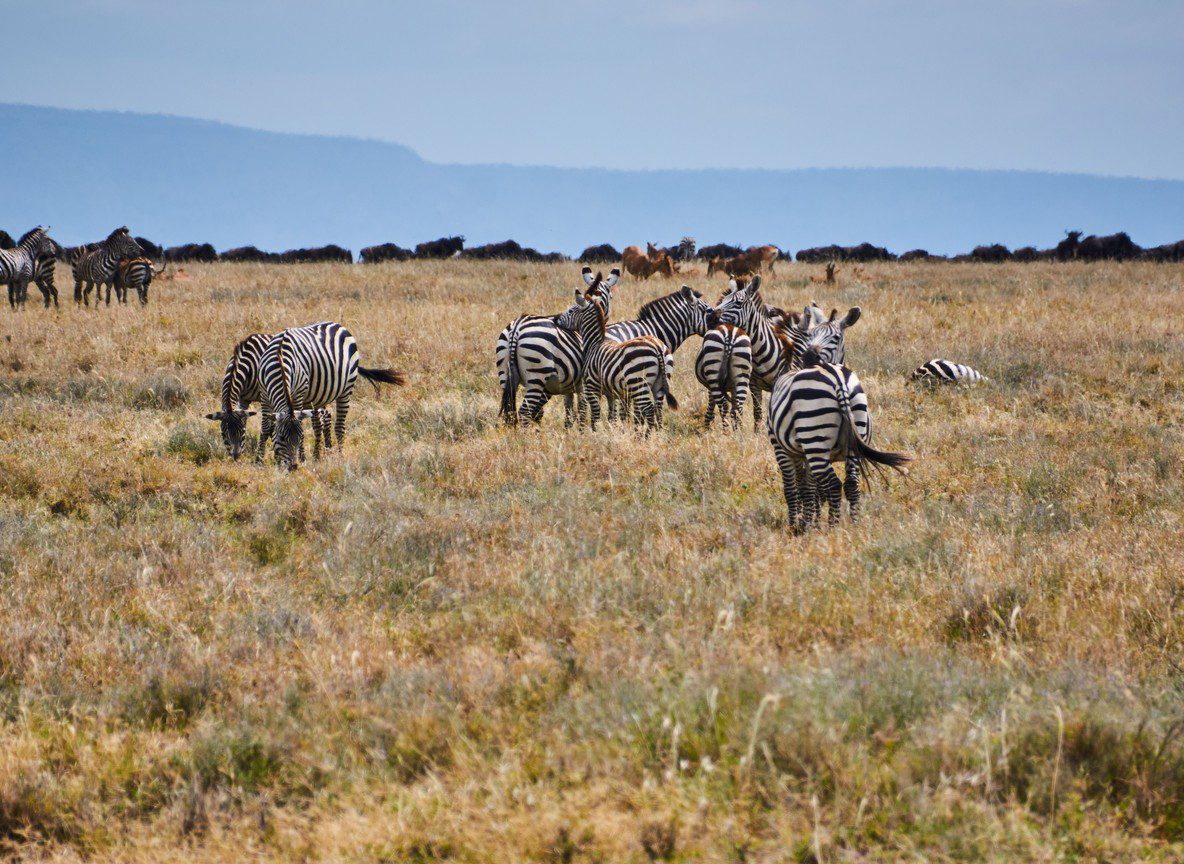
The southern Mara is generally less crowded than the Mara Triangle (the western section) and less vehicle-dense than the Talek River zone. During peak migration season, the advantage of Sekenani positioning is the route flexibility it gives — guides can track herds across the southern plains without the vehicle congestion common near the main river-crossing sites.
Gate Distance and Daily Safari Efficiency
Gate distance is one of the most important practical variables in Masai Mara camp selection. A camp marketed as “five kilometres from the gate” means five kilometres on a dirt track before you are even inside the reserve boundary. In reserve driving conditions, that adds ten to fifteen minutes each way per game drive.
Across a three-night stay with six game drives, a five-kilometre gate-to-camp distance adds three to five hours of non-wildlife driving to your itinerary. On a short safari, that is a meaningful fraction of your total field time.
Properties within two to four kilometres of Sekenani Gate eliminate most of this transit overhead, allowing morning drives to begin in productive game country within minutes of departing camp.
What to Compare When Evaluating Camps in This Area
When reviewing Masai Mara accommodation near Sekenani, these practical questions matter more than headline amenities:
Safari vehicle and guide: Is your game drive in a dedicated private 4×4 with a qualified naturalist guide, or is it shared with other camp guests? Private vehicles give you flexibility on timing, positioning, and how long you wait at any sighting. Shared vehicles compromise all three.
Park fee structure: Masai Mara National Reserve charges non-resident fees of USD 80 to 90 per person per day (2026 rates). Confirm whether your camp package includes park fees or adds them as a daily supplement. The difference affects your total cost significantly over a multi-night stay.
Drive scheduling: Do morning drives depart at 06:00 when the gate opens, or later? Predator activity in the Mara peaks in the two hours after sunrise. A camp that does not depart until 07:00 or 07:30 loses the most productive window of each day.
Camp perimeter: Most camps in this zone use an electrified fence. Unfenced camps are unusual in the Sekenani area but do exist. If walking freely around camp at night matters to you, confirm the property’s safety perimeter before booking.
Meal and drive timing: In the Masai Mara, the daily rhythm centres on two game drives with a long midday break when the heat reduces wildlife activity. A camp that aligns its meal schedule to support 05:30 departures and late-afternoon returns is set up for productive safari days. Camps that run hotel-style meal schedules often compromise drive timing.
The Trade-Off: National Reserve vs Private Conservancy
Sekenani Gate accommodation positions you inside or adjacent to the national reserve — a public access area managed by Kenya Wildlife Service. The reserve is excellent for wildlife but operates under shared-access rules: vehicles must stay on designated tracks, and the same sighting areas draw multiple vehicles, particularly during migration season.
Private conservancies surrounding the reserve — Naboisho, Mara North, Olare Motorogi, and others — permit activities unavailable inside the reserve: off-road driving, night drives, and guided walking safaris. Conservancy camps also carry fewer visitors by design.
A trip structure that combines nights at a Sekenani-area camp (for reserve access) with a night or two in a private conservancy gives you the best of both: open reserve game-driving and the more exclusive conservancy experience.
Best Time to Stay in This Area
The southern Mara performs strongly across seasons:
| Season | Wildlife Conditions |
|---|---|
| July to October | Great Migration; wildebeest herds visible on southern plains; river crossings at Sand River and Mara River accessible |
| January to March | Calving season; predator concentration high; fewer vehicles |
| June and November | Shoulder months; strong resident wildlife; good light and lower vehicle numbers |
| April to May | Long rains; road access variable; dramatically reduced visitor numbers |
Planning Your Masai Mara Stay
For full coverage of the Masai Mara’s accommodation tiers, conservancy options, and what different zones of the reserve offer, the Tourinsights Masai Mara guide covers the ecosystem in detail. For comparing Masai Mara accommodation across all price points and regions of the reserve, the Tourinsights best Masai Mara camps guide gives camp-level guidance on positioning and value.
Turn this reading into a real itinerary with help from a Kenya-based safari team.
Start Planning Your SafariFurther reading
Related Kenya safari guides
- Maasai Culture on Safari: What Genuine Access Looks Like
- Maasai Culture and Traditions: A Complete Guide
- Maasai Religion: Enkai, the Laibon and Maasai Spirituality
- Maasai Traditional Clothing and Beadwork: A Complete Guide
- 25 Maasai Tribe Facts You Need to Know
- Maasai Tribe History: Origins, Migration and Colonial Era
- Where Do the Maasai Live? Kenya & Tanzania Mapped