Seven days is enough time to move through two of Kenya’s most distinct environments: the wildlife-rich riverine system of Samburu and the raw frontier around Lake Turkana. This is not a standard Big Five itinerary. Northern Kenya rewards travellers who want remoteness, landscape contrast, and species they will not find in the Mara or Amboseli.
This guide breaks down a practical seven-day route from Nairobi through the Samburu sector to the Turkana basin, with transfer options, accommodation strategy, and seasonal considerations.
Route Overview
The northern corridor follows a natural geographic logic:
- Start: Nairobi
- Wildlife anchor: Samburu, Buffalo Springs, and Shaba National Reserves
- Transition: Northbound through Isiolo toward Marsabit
- Remote destination: Lake Turkana basin (South Island or Loiyangalani area)
- Return: Staged overland or fly-out from Turkana
The key planning principle is to balance wildlife time against realistic transfer hours. Northern Kenya roads vary significantly by season, and overestimating daily driving range is the most common itinerary mistake on this route.
Day-by-Day Breakdown
Day 1: Nairobi to Samburu
Depart Nairobi by road (approximately 6 hours via Isiolo) or by a 45-minute flight from Wilson Airport to Samburu airstrip. Road travel gives you a clearer sense of the landscape shifting from highland to semi-arid, but an early flight preserves energy for an afternoon game drive along the Ewaso Ng’iro River.
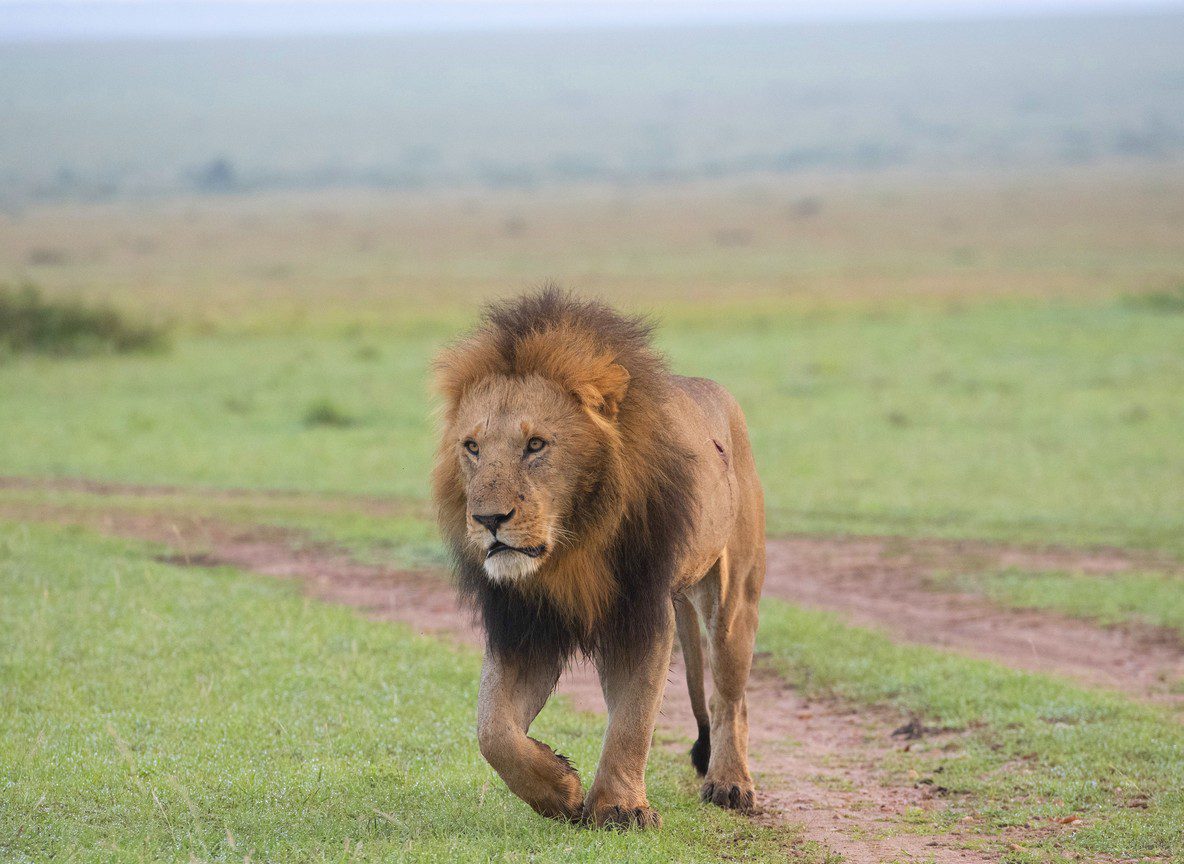
Samburu National Reserve sits in Kenya’s arid north and holds a character completely different from southern parks. The river is the spine of the ecosystem, drawing leopard, lion, elephant, crocodile, and waterbirds to its banks.
Day 2: Full Game Drives in Samburu and Buffalo Springs
Spend a full day working the core zones. Morning drives focus on predator movement along the river. Afternoon drives cover the open thornbush areas where the Samburu Special Five concentrate: reticulated giraffe, Grevy’s zebra, Beisa oryx, gerenuk, and Somali ostrich. These species are found almost nowhere south of the Ewaso Ng’iro.
Day 3: Shaba National Reserve Extension
Shaba lies east of Samburu and shares the same river system but offers different terrain: lava flows, rocky outcrops, and quieter tracks. It receives far fewer vehicles. For photographers, the landscape variation is significant, and leopard density here is high relative to visitor numbers.
Day 4: Transition Northbound
This is a travel day. The route north from Isiolo toward Marsabit covers challenging road conditions in wet months and long distances regardless of season. Factor in a minimum of 6 to 8 hours of driving. Marsabit town offers accommodation for an overnight stop before the final push to Turkana.
Alternatively, a fly-out from Samburu airstrip to Turkana (via Nairobi or charter) reduces total travel time significantly. This adds cost but is worth considering for travellers with limited time.
Day 5: Arrival at Lake Turkana
Lake Turkana is the world’s largest desert lake and one of the most geologically significant landscapes in East Africa. The jade-green water against black volcanic rock and bleached sand creates a landscape unlike anything else in Kenya.
Spend the afternoon orienting: shoreline walk, briefing from your camp or guide on the lake ecology, and a first look at the Nile crocodile population, which is one of the largest remaining concentrations anywhere on the continent.
Day 6: Turkana Activity Day
Options depend on your base location and season:
- Boat excursion on the lake toward South Island National Park, a UNESCO World Heritage site
- Cultural visit to Turkana or El Molo fishing communities along the southern shore
- Geology walk around the lava fields near Loiyangalani
- Birdwatching along the shoreline: African skimmer, African fish eagle, and migrant waders in season
Confirm activities in advance with your camp. Access to South Island requires park fees and boat arrangements that are not always available on short notice.
Day 7: Return to Nairobi
Return by staged overland route or pre-arranged charter flight. An overland return from Turkana to Nairobi in a single day is a very long drive (10 to 12 hours). Most itineraries break this into two stages or use a fly-out option to close the loop efficiently.
Transfer Options
Full overland: Gives you the clearest sense of the northern landscape and communities. Requires good vehicles, experienced drivers, and realistic daily distance targets. Best suited to travellers who enjoy road travel and have flexibility on timing.
Fly-out finish: Charter or scheduled light aircraft from the Turkana area to Nairobi Wilson Airport. Time-efficient and removes the long return drive. The additional cost is generally worth it for itineraries shorter than 10 days.
Hybrid: Drive north, fly back. Allows you to experience the landscape change on the way in without the fatigue of a long return drive. Often the best balance for first-time northern Kenya travellers.
Accommodation Strategy
A practical seven-day structure typically uses:
- 2 to 3 nights in the Samburu sector (Samburu, Buffalo Springs, or Shaba)
- 1 overnight in Marsabit or en route if traveling fully overland
- 2 nights at a Turkana base camp
Camp categories range from basic tented camps to mid-range lodges. High-end options at Turkana are limited compared to southern Kenya. Research current camp availability before finalising the itinerary, as some properties operate seasonally.
Seasonal Timing
| Period | Conditions | Notes |
|---|---|---|
| Jan to Mar | Dry, good roads | Best overall window for this route |
| Apr to May | Long rains | Northern roads can become impassable |
| Jun to Oct | Dry season peak | High demand in Samburu; Turkana wind season Jun-Aug |
| Nov to Dec | Short rains | Generally manageable with appropriate vehicles |
The critical constraint is the road north from Isiolo toward Marsabit and Turkana. In heavy rain years, sections become impassable for standard 4WD vehicles. A local contact or safari operator with current road intelligence is essential for April and May departures.
Who This Route Suits
This itinerary works well for:
- Repeat Kenya visitors who have covered the southern circuit and want something genuinely different
- Photographers seeking landscape contrast and species variety
- Travellers with an interest in geology, archaeology, or cultural context alongside wildlife
- Groups comfortable with longer road transfers and more basic infrastructure
It is not the right first Kenya safari for travellers expecting the wildlife density of Masai Mara or the infrastructure of Amboseli. The northern circuit trades convenience for remoteness, and that trade is the point.
Planning Notes
Confirm all elements of this itinerary at least three months before departure. Fuel availability, camp bookings, boat access at Turkana, and road conditions all require advance verification on the northern route.
For background on Samburu’s wildlife, the Tourinsights guide to Samburu National Reserve covers the Special Five species, best timing, and what to expect from the reserve. For a broader view of northern Kenya, the Tourinsights Kenya safari geography guide covers regional routing options.
If this guide has you ready to travel, a safari specialist can handle the route, camps, and logistics end to end.
Want to Book a Tour With Us?Further reading
Related Kenya safari guides
- Samburu Special Five: How to See All Five Species
- What to Wear in Samburu National Reserve for Safari
- Women of Samburu: Culture, Craft and Safari Connection
- Northern Kenya Road Conditions: Routes and Transfer Planning
- Northern Kenya Safari Guide: Parks, Conservancies, Routes
- Northern Kenya Safari Packing List for Remote Routes
- Samburu, Buffalo Springs & Shaba: Comparison Guide