Wildlife tours in Kenya remain some of the most widely imagined safari experiences in Africa, but the phrase can mean very different things depending on where a route goes and what kind of wildlife experience it prioritizes. Some tours focus on predator drama in open grasslands. Others are built around elephants, rhinos, birds, rare northern species, or the conservation story behind protected landscapes. The strongest way to read wildlife travel in Kenya is not as one generic safari product, but as a set of ecosystems, seasons, and viewing styles that each reveal different aspects of the country.
That perspective matters because Kenya is not compelling only for its most famous animals. It is compelling because of how varied the wildlife settings are. A few days in Maasai Mara create one kind of visual memory. Time in Samburu, Tsavo, Amboseli, or Laikipia creates another. Readers who understand those differences tend to interpret itineraries more clearly and form better expectations about what a wildlife-focused trip is actually designed to deliver.
Why Kenya Remains Such a Strong Wildlife Destination
Kenya combines several advantages that make wildlife touring unusually dynamic. The first is ecological range. Grassland, volcanic highland, acacia woodland, semi-arid scrub, lake systems, and coastal habitats all appear within one national travel frame. That means wildlife experiences do not repeat themselves in the way they sometimes can when every stop belongs to the same habitat type.
The second advantage is species diversity linked to recognisable landscapes. Maasai Mara National Reserve pairs open plains with large predator populations and the migration season. Tsavo National Park brings scale, lava terrain, red dust, and huge elephant country. Samburu National Reserve introduces dry-country species adapted to harsher northern conditions. Ol Pejeta Conservancy and other conservancies add rhino protection and a different conservation model to the picture.
The third advantage is historical depth. Kenya helped shape the global safari imagination through natural history, documentary storytelling, conservation debate, and photographic travel. Modern wildlife tours still draw on that legacy, but the most useful reader approach is to look past nostalgia and ask what each landscape actually offers now.
The Big Animals and the Wider Wildlife Story
Most readers arrive through the language of the Big Five, and that remains a practical entry point. Lion, leopard, elephant, buffalo, and rhino still structure how many wildlife routes are described. They provide a shorthand for abundance, variety, and viewing ambition. Yet wildlife tours in Kenya become more meaningful when those famous animals are treated as part of a broader ecological story rather than a checklist.
Elephants, for example, are not the same experience everywhere. In Amboseli, they are often framed against open plains and mountain light. In Tsavo, they are associated with scale, dust, and the red soils that give many herds their distinctive colour. Rhinos are also experienced differently depending on whether readers are visiting places shaped by intensive conservation protection or parks where sightings are less predictable.
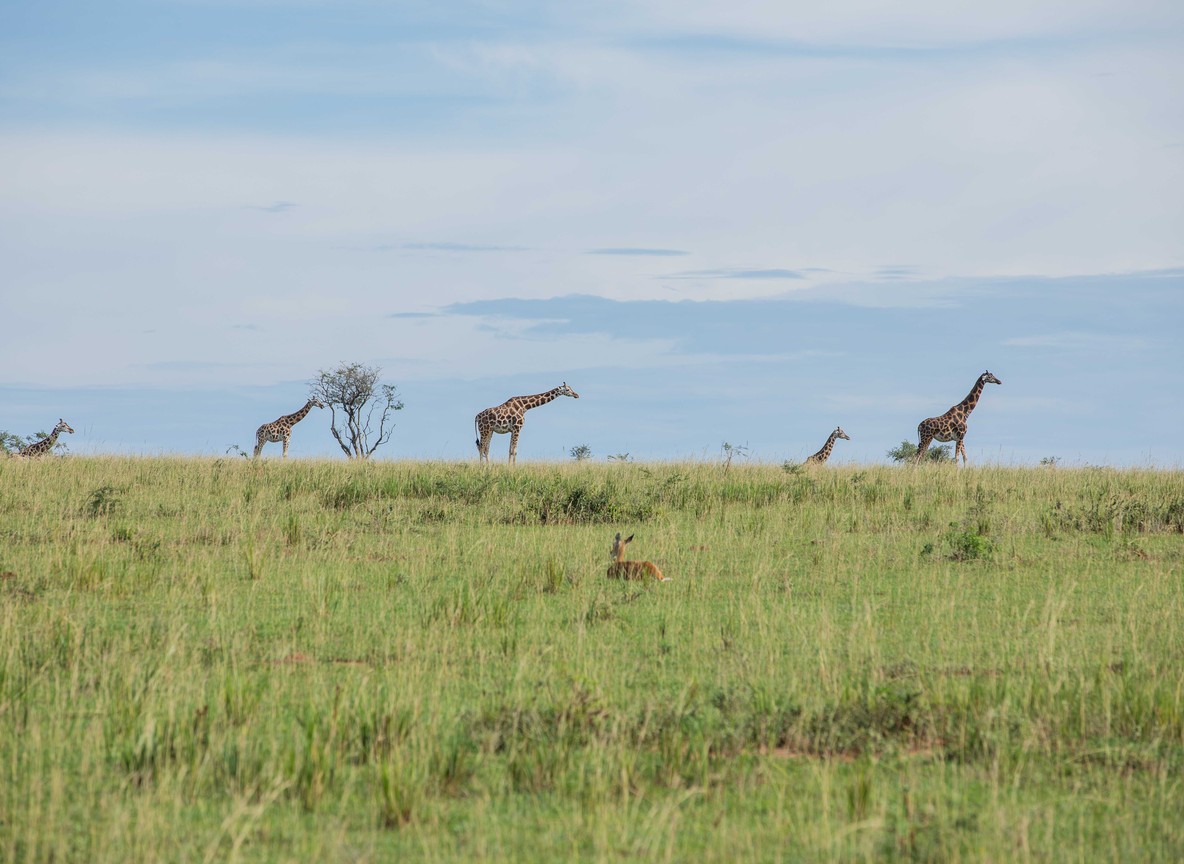
Birdlife, antelope diversity, giraffe species, crocodiles, hippos, hyenas, jackals, zebras, and smaller predators all add texture to the experience. For many travellers, the real depth of a wildlife tour emerges only after the first excitement around lions or elephants settles and attention shifts to behaviour, habitat, and recurring ecological patterns. That is often where Kenya becomes more interesting rather than less, which is also why a specialist birding in Kenya guide can add useful depth even for non-birders.
Park Differences Matter More Than Readers Expect
One of the easiest mistakes is to assume that wildlife tours in Kenya are interchangeable as long as they mention game drives and major animals. In reality, the choice of landscape shapes almost everything.
Maasai Mara
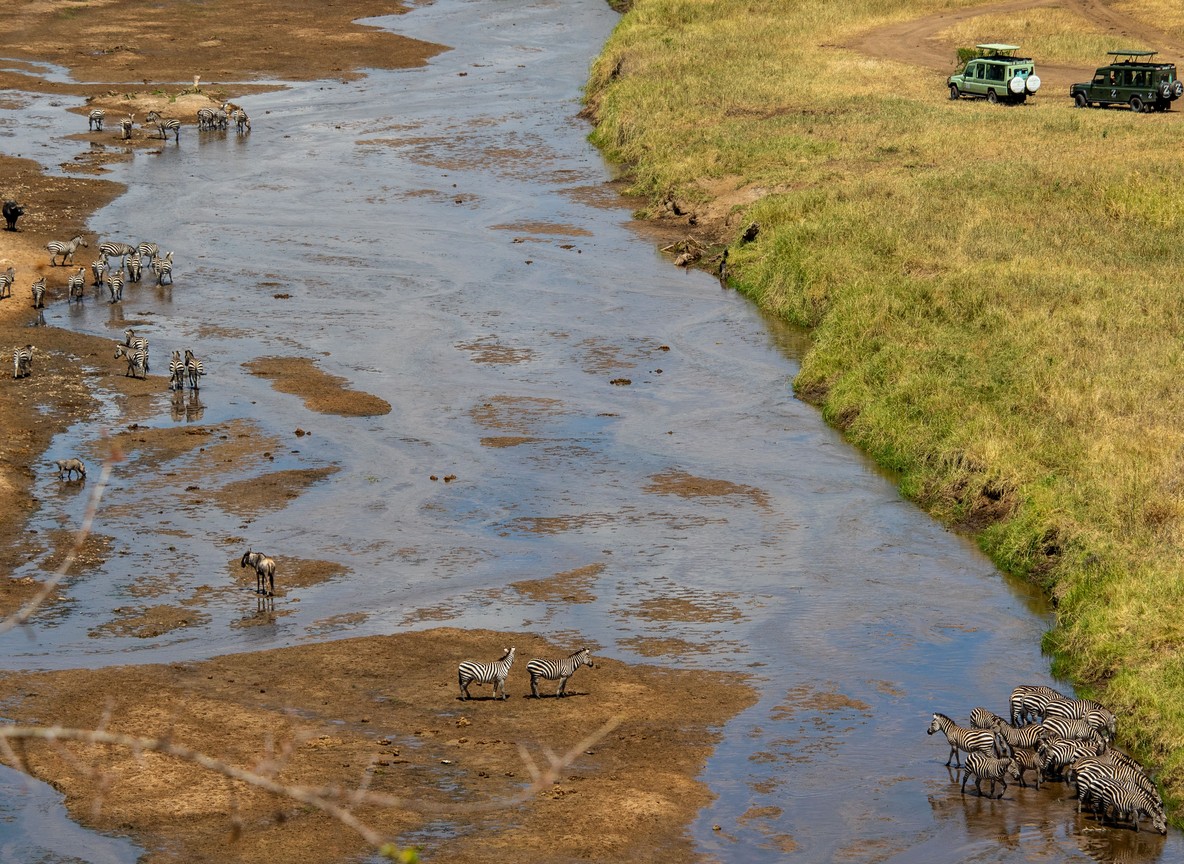
The Maasai Mara is the reference point for many first-time wildlife readers because it combines broad savannah scenery with strong predator associations. During migration periods, it also carries the spectacle that dominates much international attention. For readers who want open-country game viewing and a classic East African visual frame, the Mara often sets the benchmark.
Amboseli
Amboseli is smaller in scale but visually powerful. It is especially compelling for elephant observation, marsh systems, and the contrast between dry plains and mountain backdrop. Readers drawn to iconic photography, large tuskers, and recognisable scenery often respond strongly to Amboseli.
Tsavo
Tsavo East and Tsavo West create a more expansive and less immediately theatrical form of wildlife travel. The experience is less about one concentrated viewing arena and more about breadth, mood, geology, and the feeling of being inside a vast ecosystem. Readers interested in space, landscape contrast, and elephant country often find Tsavo more absorbing than they expected.
Samburu
Samburu introduces a distinctly northern wildlife character. The landscape feels drier, the light often sharper, and the species mix more specialised. Grevy’s zebra, reticulated giraffe, Somali ostrich, gerenuk, and Beisa oryx give the region its own identity. Readers who want variation rather than repetition often see Samburu as one of Kenya’s most rewarding wildlife contrasts.
Ol Pejeta and Conservancy Landscapes
Laikipia-based conservancies and Ol Pejeta bring a different frame again. These routes often emphasise conservation, rhino protection, lower-density tourism models, and varied activity structures. They can feel more managed than some national parks, but that management is also part of the wildlife story because it shows how private and community conservation systems function on the ground.
Why Season Changes the Tour
Wildlife tours in Kenya are shaped heavily by timing, even when the same destinations appear on paper. Rainfall, grass height, water distribution, migration movement, heat, and road conditions all affect how landscapes are experienced and how sightings unfold.
Dry periods often make wildlife easier to interpret because animals gather more predictably around water sources and visibility tends to improve. Wet seasons can transform scenery, improve birding, and make some parks feel more alive in terms of plant growth and atmosphere, even if game viewing becomes less straightforward. Migration-driven interest in the Mara introduces another layer, since readers often overfocus on river crossings without realising that the wider seasonal story is more complex than a few dramatic moments.
For that reason, the same wildlife tour can feel very different in July, October, January, or April. A careful reader does not ask only which park to visit. The better question is what kind of wildlife reading experience a specific month is likely to support.
Walking Wildlife Tours
Not every wildlife tour in Kenya is vehicle-based in the same way. Walking components, where permitted and responsibly structured, can change the rhythm of a route completely. Walking shifts attention away from constant searching for large mammals and toward tracks, dung, birds, plant life, insects, and the practical realities of moving through habitat.
This can deepen a wildlife-focused itinerary because it introduces scale. Distances feel different on foot. Wind direction matters more. The role of guides becomes more interpretive. Readers who want to understand ecology rather than only accumulate sightings often find that walking creates some of the most lasting moments in a trip.
Walking experiences are more common in conservancy settings and specialised properties than in the core structure of many national-park itineraries. That means readers interested in this style should pay attention to whether a route is built around strict park driving, private conservancy access, or mixed formats.
Conservation and Wildlife Travel
No serious discussion of wildlife tours in Kenya is complete without conservation context. Animals are not encountered in a neutral landscape. They exist inside systems shaped by park policy, community land use, anti-poaching work, habitat pressure, tourism economics, and debates over how wildlife value should be distributed.
Some destinations foreground that reality more visibly than others. Rhino sanctuaries, community conservancies, and rehabilitation-linked attractions make conservation easier to see directly. In other areas, it is present in a quieter form through ranger patrols, controlled access, guide interpretation, or the simple fact that wildlife survives there at all.
Readers do not need every tour to become a policy seminar. But it helps to recognise that wildlife travel in Kenya is strongest when it respects the landscapes that make sightings possible. Conservation is not an abstract add-on to the safari story. It is one of the reasons there is still a story to read.
Private, Shared, and Specialist Routes
Wildlife tours also vary by format. Private routes usually offer more flexibility in pace, stops, and the amount of time spent reading one sighting properly. Shared departures can reduce cost and make access easier, but they often involve tighter schedules and less interpretive freedom. Specialist tours, including birding-focused or photography-driven routes, narrow the emphasis and can produce a more coherent experience for readers with specific interests.
Format affects quality not because one model is always better, but because each one privileges different things. A private itinerary may linger with a herd or track changes in light. A specialist wildlife route may sacrifice broader sightseeing in favour of habitat depth. A short shared circuit may succeed mainly by introducing a reader to the basic ecology of a park. Understanding that distinction helps prevent unfair comparisons between experiences that are not trying to do the same job.
What Makes a Wildlife Tour Feel Strong
A strong wildlife tour is not defined only by the number of sightings. It is defined by coherence. The route makes sense geographically. The habitats contrast or build on each other in a meaningful way. The pacing allows landscapes to register rather than blur together. Guides and logistics support observation instead of rushing past it.
The best wildlife itineraries also leave room for uncertainty. Nature does not perform on command, and the quality of a route often depends on whether it creates repeated opportunities for good observation rather than promising one guaranteed spectacle. Readers who understand this usually come away with a richer account of Kenya because they pay attention to pattern, atmosphere, and behaviour instead of measuring the whole trip against one dramatic moment.
How Readers Should Choose
The most useful way to choose a wildlife tour in Kenya is to begin with interest rather than with marketing labels. Readers primarily interested in predator density and plains drama will lean toward the Mara. Those drawn to elephants and iconic mountain-backed imagery may respond more strongly to Amboseli. Travellers interested in vast ecosystems, rougher textures, and historical scale may prefer Tsavo. Readers who value species variation and a more northern ecological tone should look carefully at Samburu. Those curious about conservation structures may find Laikipia and Ol Pejeta more rewarding than a standard circuit.
Trip length matters too. Short routes tend to simplify wildlife reading because there is little time for contrast or recovery between game drives. Longer routes allow a clearer understanding of how Kenya’s wildlife regions differ from one another. For readers who can manage it, comparison often becomes the most memorable part of the journey.
Why Kenya Still Leads in Wildlife Imagination
Kenya remains central to wildlife imagination not simply because it has famous animals, but because it has landscapes that help people understand those animals in context. The country still offers drama, but it also offers structure. Rivers, plains, marshes, scrubland, escarpments, and volcanic features all give shape to what readers are seeing.
That is why wildlife tours in Kenya continue to matter. At their best, they do more than deliver sightings. They help readers understand how species, seasons, conservation, and geography fit together. That broader view is what turns a safari from a sequence of impressive moments into a more durable understanding of place.
Explorer Notes
- Focus on ecosystem contrast when comparing routes, not only on animal checklists.
- If a route includes Mara, Amboseli, Tsavo, and Samburu, read it as four different wildlife systems rather than one continuous experience.
- Walking components often add ecological depth even when they produce fewer headline sightings.
- Conservation framing is especially important when evaluating rhino-focused or conservancy-based itineraries.
Frequently Asked Questions
Are wildlife tours in Kenya only about the Big Five?
No. The Big Five remain a useful shorthand, but many of the most rewarding parts of wildlife travel in Kenya come from habitat contrast, birdlife, rare northern species, elephant behaviour, and the conservation context around protected areas.
Which park is best for first-time wildlife readers?
That depends on what kind of wildlife experience matters most. Maasai Mara is often the easiest introduction to plains wildlife and predator-focused safari imagery, while Amboseli and Tsavo can be stronger choices for readers drawn to elephants and distinctive landscape character.
Do wildlife tours in Kenya work in the rainy season?
Yes, but the experience changes. Rain can make landscapes greener and birding stronger, while also affecting road conditions, visibility, and wildlife distribution. The result can still be rewarding if readers adjust expectations to the season.
Are walking wildlife tours common in Kenya?
They exist, but they are more specialised than vehicle-based safaris. Readers usually encounter them in conservancy settings or at properties designed for a broader interpretive experience.
Conclusion
Wildlife tours in Kenya are most rewarding when they are read as ecological journeys rather than generic safaris. The country offers far more than a set of famous animals. It offers different landscapes, different viewing rhythms, and different ways of understanding how wildlife survives and moves across protected spaces. Readers who approach Kenya that way usually come away with something more lasting than a checklist.
Have questions about this itinerary or destination? Get answers from a safari specialist before you commit.
Inquire More