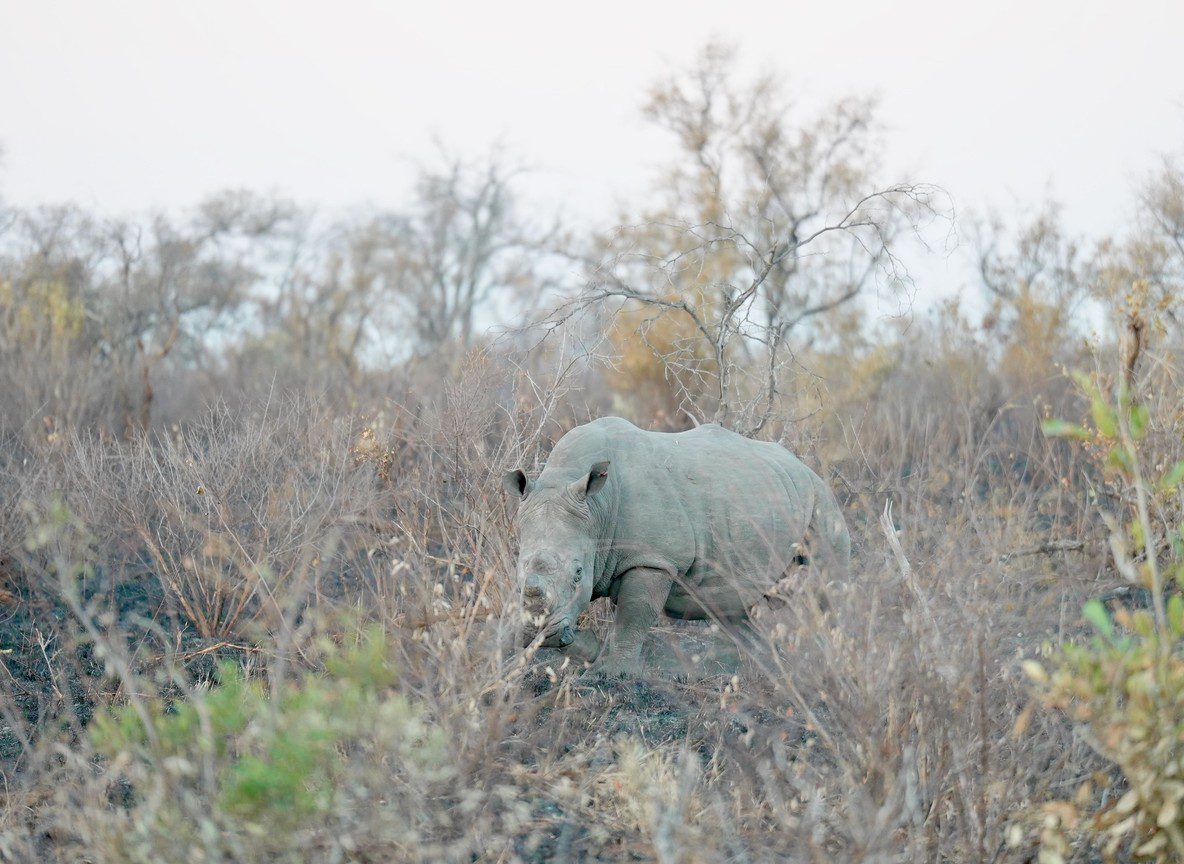
Ol Pejeta Conservancy covers 90,000 acres of the Laikipia Plateau and holds the largest black rhino population in East Africa. It is also the only place on earth where you can walk within 50 metres of the last two northern white rhinos. Those facts make the choice of camp more consequential here than at almost any other destination in Kenya, because where you sleep shapes how deep into the conservancy you move, how early you can start, and how much of your nightly fee flows back into active rhino protection.
This guide covers every practical option for accommodation inside Ol Pejeta, from Sweetwaters Serena Camp to Asilia Ol Pejeta Bush Camp and the community-managed Ol Pejeta Bush Camp. By the end, you will know who each property suits, what it makes accessible in terms of conservation experience, and what the trade-offs actually are between comfort, price, and proximity to the work happening on the ground.
Why Your Camp Choice Matters at Ol Pejeta
Ol Pejeta is not a national park. It is a private not-for-profit conservancy, and every lodge fee, entry charge, and activity booking flows back into rhino protection operations. Kenya Wildlife Service and Ol Pejeta Conservancy jointly manage wildlife security across the boundary.
The camp you choose shapes your comfort, your access to intimate conservation experiences, and how directly your money reaches frontline operations. Four main options sit inside the conservancy boundary, each with a distinct positioning.
| Camp | Tier | Capacity | Key Differentiator | Best For |
|---|---|---|---|---|
| Sweetwaters Serena Camp | Mid-luxury | 39 tents | Lit waterhole, full-service Serena infrastructure | First-timers, couples, retirees |
| Asilia Ol Pejeta Bush Camp | Premium tented | 12 tents | Horseback safari, river corridor access | Repeat visitors, wildlife enthusiasts |
| Ol Pejeta Bush Camp | Community-run | 10 tents | Conservancy-managed, lower price point | Budget conservation travelers |
| Jambo Mutara Camp | Entry-level | 8 bandas | Inside the fence at lowest cost | Self-drive, student groups |
Sweetwaters Serena Camp: The Waterhole Standard
Sweetwaters Serena Camp is the most widely searched Ol Pejeta safari camp and the default recommendation for first-time Laikipia visitors. The camp sits on the Ewaso Nyiro River and faces a permanently lit waterhole. Elephant, buffalo, lion, and rhino visit the waterhole through the night. A viewing deck directly above the water gives guests nocturnal wildlife access without leaving camp, which is unusual in northern Kenya.
The tent configuration covers 39 units: standard tents, deluxe tents, and family rooms. Canvas walls, solid floors, en-suite bathrooms, and solar power. The standard tent delivers the same waterhole view as the deluxe. The upgrade buys interior space rather than better game access.
What Sweetwaters does well:
- Northern white rhino sanctuary visits are bookable directly through the camp. On-foot access to Najin and Fatu, limited to six visitors per session.
- Chimpanzee sanctuary visits: Ol Pejeta runs the largest chimpanzee sanctuary in East Africa, housing over 40 rescued animals.
- Full Serena group hospitality: structured game drives, restaurant, heated pool.
- Waterhole viewing deck accessible from dusk for nocturnal photography.
What Sweetwaters does not offer:
- Walking safaris, horseback safaris (Asilia only), or consistent night game drives.
Sweetwaters is the right base for first-time Laikipia visitors, retirees, and couples who want genuine comfort alongside conservation access. It is the simplest property to navigate and the most fully facilitated for visitors who want the key experiences pre-arranged.
Asilia Ol Pejeta Bush Camp: Conservation at Close Range
Asilia Ol Pejeta Bush Camp is built for travelers who have done multiple vehicle-based safaris and want a different kind of access. Asilia Africa operates 12 tents inside the conservancy, positioned to face the Ewaso Nyiro River. The river corridor gives guests access to hippo pools and leopard habitat that Sweetwaters’ waterhole location does not reach.
The horseback safari is the defining differentiator. Asilia holds the only horseback concession inside Ol Pejeta. Approaching rhino and buffalo on horseback produces behaviour from the animals that a vehicle cannot replicate. At 20 to 30 metres, a rhino will often hold its ground and continue grazing. The same animal on a vehicle approach changes direction at 60 metres. For wildlife photographers and conservation travelers who have seen rhino from vehicles before, this encounter quality is a genuine step up.
Additional conservation access at Asilia:
- Anti-poaching unit visits can be arranged with advance coordination.
- Ol Pejeta wildlife monitoring researcher access is available for groups with a specific scientific interest.
- Asilia Africa directs a share of nightly rates to active conservation partnerships.
Tents are large: king bed, private veranda, outdoor shower, en-suite bathroom. Asilia is the strongest option for repeat visitors, serious wildlife photographers, and anyone who has asked specifically about horseback safari in northern Kenya.
Ol Pejeta Bush Camp: Honest Conservation Lodging
The community-managed Ol Pejeta Bush Camp runs 10 tents along a ridge above a seasonal lugga at a price point significantly below the hotel-managed properties. Game access is identical to the other camps: the same 90,000-acre circuit, and the northern white rhino sanctuary fee is the same regardless of where you slept.
The accommodation is simpler: smaller tents, communal bathroom configurations in some units, basic but sufficient meals. What differs is the revenue structure. A portion of Ol Pejeta Bush Camp income goes to the Ol Pejeta Community Company, which funds schools and medical facilities in the surrounding Laikipia communities. Staying here is a specific argument: conservation travel does not require luxury spend to have impact.
This camp suits conservation volunteers, solo travelers who want maximum nights inside the fence, and groups where early field access matters more than accommodation quality. For travelers on multi-destination itineraries, budget saved at Ol Pejeta Bush Camp can extend time at a premium camp elsewhere on the route.
Jambo Mutara Camp: Entry-Level Inside the Fence
Jambo Mutara is the lowest price point for Ol Pejeta conservancy accommodation. Eight concrete bandas with en-suite showers and basic furnishings. The camp operates in the Mutara zone at the eastern end of the conservancy, an area that sits within one of Ol Pejeta’s better lion and cheetah corridors.
The trade-off is infrastructure and positioning. Jambo Mutara works best for self-drive visitors and budget travelers who need a secured, hot-shower sleeping location inside the fence. It is not ideal for first-time safari visitors who need facilitation, or for travelers whose primary goal is the northern white rhino sanctuary visit: the camp’s eastern position makes the drive to the northern sanctuary section considerably longer than from Sweetwaters or Asilia.
Choosing Your Ol Pejeta Camp: A Practical Framework
Four questions narrow the decision effectively.
Is this your first rhino tracking experience? Sweetwaters Serena makes facilitation easiest. The camp pre-books sanctuary foot visits that fill quickly during July through October and handles the coordination within its own guest services system.
Do you have a specific activity requirement? Horseback safari is available only at Asilia. Anti-poaching ranger briefings and wildlife monitoring researcher access are available at Asilia or Ol Pejeta Bush Camp with advance coordination.
How many nights are you staying? One night: Sweetwaters or Asilia. Two or more nights: Asilia’s river corridor adds variety beyond the waterhole zone for return drives. Three or more nights: a split stay between Sweetwaters and Asilia accesses the full range of both zones.
How do you want your money to land? Ol Pejeta Bush Camp and Jambo Mutara channel income to Laikipia community infrastructure. Asilia funds conservation partnerships directly. Sweetwaters Serena routes through hotel management infrastructure. All four keep the conservancy funded.
The Experiences Worth Planning For
Regardless of which camp you choose, staying inside Ol Pejeta’s boundary gives access to a set of experiences that exist nowhere else in Kenya.
Northern white rhino sanctuary visit: Najin and Fatu, the last two northern white rhinos alive anywhere on earth, live within a protected section of Ol Pejeta. The visit brings a small group on foot to within 20 metres, accompanied by a sanctuary ranger. The BioRescue IVF embryo transfer programme represents the last scientific attempt to prevent extinction. Slots are limited and book out in advance of camp rooms during peak season.
Black rhino tracking on foot: Ol Pejeta holds over 110 black rhinos, the largest population in East Africa. KWS ranger-guided tracking is available from all camps. Early departures before 06:30 give the best conditions. Asilia and Ol Pejeta Bush Camp offer the most flexibility on departure timing.
Chimpanzee sanctuary: The Sweetwaters Chimpanzee Sanctuary holds over 40 animals rescued from illegal wildlife trade. This is a structured conservation visit with individual animal rescue stories explained by the resident team. It is not a game drive stop.
Lion monitoring: Ol Pejeta’s lion research programme uses VHF radio telemetry on collared individuals. Guests on monitoring drives participate directly in an ongoing population study alongside the research team.
Getting to Ol Pejeta: Access and Logistics
All camps at Ol Pejeta are accessed through Nanyuki, 195 kilometres north of Nairobi. Road transfer takes 3.5 to 4 hours on good days. Charter flight from Wilson Airport to Nanyuki is 45 minutes with Safarilink or AirKenya, and is the right option for multi-leg itineraries that combine Ol Pejeta with the Masai Mara or Samburu. The conservancy gate opens at 06:00.
Seasonal Planning for Ol Pejeta
Ol Pejeta is a year-round destination. Wildlife visibility and camp availability vary; conservation access does not.
| Season | Conditions | Best For |
|---|---|---|
| January to February (dry) | Low grass, clear sightlines | Black rhino tracking on foot |
| March to May (long rains) | Lush, fewer visitors, lower rates | Conservation volunteers, budget travel |
| June to October (dry peak) | Best wildlife concentration, peak rhino sightings | All traveler types: book 10 to 12 weeks ahead |
| November to December (short rains) | Good birding, active waterholes | Birders, flexible itineraries |
June to October fills first. Sanctuary sessions book out ahead of camp rooms.
Explorer Notes
For travelers who want to extend beyond Ol Pejeta into a broader Laikipia circuit, the Tourinsights Laikipia plateau guide covers the conservancy differences and how to sequence Ol Pejeta alongside Lewa and the private Laikipia ranches. For the full context on the northern white rhino sanctuary visit and the BioRescue programme, the Tourinsights Ol Pejeta overview provides the conservation science background worth reading before you arrive.
The decision about where to stay at Ol Pejeta is ultimately a decision about what kind of conservation traveler you want to be: highly facilitated and comfortable, or closer to the operational reality of what it costs to keep these animals alive. Both are valid choices, and the conservancy benefits from both. The important thing is getting inside the fence.
If this guide has you ready to travel, a safari specialist can handle the route, camps, and logistics end to end.
Want to Book a Tour With Us?