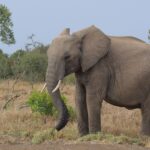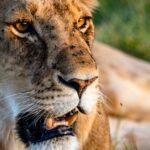
Nairobi National Park is unusual in the Kenya safari landscape. It sits roughly seven kilometers from the city center, close enough that visitors can hear the urban hum from the game drive tracks while watching black rhinoceros move through open grassland. Most people visit on a half-day or full-day trip from a Nairobi hotel, not as part of a multi-day bush camp itinerary. That changes the clothing conversation considerably.
You are not loading a soft duffel for a charter flight transfer. You are organizing a day bag before leaving your hotel room. The clothing needs are real, the same temperature and sun dynamics that apply across Kenya apply here, but the volume is lower and the context is different. This guide covers both scenarios: visitors doing a morning or afternoon drive from the city, and travelers who extend their stay near the park for a full-day or overnight experience.
What Makes Nairobi National Park Different to Pack For
The park sits at roughly 1,676 meters above sea level, similar to central Nairobi’s altitude. Temperatures are moderated by that elevation. This will not be the hottest safari day in your Kenya itinerary. It can, however, be colder than visitors expect in an open vehicle at dawn. That is the most common packing mistake for city-based visitors, who assume that a game reserve next to a major urban center must be warm and easy to handle in whatever they wore for the day.
The other relevant distinction: many visitors to Nairobi National Park are already in the city and may be mixing safari with city activities on the same trip or across a few days. A clothing approach that works across both contexts reduces how much you need to carry and switch between.
Colors for a Nairobi National Park Drive
The same neutral palette that works across Kenya’s wildlife areas applies here. The park terrain runs from open acacia grassland to denser bush, with the Nairobi skyline visible in the background during clear-sky drives. Neutral tones read well in the open terrain and hold up better over a dusty drive than white or pale pastels.
Practical color notes:
- Khaki, tan, olive, and light grey: all work well across drive and post-safari city activities
- A clean neutral wardrobe transitions from game drive to a city lunch without requiring a full outfit change
- Avoid bright colors and neons, which feel out of place in a wildlife environment
- Camouflage remains inappropriate for civilian visitors in Kenya
Fabric matters as much as color. Quick dry synthetic blends handle the swing between a cold 6am start and a warm midday finish better than cotton, which stays damp with dew or sweat once it gets wet. If you are buying anything specifically for this drive, prioritize a breathable, fast drying layer over a heavier cotton one.
Morning Drives: Colder Than City Logic Suggests
The early drive at Nairobi National Park typically departs around 6:00 a.m. At that hour, at that altitude, before the sun is established, an open vehicle will feel cold. Even during Nairobi’s warmer months from December to March, a proper layered jacket makes the first two hours of a game drive genuinely comfortable rather than something to endure.
Morning setup for an early Nairobi National Park drive:
- Long trousers
- Base layer or warm T-shirt
- Fleece or insulated mid-layer jacket
- Wind-resistant shell over the top if you run cold or are visiting in June to August
- Closed shoes with proper socks
Carry extra layers in your day bag rather than wearing everything at once. You can shed them as the sun rises without needing to stop.
Midday: Urban Sun at Altitude
By late morning, the open grassland sections of Nairobi National Park are fully exposed to direct sun. The altitude amplifies UV exposure more than visitors from lower-elevation cities expect. A half-day drive that runs from 6:00 to 12:00 takes you through both ends of this spectrum, starting cold and finishing warm.
Midday essentials:
- Long-sleeve lightweight shirt for sustained sun protection
- Long trousers or quality field pants
- Brimmed hat or cap with face and neck coverage
- Sunglasses with UV protection
- Sunscreen applied before departure from the hotel, not at the park gate
The combination of open vehicle exposure and altitude makes sun protection relevant even on a short visit. Apply before you leave.
Evening Plans: City Return or Staying Near the Park
For visitors returning to Nairobi after the game drive, keep a change of clothes in your day bag if you have city plans in the afternoon or evening. Dust and a morning in the field leave their mark, and the park-to-restaurant transition works better with a fresh layer available.
For visitors staying near the park or in one of the lodges at the park boundary:
- A clean long-sleeve layer and trousers for the evening
- Fleece or light jacket if eating outdoors
- Comfortable walking shoes for camp or lodge paths
Footwear: What the Drive Requires
Most Nairobi National Park visits involve vehicle-based drives throughout. Walking within the main park is restricted; the Nairobi Safari Walk and Animal Orphanage operate as structured walking areas with paved or well-maintained paths.
For drive-based visits:
- Any comfortable closed shoe handles the vehicle environment well
- Technical hiking boots are not necessary for a standard game drive visit
- If you plan to include the Safari Walk or Orphanage, a comfortable walking shoe with light grip is appropriate
For city visitors transitioning from park to afternoon plans, a neutral walking shoe that functions in both environments is the most practical choice.
The Day Bag Strategy
For city-based visitors doing a half-day or full-day drive, a lightweight day bag is all the luggage you need. It should contain:
- One warm layer: a fleece or insulated jacket for the early morning
- Sunscreen and SPF lip balm
- Polarized sunglasses
- A brimmed hat or cap
- Reusable water bottle
- A small camera if relevant
- A change of clothes for post-safari city plans
Because most visitors are moving between a city hotel and the park gate rather than staying inside a closed camp, treat the day bag with the same street awareness you would use anywhere in Nairobi: a bag that zips and sits across the body rather than an open tote, valuables kept out of sight rather than in an outer pocket, and nothing you would be upset to lose left unattended in the vehicle at a stop.
You do not need a full safari wardrobe for a single-day Nairobi National Park visit. The layered day bag approach handles everything you will encounter from 5:45 a.m. pickup to a midday city return.
Core Packing List for Overnight or Extended Visits
For travelers basing themselves near the park for two to four days:
- 2 to 3 breathable tops, including at least one long-sleeve version
- 2 pairs of lightweight trousers
- 1 fleece or warm mid-layer
- 1 wind-resistant jacket
- 1 sun hat and 1 buff
- 3 to 4 pairs of socks
- 1 pair of comfortable walking or drive shoes
- 1 pair of casual shoes for evenings
- Sunscreen, SPF lip balm, and polarized sunglasses
How the Season Changes Your Packing
Nairobi follows two main rainy seasons. The long rains run from April through May, making the park green, roads muddier, and a rain shell worth carrying. The short rains fall in November and December, lighter but still relevant for a packable waterproof. Between these wet windows, conditions are drier and sunnier.
The dry periods from January to March and June to October are when dust is most present on the tracks and sun protection becomes the primary daytime concern. In all seasons, the morning cold is real. Do not let the proximity to the city remove your respect for the predawn temperature in an open vehicle.
Accessories That Work for a Nairobi National Park Visit
- Polarized sunglasses: open-vehicle glare is significant on the grassland sections near the Mbagathi River
- SPF 50 sunscreen: apply at the hotel, before the park gate, not after arrival
- SPF lip balm: wind and dry morning air combine quickly on a moving drive
- Reusable water bottle: hydration matters even on a short half-day trip
- Insect repellent: useful around water points and the Athi River dam section, particularly at dusk
- Small day bag or backpack: essential for keeping loose layers, personal items, and camera accessible during the drive
Notes for Different Visitor Types
City visitors on a first Kenya wildlife experience: Nairobi National Park is an accessible and often underestimated introduction to the open-vehicle safari environment. The experience genuinely prepares you for more remote destinations. Pack and dress as you would for any Kenya game drive, even if the location feels urban.
Families with younger children: The park’s relatively short drive format suits younger children well. Pack one warm layer per child for the early departure and carry sunscreen and hats as standard in the day bag.
Photographers: The unique backdrop of Nairobi’s skyline behind wildlife is one of this park’s genuinely distinctive features. Neutral clothing, a brimmed hat that avoids shadowing your face in images, and a compact vehicle-based camera setup. The early morning light here is excellent.
Practical Notes
For visitors arriving into Nairobi before continuing to other Kenya destinations, Nairobi National Park is one of the most time-efficient ways to begin a wildlife itinerary. Your wardrobe for the park drive overlaps significantly with what the rest of your Kenya trip requires. Use this visit as a practical test of your layering system before the full itinerary begins.
Most city hotels near Nairobi can arrange park transfers, and the drive to the main gate is under 30 minutes from the city center. Early morning pickup times are standard, which is why the warm layer question is non-negotiable regardless of Nairobi’s daytime warmth.
Reader Next Steps
For visitors extending their Kenya safari beyond Nairobi, related reading on what to wear in the Masai Mara covers the wardrobe requirements for a fuller bush destination. For those comparing Nairobi National Park with other accessible Kenya options, day safari options near Nairobi covers the broader picture. For logistical details on Nairobi National Park visit options and timing, trunktrailssafaris.com covers the park and surrounding attractions.
Prefer a different route, budget, or travel style? This plan can be adapted to fit.
Customise Your Trip