Lake Nakuru National Park sits in Kenya’s Great Rift Valley at around 1,754 metres above sea level. That altitude changes the packing equation in ways that first-time visitors to Kenya rarely anticipate. The temperature range across a single day can swing by fifteen degrees or more: chilly enough in an open vehicle at dawn to make a base layer feel essential, warm enough by midday to regret packing anything heavy. Add the lake’s alkaline dust to the mix, the soda residue that blows across the shoreline and settles on clothing, skin, and camera lenses alike, and you start to understand why a thoughtful kit matters more here than it might in lower-altitude parks.
This guide covers what to wear in Lake Nakuru National Park across the full day, from pre-dawn game drive preparation through midday sun exposure to evening camp comfort. It also addresses the specific conditions of Nakuru that separate good packing advice for this park from generic safari guidance.
Why Lake Nakuru Calls for a Specific Approach
Lake Nakuru is a compact park, covering roughly 188 square kilometres. Most visitors complete a full circuit of the lake and the surrounding woodland in a half-day drive, which is one reason it often features as a two-night stop within a longer Kenya itinerary rather than a standalone destination.
The compact circuit means drive days are shorter here than in Tsavo or the Masai Mara. You spend fewer total hours in an open vehicle. But what you gain in time you encounter in distinct conditions: the alkaline dust from the lakeshore, the altitude-driven temperature swings, and the exposure that comes from driving open tracks along the lake edge with very little tree cover.
Lake Nakuru is also one of the few parks in Kenya where guided rhino tracking walks on foot are available. If your itinerary includes a walking activity, your footwear choice changes. The terrain around the lake perimeter can be firm and rocky in the dry season or slippery and soft after rain.
The lake itself is a soda lake. When levels are lower and the shore dries between rain cycles, the residue creates a fine white-grey dust that settles on dark clothing, irritates eyes and skin on windy days, and has a slightly alkaline quality different from the red laterite dust of Tsavo.
Temperature Expectations by Season
Lake Nakuru sits on the rim of the Great Rift Valley, giving it a noticeably different temperature profile from Kenya’s coastal and lower-elevation parks.
Cool season (June to September): Mornings can drop to 10 to 12 degrees Celsius. Afternoon highs reach 22 to 24 degrees. This is the driest and clearest period, with excellent flamingo concentrations on the lake.
Warm season (December to February): Mornings stay around 14 to 16 degrees. Afternoons reach 24 to 26 degrees. Lighter layering works in this period.
Rainy seasons (March to May and October to November): Morning temperatures are moderate but afternoon rain can cool things quickly. Quick-dry fabrics and a reliable rain shell matter during these windows.
The Right Color Palette
For game drives at Lake Nakuru, neutral earth tones are the practical choice for the same reasons they apply across all Kenya safari destinations.
Good choices:
- Khaki
- Olive
- Stone or beige
- Brown
- Light grey
Colors to avoid as your primary wardrobe:
- Neon and bright shades
- Bright white (highly visible against the alkaline shore and picks up soda dust visibly)
- Full black in midday sun
- Camouflage-style clothing
One specific note for Lake Nakuru: bright white becomes a visible problem at the lake shore where alkaline dust and flamingo-watching conditions make pale, light-reflecting colors conspicuous. Mid-tone neutrals blend into the lakeshore environment more naturally and show less residue across a day.
Morning Game Drive Clothing
Dawn drives in Lake Nakuru are genuinely cold for much of the year, particularly between June and September. The Rift Valley rim gets wind channelled through it, and an open 4×4 moving at speed amplifies the chill significantly.
Recommended morning setup:
- Thermal or moisture-wicking base layer (long sleeves)
- Mid-layer fleece or light down jacket
- Wind-resistant outer shell if driving in the cool season
- Long trousers (lightweight, not heavy denim)
- Closed shoes with wool or synthetic blend socks
- Light gloves and a beanie for cool-season drives from June to September
This may feel like over-packing for Kenya, but the altitude here means mornings feel categorically different from a lower-elevation park at the same time of year. Visitors who underestimate this spend the first hour of their drive distracted by cold rather than watching for rhinos.
Remove layers as the sun climbs. By mid-morning you will likely be down to a base layer.
Midday and Afternoon Clothing
By mid-morning, Lake Nakuru shifts from cold to warm quickly. Direct sun at altitude is intense, and the open lake shore offers minimal natural shade.
Recommended midday setup:
- Lightweight long-sleeve shirt in technical fabric
- Breathable safari trousers
- Wide-brimmed hat or cap
- Polarized sunglasses, particularly valuable near the lake where water glare is strong
- Buff or lightweight scarf for alkaline dust on windy days
Long sleeves in light synthetic or cotton-blend technical fabric feel cooler in direct sun than short sleeves because they block UV while still allowing airflow. The alkaline dust from the lake edge also settles less on skin when arms are covered.
One practical note on the buff or dust scarf: on windy afternoons near the lake shore, the soda dust can reach exposed faces and eyes. A lightweight buff pulled up over the nose and mouth on exposed stretches is far more comfortable than managing grit in your eyes mid-sighting.
Clothing for Walking Activities
If your Lake Nakuru itinerary includes a guided rhino tracking walk, your footwear needs to step up from standard drive shoes.
The terrain varies across the park from firm dried lakeshore clay to rocky woodland paths to soft grass areas near the swamp edges. After rain, some sections near the lake can be slippery.
For walking:
- Closed trail shoes with a reliable grip sole are the minimum
- Ankle support is helpful on the rockier western sections of the park
- Long trousers protect your legs from grass and brush on bush walks
- Break shoes in before you travel; blisters on day two of a rhino tracking walk are entirely avoidable
Sandals and flip-flops are not appropriate footwear for walking activities.
Evening and Camp Clothing
Evenings at Lake Nakuru cool faster than in lower-elevation parks. After sunset, particularly in the cool season, temperatures drop to around 12 to 14 degrees at camp level.
Recommended evening setup:
- Long trousers
- Long-sleeve top or light sweater
- Fleece or down jacket for the cool season
- Closed shoes on camp paths and around the dining area
Most camps at Lake Nakuru do not require formal or smart clothing. Comfortable casual wear is entirely sufficient. Pack one clean set specifically for evenings so you keep your drive clothing as the day-use layer.
A 7-Day Core Packing List for Lake Nakuru
This list covers a typical multi-day Lake Nakuru stop as part of a broader Kenya itinerary. Adjust quantities for trip length.
Clothing:
- 3 to 4 breathable long-sleeve tops in neutral tones
- 2 pairs of lightweight safari trousers
- 1 warm mid-layer fleece
- 1 wind-resistant or light waterproof outer jacket
- 1 thermal base layer (for cool-season drives)
- 7 pairs of underwear
- 4 to 5 pairs of socks (wool or synthetic blend)
- 1 set of sleepwear
- 1 set of light evening casual wear
Footwear:
- 1 pair of trail or walking shoes, broken in before travel
- 1 pair of lightweight camp shoes (sandals or slip-ons)
Headwear and accessories:
- 1 wide-brimmed hat or cap
- 1 lightweight buff or scarf for alkaline dust
- Light gloves for cool-season mornings
- Polarized sunglasses
Extras:
- Packable rain shell
- Swimsuit if your camp has a pool
Fabric Choices
The combination of altitude cold and midday heat, combined with Lake Nakuru’s alkaline dust, favours specific fabrics.
Good choices:
- Lightweight technical synthetic fabrics (polyester blends) that dry quickly and breathe well
- Thin merino wool for base layers and mid-layers: warm when cool, not overly hot when the temperature rises, and naturally odour-resistant over multiple days
- Cotton blend fabrics for general daily wear
Avoid:
- Heavy denim, which takes too long to dry if caught in afternoon rain and feels restrictive over a full drive day
- Delicate fabrics that snag on vehicle hatches and brush
- Thick knit fabrics that trap too much heat by midday
Quick-drying fabrics are particularly valuable at Nakuru during the rainy seasons, when afternoon showers can arrive without much warning and the humidity around the lake edge stays higher than in drier parks.
Seasonal Adjustments
Dry season (June to September): Pack a full cool-weather kit, including base layer, mid-layer, and outer shell for mornings. Dust protection around the lake shore is especially important when water levels drop and shore-edge deposits dry out.
Warm dry period (December to February): Lighter layering throughout the day. Morning cold is less severe. The lake often carries good flamingo numbers during this period.
Long rains (March to May): Quick-dry fabrics, a waterproof outer shell, and extra socks. Mornings can be cool and humid simultaneously. Trail shoes are advisable even without a formal walking activity.
Short rains (October to November): Similar preparation to the long rains but with shorter, less predictable rain windows. The bush turns green quickly and photography conditions improve dramatically after the first rains.
Accessories That Make a Difference
A few items that consistently earn their weight at Lake Nakuru:
- Polarized sunglasses: Water glare from the lake surface is strong, particularly in the morning. Standard UV sunglasses help less than polarized lenses.
- Buff or lightweight scarf: For alkaline dust management on exposed lakeshore sections.
- Reusable water bottle: Hydration at altitude matters. Camp water is generally filtered and safe. Bring your own bottle to reduce plastic use.
- Sunscreen, SPF 50+: Altitude increases UV exposure significantly. Apply before your morning drive.
- Insect repellent: Mosquitoes are present around the lake edge and swamp areas, particularly at dusk.
- Small headlamp: Useful for early pre-dawn departures and camp navigation after dark.
Common Packing Mistakes at Lake Nakuru
Underestimating the morning cold. The altitude here catches visitors who have read that Kenya is warm. A thermal layer and a fleece are not optional for cool-season travel.
Ignoring the alkaline dust. If you have a light-coloured hat or buff, swap it for a mid-tone one before arriving at the lake edge.
Packing hiking boots for standard drive days. Trail shoes with good grip are entirely sufficient unless you have a multi-hour rhino tracking walk planned. Heavy boots add weight and discomfort without adding practical benefit for vehicle-based drives.
Bringing only one pair of socks for drive days. Wet grass and unexpected afternoon rain make a spare pair of socks more valuable than they seem at the packing stage.
Forgetting sunscreen discipline at altitude. UV exposure at 1,750 metres is meaningfully higher than at sea level. Apply before drives and reapply at midday.
Explorer Notes: Photographer-Specific Packing
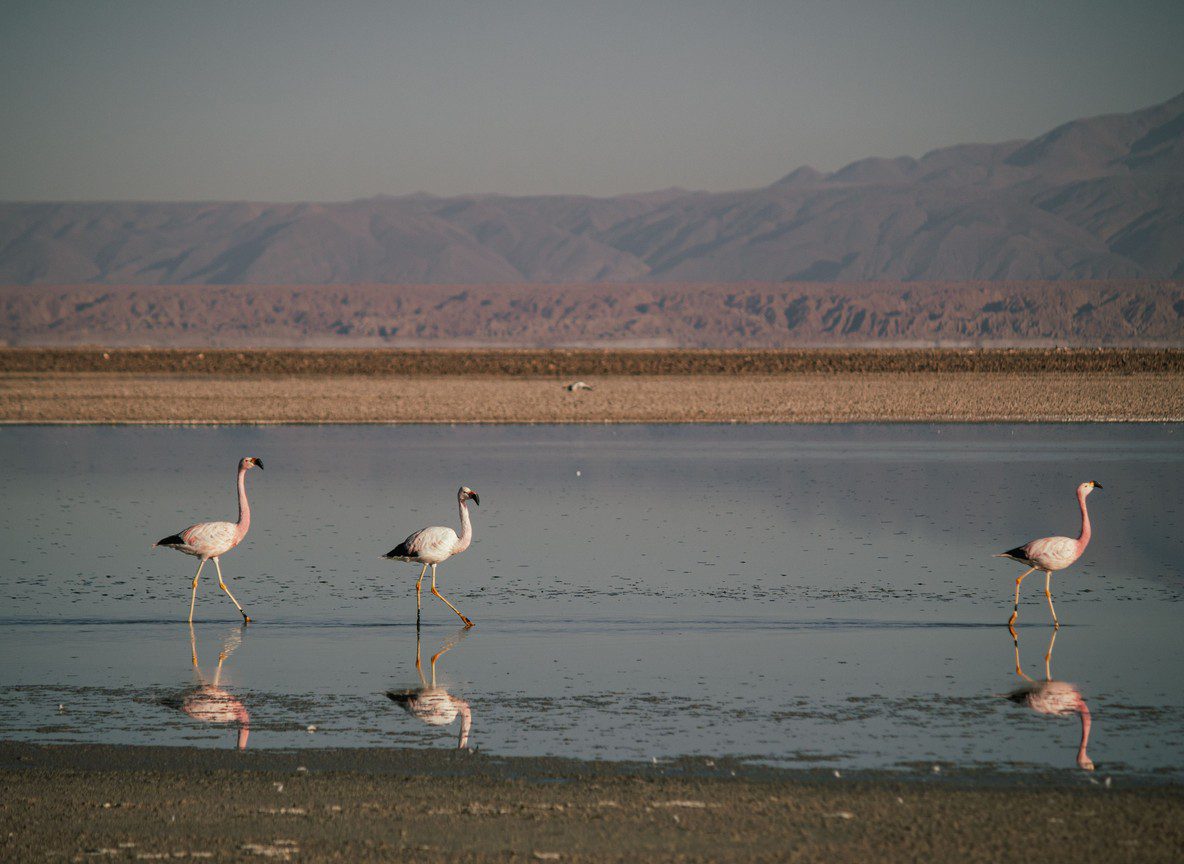
Lake Nakuru is one of Kenya’s best photography parks for its flamingo lake scenes, rhino sightings in open terrain, and the variety of raptors around the cliffs above the western shore.
If photography is a priority on your visit:
- Wear neutral, non-reflective clothing. Bright or metallic fabrics catch light and attract animal attention.
- A long-sleeve top with a hood is useful when crouching near the vehicle for low-angle shots in direct sun.
- The alkaline dust settles on camera gear quickly near the lakeshore. Pack lens wipes, a rocket blower, and a dust-resistant bag for your equipment.
- The best flamingo light is in the late afternoon when the low sun turns the lake surface orange. Position yourself on the eastern shore for the best angle.
Reader Next Steps
Lake Nakuru National Park rewards travellers who come prepared for its specific character: the altitude, the alkaline lake edge, the compact drives, and the contrast between cold mornings and warm afternoons. A well-considered packing approach removes the small distractions and leaves you free to focus on the rhinos, the flamingos, the raptors, and the extraordinary Rift Valley setting.
For destination guides covering the parks around Lake Nakuru within a broader Kenya itinerary, see our Kenya safari planning guide. For operator support and ground logistics, Trunktrails Safaris works across all Kenya park zones including Nakuru.
Frequently Asked Questions
Can I wear shorts in Lake Nakuru? You can, but lightweight long trousers are more practical. They protect against alkaline dust, midday UV, and insects around the lake edge, and they are warmer during the cold morning drives at altitude.
Do I need a heavy jacket for Lake Nakuru? A warm mid-layer fleece plus a light wind-resistant outer shell is enough for most of the year. In June to September, a thin down jacket for early morning drives is a worthwhile addition.
Are neutral colours really necessary? Yes, for practical reasons beyond wildlife disturbance. Neutral mid-tones show alkaline dust less obviously than white or pale colours, and they blend better into the lakeshore environment.
Do I need hiking boots at Lake Nakuru? Only if your itinerary includes an extended rhino tracking walk on foot. For standard vehicle game drives, well-fitting trail shoes with grip are entirely sufficient.
What luggage format works best for a Lake Nakuru stop? A soft-sided duffel or collapsible bag is best for internal transfers and safari vehicle storage. Hard-shell cases are impractical on most Kenya safari routes.
Have questions about this itinerary or destination? Get answers from a safari specialist before you commit.
Inquire More