Tsavo West is the more varied half of Kenya’s largest combined park system, and it rewards visitors who approach it differently from the flat, open-sky experience of Tsavo East next door. The terrain shifts between low scrub, volcanic lava fields, riverine woodland, highland ridges, and, in certain sections, views toward Kilimanjaro on clear days when the mountain reveals itself above the southern plains.
The park’s signature features are geological and aquatic as much as they are wildlife-driven. Mzima Springs produces around 50 million liters of fresh water per day from underground lava filtration, feeding a crystal-clear series of pools where hippos and crocodiles live in water so transparent that you can watch them from a viewing platform as though the surface were glass. The Shetani lava fields, created by an eruption just two centuries ago, run in a dark fractured sheet across a section of the park that looks unlike anywhere else in Kenya.
Against this terrain backdrop, timing matters for different reasons than it does at open-plains destinations. Here is what each season actually involves at Tsavo West.
How Tsavo West’s Climate Works
Tsavo West receives more rainfall than Tsavo East on average, partly because its western and northern sections reach higher elevations and partly because its terrain funnels moisture differently than the flat eastern plains. The core seasonal structure:
- Dry season: June to October. Clearest conditions, most reliable access across terrain zones.
- January to March: Short dry period, stable and warm, good general access.
- Long rains: April to May. Wettest months, some circuit restrictions, strong value.
- Short rains: November to December. Variable, transitional, quieter than peak dry season.
Because the park spans multiple terrain types from low-altitude bush near the Tsavo River to higher-elevation scrubland in the Chyulu Hills direction, conditions within Tsavo West can vary considerably between zones in the same visit. A day that is dry and clear in the lower Mzima area may be overcast in the higher sections during transitional months.
January to March: Warm, Open, and Well-Suited to Exploration
January through March is one of the most accessible periods at Tsavo West. Roads in most sections of the park are in good condition, temperatures are warm but not at their most extreme, and general wildlife movement is stable and predictable.
The Mzima Springs are reliable in every month of the year, since the spring system is fed by groundwater from the Chyulu Hills rather than by seasonal rainfall. The hippo and crocodile populations at the springs are year-round residents, and the underwater viewing chamber allows observation of hippo behavior below the surface on most clear-water days. January and February offer some of the best visibility at Mzima, when water clarity is high and light penetrates the pools well in the midday hours.
What else works during this period:
- Rhino sightings are possible in the designated rhino sanctuary within the park
- Elephants move between the Tsavo River valley and the open plains in readable patterns
- Predator sightings are consistent on the shorter vegetation of the dry-leaning months
- Photography conditions are clean and well-lit in the early morning and late afternoon
Pricing through January and March sits between the peak dry-season highs and the green-season lows, which makes it a practical window for travelers who want reliable conditions without high-season rate pressure.
April to May: Long Rains and the Green Season
April and May are the wettest months in Tsavo West, and the park’s varied terrain means conditions vary more between zones than at flat, uniform parks. Lower-lying sections near the Tsavo River can see waterlogged tracks after heavy overnight rain. The lava-field sections, because of their porous rock surface, actually drain faster than clay-soil areas and may remain accessible when other circuits are restricted.
The case for visiting in April or May:
- The park undergoes a rapid visual transformation, with scrub that looks bone-dry in September turning vivid green within weeks of the first rains
- Bird activity reaches its richest point, with nesting underway and migratory species present in significant numbers
- Accommodation occupancy is at its lowest, which means genuinely private camp experiences at most properties
- Rates drop noticeably compared to peak months
Mzima Springs runs perfectly in the wet season, and the surrounding woodland fills with bird activity during this period. The springs section is worth prioritizing in any season, but May visits often catch it at its most botanically lush.
The practical adjustment for green-season visits: plan circuits around known all-weather tracks, build afternoon flexibility into your schedule, and pack proper rain gear. Early morning drives before 9am are typically the most reliable time window across wet months.
June to October: The Prime Dry-Season Circuit
This is when Tsavo West is at its most navigable and when wildlife tracking is most efficient. Grass is short, water sources concentrate animal movement to predictable zones, and the multi-terrain nature of the park becomes an asset rather than a logistical complexity: in dry conditions you can move freely between the lava fields, the Mzima area, the Chyulu Hills foothills, and the Tsavo River corridor without weather interrupting your route.
What the dry season delivers at Tsavo West:
- Elephants converge on the Tsavo River and Mzima Springs in large numbers as surrounding terrain dries
- Lions are active and more visible in shorter vegetation
- Cheetahs appear on the open grassland sections in the southern and central areas
- Night game drives, where offered by lodges, are highly productive on clear nights
- Full-day circuits linking all major terrain zones are logistically straightforward
The Shetani lava fields deserve specific attention during dry months. Walking tours across the lava surface are offered by some camps and are one of the more unusual experiences in Kenya: the geological scale and the strangeness of the landscape add a dimension to Tsavo West that no wildlife drive can replicate. These walks are best done in dry conditions when the surface is stable and guides can read the terrain clearly.
Demand peaks in July and August. Properties with Kilimanjaro views on the southern side of the park book out furthest in advance, as do lodges positioned on the higher escarpment. For these locations, bookings four to six months ahead are advisable in peak months. June is a good entry point into dry-season conditions with somewhat softer pricing than July and August.
November to December: Short Rains and a Transitional Window
November and December at Tsavo West follow a pattern familiar from most Kenyan parks: showers arrive in shorter bursts, mornings often remain clear, and conditions improve or worsen on timescales of days rather than weeks. For travelers willing to work with that variability, it is a genuinely rewarding period.
What this window offers:
- Pricing below peak dry-season rates at most properties
- Camp occupancy is noticeably lower than July and August
- The landscape shifts from brown dry-season to fresh green within weeks of first rain
- Bird diversity increases through November and December
The practical note: check recent track conditions through your camp before arrival. November at Tsavo West can be surprisingly dry in some years and notably wet in others. The core Mzima-to-Tsavo River circuit is reliably accessible regardless. More remote circuits in the northern sections are where variability matters most.
Wildlife by Season: What to Prioritize and When
Tsavo West’s ecological variety means different terrain zones peak at different times, which is one of the reasons it rewards multi-day visits structured around a terrain-based route rather than a single circuit repeated across days.
Mzima Springs: Year-round. Hippo and crocodile sightings are essentially guaranteed in any season. The underwater viewing chamber is most productive in January through March and June through September when water clarity is highest.
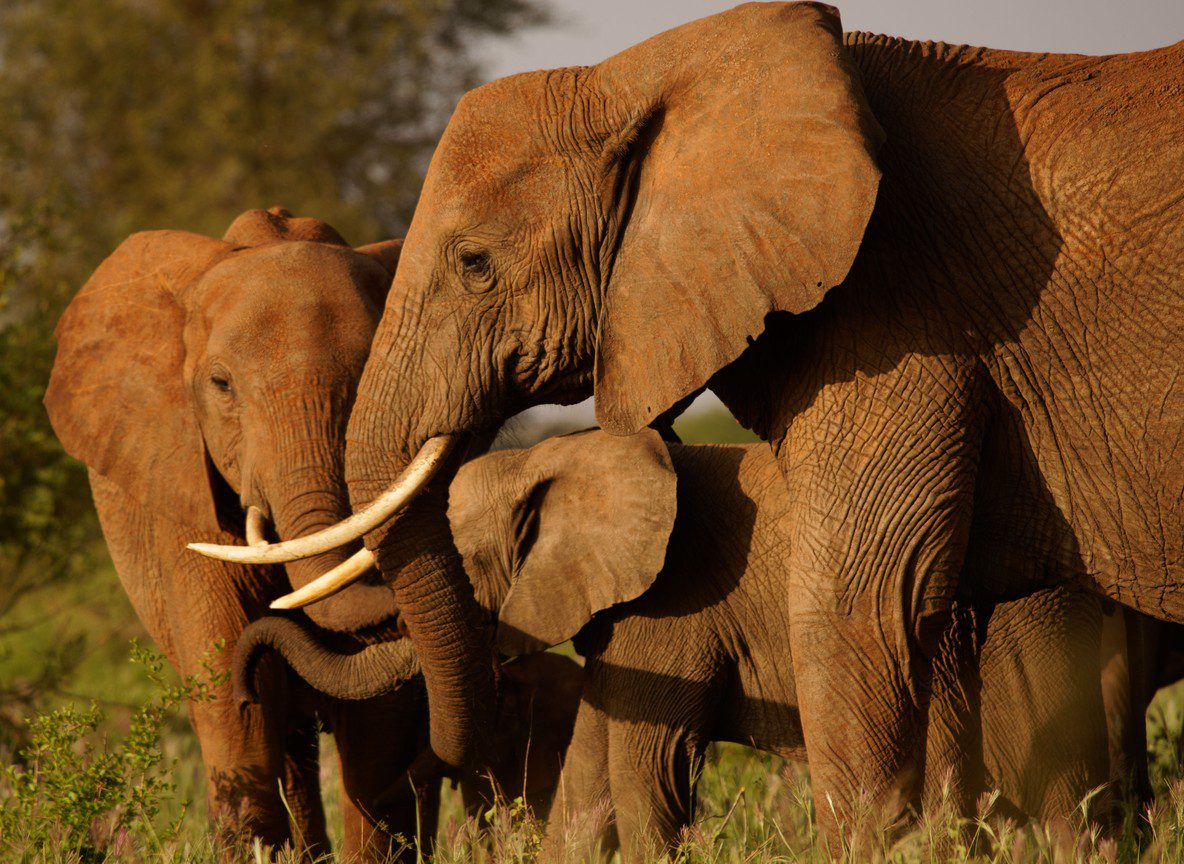
Elephants: Present year-round, concentrating near the Tsavo River and Mzima during dry months. Herds in this section can be very large, and encounters near water sources during the dry season are among the most memorable in the park system.
Rhinos: The rhino sanctuary within the park holds a population of black rhinos. Sighting probability is improved by guided sanctuary drives with specialized rangers. These operate year-round but require advance arrangement through your accommodation.
Cheetahs and lions: Most visible in dry-season shorter grass. Both species range across the open grassland sections between the lava fields and the Tsavo River corridor.
Birdlife: Tsavo West holds over 600 bird species. The Mzima Springs woodland and the riparian vegetation along the Tsavo River are the most productive zones for birders. April through May and November through December add migratory visitors to the year-round resident base.
Lava field species: The Shetani lava fields support a specialized community of small mammals and reptiles adapted to volcanic rock habitat, including rock hyrax in large numbers. Look for klipspringer on rocky outcrops near the lava edges.
Explorer Notes: Route Strategy at Tsavo West
The best approach to Tsavo West is to treat it as a terrain-zoned destination and plan each day around a different landscape type. A well-structured four-night visit might allocate one day to the Mzima Springs circuit, one to the lava fields and surrounding scrub, one to the Tsavo River corridor for large-mammal concentrations, and one to the elevated escarpment sections for views and predator country.
Tsavo West pairs naturally with Tsavo East in a combined circuit that many Kenya itinerary planners consider the country’s most underused multi-park pairing. The two parks are connected via the Tsavo River valley and accessible from each other in a half-day transfer. Together they offer a combined 21,000 square kilometers of wildlife habitat with remarkably low vehicle density compared to the Maasai Mara circuit.
The Chyulu Hills, a separate national park to the north of Tsavo West, is a logical extension for travelers spending a week or more in the region. Some lodges on the Tsavo West escarpment have Chyulu Hills access and can arrange day trips or overnight extensions.
For current conditions, camp recommendations, and detailed routing across Tsavo West and the broader Tsavo circuit, Trunktrails Safaris specializes in Kenya-wide itinerary planning and can advise on track conditions and seasonal timing.
Pair this article with our Tsavo East seasonal guide for the full Tsavo circuit picture, and see our Kenya safari planning guide for help fitting Tsavo into a wider itinerary.
Frequently Asked Questions
What makes Tsavo West different from Tsavo East? Tsavo West is more varied in terrain, wetter on average, and includes specific features not found in the east: Mzima Springs, the Shetani lava fields, and higher-elevation zones with Kilimanjaro views. Tsavo East is larger, flatter, and known for its distinctive red-earth landscape and open elephant plains.
When is the best time to visit Mzima Springs? The springs are excellent year-round, but water clarity at the underwater viewing chamber is best in dry months when sediment run-off is minimal. January through March and June through September are the clearest.
Is Tsavo West suitable for families? Yes. The variety of terrain and the accessible nature of most key sites make it a good choice for families with older children. The lava field walks and Mzima Springs viewing platform add non-drive activities that maintain interest across age groups.
How many days do you need in Tsavo West? Three nights is a reasonable minimum. Four to five nights allows a proper tour of all terrain zones and avoids the sense of rushing. If combining with Tsavo East, a total of seven to eight nights across both parks covers both comfortably.
Every trip described here can be tailored: dates, budget, camps, and pace built around you.
Get a Personalised SafariFurther reading
More safari planning resources
- Map of Tsavo from Valley Safaris
- Tsavo destination guide on FindMySafari
- Best time to visit Kenya month-by-month map from Valley Safaris
- Kenya tour packages from Valley Safaris
Related guides: Best Time to Visit Amboseli National Park: Month-by-Month Wildlife Guide.