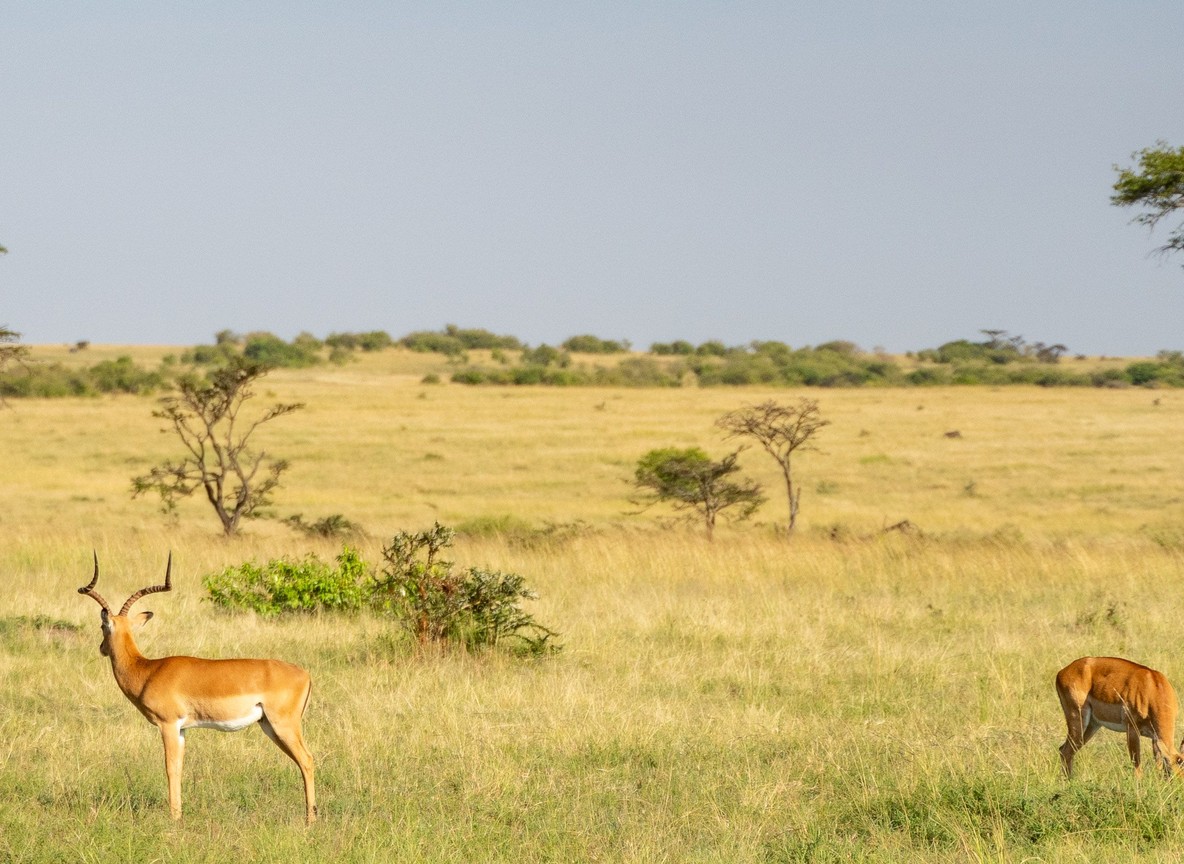
The Masai Mara delivers more photographic opportunity per hour of game drive than almost any other destination on earth. Open savannah keeps sightlines unobstructed. Predator density means big cats are not an event you wait a week for. And the dry-season light, warm and directional, pulling long shadows across the grass, is the kind of illumination that makes wildlife photographers return season after season.
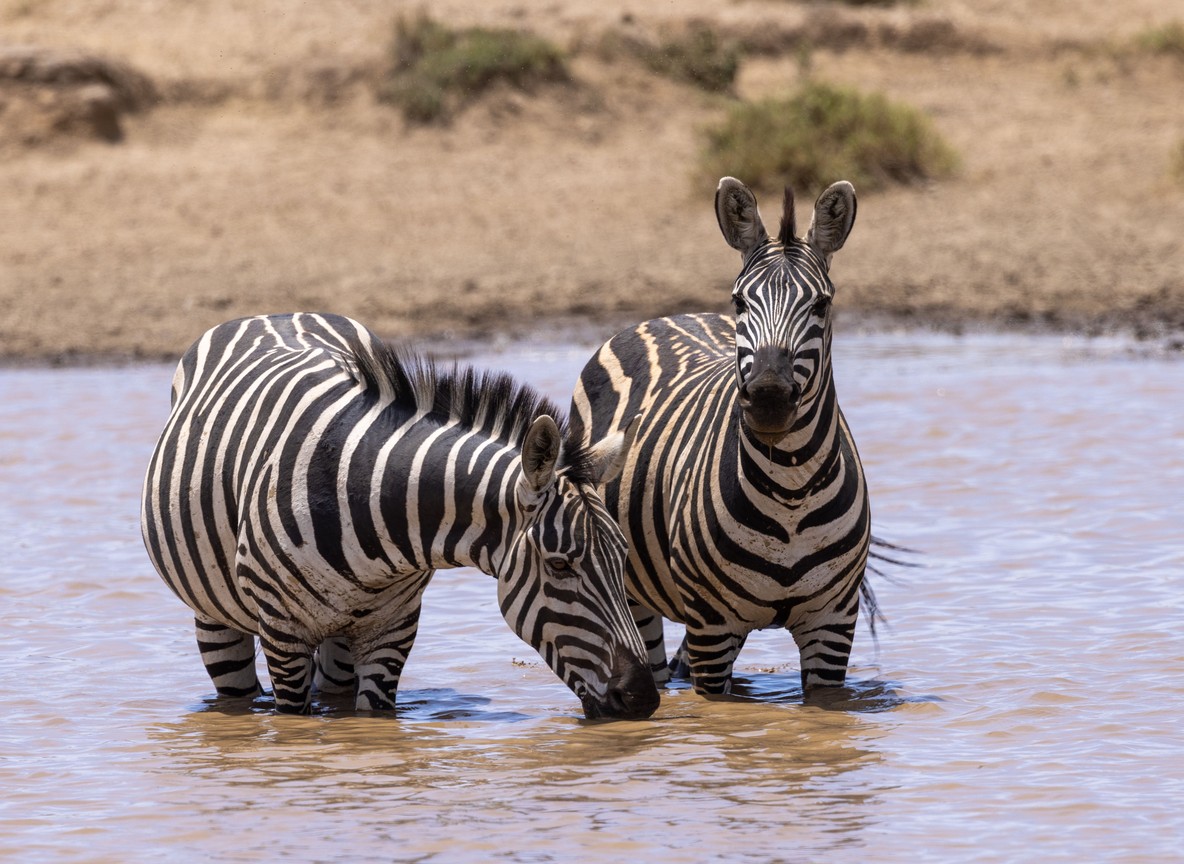
None of that converts to great images automatically. The wrong timing, wrong vehicle position, or a guide who doesn’t understand what you’re trying to do will produce mediocre work in a world-class location. This guide covers the practical mechanics of masai mara wildlife photography: when the light works, where to position yourself, how to set up your game drives, and what gear to bring.
How Light Works in the Masai Mara
Light is the single most important variable in wildlife photography. The Mara has consistent patterns you can plan around from day one.
Morning Golden Hour
Sunrise in the Mara falls around 6:15am year-round. The 45 to 60 minutes that follow are the most valuable shooting window of the day. Light comes in from the east at a low, warm angle that makes every subject glow against the grass. Lion prides are often still active from overnight hunts at this hour, which aligns the best light with the best cat behaviour.
Afternoon Golden Hour
The afternoon window opens 60 to 90 minutes before sunset, roughly 5:00 to 5:30pm, and holds until dark. The western light at this time carries a deeper orange tone than morning. Cheetah tend to peak in late-afternoon activity, making this window particularly productive for cat photography.
Midday: When to Rest
Between 10am and 3pm the light is flat, harsh, and unflattering. Photographers who use midday for battery charging, card downloading, food, and image review consistently get more from their trip than those who push through for uninspiring results. Plan your drives around the golden hours and treat midday as downtime.
Overcast Conditions
Overcast light is not a photography dead-end. Diffused cloud cover eliminates harsh shadows and allows full detail in dark fur. For close-up portraits of leopard, buffalo, or any dark-coated animal, overcast conditions often outperform direct sun. Don’t put the camera away because the sky has gone grey.
Best Locations for Masai Mara Wildlife Photography
Mara River Crossings (July to October)
The wildebeest river crossings during the Great Migration are the most photographed wildlife event in Africa. Getting them right requires as much preparation as luck.
The Lookout Hill above the main Sand River crossing is the classic position: high angle, clear view over the action. For a tighter, more immersive perspective, ask your guide to position you at river level on the bank opposite the main tourist viewpoint. Morning crossings generally begin after 9am as the east bank warms. Afternoon crossings happen from around 3pm. A late-afternoon crossing with western light behind you is the strongest photographic scenario.
Camera setup for crossings: fast shutter at 1/1000s minimum for water splash, continuous autofocus tracking, burst mode. Set everything before the animals reach the water. Wildebeest will mass at the bank, advance, then retreat multiple times before committing. Stay with it. The build-up is part of the story.
The Mara Triangle
The Mara Triangle is managed separately from the main reserve and consistently holds far fewer vehicles, even during peak migration. The open plains between the Oloololo Escarpment and the Mara River give you some of the cleanest, least cluttered backgrounds in the ecosystem.
Strong subjects here: cheetah hunts on open terrain with long sight lines, lion prides in open ground with room to manoeuvre around them for positioning, and wildebeest herd landscape shots. Positioning along the Escarpment road in morning light gives you background-free subjects against the sky.
The Talek River Area
The Talek River and its tributaries run through the eastern reserve. The fig tree groves along the banks are prime leopard territory. Hippo pools, green bee-eaters, and kingfishers round out the subject list near the water.
Riverine forest photographs best in overcast conditions or at the very edges of golden hour, when low-angle light pushes between the trees. Avoid midday in dense vegetation.
Naboisho and Ol Kinyei Conservancies
These private conservancies adjoin the north and northeast of the main reserve and offer what the reserve itself cannot: off-road driving, night drives, and controlled vehicle numbers. Off-road positioning to chase light angles is not permitted inside the national reserve. In the conservancies, a guide can place the vehicle precisely where the subject falls between your lens and the sun, which is often impossible on a fixed track. For photography, this distinction is significant.
Open Savannah East of Sekenani Gate
The grassland east of the main gate is often ignored by visitors who drive straight through to the reserve interior. This open terrain is reliably productive for cheetah and lion in dry season and gives you clean first-and-last-light shots of plains game, zebra, wildebeest, giraffe, and topi against an open sky.
Setting Up Your Game Drive for Photography
A photography-focused game drive and a standard tourist drive differ in their priorities and their discipline.
Vehicle Configuration
A pop-top roof is essential. Shooting from a raised platform gives you a level or slightly downward angle on wildlife, which looks more natural than shooting upward from a window seat. A beanbag resting on the roof rail or window ledge is the most stable and practical support for Mara photography. Monopods work for longer lenses on moving subjects. Tripods are impractical in a vehicle.
If shooting from a door or window, ask your guide to circle the subject so your door faces it. For a right-handed shooter on the left side of the vehicle, the subject should be on the left.
Private Vehicle
On a shared game drive vehicle, you cannot control positioning, cannot ask the driver to hold a sighting for an extended period, and cannot request the engine off for stillness at a critical moment. For serious masai mara wildlife photography, a private vehicle is not a luxury. It is the baseline requirement.
Briefing Your Guide
Tell your guide before the first drive:
- Which light direction you prefer. Most photographers want subjects lit from behind the vehicle, not backlit from the front.
- Your comfort with extended waits at sightings. Some guides move on quickly if guests seem restless.
- Your priority subjects: cat behaviour, birds in flight, landscape with animals, or something specific.
- Whether you want to direct vehicle positioning yourself, or prefer suggestions from the guide.
A well-briefed guide with solid average experience outperforms an unbriefed expert most of the time. This conversation takes five minutes and makes a measurable difference across a five-day visit.
Camera Settings: Quick Reference
| Subject | Shutter | Aperture | ISO | Mode |
|---|---|---|---|---|
| Running or chase action | 1/2000+ | f/5.6-8 | Auto | AI Servo AF |
| River crossing, water splash | 1/1000-1/2000 | f/5.6-8 | Auto | Burst, AI Servo |
| Stationary predator | 1/500-1/800 | f/4-5.6 | Auto | Single AF |
| Birds in flight | 1/2000+ | f/5.6-8 | Auto | AI Servo, burst |
| Landscape with animals | 1/250-1/500 | f/8-11 | 100-400 | Single AF |
| Night drive | 1/100-1/200 | f/2.8-4 | 3200-6400 | Manual |
Best Months for Photography in the Masai Mara
| Month | Light Quality | What to Expect |
|---|---|---|
| January to March | Excellent | Calving season; strong predator action; no migration crowds |
| June to July | Excellent | Pre-migration predators active; first wildebeest arriving |
| August to October | Best overall | Mara River crossings at peak; dry season warmth; dark soil contrast |
| November | Good | Post-rains green season; dramatic cloud formations |
Best single month overall: September. Crossings are near-daily, dry season light is at maximum warmth, and the dark laterite soil creates foreground contrast that makes wildlife subjects stand out sharply.
Most underrated month for photographers: January and February. No migration crowds, strong predator action on calving herds moving through from the south, and clean morning air with exceptional visibility. Professional wildlife photographers quietly favour this window.
Explorer Notes: Equipment
You don’t need the most expensive camera to photograph the Mara well. You need reliable continuous autofocus and enough focal length to fill the frame with your subject.
Minimum recommended:
- DSLR or mirrorless with continuous autofocus tracking
- 300mm lens (400mm or 500mm preferred for birds and distant cats)
- Second body or phone as backup
- Two spare batteries per body
- Four 64GB cards (shoot RAW)
- Laptop or tablet for backup and light editing in camp
Leave at home:
- Wide-angle lenses. The Mara rewards telephoto. Wide angles have their moments but should not be your primary glass.
- Tripods. Beanbags are faster, more stable on a moving vehicle, and far more practical.
Practical Planning Notes
Structure your days around both golden hours. A 6:00am departure and a 10:30am return, followed by an afternoon drive from 3:30pm to 7:00pm, covers both windows completely. Midday in camp is not dead time. It is where charging, editing, and rest happen, which makes the next drive more productive.
For the Great Migration, August and September are the peak months for river crossings. Book conservancy camp access early: smaller properties in Naboisho and Mara North fill quickly once the year opens.
If the migration is not your primary goal, January and February offer the best ratio of predator activity, usable light, and low vehicle density. This combination is harder to find than most photography-focused guides acknowledge.
Where to Go From Here
Photographers who leave the Mara disappointed are almost always those who were in the right place at the wrong hour, or in the right vehicle with a guide who didn’t understand their priorities. The light patterns, shooting locations, and guide relationship are all variables you can control before you go.
Build your game drive schedule around the golden hours. If off-road positioning matters to you, choose a conservancy camp. Brief your guide on your priorities before the first drive. And take overcast mornings seriously.
For photographers researching the full Kenya safari circuit, see our guides on choosing the right camp in the Masai Mara and the best time to visit Kenya’s major parks. For dedicated photo safari itineraries, Trunktrails Safaris runs photography-specific tours with vehicles configured for photographers and guides briefed on light and positioning.
Have questions about this itinerary or destination? Get answers from a safari specialist before you commit.
Inquire MoreFurther reading
More safari planning resources
- Wildebeest migration route map from Valley Safaris
- Great Migration safari collection on FindMySafari
- Best time to visit Kenya month-by-month map from Valley Safaris
- Nairobi to Maasai Mara route guide from Valley Safaris
Related guides: Dawn vs Dusk Wildlife in the Masai Mara: What Each Drive Reveals, Morning vs Afternoon Game Drive in the Masai Mara: What Each Window Delivers, Night vs Dawn Game Drive in the Masai Mara: Choosing Your Wildlife Window.