Here is the honest November Masai Mara summary: the migration herds have departed south. The short rains arrive in early November. Camp rates fall 30 to 50 percent across most properties. Game drive tracks carry fewer vehicles than at any other month except the long-rain months of April and May. The landscape turns green in a way that peak-season photographs never capture.
Whether November is the right month for your Masai Mara safari depends on what you are trying to see. This guide gives you an accurate picture of what November delivers — weather, wildlife, rates, and conditions — so you can make that judgement with clear information rather than marketing language.
November Weather at the Masai Mara
November marks the start of Kenya’s short rains, locally called the “vuli.” Rainfall typically concentrates in the first two to three weeks of the month, with the heaviest period usually between the 10th and 20th. By late November, the rains often ease ahead of a brief dry window in December.
In practice, this means:
Morning game drives are frequently clear and cool, with some of the best light of the year for photography. The low sun angle on clear November mornings, combined with the freshly green landscape, produces conditions that July photographers simply do not see.
Afternoon drives may encounter rain showers lasting 30 to 60 minutes before clearing. The showers are rarely the continuous, day-long rain of the long-rain season.
Mud is a real consideration. The Mara’s black cotton soil becomes slippery and very difficult to navigate in some areas after heavy rain. Private conservancies with maintained all-weather tracks handle wet conditions considerably better than parts of the main reserve where tracks receive less maintenance.
November skies are the Mara’s most dramatic: storm clouds building over the escarpment, double rainbows over open plains, the extraordinary golden light that follows afternoon rain. Photographers who know the Mara year-round frequently cite November as their preferred month for landscape imagery.
Temperature range in November: daytime 22 to 28 degrees Celsius, nights 13 to 18. Cool enough for comfortable game drives with a fleece in the morning, warm enough to avoid the deep cold of July and August nights.
Wildlife in November: What Is Present and What Has Changed
The migration narrative dominates Masai Mara marketing so thoroughly that some visitors arrive with the impression that wildlife disappears when the herds leave. This is wrong. The Mara has strong resident wildlife across every month of the year.
Consistently present in November:
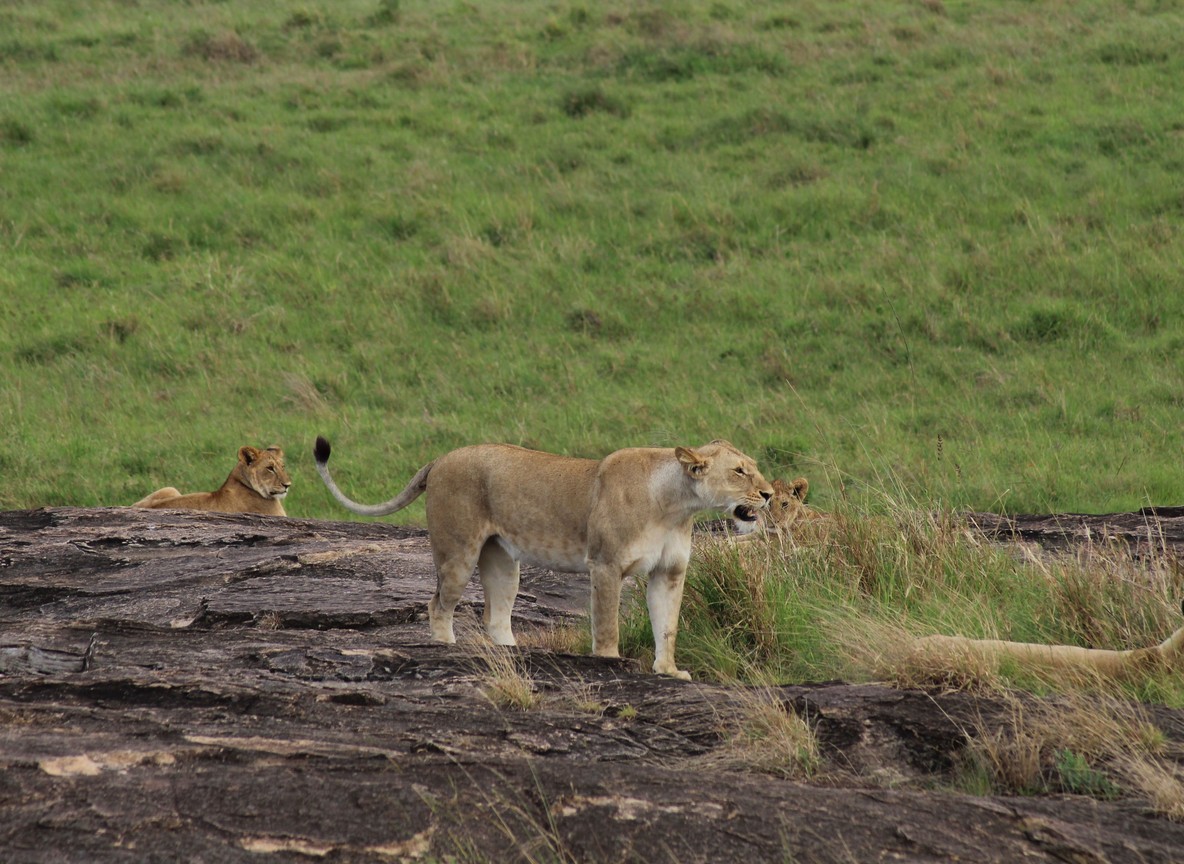
Lion: The Mara’s resident prides, including the well-documented Marsh Pride and the Triangle lion families, do not follow the wildebeest. November lion density is essentially unchanged from August.
Leopard: November is actually one of the more productive months for leopard sightings. The thicker vegetation pushes leopards to fixed territories close to river systems where they concentrate. Lower vehicle traffic reduces disturbance, which tends to improve sighting quality and duration.
Cheetah: The Mara has one of East Africa’s highest resident cheetah densities. Cheetah mothers with cubs are visible year-round. November’s tall grass supports ambush-style hunting, and hunting frequency increases through the green season.
Elephant: Large bull elephants and breeding herds are permanent Mara residents. The November rains draw them toward the luggas (seasonal streams) that are now flowing, which concentrates them predictably.
Buffalo: Massive resident buffalo herds are, in some respects, more impressive in November than August. Without the dominant visual of wildebeest columns, the scale of Mara buffalo herds becomes more apparent.
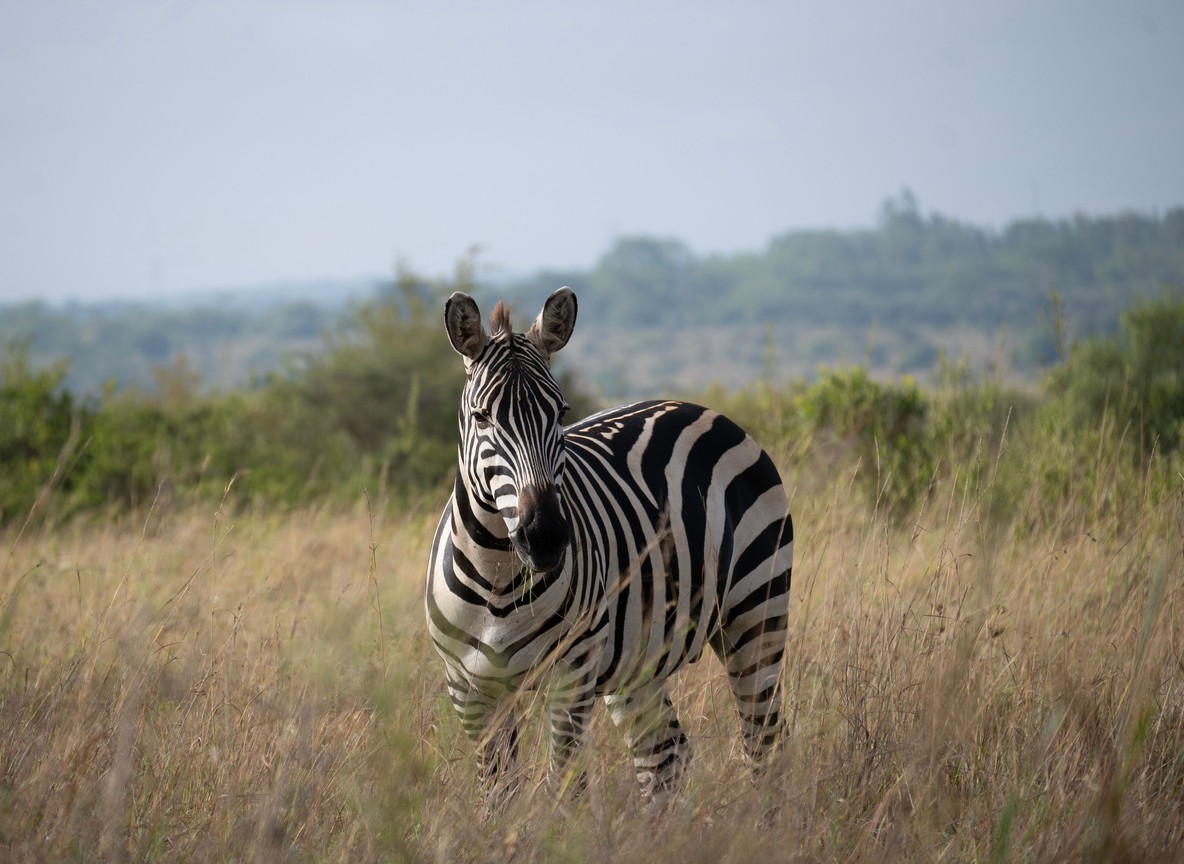
Resident wildebeest: Some wildebeest are year-round residents of the Mara. The plains are not empty; the migration columns are simply absent.
What is reduced in November:
River crossings: Migration crossings effectively end by mid-October. Occasional stragglers may still cross in early November but this cannot be predicted or relied upon.
Overall wildebeest density is significantly lower than July through September.
November-specific additions:
The short rains bring flamingos to the Mara’s smaller seasonal pans. November also brings migratory birds from Europe and northern Africa arriving in Kenya for the northern winter. Birding in the Mara in November is notably richer than in the dry season, with species that are completely absent from July lists.
November Rates: What the Discount Actually Means
Most Masai Mara camps categorise November as green season or low season, with rates adjusted accordingly.
| Camp Category | Peak Rate (Jul-Sep) | November Rate | Approximate Saving |
|---|---|---|---|
| Luxury conservancy camps | USD 900-1,500 per person/night | USD 600-1,000 per person/night | 30-40% |
| Mid-range tented camps | USD 400-700 per person/night | USD 280-500 per person/night | 30-35% |
| Budget campsites | USD 80-150 per person/night | USD 60-120 per person/night | 20-25% |
These discounts are consistent and real across the market. A couple spending five nights in a quality conservancy camp in November saves USD 1,500 to 3,000 compared to the same stay in August. For most travelers, this saving either upgrades the camp choice or extends the trip length — both useful outcomes.
November vs Other Quieter Months
| Month | Rain Pattern | Wildlife Quality | Rates | Vehicle Density |
|---|---|---|---|---|
| November | Moderate | Excellent resident wildlife | Low | Very low |
| April | Heavy and sustained | Good, some tracks impassable | Lowest | Extremely low |
| May | Moderate-heavy | Good | Low | Very low |
| January | Dry | Good (calving season in Serengeti) | Medium | Low |
November is notably better than April and May because the rain is less sustained. Afternoon clearing is more predictable, and tracks are less likely to become completely impassable. January is also an excellent low-vehicle month but lacks November’s dramatic green-season scenery.
Camp Selection in November
The choice of camp matters more in November than in peak season, for two specific reasons: track conditions vary considerably between properties and locations, and the wildlife concentration shifts toward water sources and river corridors.
Look for camps with:
All-weather vehicle access, or conservancy tracks that drain quickly after rain. Ask the camp directly about their track maintenance and wet-weather contingency plans before booking.
River proximity. In November, most wildlife — elephant, buffalo, big cats — concentrates near permanent water. A camp positioned along the Mara River or Talek River is better placed for November game viewing than one in the open plains.
Night drive access. Night drives are only permitted in private conservancies, not in the main Narok County reserve. November nights, with rain-fresh air and the Mara’s nocturnal species active, are particularly worth pursuing. If night drives are important to you, conservancy camp selection is essential.
Some specific November options worth researching: Mara North Conservancy camps (Elephant Pepper, Offbeat Mara) for excellent drainage, permanent water, and consistent predator sightings. Porini Mara Camp in Olare Orok for small capacity and high guide quality. Basecamp Explorer Masai Mara for an eco-camp with a good green season track record.
Practical November Planning Notes
Book transfers carefully. Some seasonal luggas flood in heavy rain. Confirm with your camp that they have a wet-weather plan for airstrip transfers, particularly in the first half of November.
Pack for variable conditions. Mornings are clear and cool, so layer up. Afternoons can shift from warm to wet within an hour. A lightweight waterproof layer over a warm fleece covers the full November range.
Park fees (from July 2026): USD 200 per person per day applies in Narok County regardless of season. This is a significant fixed cost; factor it into your budget alongside the discounted camp rates.
Flight bookings: November has good seat availability on Safarilink and AirKenya. Less forward booking pressure than July and August, but confirming four to six weeks ahead is still advisable.
Who Should Consider November in the Mara
November is the right month for travelers who: are flexible on migration timing and comfortable with variable weather; prioritise lower costs and fewer vehicles over the July-September spectacle; have a specific interest in photography, birding, or predator behaviour in green-season conditions; or simply have travel dates that fall in November and want to understand what they will actually encounter.
November is the wrong month for travelers whose primary Mara goal is witnessing a wildebeest river crossing. If that is your objective, the honest answer is that July through mid-October is the window and any other timing carries significant disappointment risk. See the Tourinsights wildebeest migration route guide for the full crossing season picture.
For travellers open to the green season, the Tourinsights guide to Masai Mara wildlife beyond the Big Five covers what the resident ecosystem looks like when it is not competing with a million wildebeest for attention.
The November Mara in One Sentence
The same ecosystem that produces the August river crossing spectacle — the same lions, the same land, the same scale — without the vehicle queues, at a meaningfully lower cost, in a landscape that looks entirely different and is, for many travelers, more beautiful.
Have questions about this itinerary or destination? Get answers from a safari specialist before you commit.
Inquire MoreFurther reading
More safari planning resources
- Best time to visit Kenya month-by-month map from Valley Safaris
- Great Migration safari collection on FindMySafari
- Wildebeest migration route map from Valley Safaris
- Big Five safari collection on FindMySafari
Related guides: Amboseli Road Conditions Guide: What the Drive Actually Looks Like, Green Season vs Dry Season Masai Mara: What Each Window Delivers.