Most guides to the Masai Mara focus on migration season. The green season — the two wetter periods that bookend Kenya’s dry months — gets shorter coverage and more cautious language. Travellers are told the roads can be muddy, the grass is tall, the sightings are harder.
All of that is true. None of it is the full picture.
A well-planned Maasai Mara green season safari can be one of the more rewarding ways to experience the ecosystem — quieter, lush, dramatically lit, with strong predator activity and none of the vehicle congestion that accompanies peak migration months. This guide gives you the honest version.
What Is the Green Season in the Masai Mara?
The green season refers to the two rainy periods in the Masai Mara: the long rains (March through May) and the short rains (October through December). These are not monsoon seasons in the Southeast Asian sense — they do not produce constant rain. Most green season days include some dry hours and often a clear morning drive. Rain tends to arrive in the afternoon or evening, sometimes as a brief intense shower, sometimes as longer spells.
Between these two wet periods sits the dry season (June through September/October), which is when migration peaks and visitor numbers reach their highest. The green season flanks these peak months and is distinguishable by lush grass, dramatic cloud formations, lower tourist density, and roads that require more careful navigation.
Long Rains vs Short Rains
Long rains (March to May): The heavier and more sustained of the two wet periods. Vegetation becomes dense, which can make finding wildlife harder. Some camp transfer roads become challenging after extended rain. A few smaller camps close for maintenance in the deepest wet weeks. This is the period that most tests green season expectations.
Short rains (October to December): Generally lighter and less disruptive. Often arrive as afternoon showers following clear mornings. The landscape greens quickly but does not become as dense as after the long rains. November in particular is a good green season window — the grass is fresh, predators are active, and visitor numbers have dropped from October’s migration peak.
Wildlife in the Green Season
The common assumption — that wildlife disappears in the wet season — is wrong. The Masai Mara’s resident wildlife populations do not migrate seasonally the way the wildebeest do. Lions, leopards, cheetahs, elephants, buffalo, giraffes, and the full range of plains wildlife are present year-round.
What changes is distribution and visibility. When grass is tall and water is widely available, animals spread out across the ecosystem rather than concentrating around rivers and waterholes. They are harder to locate in dense vegetation and harder to see even when located. This is the genuine challenge of green season game drives.
Predator Activity
Predators often perform well in the green season. Prey animals are well-fed and numerous; young animals are present; thicker cover benefits ambush hunters like lions and leopards. Cheetah hunts still happen in open areas — the central plains of the reserve and the short-grass sections of the Mara Triangle maintain relatively open visibility even in wet months.
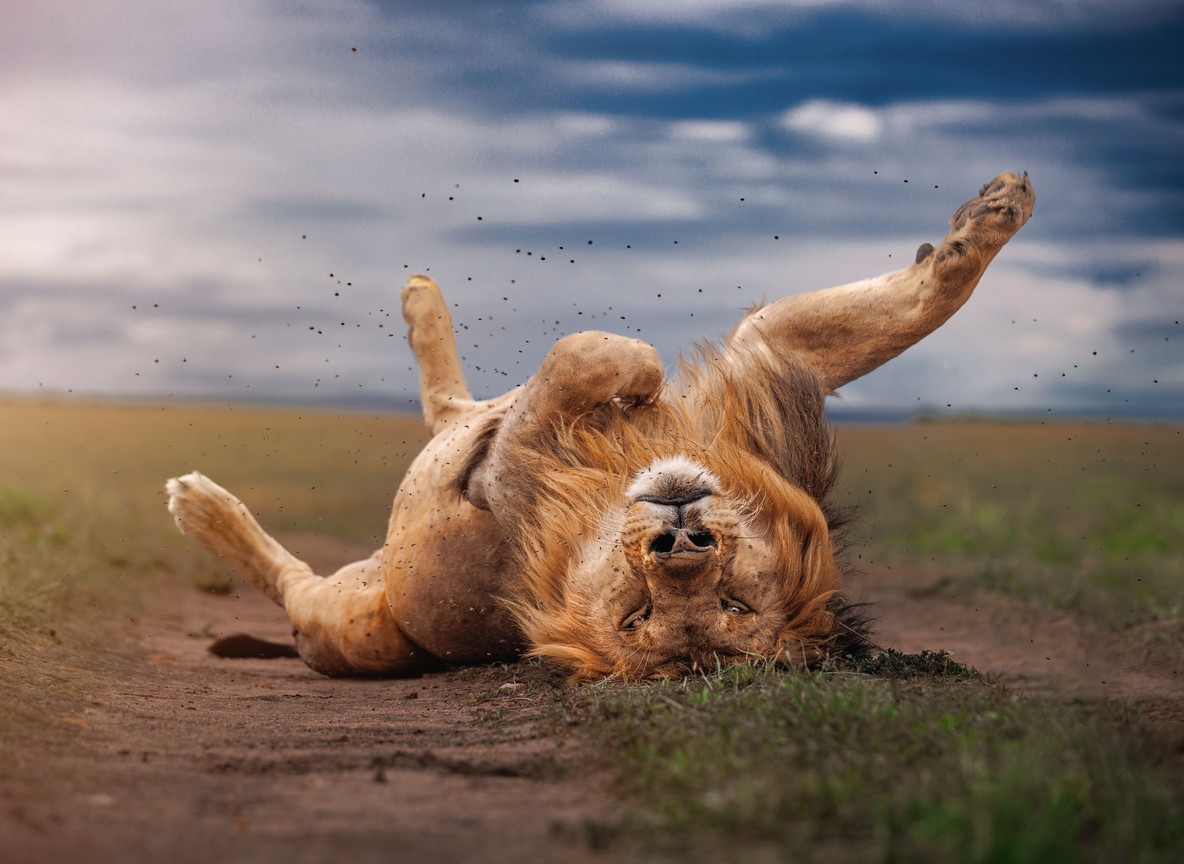
Rain itself does not stop predators. A lion pride moving through mist at dawn, or a cheetah shaking water from its coat after a light shower, produces a type of sighting that dry season game drives simply do not offer.
Newborn Season
Many antelope species drop their young when fresh grass is abundant, which aligns with the green season calendar. Impala lambs, zebra foals, and wildebeest calves are common sightings. Newborn season brings a softer quality to the ecosystem — and it also concentrates predators, who follow the birth events closely.
Birding
The green season is the best birding window in the Masai Mara. Migratory species are present (roughly November through April), breeding plumage is vivid, and waterlogged areas attract wading species and kingfishers that are absent in the dry season. For serious birders, the wet months are the season to prioritise.
Road Conditions and Camp Access
This is the practical consideration that matters most for green season planning.
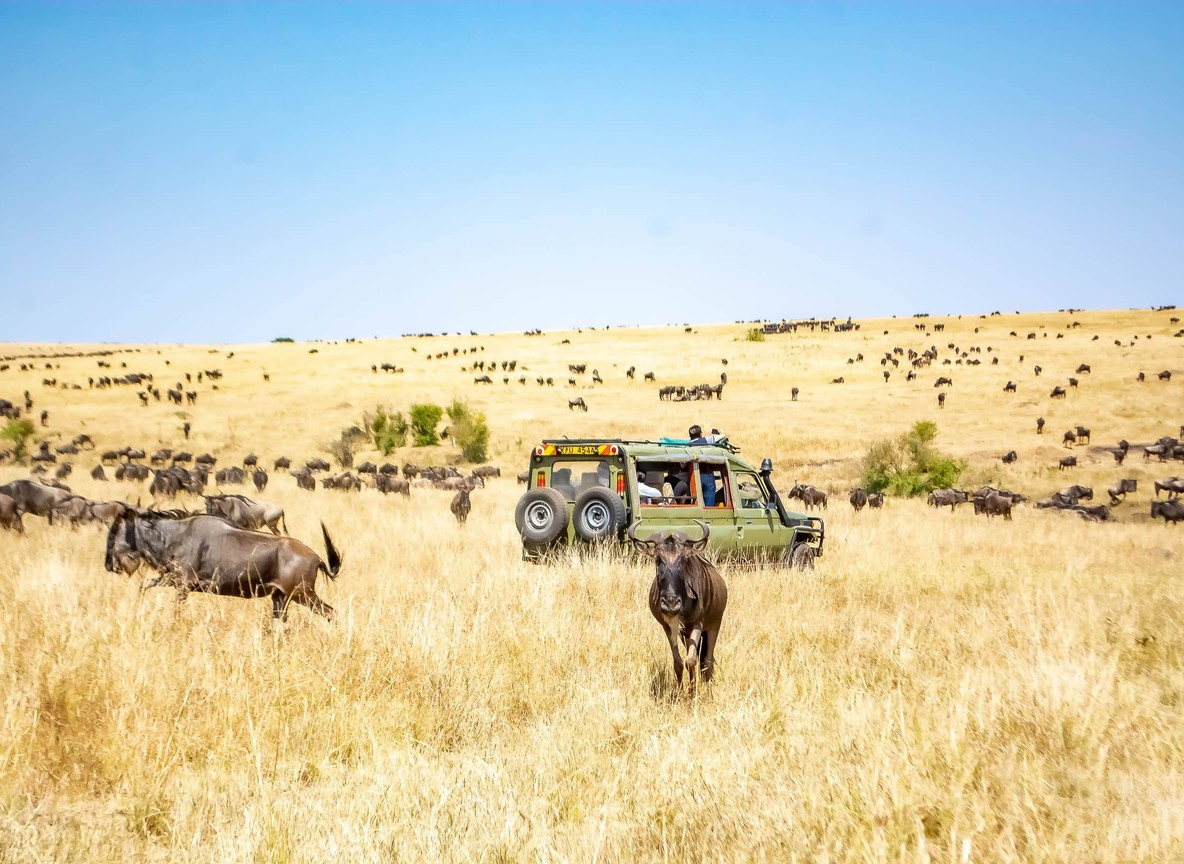
The Masai Mara’s roads range from murram tracks that drain reasonably well to sections of black cotton soil that turn into heavy mud after sustained rain. Black cotton is particularly challenging — it looks firm, then suddenly grabs a tyre and does not let go. A proper Land Cruiser 4×4 is not optional in wet months; it is the minimum specification.
Some roads become impassable after heavy rain for short periods. Guides adapt routes based on current conditions and radio contact with other vehicles. A well-operated safari adapts rather than stops — but flexibility of expectation matters.
Airstrip transfers: some small airstrips become unusable after extended heavy rain. Transfers may need to shift to road or to a larger airstrip. Experienced operators handle this routinely; first-time green season travellers should factor it into expectations.
Camp access is generally reliable but slower. Drives that take 30 minutes in the dry season may take 45 to 60 minutes in the wet. The tradeoff is usually worth it.
Photography in the Green Season
Photographers who know what the green season offers often prefer it to peak season.
Light quality: After rain, the air is clean and the light is soft. Clouds add depth and drama to sky compositions that are flat and bleached in dry season. Golden light after an afternoon shower can transform a standard sighting into an exceptional image.
Backgrounds: Lush green grass and full-leafed trees produce richer, more saturated backgrounds than the dry season’s yellowed vegetation. Wildlife stands out more vividly against green than against brown.
Drama: Atmospheric images — predators in mist, rain on a lion’s mane, storm light over the plains — are only available in the green season.
Fewer vehicles: Reduced tourist density means cleaner compositions at sightings, less pressure, and more time with animals without competing vehicles for position.
The main photographic challenge is tall grass obscuring animals. This is real, particularly in the long rains. Open areas — the Mara Triangle, the short-grass sections near the river — mitigate this considerably.
Green Season Pricing
Green season rates at Masai Mara camps are typically 20 to 40 percent lower than peak season rates, depending on the camp and the specific month. This reduction is consistent across the market — luxury conservancy camps, mid-range lodges, and budget options all adjust for low-season occupancy.
The pricing advantage is most pronounced during the long rains (March through May), which is the lowest visitor period of the year. November offers a better combination — reduced pricing with lighter rain and strong predator activity — and represents one of the better value windows in the Masai Mara calendar.
Green season is also the period when camps are most likely to offer extended stay incentives: a third night free, added activities, or flexible departure times. Availability is rarely a constraint, so negotiation is easier than in peak months.
Practical Planning for Green Season
Vehicle requirements: Confirm that your operator uses proper Land Cruiser 4×4 vehicles with high clearance. Mid-roof pop-top vehicles with adequate ground clearance handle green season roads correctly.
Packing: A lightweight waterproof jacket with a hood, quick-dry neutral clothing, and closed shoes or light waterproof boots. A rain cover for camera equipment. A dry bag for electronics.
Camp selection: Camps with better all-weather access roads and experienced management are preferable in wet months. Flying into the Mara is a reliable option that bypasses the most challenging road sections entirely.
Flexibility: The best green season safaris are operated by guides who adapt to conditions in real time. A driver who insists on following a fixed route regardless of current road status is the wrong guide for a wet season safari.
Timing within the season: November and early December (short rains) are the easiest green season entry point — lighter rain, lower prices, good predator activity, and the residual infrastructure of the migration season’s camp operations still in place. April is the deepest green season and the most challenging.
For a full breakdown of how conditions change across the Mara calendar, the Masai Mara weather guide covers each month in detail.
Conclusion
The Maasai Mara green season is not a consolation prize for travellers who could not afford peak season. It is a genuinely different experience — quieter, richer in atmosphere, more challenging in logistics, and often more memorable in the encounters it produces.
Planning it properly means choosing an operator with reliable vehicles and adaptable guides, staying at a camp with good all-weather access, and arriving with honest expectations about roads and vegetation. Do those things, and the green season is unlikely to disappoint.
Prefer a different route, budget, or travel style? This plan can be adapted to fit.
Customise Your Trip