

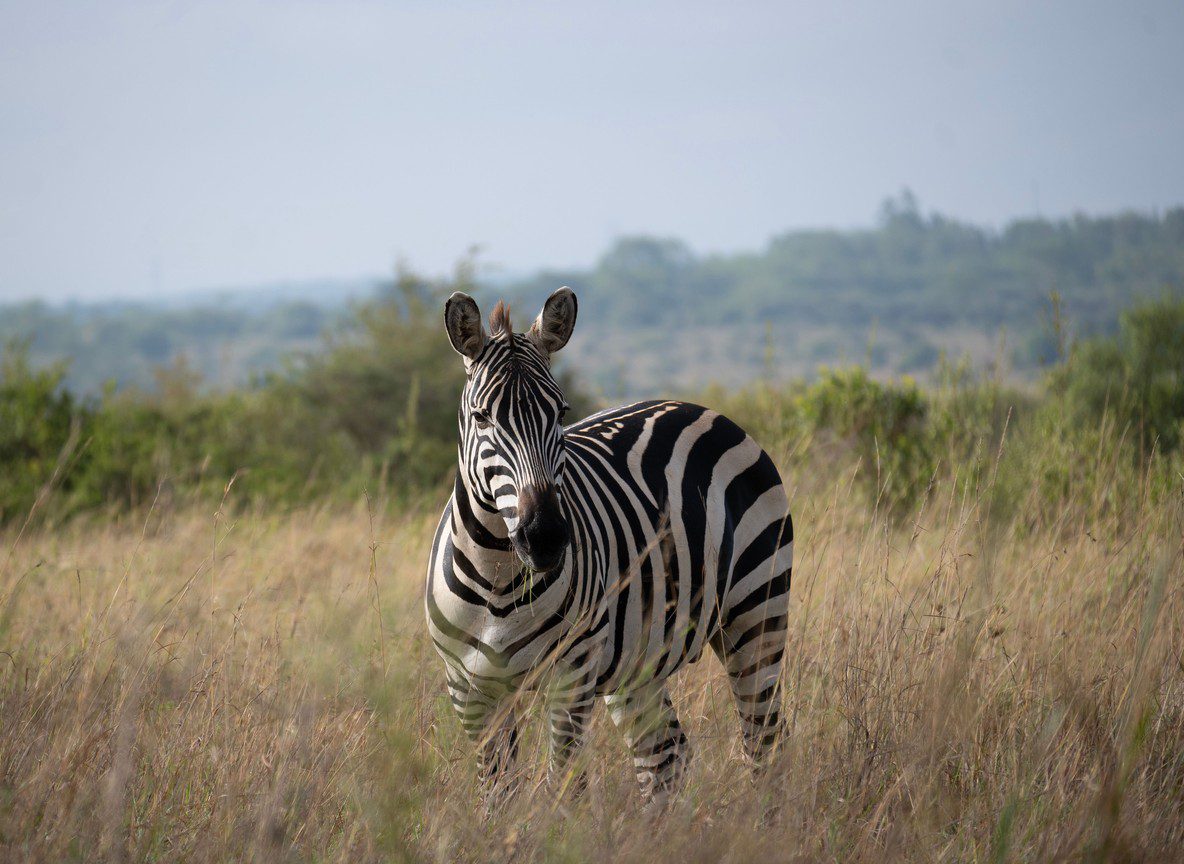
Kenya does not have four seasons. It has two dry seasons, two rainy seasons, and twelve months of extraordinary wildlife — each with a different character, different landscapes, and different sighting conditions. Getting your timing right is the single most important planning decision you will make for a Kenya safari.
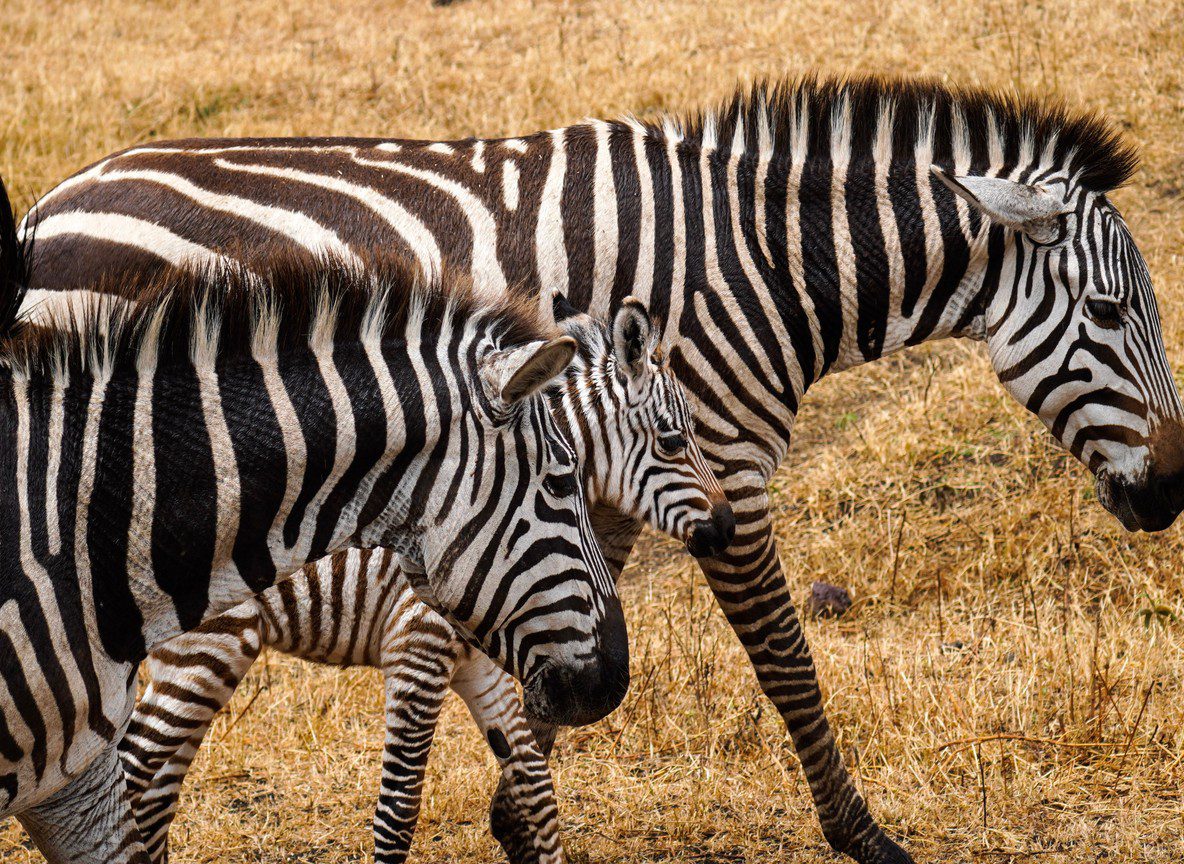
This guide breaks down Kenya weather month by month so you can match your travel dates to your actual priorities — whether that is the Great Migration, clear Kilimanjaro views, predator sightings, birdwatching, low-season value, or quiet conservancy access.
Kenya’s Climate: The Basics
Kenya sits on the equator but behaves differently from equatorial countries further west. Two factors shape the climate: altitude and the Indian Ocean monsoons.
Most Kenya safari destinations sit in the Great Rift Valley highland zone at 1,500 to 2,100 metres above sea level. This altitude keeps temperatures moderate year-round — rarely above 30°C and rarely below 10°C during game drives. The coast is tropical and humid. The northern frontier (Samburu, Marsabit) is arid and consistently hot. The Aberdare highlands are cool and misty year-round.
Kenya has two rainy seasons: the Long Rains (March to May) and the Short Rains (October to December). Between these are two dry seasons — January to February and June to September — when most international safari bookings concentrate. But as this guide shows, every month has genuine value for the right traveller.
Kenya Weather in January
January is one of the finest months for a Kenya safari. The short rains of November and December have ended, residual green holds in the landscape, and dry season conditions are establishing across the ecosystem.
In the Masai Mara, daytime temperatures average 20 to 28°C with cool nights around 12°C. Wildlife is dispersed as permanent water sources remain accessible. Big cat activity is exceptional — January and February are among the Mara’s most reliable months for cheetah and lion sightings as calving wildebeest herds attract predators. Amboseli in January is outstanding: clear skies give unobstructed Mount Kilimanjaro views, and large elephant herds concentrate in the swamp areas.
Visitor numbers are moderate, with the first two weeks typically quieter than late January. For travellers who want reliable wildlife access without July and August crowd levels, January delivers exactly that.
Best for: Big cat photography, Amboseli with Kilimanjaro views, first-time safari travellers wanting a quieter experience, coastal extension after safari.
Kenya Weather in February
February marks the peak of the short dry season. It is the hottest and driest month across most Kenya safari destinations — clear blue skies, excellent visibility, strong midday heat. Daytime temperatures in the Masai Mara reach 28 to 31°C, cooling to 12 to 15°C at night.
For wildlife, February is outstanding. The calving season across the Serengeti-Mara ecosystem attracts active lion prides and cheetah families. Marine conditions along the coast are also exceptional — February is the best month for snorkelling and diving at Watamu and Diani, with water visibility of 20 to 30 metres.
One consideration: February heat in Tsavo and Samburu can be intense (above 35°C at midday). Game drives at these destinations should be scheduled for early morning and late afternoon.
Best for: Wildlife photography in the Masai Mara, coastal diving, couples and honeymooners, photographers wanting maximum daylight and clear conditions.
March in Kenya: The Long Rains Begin
March marks the transition from dry season to the long rains. The shift is gradual — afternoon and evening showers build through the month, while mornings often remain clear and warm. Temperatures stay high (25 to 30°C in the Masai Mara), but increasing cloud cover moderates the heat.
This is the beginning of low season across Kenya’s safari destinations. Accommodation rates drop by 20 to 40% as international visitor numbers fall. The Masai Mara is still excellent for game drives — the grass greens up after months of dry season, which can actually improve photography as landscapes gain colour and the dusty haze of February clears.
March is one of the best months for birdwatching. Migratory species begin arriving from Europe and Asia, making the Mara and its conservancies excellent for serious birders.
Best for: Budget-conscious safari travellers, birding specialists, photographers wanting green landscapes, couples seeking fewer crowds.
April in Kenya: Peak Long Rains
April typically brings the heaviest rainfall of the year across Kenya’s highland safari zones — Masai Mara, Naivasha, Samburu. Rains are often afternoon and overnight events; mornings can be clear, but consistent rainfall significantly affects road conditions inside the Masai Mara National Reserve.
April is the lowest-volume month for Kenya safari tourism. Accommodation rates are at their most affordable — some luxury tented camps offer 50 to 60% reductions on peak-season rates. The Masai Mara ecosystem in April is brilliantly green: a completely different visual experience from the golden dry-season savannah, and extraordinary for landscape photography.
Wildlife behaviour changes in April. Large herd movements become less predictable as water is plentiful everywhere and animals disperse. However, permanent resident populations — resident lion prides, elephant families, hippo communities — remain present and visible throughout.
Best for: Budget travellers, landscape photographers, travellers comfortable with rainy-season flexibility. A 4×4 Land Cruiser is essential — no safari vans.
May in Kenya: Long Rains Tapering
Kenya weather in May shows gradual improvement from the April peak. Rainfall becomes less intense and less frequent as the long rains season approaches its end. By mid-May, many days are clear, and the Mara ecosystem retains the brilliant green of April while game drive conditions improve steadily.
May is still low season for safari tourism, so accommodation rates remain at their most accessible. The landscape is arguably the most photogenic of the year — lush green plains, full rivers, dramatic cloud formations, and flowering acacia trees. Wildlife remains dispersed but consistently present throughout the Masai Mara.
The last week of May typically sees improving conditions that can rival early June in game drive quality at a fraction of the peak-season price.
Best for: Value-seeking safari travellers, landscape and birdwatching photography, small groups booking exclusive camps at low-season rates.
June in Kenya: Dry Season Returns
June signals the return of the dry season. The long rains end — usually by late May or early June — and the landscape begins its transformation from lush green to the iconic golden-brown dry season savannah. June mornings in the Masai Mara are cool (10 to 12°C) and crisp, with warm afternoons reaching 22 to 25°C.
June marks the beginning of Kenya’s peak wildlife season. As permanent water sources draw wildlife concentrations, game drive sightings improve week by week. The Great Wildebeest Migration begins its northward movement from the Serengeti in June, with leading herds crossing into the Masai Mara in late June and early July.
Visitor numbers rise in June, and accommodation rates step up from low-season pricing. Early June is worth considering for travellers who want excellent game drive conditions — with Great Migration herds beginning to arrive — before the July and August peak-season crowds and pricing establish fully.
Best for: Great Migration early-season access, excellent all-round wildlife sightings, travellers wanting peak wildlife without peak pricing. Book 4 to 6 months ahead.
July in Kenya: Peak Season and the Great Migration
Kenya weather in July is the most celebrated globally for safari. Cool mornings and warm afternoons (15 to 25°C in the Masai Mara), clear skies, short grass from months of dry conditions, and millions of wildebeest crossing the Mara River create the most dramatic wildlife spectacle on earth.
The main wildebeest herds have crossed from Tanzania into the Masai Mara National Reserve, and Mara River crossings — where thousands of animals plunge into crocodile-infested waters — occur from mid-July through September.
The trade-off is real: July is Kenya’s most expensive and most crowded month for safari. The Masai Mara National Reserve sees its highest vehicle concentrations at prime sightings. Accommodation rates are at their annual peak, and hot air balloon flights, river crossing vehicles, and specific camp categories sell out 6 to 9 months in advance.
For the Great Migration specifically, conservancy camps (Olare Motorogi, Naboisho, Mara North) generally offer lower vehicle counts at sightings compared to reserve-boundary camps. See touringinsights.com/masai-mara-conservancy-vs-national-reserve-guide for a full breakdown.
Best for: Great Migration river crossings, peak wildlife density, first-time Kenya safari travellers who want the iconic experience. Book 6+ months ahead.
August in Kenya: The Great Migration at Full Intensity
August continues the peak dry season conditions established in July. Temperatures in the Masai Mara range from 14°C at night to 26°C at midday — comfortable for game drives and cool enough for afternoon walking safaris in conservancies.
The Great Migration river crossings reach their most dramatic and most frequent point in August. The largest herds assemble on the Mara River banks, and crossing events can occur multiple times per day in the Triangle and northern reserve areas. Predator activity is exceptional — lions, cheetahs, and leopards all follow the migration herds, creating concentrated sighting opportunities along the migration corridors.
August is Kenya’s second busiest month for tourism. Accommodation remains at peak-season pricing, and the best camps and conservancy lodges are typically sold out. Families with school-age children often target August due to school summer holiday timing.
Best for: Peak Great Migration experience, best predator sighting concentration, families on school summer holidays. Commit to advance planning.
September in Kenya: Migration Continues, Crowds Begin to Thin
September brings a subtle shift from the August peak. Temperatures remain dry and warm (14 to 26°C), but visitor volumes ease slightly as European school summer holidays end. The Great Migration is still active — wildebeest and zebra herds remain in the Masai Mara through September — but daily crowd pressure at river crossings begins to moderate.
September is one of the best months for Kenya safari photography. The grass remains short from months of dry season, visibility is excellent, and the light quality — golden morning and evening — is exceptional. Isolated afternoon cloud formations add dramatic skies to landscape photography.
Accommodation rates in September often remain at peak-season pricing for the first two weeks, then begin stepping down toward late September as demand softens. Flexible travellers who target late September can secure better rates while maintaining near-identical wildlife sighting quality to August.
Best for: Migration sightings with slightly lower vehicle numbers, wildlife photography, couples seeking peak-quality game drives at improving rates.
October in Kenya: Short Rains Begin
October marks the transition to the short rains season. Afternoon showers arrive 3 to 4 times per week, though mornings remain clear and suitable for game drives. The wildebeest migration begins its southward return to Tanzania as short rains bring fresh grass growth south of the Mara.
October is a genuinely good month for Kenya safari for the right traveller. Accommodation rates drop significantly — typically 30 to 50% below August pricing. The Masai Mara ecosystem begins to green up again, birding improves substantially as migratory species arrive, and resident wildlife remains consistently present throughout the reserve and conservancies.
October is particularly well-suited to Amboseli, where short rains bring active elephant mornings around the swamps with clear Kilimanjaro views before afternoon cloud builds.
Best for: Birding safaris, value-seeking travellers, Amboseli with Kilimanjaro views, experienced safari travellers returning for the green season experience.
November in Kenya: Short Rains Continue
November is the peak of the short rains season. Regular afternoon and evening rainfall arrives across the Masai Mara and highland zones — though November showers are typically shorter and more intense than the April long rains, and are often followed by clear conditions.
November is low season for Kenya safari tourism, offering the best access to luxury tented camps and conservancy lodges at dramatically reduced rates. The landscape is fresh green, and resident wildlife populations are healthy and visible despite weather variability. The Masai Mara conservancies — which permit walking safaris and night game drives — remain fully operational in November, giving conservancy guests a richer experience than vehicle-only reserve visits.
For coastal travel, November is transitional. The monsoon has shifted direction, and conditions improve through the month, with late November bringing clearer marine conditions.
Best for: Budget luxury travellers, walking safari enthusiasts in conservancies, coast extensions after safari, returning visitors who have experienced the peak dry season.
December in Kenya: Festive Season and Improving Weather
December begins with the tail end of the short rains and transitions to improving dry conditions by mid-month. The festive season (mid-December through early January) is the second major peak period for Kenya safari tourism — driven by international holiday travel rather than wildlife timing.
The conditions are genuinely good. The Masai Mara landscape retains vivid green from November rains. Wildlife is concentrated and active as short dry conditions re-establish. The conservancies offer walking safaris and night game drives throughout December for conservancy guests. December weather is warm and comfortable — ideal for game drives and coastal extensions.
Accommodation rates step up sharply for the Christmas and New Year peak (December 20 to January 5), when many luxury camps in the Masai Mara sell out completely. Travellers planning Christmas and New Year safaris in Kenya should aim to book by June at the latest.
Best for: Festive season family travel, honeymoon couples, returning visitors combining wildlife and coast. Christmas week books out fast — plan 6 months ahead.
Kenya Weather Summary: Quick Month-by-Month Reference
| Month | Season | Crowds | Rates | Best For |
|---|---|---|---|---|
| January | Dry | Moderate | Mid | Big cats, Amboseli, clear skies |
| February | Dry | Moderate | Mid | Coast, photography, wildlife |
| March | Long rains start | Low | Low | Budget, birding, green landscapes |
| April | Long rains peak | Very low | Lowest | Budget luxury, photographers |
| May | Long rains taper | Low | Low | Value, birdwatching |
| June | Dry season starts | Building | Mid | Migration begins, all-round |
| July | Peak dry | Very high | Highest | Great Migration, peak wildlife |
| August | Peak dry | Very high | Highest | Migration peak, predators |
| September | Dry | High-moderate | High | Migration, photography, families |
| October | Short rains start | Moderate | Mid-low | Birding, Amboseli, value |
| November | Short rains | Low | Low | Budget luxury, walking safaris |
| December | Transitional | High (festive) | Variable | Festive, honeymoons, coast |
Planning Around Kenya’s Seasons
There is no single best time to visit Kenya — only the best time for your specific priorities.
If the Great Migration is non-negotiable, target July or August and book at least 6 months out. If you want the same ecosystem at lower cost and with more elbow room, June or September offer strong alternatives. If Amboseli and Kilimanjaro views are the goal, January and February deliver the clearest conditions. If value is the primary driver, April through May gives you dramatic green landscapes and luxury camps at their most affordable rates.
For planning resources, touringinsights.com/masai-mara-great-migration-guide covers the migration in detail, and touringinsights.com/best-time-to-visit-kenya summarises seasonal priorities by travel style.
The key principle across all months: Kenya rewards travellers who plan with specific goals in mind rather than waiting for a generalised “best time.” Every month has its version of extraordinary — knowing which version suits you is what this guide is for.