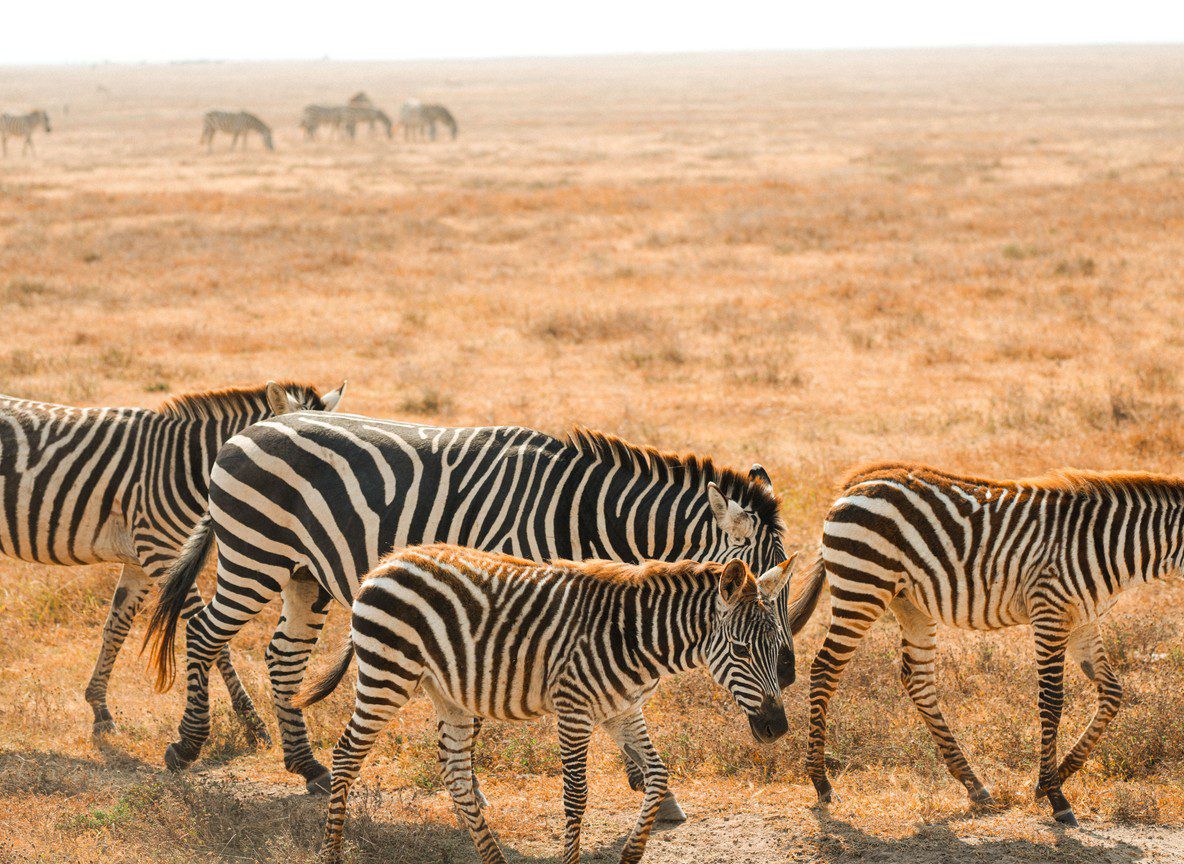
Amboseli is close enough to Nairobi to tempt travellers into a very short trip. The drive is manageable, the wildlife is reliable, and the prospect of seeing elephants against Kilimanjaro makes it one of Kenya’s most compelling detours. The question is not whether one night in Amboseli is possible — it clearly is. The question is whether one night is enough for the kind of safari you are hoping to have.
This guide breaks down both options honestly, covering what each actually feels like in practice, who each suits, and how the night count interacts with your transfer choice and overall travel style.
What a 1-Night Amboseli Trip Actually Looks Like
A one-night Amboseli itinerary typically runs like this:
- Day 1: Travel from Nairobi (road: 4 to 5 hours; flight: 45 minutes), arrive at camp mid-afternoon, afternoon game drive (roughly 3 to 6pm), dinner and overnight
- Day 2: Morning game drive (roughly 6 to 9am), breakfast, check out and travel back
That is two game drives and one overnight. The structure is real — you will see elephants, you will cover ground. But the margin for error is thin. If you arrive tired, if the afternoon drive is slow, if Kilimanjaro is clouded over throughout, there is no recovery window.
What a 2-Night Amboseli Trip Actually Looks Like
A two-night Amboseli itinerary typically provides:
- Day 1: Arrive, settle in, afternoon game drive, dinner and overnight
- Day 2: Full day in the park — morning drive, midday rest at camp, afternoon drive, dinner and overnight
- Day 3: Final morning drive, breakfast, check out and travel back
The middle full day is the key difference. It gives you four game drives instead of two, a genuine rest period in the middle of the day, and the flexibility to wait out cloud cover or pursue sightings without the pressure of an imminent departure.
Quick Comparison
| Factor | 1 Night | 2 Nights |
|---|---|---|
| Total game drives | 2 | 4 |
| Safari rhythm | Compressed | Proper |
| Recovery time | Minimal | Adequate |
| Transfer effort vs safari time ratio | Heavy | Better balanced |
| Best for | Tight schedules, safari add-ons | Most travellers, first visits |
| Kilimanjaro visibility chances | Limited (two windows) | Significantly better |
| Wildlife photography scope | Limited | Much stronger |
| Cost | Lower | Higher, but better value per drive |
The Transfer Time Factor
Amboseli is approximately 225 km from Nairobi by road — roughly four to five hours depending on route and conditions. That round trip is eight to ten hours of driving spread across your trip. On a one-night schedule, transfer time accounts for almost as much time as safari time. On a two-night schedule, the same transfer is spread across four game drives and a full overnight rhythm, which feels far more proportional.
Flying changes this somewhat. The Wilson Airport to Amboseli airstrip flight is about 45 minutes and removes most of the road fatigue argument. Even so, two nights is the stronger choice by air as well — the experience of being in the park long enough to settle into its rhythm is not just about drive count.
Kilimanjaro Visibility: Why Night Count Matters
One of Amboseli’s defining features is its views of Kilimanjaro — Africa’s highest mountain, visible from within the park on clear days. The mountain is cloud-free most reliably in the early morning and late afternoon, and most reliably during the dry seasons (January to February, June to October). Clouds typically build through the morning and can obscure the mountain entirely by mid-morning.
A one-night stay gives you two visibility windows: the afternoon of arrival and the morning of day two. A two-night stay gives you four. This is not a minor consideration for travellers who have specifically come to photograph elephants with Kilimanjaro as backdrop — it is often the difference between getting the shot and not.
Who Should Choose 1 Night
One night in Amboseli makes sense when:
- Your schedule is genuinely constrained and one night is what is available
- Amboseli is a short add-on to a larger Kenya itinerary rather than a main destination
- You are flying in and out, reducing transfer fatigue
- You have specific, realistic expectations about what two drives can deliver
- You have visited Amboseli before and want a brief return without a long commitment
One night can absolutely be worthwhile. The experiences you have in two drives — elephant families at the swamp, the Observation Hill view, the plains at golden hour — are genuine. It is the pressure and limited contingency that make it less suitable as a main event.
Who Should Choose 2 Nights
Two nights in Amboseli makes sense for:
- First-time safari travellers who need room to settle into the experience
- Photographers hoping for multiple Kilimanjaro and elephant light windows
- Families with children who need recovery time between drives
- Couples for whom the camp atmosphere matters as much as the game drives
- Anyone travelling by road from Nairobi, where the transfer investment is higher
- Travellers who want at least some margin if the first afternoon is slow or overcast
For most visitors making a dedicated trip to Amboseli, two nights is the correct minimum. It is the length at which the experience starts to feel like a proper safari rather than an extended day trip.
Cost Considerations
One night costs less in absolute terms. Two nights costs more but typically delivers better value when measured against the total experience. The transfer cost — vehicle hire, driver, fuel, or flight — is largely fixed regardless of night count. Spreading that fixed cost across more game drives and more nights reduces the cost per experience.
If budget is the primary constraint and one night is genuinely the limit, it is still worth doing. If you have any flexibility, the case for two nights is straightforward.
What Most Travellers Underestimate
First-time safari visitors frequently underestimate how much they enjoy doing nothing in particular at camp. The middle-of-the-day rest period on a two-night stay — sitting under an acacia tree watching superb starlings, listening to the sounds of the swamp, talking to the camp naturalist — is part of what makes a safari stay different from a day trip.
One night does not allow for this. Two nights gives it to you at least once. It is one of the less quantifiable but genuinely felt differences between the two options.
The Verdict
Choose one night only when time is the hard constraint and you are clear-eyed about the compromise. Choose two nights as the default if you want Amboseli to feel complete.
The park is small enough that two nights covers it well without repetition feeling like a problem. Four game drives across three days, with a proper rest in between, is the structure that consistently produces the most satisfying Amboseli experiences for the widest range of travellers.
For more on planning the right Amboseli itinerary, see the Amboseli safari planning guide and the guide on how many nights in Amboseli on Touring Insights.
Prefer a different route, budget, or travel style? This plan can be adapted to fit.
Customise Your TripFurther reading
Related Kenya safari guides
- How Kenya Safari Operators Are Adapting to Fuel Costs
- Kenya Safari Tipping Guide 2026: How Much to Tip
- Kenya Self-Drive Safari: Routes, Permits and What to Know
- Nairobi Safari Day Trips: Giraffe Centre, Orphanage and Park
- Safari Travel Insurance Kenya: What Coverage You Actually Need
- Seasons in Lewa Conservancy: A Month-by-Month Guide
- Nairobi National Park Seasons: Month-by-Month Guide