Kenya safari parks with lowest vehicle density are not a fixed ranking. The real measure is how many vehicles you share a lion or leopard with. That depends on local rules, bed caps, and season more than on a park’s size or fame. This guide compares named conservancies and public parks honestly, so you can weigh solitude against the wildlife you most want to see.
What does vehicle density actually mean on a Kenya safari?
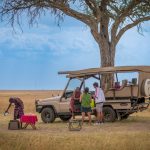
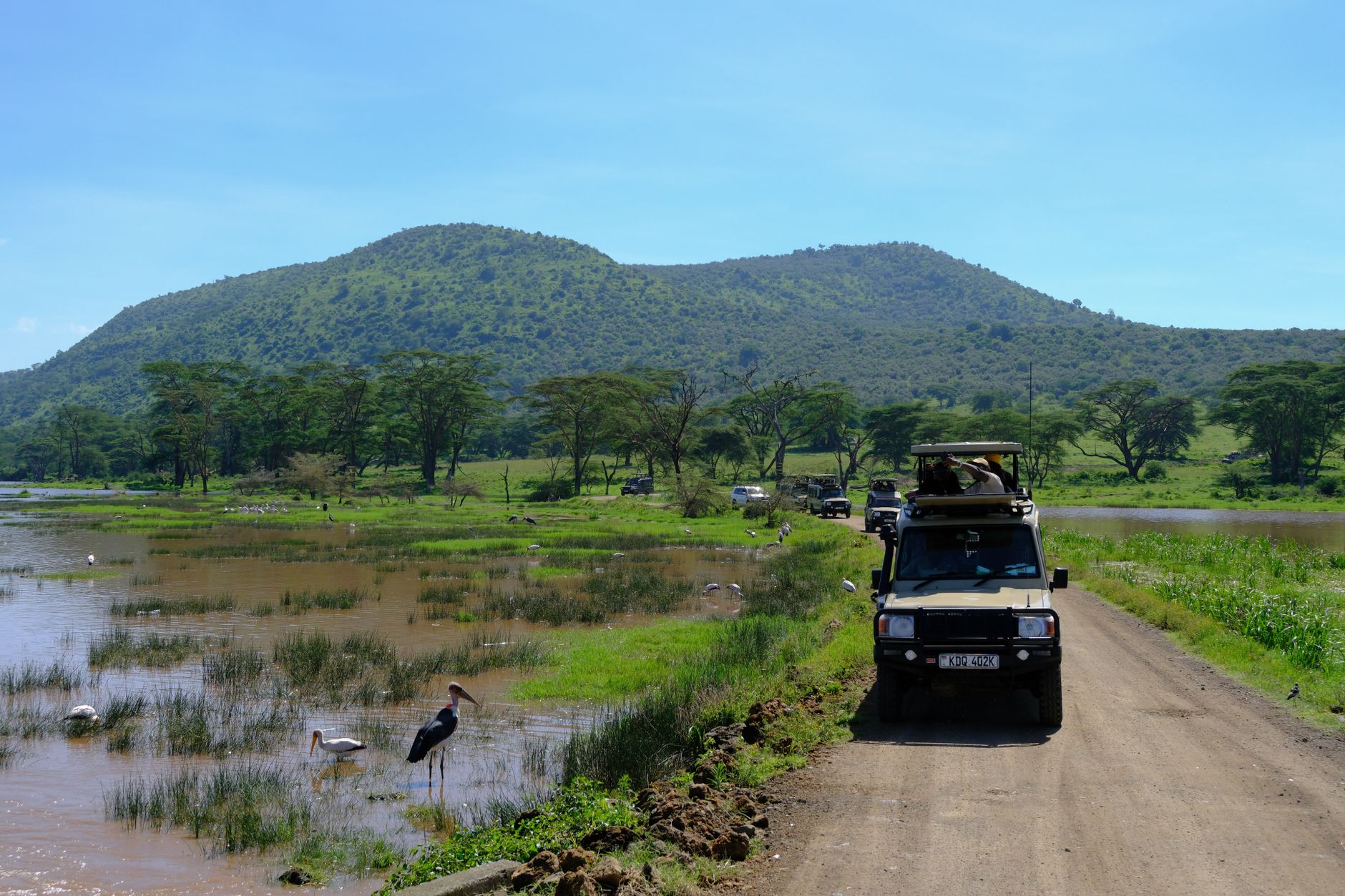
Vehicle density is best judged at the sighting, not by park size alone. A low-density destination limits vehicles through bed caps, conservancy rules, or guide coordination. A lion or leopard encounter may involve one to five vehicles rather than a queue. Public reserves can remain busy even when the surrounding landscape feels open.
A public reserve can look remote while still funneling many vehicles to a known leopard tree. In contrast, a private conservancy may feel small but cap the number of rooms and guides allowed on its land. It may also restrict vehicles at a sighting to a handful. That distinction matters for a luxury solo traveler who wants a private guide rather than a queue. You can also learn more about how to avoid vehicle queues at a wildlife sighting before choosing.
Which Kenya safari parks with lowest vehicle density should you start with?
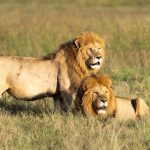
Ol Kinyei, Naboisho, Mara North, and Olare Motorogi are among the strongest Mara choices for low vehicle density. Ol Kinyei is especially suited to solitude, and Naboisho combines quiet sightings with strong lion viewing. Mara North offers broad space and migration access, and Olare Motorogi pairs fewer vehicles with strong big-cat density.
These four conservancies sit next to the Masai Mara National Reserve. Ol Kinyei has a small footprint and only a few camps, which keeps vehicle pressure very low. Naboisho is larger but still applies low bed density, and it is known for reliable lion sightings. Mara North covers broad plains with migration access, while Olare Motorogi has high big-cat density and controlled vehicle numbers. If photography is a priority, compare these areas with the best Kenya safari parks for photography. For a wider look at the ecosystem, the Masai Mara guide is useful.
Which Laikipia conservancies offer the quietest game drives?
Borana and Loisaba are usually the best Laikipia choices when minimizing vehicles matters most, while Lewa and Ol Pejeta add stronger rhino-focused wildlife. Laikipia conservancies set local rules linked to land area, beds, and sightings; many encounters involve only a few vehicles. The trade-off is less predictable big-cat viewing than the Mara.
Borana and Loisaba feel unhurried because they combine a low human footprint with large private or community land. Both offer walking, horse riding, and night drives in some areas. Big cats are present in lower numbers, though, and can be harder to track than in the Mara. Lewa and Ol Pejeta are better if rhino viewing drives the trip. Ol Pejeta has a well-known rhino program and also hosts the last two northern white rhinos. It can be busier than Borana because of its visitor infrastructure. See the Ol Pejeta Conservancy guide for details. Wild dog sightings in Laikipia are possible but unpredictable; the wild dog guide explains where to look.
Is Meru National Park a genuinely low-crowd public park?
Meru National Park is one of Kenya’s quieter public-park options and sees a fraction of the Mara’s visitor numbers. It offers varied landscapes, elephants, lions, and a strong sense of wilderness, but lower predator density and fewer headline events make sightings less predictable. Amboseli can also feel spacious away from its busiest viewing areas, but it is not uniformly low-density.
Meru receives far fewer visitors than the Mara, and its landscape mixes rivers, doum palms, and open plains. Sightings are more spread out, so a full day can feel private. The trade-off is lower predator density and fewer reliable cheetah or lion guarantees. Amboseli can feel spacious in the western and less-used areas, but the main swamps still draw many vehicles in peak hours. The Amboseli safari guide helps you decide if its elephants warrant the busier zones.
Does low vehicle density mean weaker wildlife sightings?
The quietest safari does not always produce the most reliable sightings. Mara conservancies can offer both low vehicle numbers and strong lions, leopards, and cheetahs. Borana and Loisaba provide more solitude but broader, less concentrated wildlife. Choose based on whether the priority is private viewing, predator density, rhino, migration, or varied activities.
The table below gives indicative ranges for typical vehicle numbers at a big-cat sighting and notes on wildlife strengths. These are not guaranteed counts; they reflect the operating model of each area and traveler reports.
| Destination | Indicative vehicles per sighting | Wildlife strengths | Solo luxury fit |
|---|---|---|---|
| Ol Kinyei | 1 to 3 usually | Lions, cheetahs, leopards; good but lower total numbers than large conservancies | Excellent for solitude; small camps, private guides |
| Naboisho | 1 to 5, some lion sightings 2 to 4 | Strong lion density, leopards, elephants | Very good; upscale camps with private vehicles |
| Mara North | 2 to 6, higher near migration crossings | Broad plains, migration, big cats | Good; larger area, more camps but controlled |
| Olare Motorogi | 1 to 5 | High big-cat density, relaxed leopards | Excellent; quiet luxury camps |
| Borana | 1 to 3 | Rhino, elephants, wild dog possible, lower big cats | Excellent; riding and walking, private houses |
| Loisaba | 1 to 4 | Elephants, Grevy’s zebra, wild dog possible | Very good; private villas, camel and horse safaris |
| Lewa | 1 to 4 | Strong rhino, elephants, predators present | Strong; well-run conservancy |
| Meru National Park | usually 1 to 3, but can be higher at a fresh kill | Elephants, lions, lesser kudu, scenic rivers | Good; public park with fewer visitors but less structure |
Notice the pattern: the Kenya safari parks with lowest vehicle density in the Mara offer both low vehicle pressure and concentrated predators. Laikipia and Meru trade some predator reliability for deeper solitude or specialist species.
What seasonal trade-offs affect solitude in low-density areas?
Vehicle density rises during July to October, especially near popular Mara river crossings, even though conservancies remain quieter than the national reserve. Travel in January to March or November for a better balance of wildlife and space, accepting different migration conditions. A low-density conservancy reduces crowding but cannot guarantee an empty sighting during a major wildlife event.
July to October attracts more visitors because of migration river crossings. A conservancy base reduces the queue, but a crossing itself may draw vehicles from across the ecosystem. January through March offers drier conditions in many areas and fewer vehicles. November can feel uncrowded but may bring short rains. The shoulder season advantages guide covers that trade-off. You can also see the Great Migration without crossing the Mara River by focusing on herds moving through open plains. For more on that, read whether you can see the Great Migration without crossing the Mara River.
What private conservancy rules actually reduce vehicles?
Private and community conservancies keep vehicle numbers low by limiting beds, camps, access, or vehicles at individual sightings. They may also permit off-road driving, night drives, and guided walks where park rules restrict those activities. Tourism revenue supports landowners and habitat protection, but conservancy fees and activity rules vary by property and location.
The most effective rule is a low bed count. Fewer beds means fewer vehicles on the road each morning. Many conservancies also limit vehicles per sighting, often to three or five, with guides coordinating by radio. Off-road driving is generally allowed only in private areas, which means you can position for better light or leave a busy sighting. Check whether park entry covers night drives before paying for extra activities. A wider comparison of private conservancies and national reserves helps you understand the legal and cost differences.
How should a solo luxury traveler choose a low-density safari?
For maximum solitude, start with Ol Kinyei, Borana, or Loisaba. For quiet big-cat viewing, consider Naboisho or Olare Motorogi. For rhino, choose Lewa or Borana, and for a quieter public-park experience, choose Meru. Solo luxury travelers should also ask about single supplements, shared-vehicle limits, private-drive options, air access, and seasonal pricing.
Solo travel in private conservancies often works well because small camps can be more flexible about a private guide or vehicle. Single supplements vary widely, though. Ask how many guests share a vehicle and whether a private drive costs extra. Air access matters too. Some conservancies have nearby airstrips, while others require a longer transfer. The Kenya safari cost guide shows how private conservancies affect pricing, and the road or bush flight guide helps you plan transfers.
What questions do solo travelers ask about quiet Kenya safaris?
Which Kenya safari park has the fewest vehicles?
There is no single official national ranking, because vehicle density changes by season, sighting, route, and local rules. Meru National Park is among the quieter public parks, while private conservancies such as Ol Kinyei, Borana, Loisaba, and Naboisho generally provide fewer vehicles at individual sightings through low-density operating models.
Is the Masai Mara too crowded for a safari?
The Masai Mara National Reserve can become crowded at famous sightings and river crossings, particularly during peak migration months. The surrounding conservancies are usually quieter because they restrict beds, camps, or vehicles, while still providing access to much of the same ecosystem and wildlife.
Can you see the Great Migration without crowds?
Yes, but the experience depends on where the herds are and whether a dramatic river crossing is taking place. Mara conservancies such as Mara North, Naboisho, and Olare Motorogi can provide a quieter base and controlled vehicle numbers, but a crossing itself may attract vehicles from across the ecosystem.
Which is better for a low-density safari, Laikipia or the Mara?
Choose Laikipia for consistently quieter landscapes, walking or horseback options, and specialist wildlife such as Grevy’s zebra and northern white rhino. Choose Mara conservancies for a stronger combination of low vehicle density and concentrated big-cat viewing, with better access to migration areas. The right choice depends on solitude versus predator and migration reliability.
Do Kenya conservancies allow off-road driving and night drives?
Many private and community conservancies allow off-road driving, night drives, or walking safaris, but the rules are not identical everywhere. These activities are commonly more flexible in conservancies than in public reserves, so confirm the specific camp’s operating area, guide policy, and whether an additional conservancy fee applies.
Where can you compare operators for a low-density Kenya safari?
A quiet safari starts with the right operator and camp. Compare safari operators on FindMySafari, Valley Safaris, and Trunktrails Safaris to browse packages that fit a private conservancy or Meru itinerary. Look for stated vehicle policies and single-traveler terms before you commit.
Where can you find more safari planning resources?
- Kenya national parks map from SafariPure
- Kenya wildlife tours from Trunktrails Safaris
- Wildebeest migration route map from Valley Safaris
- Big Five safari collection on FindMySafari