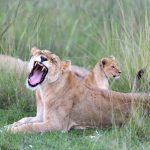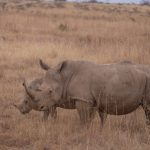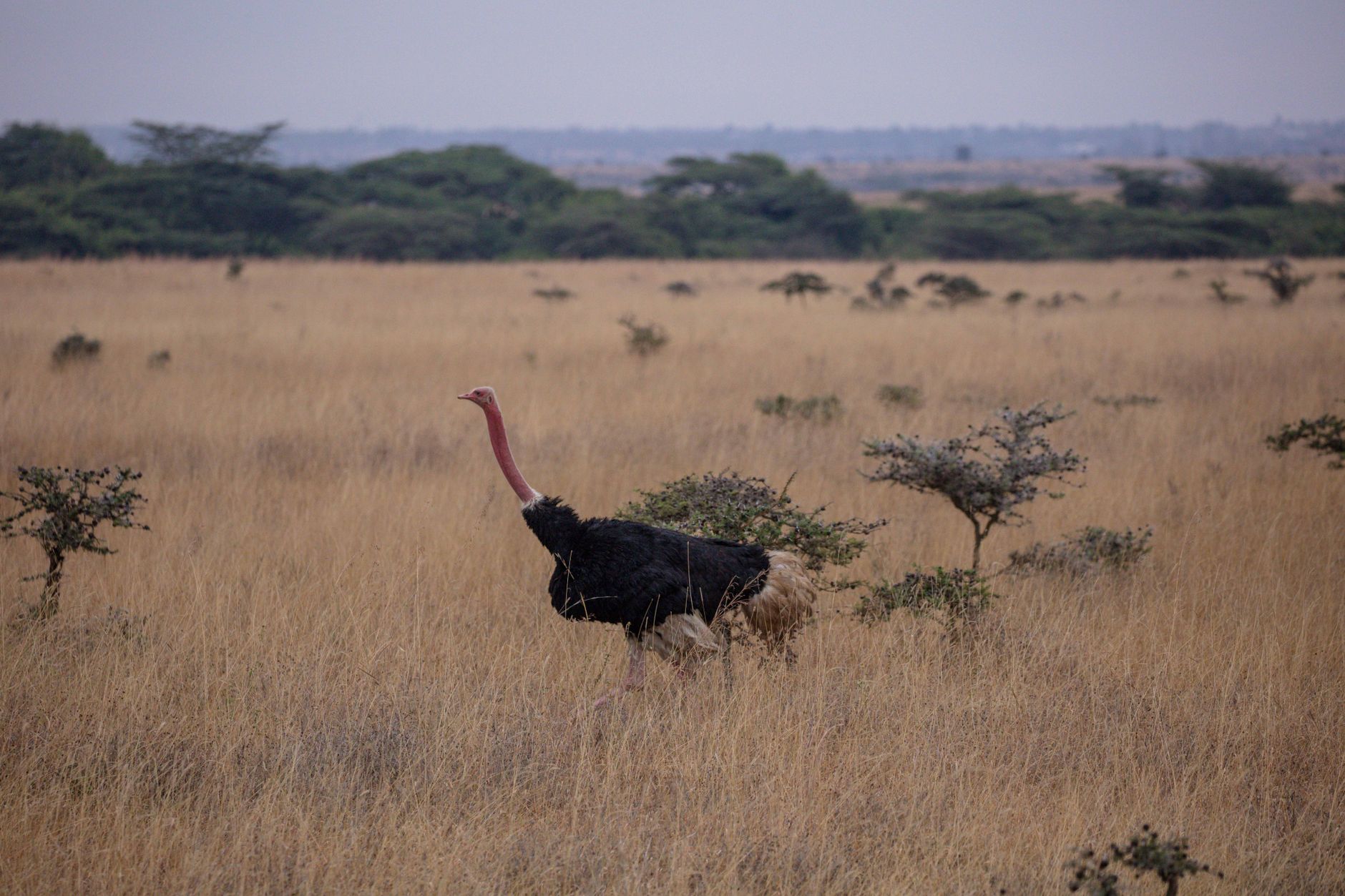
The choice between a kenya safari private conservancy versus national reserve is not about one being superior. It is about the kind of silence, access, and wildlife rhythm you want. Your decision shapes what you hear at dawn. It affects how close you get to a leopard. It also determines whether you share that moment with one vehicle or ten. National reserves such as the Maasai Mara, Amboseli, and Tsavo offer broad landscapes and large-scale spectacles. Private conservancies such as Mara Naboisho, Olare Motorogi, Ol Kinyei, Lewa, and several Samburu conservancies trade some of that scale for fewer vehicles. They offer night drives, walking safaris, and closer community links.
What Is the Kenya Safari Private Conservancy Versus National Reserve Difference?
A national reserve or national park is state-managed protected land. Safari camps and lodges operate inside it or along its edges, but the land remains public. In Kenya this includes the Maasai Mara National Reserve, Amboseli National Park, and Tsavo East and West. A private conservancy is community or privately owned land, often leased from Maasai or Samburu families. This is the heart of the kenya safari private conservancy versus national reserve decision. Reserve access is broad and predictable. Conservancy access is controlled, quieter, and usually more flexible. Conservancy land is usually unfenced, so animals move freely between the reserve and the private land. That means the conservancy benefits from the same ecosystem. The guest experience is quieter.
Who Owns and Manages the Land?
Ownership shapes the rules on the ground. The Maasai Mara National Reserve is managed by Narok County, not Kenya Wildlife Service. Amboseli and Tsavo are national parks run by Kenya Wildlife Service. A private conservancy like Ol Pejeta has its own not-for-profit management and land tenure. Mara Naboisho pools hundreds of Maasai landowner parcels. Olare Motorogi and Ol Kinyei have direct lease agreements with landowning families. In Samburu, community conservancies such as Namunyak and Kalama are governed by local boards with Northern Rangelands Trust support. These different management bodies set the daily fees, vehicle rules, and zoning. That is why a camp in the reserve and a camp in the neighboring conservancy can feel like two different countries. Learn more about one well-known private model in the Ol Pejeta Conservancy guide.
How Does Vehicle Density and Exclusivity Differ?
National reserves can become busy. The Maasai Mara National Reserve and the Mara Triangle can have many vehicles at a single lion, cheetah, or leopard sighting during high season. Private conservancies cap visitor numbers relative to land area. Most Mara conservancies set a cap of between four and six vehicles at a predator sighting. This matters more to a luxury solo traveler than any brochure claim. Low vehicle pressure is the main reason many seasoned safari goers choose a conservancy. The Mara Triangle often sees lighter traffic than the eastern reserve. It still follows national park rules. In a conservancy, you might wait twenty minutes for another vehicle to appear. Some travelers value that silence highly.
Can You Go Off-Road, Do Night Drives, and Walk in Each?
In the Maasai Mara National Reserve and most national parks, off-road driving is not allowed. Night drives are generally prohibited. Walking safaris are only allowed in specific zones with a ranger and strict rules. In a private conservancy, the rules are different. Guides can leave the track to follow a leopard. They can use red-filtered spotlights after dark to find aardvark, bushbaby, and hunting cats. They can walk with you for an hour or more with an armed ranger. That changes what you see and how the bush feels. Walking in a conservancy is not a short stroll to a viewpoint. It is a slow, tracked approach to buffalo, elephant, or lion on foot. The ranger sets the pace, and the guide reads the wind. That level of immersion is not available on a standard reserve game drive.
Which Private Conservancies in Kenya Fit Different Safari Goals?
Mara Naboisho works well for relaxed predator sightings with low vehicle pressure. Olare Motorogi sits directly north of the reserve, so it shares the migration when herds move in. Ol Kinyei is smaller and often good for cheetah and wild dog. Lewa is a rhino stronghold with walking, horse riding, and Grevy’s zebra. In the dry north, Namunyak and Kalama in Samburu offer reticulated giraffe, gerenuk, and community-led conservation. They are a very different landscape from the Mara. Each conservancy has its own character. Naboisho is known for stable lion prides and research partnerships. Olare Motorogi links directly to the Mara River zone. Lewa adds mountain scenery and species protection. Kalama focuses on Samburu culture and dry-country wildlife. Matching the place to your interests matters more than following a generic list. See the Samburu safari guide for more on the northern experience.
Why Does the Great Migration Matter for This Choice?
The wildebeest migration moves through the Maasai Mara from roughly July to October, but timing shifts each year. River crossings happen along the Mara River, and many known crossing points sit inside the national reserve or the Mara Triangle. If watching a crossing is your main goal, base yourself inside or very close to the reserve. Staying in a conservancy still allows a day drive into the reserve, but you may spend more time driving to reach the river. When the herds spread into the conservancies, the viewing can be quieter. River crossings are never guaranteed. Rainfall patterns, herd nerves, and predator pressure all affect timing. A reserve camp shortens the drive to the Mara River, but it does not remove the uncertainty. Conservancy guides still know the historic crossing zones. They can position you wisely when herds build on the banks. Use our guide on timing the Great Migration in Kenya and our Masai Mara season guide to plan around the movement.
How Does Wildlife Viewing Compare in a Conservancy and a National Reserve?
The honest answer depends on behavior, not just numbers. The reserve holds huge herbivore herds and resident big cats. The conservancies often deliver quality leopard and lion viewing because vehicles can follow animals off-road and wait without a crowd. Night drives reveal rare nocturnal species that reserve visitors never see. In the conservancy, a guide might spend two hours with one leopard family. In the reserve, rangers sometimes limit wait times at sightings to keep traffic moving. Both systems protect the animals. They simply create different rhythms for the viewer. The Maasai Mara National Reserve is often chosen for broad-scale migration spectacles. Amboseli National Park is widely known for elephants with Kilimanjaro behind them. Tsavo East and West are less about predator density and more about wild, dry-country elephant experiences. Choose based on whether you prefer depth or breadth in a single day. See Big Five Kenya and the Amboseli safari guide for broader wildlife context.
Why Are Kenya Conservancy Safaris More Expensive?
National reserve camps charge a room rate, and visitors pay a daily park fee on top. Conservancy camps usually include a conservation fee in the nightly rate. That fee covers the land lease, community landowner payments, anti-poaching, and rangers. Smaller camp sizes and private vehicle use also push up the per-night cost. The extra money does not always buy a bigger room. It often buys fewer vehicles, more flexibility, and a direct conservation link. Conservancy contracts also limit bed numbers per acre. That land-use choice directly raises the per-guest cost. The money flows to landowners, so the community sees income from wildlife instead of cattle. That model is one reason conservancies have expanded fast in the last decade. The fee is part of the conservation model. For a full breakdown of what drives pricing, see Kenya safari cost and our safari tipping guide.
Use this indicative comparison to see the trade-offs at a glance. Ranges are indicative and can change by season.
| Option | Typical non-resident fee per adult per day (indicative) | What it usually includes | Vehicle and activity access |
|---|---|---|---|
| Maasai Mara National Reserve | US$100 to US$250 | Park entry only, camp and activities extra | Track only, no night drives, limited walking |
| Mara Naboisho Conservancy | US$90 to US$120 | Conservation fee, often bundled with camp rate | Off-road, night drives, walking with ranger |
| Olare Motorogi Conservancy | US$100 to US$130 | Conservation fee, often bundled with camp rate | Off-road, night drives, walking |
| Ol Kinyei Conservancy | US$80 to US$100 | Conservation fee, often bundled with camp rate | Off-road, night drives, walking |
| Lewa Wildlife Conservancy | US$150 to US$250 | Conservation fee, full-board camps usually include it | Off-road, night drives, walking, horse and camel rides |
| Namunyak Community Conservancy, Samburu | US$90 to US$150 | Community conservation fee, often bundled | Off-road, night drives, walking in some areas |
Should a Luxury Solo Traveler Choose a Conservancy or Reserve?
If exclusivity is the priority, a conservancy is usually the right fit. You are more likely to have a private or nearly private vehicle. Small camps with six to eight tents often reduce or drop single supplements in green season. Reserve lodges can pair solo travelers with a group unless you pay for exclusive vehicle use. That does not mean the reserve is wrong. A solo traveler focused on river crossings may prefer a reserve camp with easier access. Solo travelers should ask about shared game drives before they book. Some conservancy camps include a private vehicle in the nightly rate. Others charge a supplement. Reserve lodges sometimes mix solo guests into a shared vehicle by default. Clarify this detail, because it changes the daily experience more than the room category. The key is to compare terms before you choose.
How Does a Hybrid Conservancy and Reserve Safari Work?
A common split is three nights in a Mara conservancy. You then add two or three nights in the Maasai Mara National Reserve or the Mara Triangle. The conservancy nights give you off-road predator tracking, night drives, and walking. The reserve nights give you crossing access and open plains at scale. Add three nights in Lewa or Samburu for a drier, rhino-focused contrast. This hybrid answers most first-time and luxury questions without forcing an either-or choice. A hybrid itinerary also spreads risk. If heavy rain keeps herds away from the river, your conservancy nights still offer reliable cat viewing. If the conservancy is quiet, your reserve nights cover the migration angle. The mix works well for a first safari. It also suits repeat visitors who want variety. See sample Kenya safari itineraries for practical route ideas.
Where Can You Compare Conservancy and Reserve Safari Packages?
Conservancy fees, park fees, and solo supplement terms change by season. Comparing options side by side is the quickest way to avoid paying for prestige you do not need. Look for transparent pricing. Some quotes bundle conservancy fees, while others list them as extras. Ask whether park fees are included or payable on arrival. A clear comparison prevents budget surprises. It also shows which operator is willing to explain the details. Use FindMySafari to compare safari operators or browse packages at Valley Safaris. Ask each operator to list conservancy fees, vehicle sharing, and solo supplement terms before you pay.
Where Can You Find More Safari Planning Resources?
For more planning help, read our Masai Mara guide and Kenya safari cost pages. You can also review our sample Kenya safari itineraries to build a route that mixes conservancies and reserves. You can also read our safari tipping guide to prepare for on-the-ground costs. If you want to explore tailored conservancy and reserve combinations, visit touringinsights.com.