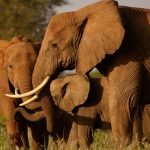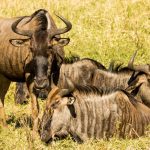
The answer to can you see the great migration without crossing the mara river is yes. Many travelers worry that a Mara safari is only about the river crossing. That is not the case. The Mara River is only one dramatic scene in a much larger wildlife system. For most of the season, the herds move across open plains. You can watch them from quiet conservancies with better vehicle control. A river crossing is an event, not the whole migration. You can enjoy the full scale of the herds without ever waiting at a crossing point.
What Does the Great Migration Include Beyond Mara River Crossings?
The Great Migration is a year-round loop across the Serengeti and Masai Mara ecosystem. More than one million wildebeest, plus zebra and Thomson’s gazelle, follow rain and fresh grass. Calving happens in the southern Serengeti from January to March. Wildebeest births can number in the hundreds of thousands during that period. The herds then drift west and north, reaching the Mara in July. River crossings at the Mara and Talek rivers are short bursts of panic. They are not the default state. Away from the river, the herds graze, mate, and move in long columns. Predators shadow them. The Loita Migration is a smaller resident movement on the Kenyan side. It is not the same scale. The best time for the Great Migration in Kenya is about open plains, not a riverbank. You can see herds spread across wide savannas. This is the daily reality for the animals. It lasts for months.
Why Are Mara River Crossings Unpredictable?
River crossings are not scheduled. Wildebeest gather on the banks, wait, and often turn back. They may cross at dawn, midday, or not at all. The animals respond to rain, grass, lion presence, and the mood of the herd. A single crossing can last a few minutes or several hours. If you pin your safari on one crossing point, you may spend hours inside a vehicle without a crossing. No operator can guarantee a crossing. At peak season, some travelers see several crossings, while others see none. A gathering at the river that never crosses is common. You might watch thousands of animals build up, then drift away. That is normal. A crossing may also draw dozens of vehicles to a single bank. This congestion can disturb the herds. It creates a stressful scene for both animals and visitors.
Can You See the Great Migration Without Crossing the Mara River?
Yes. This is not a consolation prize. Most migration viewing in Kenya happens away from the river. The plains around the reserve and the conservancies hold large herds for weeks. You can watch wildebeest in long lines. You can hear the grunting, and see zebra mixed in. Predators follow the herds. A quiet morning in Ol Kinyei Conservancy can produce more action than a crowded riverbank. You can spend a full morning tracking a cheetah through grasslands without seeing another vehicle. This is the experience many repeat visitors seek. The sounds of the herd fill the air. Dust rises from thousands of hooves. You do not need a river to feel the power of the migration. The short answer to can you see the great migration without crossing the mara river is yes. Many safari regulars prefer it. You avoid the crush of vehicles and still get the scale.
What Months Are Best for Seeing the Migration Without a River Crossing?
July to October is the core Mara season. The herds usually arrive in late June or July. By August and September, large groups are spread across the reserve and the northern conservancies. October can be excellent, especially if rain keeps the herds from moving south. November is variable. The exact timing shifts every year. The best time to visit Masai Mara for migration viewing without a river crossing is often late July to September. Early October is also good. The key is to choose an operator that tracks herd movements. Avoid operators that park at the river all day. If you can stay into early October, the crowds thin. The herds often remain on the northern plains.
You do not need to visit Tanzania to see the Great Migration. The Mara is the Kenyan portion. The herds spend roughly July to October on the Kenyan side. If you time your visit to the Mara, you can see the migration without crossing the border. The Serengeti side is better for calving season. The Mara is better for the dry season spread.
Rain patterns in the greater Mara region are shifting. Herds may stay north longer than in past decades. A flexible itinerary helps you adapt. Booking a window of seven to ten nights across different zones gives you more options.
Where Should You Go in the Masai Mara Away From the Main Crossing Points?
The Masai Mara has several distinct zones. The main reserve around Talek and Musiara has the highest vehicle numbers. The Mara Triangle has fewer vehicles and a more controlled feel. The northern conservancies have low vehicle density and excellent predators. Ol Kinyei Conservancy and the Oloololo Escarpment are two other options. The table below gives an indicative comparison. Timing varies with rain. Vehicle pressure is relative, not a measured count. For a full overview of the zones, see the Masai Mara guide.
The Mara Triangle is managed by the Mara Conservancy. It has stricter entry rules and a well-maintained road network. The northern conservancies are community-owned or privately managed. They set their own vehicle limits and benefit local landowners. The Oloololo Escarpment gives you a wide view of the plains below. You can see herds moving without being in the middle of them. This is good for photography in soft morning light. The Mara Triangle is less crowded than the main reserve because entry is controlled. The road network is also smaller. But the northern conservancies are the quietest option on the Kenyan side.
| Area | Typical large herd months | Vehicle pressure | Predator activity | Access and camp style |
|---|---|---|---|---|
| Main Masai Mara Reserve | July to October, light November pulse | High near river, moderate on open plains | High, lion and cheetah | Many lodges, park entry fee, busy roads |
| Mara Triangle | July to October, resident herds | Moderate, controlled entry | Moderate to high, cheetah on short grass | Escarpment access, fewer roads |
| Northern conservancies (Mara North, Naboisho, Olare Motorogi) | July to October, plus resident herds | Low, limited beds and vehicles | Very high, leopard and night drives | Conservancy fees, private roads, off-road rules |
| Ol Kinyei Conservancy | July to October, plus resident herds | Low, mobile camps only | High, resident lion and cheetah | Mobile camps, no permanent lodges |
| Oloololo Escarpment | July to October, elevated views | Low, scenic overlooks | Moderate, woodland species | Mara Triangle entry, escarpment lodges |
Which Private Conservancies Offer Quieter Migration Viewing?
The conservancies bordering the Masai Mara National Reserve include Mara North, Naboisho, and Olare Motorogi. They limit the number of beds and vehicles. You can do off-road driving in some areas under strict rules. Night drives are allowed in most conservancies. This is not the case in the main reserve. This means you can follow a lion coalition after sunset. Some conservancies allow walking safaris. These activities are not allowed in the national reserve itself. Mara North is the largest conservancy. Naboisho is known for low bed density. Olare Motorogi offers strong predator sightings. The trade-off is cost. Conservancy camps often have higher nightly rates. They include more exclusive access. Conservancy fees apply on top of park fees. If you are asking where to see the migration without crowds, the northern conservancies are the strongest answer on the Kenyan side.
What Wildlife and Predator Action Can You See Away From the River?
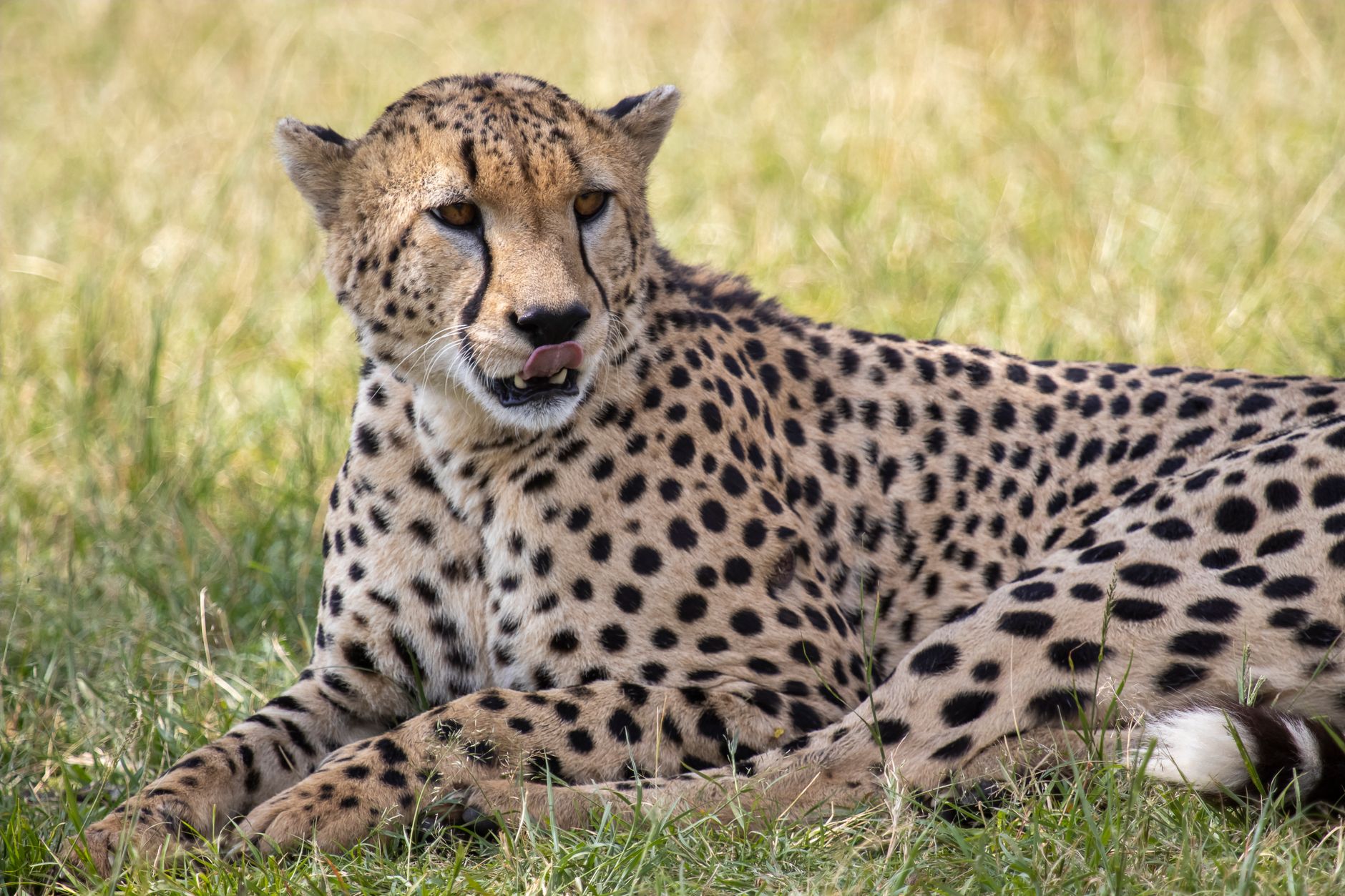
Predators follow the herds. Lion prides in the northern conservancies are well known. Lion prides in the Mara can include twenty or more individuals. Cubs play near the pride while adults rest. These scenes are easier to photograph when vehicles are scarce. Cheetah prefer the open plains and short grass of the Mara Triangle. Leopard are common along the Oloololo Escarpment woodlands. Hyena and jackal move with the wildebeest. You will also see elephant, buffalo, giraffe, and many plains game. You may see serval and bat-eared fox on the open plains. Vultures and marabou storks follow the herds. Away from the river, the focus shifts from the panic of a crossing to daily predator-prey behavior. That is often better for photography because the animals are not panicked. The light is more consistent. For a broader look at lion, leopard, elephant, buffalo, and rhino, see the big five Kenya guide.
How Do You Avoid Crowds and Vehicle Congestion During Migration Season?
Book a conservancy, not the main reserve. Use a private vehicle rather than a shared one. Ask your operator how many vehicles they send to a sighting. Good operators follow a one-vehicle-per-sighting rule in conservancies. Start early. The first hour after sunrise often has the best light and the fewest cars. Avoid the river crossing clusters unless you are okay with long waits. The Mara Triangle also has fewer vehicles because entry is more controlled. Some operators use radio call systems to share sightings. This can lead to vehicle piles at a kill. Ask if your camp limits radio use. Some Kenya safari itineraries pair the Mara Triangle with a northern conservancy. This reduces time in the busiest central reserve. If you want to compare operators, ask about their vehicle policy and guide training.
How Many Nights Should You Book and Why Does Flexibility Matter?
Flexibility matters because the herds move. A good operator leaves the day open. You might head to Ol Kinyei Conservancy one morning, then the Mara Triangle the next. If you book only two nights, you have less time to adjust. A three to four night stay in one conservancy works well. You can also split your time between a conservancy and the Mara Triangle. This works best for broad migration viewing. It is not ideal if you only want a river crossing gamble. Many camp bookings include shared game drives. A private vehicle gives you more control over where to go. Road transfers from Nairobi take about five to six hours. Flying from Wilson Airport takes roughly one hour. Add a night in Nairobi on each end if you fly. A stay of four to five nights gives you two full days to explore different zones.
How Should You Behave Ethically Around Wildlife During the Migration?
Stay on designated tracks unless your guide is in a conservancy with off-road rules. Do not ask your driver to position the vehicle between a mother and calf. Keep quiet at sightings. Turn off the engine when close to animals. Do not feed wildlife or throw litter. Never use flash photography at night. It disorients nocturnal animals. Keep your voice low even inside the vehicle. The migration puts stress on animals. Ethical operators limit time at a sighting. They back away if animals look disturbed. By choosing a conservation-minded camp, you support the conservancy model. This model protects these grasslands. Avoid wearing bright colors on walking safaris. Pack out all trash, including biodegradable items. Small acts help keep the ecosystem intact.
Where Can You Find More Safari Planning Resources?
You can use these partner resources to plan your itinerary.
- Masai Mara Great Migration guide from Trunktrails Safaris
- Wildebeest migration route map from Valley Safaris
- Great Migration safari collection on FindMySafari
Where Can You Compare Safari Operators for Migration Viewing?
To compare safari operators that run trips in the Mara conservancies, the Mara Triangle, and the northern plains, visit FindMySafari, Valley Safaris, and Trunktrails Safaris. Browse packages and ask about vehicle policy, conservancy access, and guide experience. This is the best way to turn migration planning into a practical itinerary.