Choosing among the best Kenya safari parks for photography is a matching exercise. The Maasai Mara suits predator action, Amboseli suits elephant portraits, Samburu suits rare northern species and the Rift Valley lakes suit birds. This guide gives you a photographic brief for each area and honest trade-offs on light, crowd pressure and distance.
What Are the Best Kenya Safari Parks for Photography?
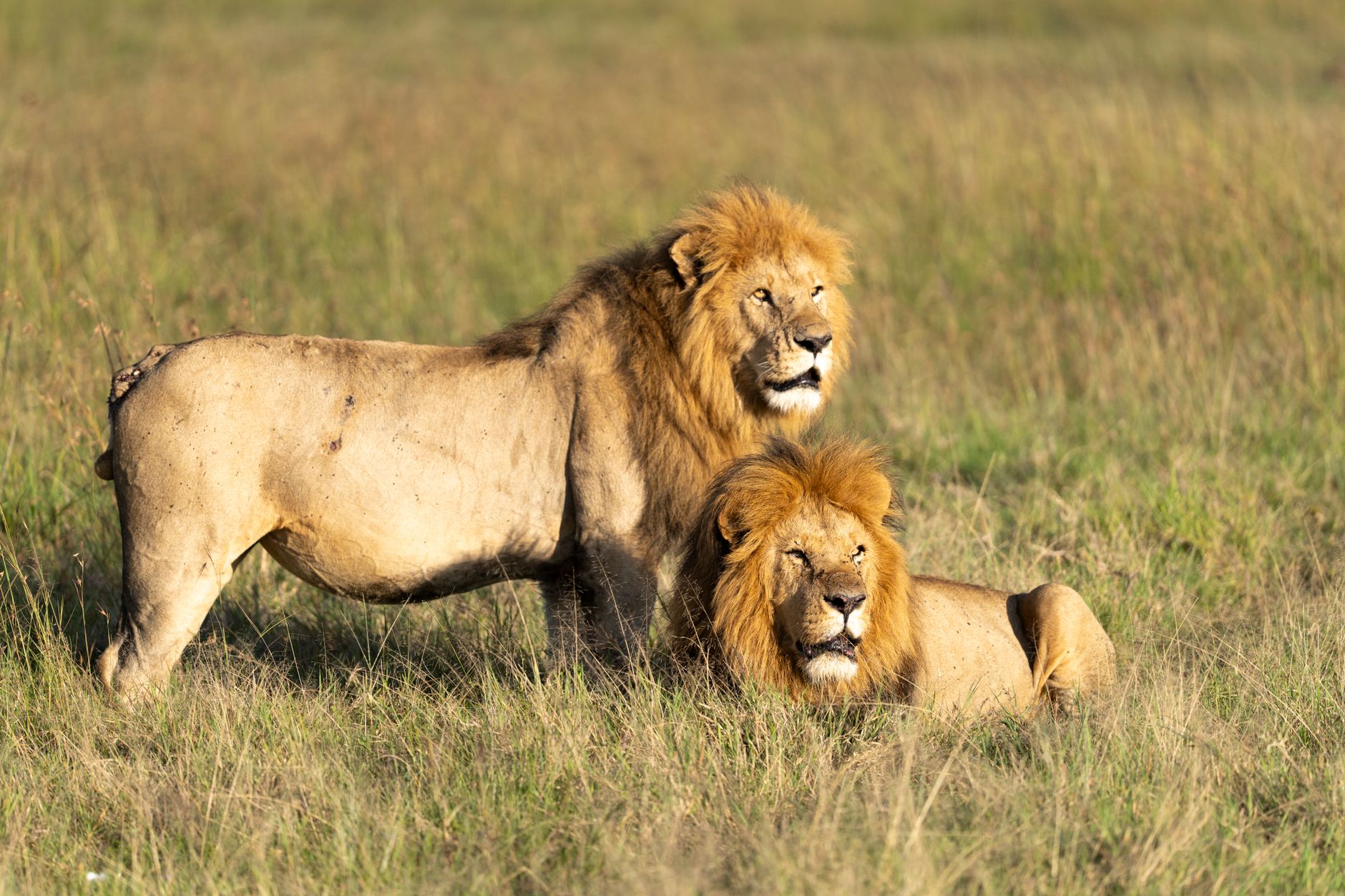
The Maasai Mara is the best all-round choice for wildlife photography because it combines open grassland, high predator density and seasonal migration action. Amboseli is better for elephant-and-Kilimanjaro compositions, while Samburu, Nakuru, Bogoria and Tsavo suit more specific subjects and landscapes.
The best Kenya safari parks for photography each solve a different visual problem. Use the table below to see the main choice quickly.
| Park or conservancy | Main photographic subjects | Light or season notes | Main trade-off |
|---|---|---|---|
| Maasai Mara and nearby conservancies | Lions, leopards, cheetahs, wildebeest migration | June to October for crossings; early morning for big cats | More vehicles in the main reserve |
| Amboseli | Elephants, Kilimanjaro backdrops, open plains | Year-round, clearest mountain mornings | Cloud cover can hide Kilimanjaro |
| Samburu | Reticulated giraffes, Grevy’s zebras, gerenuk, Somali ostriches | Dry season from June to October | Hot midday light and heat shimmer |
| Lake Nakuru and Lake Bogoria | Flamingos, rhinos, birds, acacia shorelines | Year-round, bird activity varies | Flamingo numbers fluctuate |
| Tsavo East and Tsavo West | Red-dusted elephants, baobabs, volcanic scenery | Year-round, June to October drier | Large distances, fewer predators |
What Makes the Maasai Mara Best for Predators and Migration Photography?
The Maasai Mara is Kenya’s strongest all-round photography destination for lions, leopards, cheetahs, dramatic hunts and wildebeest action. Its open grassland creates long sightlines and clean backgrounds, while July to October can add migration crossings. Private conservancies around the reserve usually offer quieter sightings and more flexible positioning than the main reserve.
Mara North and Olare Motorogi are two private areas worth considering. They often allow off-road positioning in a controlled way. This can place you closer to a subject without the crowd pressure of the main reserve. If you want to avoid vehicle queues at a wildlife sighting, a small camp in one of these conservancies usually helps.
You can also see the Great Migration without crossing the Mara River. River crossings are famous but unpredictable. Herds spread across the plains before and after crossings. This gives you subjects like wildebeest calves, dust, vultures and opportunistic predators, often with fewer vehicles around.
What Makes Amboseli Best for Elephants and Mount Kilimanjaro Compositions?
Amboseli is the best Kenyan park for iconic elephant photographs framed by Mount Kilimanjaro. Large herds, flat open terrain and sparse vegetation make subjects easy to see. Early morning often provides the clearest mountain backdrop and the softest light. Cloud cover is unpredictable, so the strongest compositions should not depend entirely on Kilimanjaro.
The open terrain also makes it easier to work with longer lenses and isolate individual elephants, bulls or family groups. Silhouettes work well here because the landscape is simple and the mountain can anchor the frame. If Kilimanjaro is hidden, shift to details such as trunks, ears, dust or the interaction between a mother and calf.
For broader context, read the Amboseli safari guide. It explains why the dry seasons often produce better visibility and where to find big bulls near permanent swamps.
What Makes Samburu Best for Distinctive Northern Species and Landscapes?
Samburu is the best choice for photographers seeking species and scenery that feel different from the Mara and Amboseli. The reserve offers opportunities for reticulated giraffes, Grevy’s zebras, gerenuks, Somali ostriches and elephants against dry, rugged northern landscapes. Its warmer, arid setting produces strong color and texture, but shade and heat shimmer can limit midday photography.
The Ewaso Ng’iro River draws wildlife into concentrated bands. Early morning light on red earth and doum palms creates strong frames. Work the golden hour hard and rest during the middle of the day when heat shimmer can soften detail.
If you want a longer northern circuit, the Ol Pejeta Conservancy guide covers rhino photography and grassland subjects south of Samburu. The Samburu safari guide goes deeper into specific zones inside the reserve.
Which Lakes Are Best for Flamingos, Rhinos and Bird Photography?
Lake Nakuru and Lake Bogoria are Kenya’s most useful destinations for bird photography, especially flamingos. Nakuru also offers rhinos, Rothschild’s giraffes and acacia-lined scenery. Flamingo numbers shift with lake conditions, so visit with realistic expectations rather than picturing endless pink flocks. A telephoto lens and a fast shutter speed help most with birds in flight.
Nakuru is the easier add-on because it sits on a common safari circuit and has a larger mammal base. Bogoria can produce dramatic flamingo gatherings, but travel time is longer and infrastructure is simpler. Check current lake levels before committing too heavily to a specific shoreline scene.
For Nakuru logistics, the Lake Nakuru guide covers road access, entry and where to look for rhinos near the lake edge.
How Do Tsavo East and Tsavo West Compare for Photography?
Tsavo is best for photographers who value scale, distinctive red-earth scenery and fewer vehicles over guaranteed high-density predator sightings. Tsavo East is known for broad, dry landscapes and red-dusted elephants, while Tsavo West adds volcanic terrain, springs and varied habitats. Distances are large, so longer stays and a skilled driver matter more than chasing a checklist.
Tsavo East’s open red plains can produce minimalist images, especially with a single elephant or baobab in the frame. Tsavo West’s Chyulu Hills and Mzima Springs offer greener scenes and more variety. Both parks reward patience and a willingness to work with landscape context rather than tight action close-ups.
The Tsavo safari guide breaks down the best sectors by season and subject.
What Is the Best Time of Year for Wildlife Photography in Kenya?
The dry seasons from June to October and January to March generally provide clearer visibility, easier wildlife tracking and stronger photographic opportunities. July to October is especially valuable for migration action in the Mara, but it is busier and more expensive. Shoulder seasons can offer greener scenes, dramatic skies, newborn animals and fewer vehicles, although rain may interrupt drives.
Short rains in November can refresh the landscape and create moody skies. March can be hot and humid before the long rains. Photographers who value solitude often prefer Kenya safari shoulder-season advantages because vehicle numbers drop and the light remains interesting.
If big cat sightings matter most to you, read the best time to visit Masai Mara guide. It explains why resident predators stay in the reserve outside the migration months too.
What Lenses and Camera Settings Work Best on a Kenya Safari?
Pack a telephoto zoom such as a 100-400mm, 150-600mm or 200-500mm for wildlife. Add a 24-70mm or similar lens for landscapes and close environmental scenes. Use continuous autofocus, burst mode and roughly 1/1000 second or faster for action; raise ISO and open the aperture in low light. Bring spare batteries, cards and dust protection.
A beanbag is more practical than a tripod inside a safari vehicle. Many open-sided vehicles have a roof hatch, but you will often brace against a seat back or beanbag. Bring a dry bag or padded insert for dust and vibration.
Before you pack, review the Kenya safari packing list for clothing and camera accessories that protect gear without adding weight.
What Photography Rules and Ethics Should I Follow in Kenya?
Photograph from the vehicle and keep a respectful distance. Never pressure a driver to leave tracks or crowd an animal for a better angle. Drone use is generally prohibited or tightly restricted in Kenyan parks and conservancies, so confirm current permission requirements before travelling. Ask permission before photographing local people, including Maasai communities, and prioritize animal welfare over the shot.
The same principle applies in private conservancies. Some allow limited off-road driving, but that is controlled by a trained guide. Do not ask a driver to block another vehicle or push a sighting. Guides can end a sighting early and rangers can report guests who break the rules to reserve authorities.
If you are unsure how reserve and conservancy rules differ, read Kenya safari private conservancy versus national reserve.
What Do Photographers Frequently Ask About Kenya Safaris?
What is the best safari park in Kenya for photography?
The Maasai Mara is the best all-round choice for wildlife photography because it combines open grassland, high predator density and seasonal migration action. Amboseli is better for elephant-and-Kilimanjaro compositions, while Samburu, Nakuru, Bogoria and Tsavo suit more specific subjects and landscapes.
Is Maasai Mara or Amboseli better for photography?
Choose the Maasai Mara for lions, leopards, cheetahs, hunts and migration scenes. Choose Amboseli for large elephant herds, expansive landscapes and photographs with Mount Kilimanjaro. The Mara usually offers greater behavioral variety, while Amboseli provides more immediately recognizable landscape compositions.
What is the best time of year for photography in Kenya?
June to October and January to March are usually best for clear visibility and concentrated wildlife. July to October adds the possibility of migration action in the Maasai Mara, but brings higher demand and more vehicles. Shoulder seasons can deliver greener scenery and fewer crowds, with a greater chance of rain.
What is the best lens for a Kenya safari?
A telephoto zoom in the 100-400mm, 150-600mm or 200-500mm range is the most versatile choice for distant wildlife. Carry a second wide-to-standard lens, such as a 24-70mm, for landscapes, vehicle scenes and environmental portraits. A beanbag is often more practical than a tripod inside a safari vehicle.
Can I use a drone for photography in Kenya national parks?
Do not assume drones are allowed. National parks and private conservancies generally prohibit or tightly regulate drone flights, and permission may be required from relevant Kenyan authorities. Check the specific park, conservancy and current aviation rules before packing or operating a drone.
Where Can I Compare Kenya Safari Operators for a Photography Trip?
Package prices, vehicle arrangements and photography-focused itineraries vary widely by operator and conservancy. Compare safari operators and browse packages on FindMySafari, Valley Safaris or Trunktrails Safaris to match your brief with the right park and guide.
Where Can I Find More Safari Planning Resources?
You can find more planning help in a few independent guides that cover maps, migration timing and camera buying advice. These four external resources are useful if you want to keep researching before you book.
- Amboseli map and guide from SafariPure
- Masai Mara Great Migration guide from Trunktrails Safaris
- Rift Valley lakes map from Valley Safaris
- Camera advice for your first safari, on FindMySafari