The morning air smells of wild sage and dry red dust. A canvas flap opens, and there is nothing between you and a family of elephants moving through the acacia corridor forty metres away. No engine noise. No other vehicles. Just your guide’s low, steady voice naming each matriarch as she passes.
This is what Kenya luxury safaris feel like when they are planned well, and it has very little to do with thread counts.
Kenya has built a deserved global reputation for high-end safari travel, but the word “luxury” gets used loosely across the market. This guide cuts through the noise. You will learn exactly what separates a genuinely exceptional luxury safari in Kenya from a well-marketed mid-range trip, which destinations deliver the purest exclusive experience, what staying in a luxury tented camp actually looks and feels like, and how to approach the booking process with confidence.
What Makes a Kenya Safari Truly “Luxury”?
Most travellers assume luxury means a plunge pool and fine dining in the bush. That is one version. The more meaningful version is about access, expertise, and the calibre of attention you receive at every stage of the experience.
Guide Credentials and Vehicle Exclusivity
The single most important determinant of a luxury safari is your guide. On a genuine luxury Kenya safari, your guide holds a Kenya Professional Safari Guide Association (KPSGA) certification, often at Silver or Gold level. These are specialists who can read animal behaviour, identify bird calls by sound alone, and navigate the terrain with the fluency that only comes from years in a specific ecosystem.
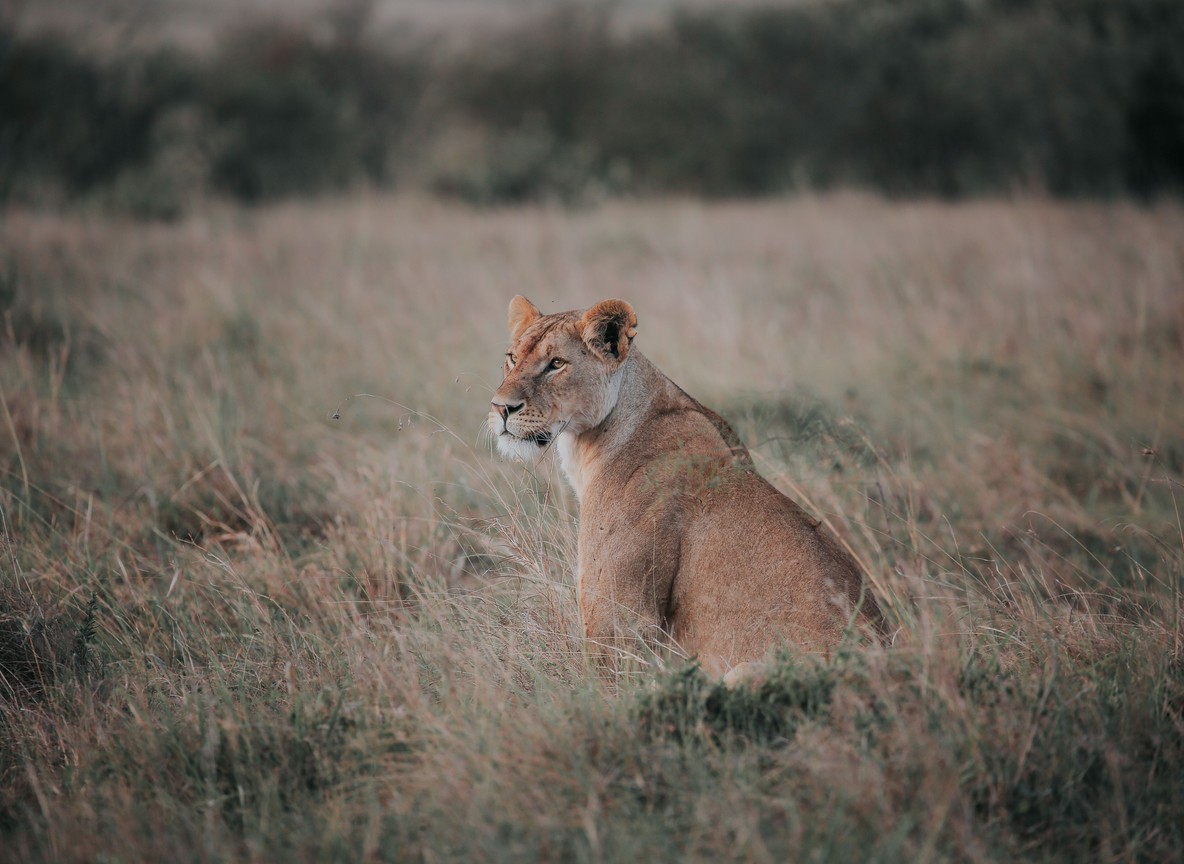
Vehicle exclusivity matters just as much as guide quality. A true luxury safari in Kenya means a maximum of four to six guests per open 4×4 vehicle, not eight or ten. You choose when to stop, how long to linger at a sighting, and when to turn the engine off for silence. That silence, sitting ten metres from a resting lion with nothing but wind through the grass, is worth more than any amenity in a camp.
Private Conservancy Access
Kenya’s private conservancies are the heart of what makes luxury safari here so distinctive. These are community-owned or privately managed lands adjacent to national reserves, typically operated through agreements between conservation organisations and Maasai or other local landowners. The African Wildlife Foundation has long supported this model as one of the most effective wildlife conservation tools on the continent.
Inside these conservancies, the Big Five move across unfenced land. Vehicle numbers are strictly limited, often to a handful per conservancy at any time. Walking safaris, night drives, and off-road tracking are permitted in ways they are not inside national parks. Staying inside a conservancy rather than outside a park gate is the difference between watching wildlife and being present within it.
Conservancy fees are included in your overall package cost, and the revenue flows directly to local communities. When you choose luxury safaris in Kenya that operate inside these conservancies, the trip itself becomes a conservation act, funding the landscapes you came to see.
The Masai Mara: Private Conservancies and the Mara Triangle
No discussion of luxury safari in Kenya is complete without the Mara Triangle. This western section of the Masai Mara National Reserve is managed separately by the Mara Conservancy, a non-profit body. It has fewer tourist vehicles than the main reserve, better road maintenance, and unrestricted access to the Mara River crossing points where the Great Migration concentrates between July and October.
Beyond the Triangle, the Masai Mara is ringed by private conservancies: Naboisho, Olare Motorogi, Ol Kinyei, Mara North, Lemek, and several others. Each sits on community Maasai land and limits the number of guests inside it at any time. When you book through a specialist operator, access to these conservancies becomes part of a tailor-made itinerary rather than a product that can be booked through a general travel platform.
The experiences available inside the conservancies are qualitatively different from those in the main reserve. Balloon flights over wildebeest plains at first light, with a champagne breakfast in the bush afterward. Private sundowner setups on rocky outcrops with unbroken savannah views. Walking alongside a Maasai guide learning to read lion prints in laterite soil. Night drives following predator activity. None of these are available in the national reserve.
Our Masai Mara guide covers the Mara in detail across all budget tiers, with notes on the best-positioned conservancies for different travel styles.
Amboseli: Fly-In Access and Kilimanjaro Views
Amboseli is a study in contrasts. The dusty grey lakebed shimmers with heat. Ancient acacia trees dot yellow plains. And framing it all, Kilimanjaro rises impossibly white against an open sky.
A luxury Amboseli safari almost always means flying in. The drive from Nairobi takes roughly five hours on roads that challenge even a well-maintained vehicle. A forty-five-minute charter flight from Wilson Airport drops you directly onto a grass airstrip inside the ecosystem. You lose no time and arrive fresh.
Amboseli is home to one of Africa’s most comprehensively studied elephant populations. The research project established here in 1972 has tracked individual elephants across multiple generations, and a knowledgeable guide will introduce you to specific matriarchs by name. You will watch bulls in musth, observe calves learning to navigate boggy ground near the swamps, and see family groups gather at the springs that feed the Enkongo Narok wetland during the dry months.
The best luxury camps in Amboseli are positioned near the swamp edges where animals concentrate. A private viewing deck facing the wetland means you can watch herds move through the late afternoon light without leaving your chair, a form of privilege that does not require any effort beyond being in the right place with the right guide to give it meaning.
Samburu: Remote Rivers and the Samburu Special Five
If you want luxury Kenya safari experiences with minimal crowds and maximum ecological distinctiveness, Samburu National Reserve in northern Kenya stands apart. The Ewaso Nyiro River cuts through semi-arid scrub and doum palm forest. Leopards drape themselves over acacia branches in open view. Crocodiles barely move in the shallows. The light is different here, harder and clearer than in the south.
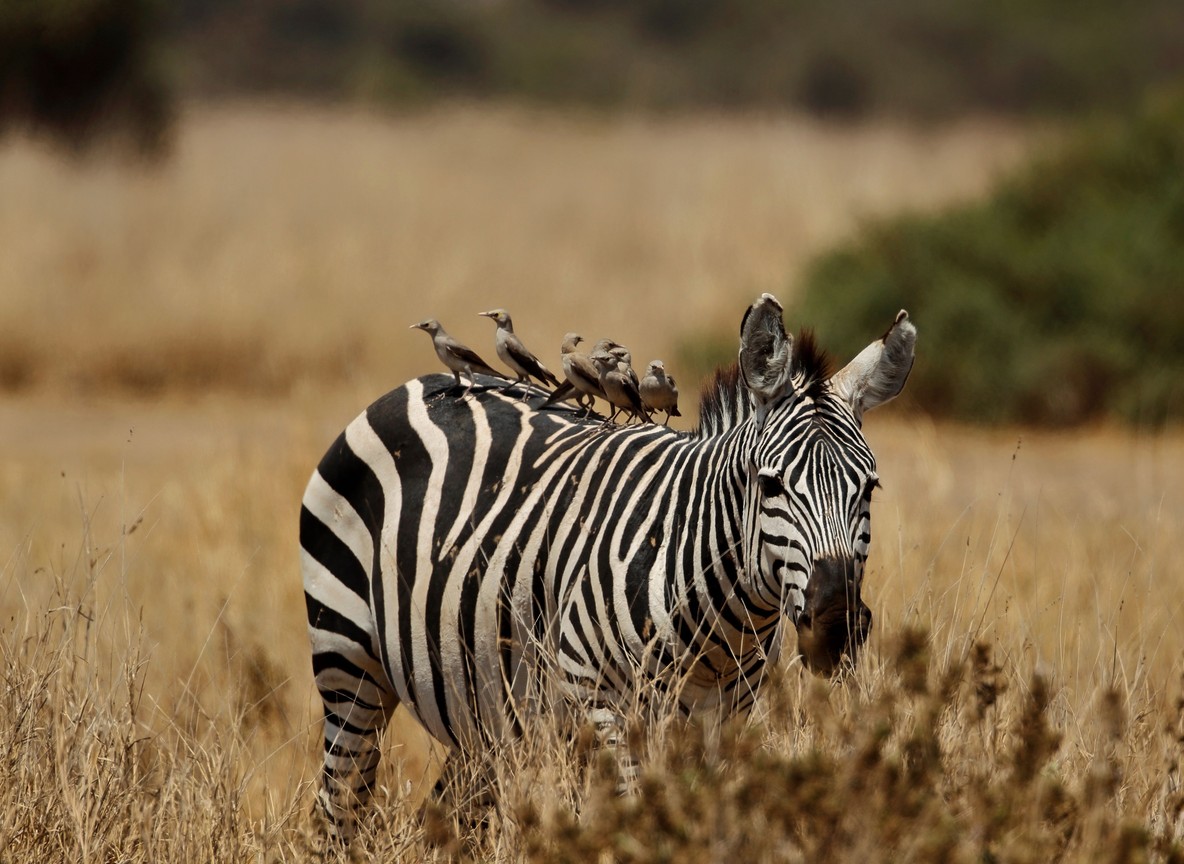
Samburu is most celebrated for species you will not find in the Masai Mara or Amboseli: the Samburu Special Five. Grevy’s zebra, the world’s largest and most endangered zebra species. Reticulated giraffe, with its bold geometric patterning. Beisa oryx, gerenuk, and Somali ostrich. A complete Kenya luxury safari itinerary that pairs Samburu with the Mara covers two entirely different ecosystems and species assemblages.
River-facing tented camps in Samburu give you wildlife throughout the day without driving anywhere. Elephants drink at the bank below your camp deck at dawn. Hippos surface mid-afternoon. At night, leopards pass through camp perimeters on their hunts. Low annual visitor numbers mean your vehicle is frequently the only one at a sighting. That exclusivity is built into the geography rather than manufactured through pricing.
What a Luxury Tented Safari in Kenya Actually Looks Like
First-time bookers sometimes hesitate at “tented” in a luxury context. A luxury tented safari in Kenya has nothing to do with camping. Think canvas suites with solid timber floors, king-sized beds with quality linen, en-suite bathrooms with hot running water, and private veranda decks facing open bush.
What a well-positioned tented camp offers that a masonry lodge cannot is sensory connection. Canvas breathes. You hear the nightjar calling. You hear elephants tearing grass twenty metres from your bed. You feel the temperature shift when a storm builds over the plains an hour before it arrives. The connection to the environment is immediate and tactile in a way that stone walls and glass doors deliberately filter out.
Standard features of a genuine luxury tented camp experience in Kenya include:
- Private game drives with a dedicated guide and vehicle, morning and afternoon
- Guided bush walks at dawn with an armed ranger
- All meals, prepared with fresh locally sourced ingredients
- Laundry, turndown service, and 24-hour camp hosting
- Conservation fees and community conservancy levies included in the package
- Fly-in transfers included in premium itineraries, eliminating road transfer time
The best-positioned camps in Kenya sit inside or immediately adjacent to private conservancies rather than on the public park boundary. Where your camp sits within the ecosystem matters considerably for the depth of the experience, often more than the camp’s own facilities.
How to Book a Kenya Luxury Safari Holiday
The booking process for a luxury Kenya safari is different from a package holiday. A few principles make the difference between a trip that performs as expected and one that exceeds it.
Book at least six to twelve months ahead for peak season. Private conservancy camps have very limited bed counts. The best positions fill up eight to twelve months before peak travel periods (July to October, and December to January). If you have specific dates driven by school schedules or migration timing, the earlier you begin the better.
Lead with experiences, not camp brand names. Tell a specialist operator what you want to see and feel, not which camp you read about on a travel website. A skilled local operator matches the experience to the camp with knowledge that no hotel booking platform can replicate.
Clarify your all-inclusive terms in writing. Luxury packages vary widely in what “all-inclusive” covers. Confirm that your quote includes game drives, all meals, park and conservancy fees, laundry, and fly-in transfers. Conservation levies are sometimes itemised separately and can add meaningfully to a final total.
Consider combining Kenya and Tanzania. A cross-border itinerary via charter flight from the Masai Mara to the Serengeti follows the same wildebeest herds across the international boundary. The same Migration, a different ecosystem, a different human story. One charter leg and a Tanzania visa are the only additions.
For an overview of Kenya safari planning across all budget tiers, our Kenya safari planning guide covers the full booking process.
Explorer Notes: Booking Practicalities
A few specifics worth knowing before you begin:
The Great Migration river crossings in the Masai Mara cannot be predicted to the day. Aim for July and August for the highest frequency of crossings. Camps inside Mara North or Olare Motorogi conservancies typically have better access to the river than those in the main reserve.
Samburu is a short charter flight from Nairobi (approximately forty-five minutes) or from the Masai Mara (approximately one hour). Including Samburu in a Mara-based itinerary adds very little travel time and a completely different wildlife experience.
Amboseli’s Kilimanjaro views are most reliable in the early morning before heat haze builds, typically clearing between 6:00 and 9:00 am. Afternoon views are less predictable. Position your camp-facing deck or veranda for the morning angle.
November and March to June are Kenya’s shoulder and low seasons for luxury safari. Camp rates are typically lower, conservancy pressure is reduced, and the bush is green and photogenic after the rains. Wildlife does not disappear: it disperses and becomes more interesting to track.
Reader Next Steps
A genuinely exceptional luxury safari in Kenya requires guide expertise, trusted conservancy relationships, and an operator who builds your trip from first principles rather than pulling a product off a shelf. The combination of the Masai Mara, Amboseli, and Samburu covers three ecosystems with almost no species overlap between them, and it is one of the most rewarding wildlife itineraries available anywhere in the world.
For detailed destination guides, our Masai Mara guide covers the Mara conservancies, timing, and camp positioning in depth. For operator-level planning support on luxury Kenya itineraries, Trunktrails Safaris is a Kenya-based specialist with conservancy access and certified guide teams across all three destinations discussed here.
Frequently Asked Questions
What does a luxury safari in Kenya cost? Pricing varies significantly by season, duration, destination mix, and inclusions. A private conservancy stay in the Masai Mara during the Great Migration is at the higher end of the spectrum. Shoulder season (November, March to June) offers the same experience at reduced conservancy pressure and often lower camp rates. Request a personalised quote from a Kenya-based operator rather than using published rate cards.
When is the best time to book a luxury Kenya safari? Book six to twelve months ahead for peak season (July to October and December to January). Shoulder seasons offer more flexibility and often lower rates. For Great Migration timing specifically, July and August are the peak Mara River crossing months.
What is the real difference between luxury and mid-range in Kenya? Private vehicle versus shared game drive vehicle. Conservancy access versus park-boundary accommodation. Certified specialist guides versus general guides. Fly-in logistics versus road transfers. The gap between mid-range and genuine luxury is significant in Kenya, and most of it is felt in the quality of the guide and the depth of wildlife access rather than in the accommodation.
Is a fly-in safari worth the cost? For most travellers doing a luxury Kenya safari holiday, yes. Flying saves six to ten hours of road transfer time per leg, eliminates fatigue on arrival, and puts you inside remote ecosystems (Samburu, northern Laikipia) that would otherwise require a full day of driving. The time you recover translates directly into more game-drive hours.
Can I combine Kenya and Tanzania on a luxury safari? A Kenya and Tanzania luxury safari crossing the Masai Mara and Serengeti via charter flight is one of the most rewarding wildlife itineraries available. The same herds cross both sides of the border continuously. A cross-border programme adds one charter leg and requires a Tanzania visa.
Turn this reading into a real itinerary with help from a Kenya-based safari team.
Start Planning Your Safari