Most travellers ask when to avoid Kenya’s rains. The better question is: what do you miss when you do?
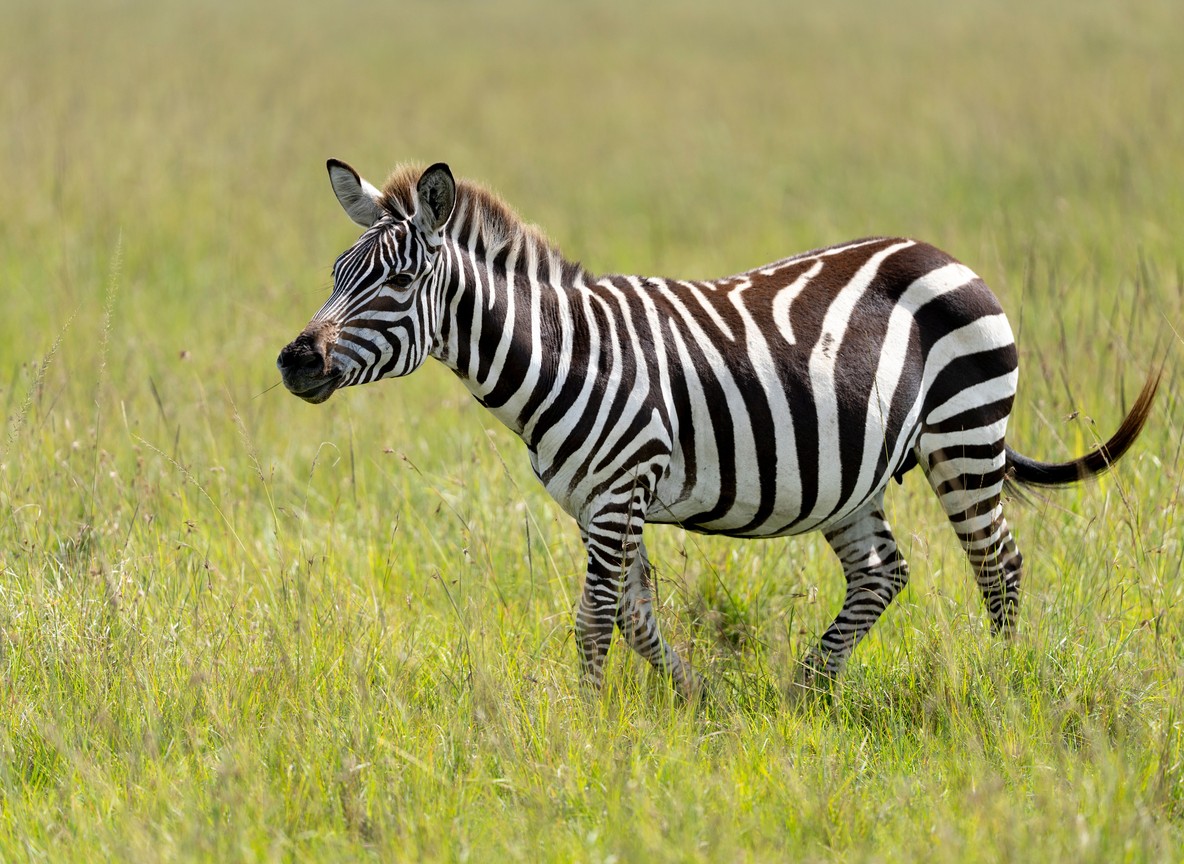
A green season safari in Kenya is one of the best-kept advantages in East African travel. While July and August crowds pack every vehicle track in the Mara with minibuses jostling for position, April, May, and November offer space, value, and a landscape that looks nothing like the dusty brown plains of peak season. The grass turns vivid green. Newborn animals take their first steps. The camps, many running at half capacity, charge 30 to 50 percent less than they would two months later.
If you want fewer vehicles at every sighting, better rates at premium lodges, and a dawn chorus that stops you mid-sentence, the low season is where you belong.
What the Green Season Actually Means
Kenya has two distinct wet seasons, each shaped by a different rainfall pattern.
The long rains run from late March through May. April and May carry the heaviest precipitation, though in practice the rains typically arrive as afternoon or evening downpours, leaving mornings clear for game drives.
The short rains arrive in October and November. They are lighter, less predictable, and often finish before December. November is the sweet spot: grass is short enough for excellent visibility, bird life is at its annual peak, and lodge prices have not yet climbed for the December holiday period.
Understanding this rhythm is the foundation of smart planning. Neither season means constant rain. Both mean dramatically better value and a very different quality of experience.
Green Season vs. Peak Season: What the Numbers Say
The most compelling argument for a Kenya low season safari is cost. Here is how the same itinerary compares at the same lodge tiers.
| Factor | Peak Season (July to August) | Long Rains (April to May) | Short Rains (November) |
|---|---|---|---|
| Mid-range lodge rate (per person per night) | $350 to $500 | $200 to $320 | $220 to $350 |
| Luxury lodge rate (per person per night) | $700 to $1,200 | $400 to $650 | $450 to $700 |
| Vehicles per sighting (Mara) | 15 to 30+ | 1 to 5 | 2 to 8 |
| Booking lead time | 6 to 12 months | 4 to 8 weeks | 4 to 10 weeks |
| Birding quality | Good | Very good | Peak |
| Newborn wildlife | Limited | High (calving extends into April) | Moderate |
| Photography skies | Flat, harsh | Dramatic, moody | Excellent golden light |
| Road conditions (Mara) | Dusty, tracked | Some mud, fewer vehicles | Mostly firm |
A week-long Mara safari for two at a mid-range lodge costs roughly $2,000 to $3,000 more in July than in May. That difference funds a second safari entirely.
The Wildlife Arguments for Kenya’s Low Season
The migration sits at the centre of every peak-season marketing pitch. But Kenya’s wildlife does not disappear when the wildebeest are elsewhere.
Calving season (January to March, extending into April) produces the highest concentration of newborn wildebeest, zebra, and gazelle in the Mara ecosystem. Predator activity spikes. Cheetahs, lions, and hyenas hunt in daylight because prey is slower and abundant. An April trip catches the tail end of calving as the green flush arrives: the two best things happening at once.
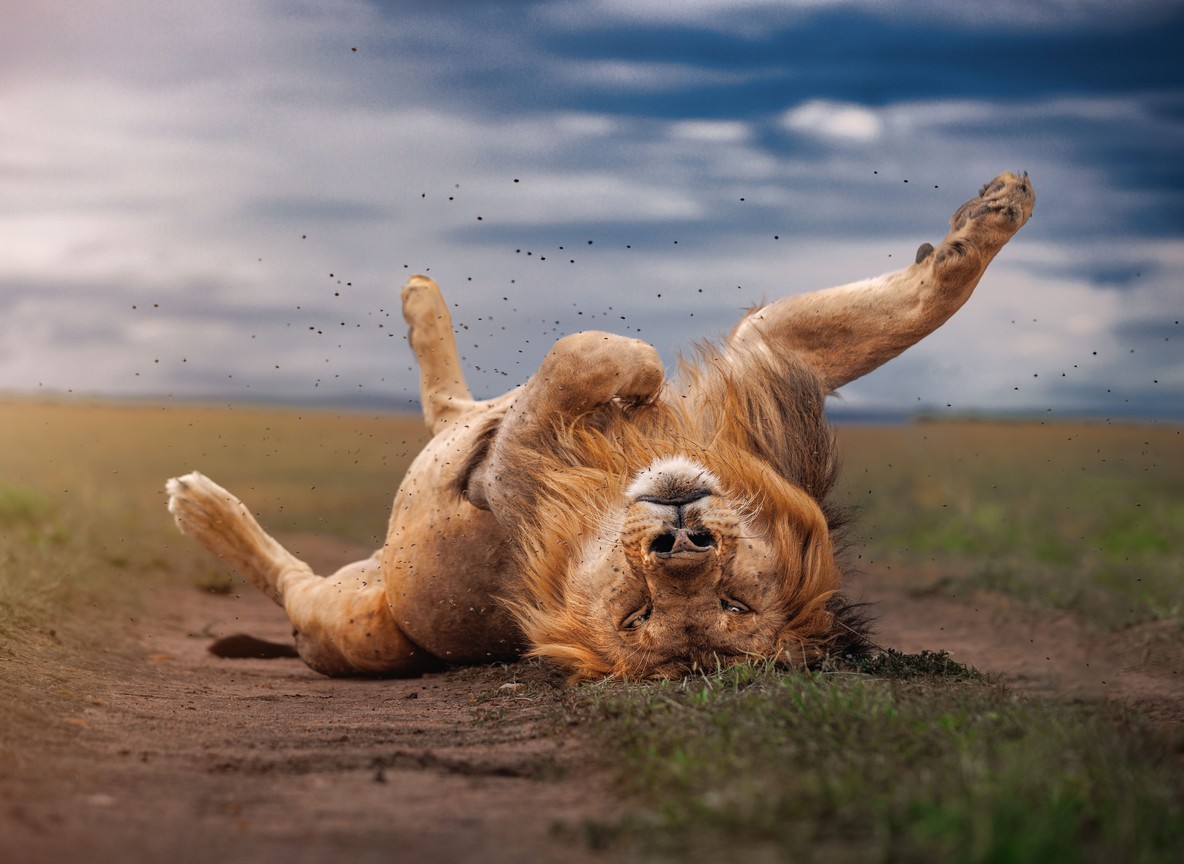
Resident wildlife does not leave. The Mara’s lions, leopards, elephants, and buffalos are present year-round. With lower visitor numbers, you can sit with a sighting as long as the animals stay. The experience of spending 40 minutes watching a pride without another vehicle arriving is one the peak season rarely delivers.
Amboseli in November is at its most spectacular. Shallow flood plains draw massive elephant herds. Kilimanjaro carries post-rain snow. The light at dawn and dusk, broken by passing cloud, gives wildlife photographers the kind of conditions that require extended trips in other seasons. For more on what Amboseli offers, the Tourinsights Amboseli guide covers the full park breakdown.
Samburu in November rewards too. The Ewaso Ng’iro River runs full, drawing elephants, hippos, and crocodiles to the banks. The Samburu Special Five are resident year-round, and with fewer vehicles, guides spend time genuinely tracking rather than reacting to radio calls.
Peak Birding: The Green Season’s Most Underrated Feature
Kenya hosts over 1,100 recorded bird species, and a significant portion of them arrive, breed, or pass through during the green season.
From October through April, Eurasian and Palearctic migrants flood Kenya’s parks and wetlands. Species absent the rest of the year, including European roller, willow warbler, and barn swallow, appear in large numbers. Lake Nakuru in November hosts tens of thousands of flamingos and wading birds. Lake Baringo sees kingfisher and bee-eater activity at its most intense.
The Kenya Wildlife Service identifies November through April as the primary window for migratory birding across Kenya’s national parks and conservancies.
For any traveller who wants something genuinely different from the standard circuit, combining mammal game drives with early-morning birding walks during the green season produces results few peak-season trips can match. The Tourinsights Kenya birding safari guide covers species lists and park-by-park detail for the wet season window.
Photography in the Green Season: Why Serious Shooters Prefer It
Light quality. July brings flat, harsh midday light and landscapes bleached by dust. The green season brings broken cloud cover, soft diffuse mornings, and theatrical pre-storm skies: towering cumulonimbus over a vivid green plain, lit gold from below. Backgrounds are richer, colours more saturated, and shadows more interesting.
Predator activity and positioning. With calving extending through April, predators hunt in daylight with greater frequency. Lion prides with cubs, cheetah hunts, and leopard mothers are all more visible than during the dry season, when prey is fit and fast. With fewer vehicles at each sighting, you can position for the shot rather than photograph the back of another Land Cruiser.
Newborn animals. Calving season produces subjects that exist in no other season: wildebeest calves taking their first steps, hyena dens with pups at the entrance, cheetah mothers with litters in short grass. These images define a green season trip for anyone who shoots wildlife.
Trade-offs to Know Before You Go
Mud and road access. In April and May, some Mara areas, particularly the Mara Triangle and off-track routes, become difficult after heavy rain. A 4×4 vehicle is essential. Some remote mobile camps close for the long rains peak. Confirm seasonal operating dates with any camp you are considering before booking.
Migration spectacle. If the wildebeest river crossings are your primary goal, you need July through October. The green season is not migration season. This is worth saying plainly: no amount of other wildlife compensates if crossing spectacle is the specific experience you have come to see.
Some camps reduce schedules. A handful of mobile camps close during the long rains. The permanent lodges and most year-round camps remain fully operational, and in many cases the staff-to-guest ratio improves considerably when occupancy drops.
Which Parks Perform Best in the Green Season
| Park | Green Season Rating | Best Months | Standout Feature |
|---|---|---|---|
| Masai Mara | Excellent | April, November | Predators active, few vehicles, green plains |
| Amboseli | Outstanding | November | Elephant herds, Kilimanjaro post-rain clarity |
| Samburu | Very Good | November, April | Ewaso Ng’iro full, Special Five year-round |
| Lake Nakuru | Peak Birding | November, April | Flamingos, pelicans, 450+ species |
| Tsavo East | Good | April | Aruba Dam full, elephant concentrations |
| Laikipia | Good | April, November | Rhino sightings, photogenic elephant mud-bathing |
Amboseli in November is consistently underbooked. Full elephant herds on shallow flood plains with a clear Kilimanjaro framing them is one of Africa’s great wildlife scenes, and in November you are often the only vehicle witnessing it.
Kenya Safari in November: A Specific Case
November deserves its own section. It sits outside peak-season pricing, is not deep enough into the rains to concern most travellers, and is bookable with reasonable lead time as late as October.
The Mara’s resident lion prides are at peak weight after months of easy hunting. Leopards are more visible than at almost any other time of year: shorter grass and higher predator activity create sighting frequency that July rarely matches. The migration is gone, but the park’s resident cast is at full strength and fully fed.
Birding peaks for migratory species. Amboseli delivers its Kilimanjaro framing with post-rain clarity. Lake Nakuru‘s flamingo populations hit their annual high. If you want the quality safari experience without the crowd, November is the month to plan around.
Explorer Notes: Practical Planning for a Green Season Safari
Before you book:
- Confirm that your specific camps are open during your travel dates. Mobile camps often close for six to eight weeks during the peak long rains in April and May.
- Check road access conditions with your camp for the week of your planned travel. Mara Triangle off-track routes can close after sustained rain even during shorter wet spells in November.
- Book birding walks as a specific activity. General game drives will find birds, but an early-morning walk with a guide who knows the seasonal species is a different experience.
What to pack differently for the green season:
- Lightweight waterproof layer for afternoon game drives (rain arrives fast and departs quickly)
- Rubber boots or waterproof trail shoes if walking safaris are planned
- Extra memory cards and sensor cleaning kit (dust is replaced by humidity)
- Polarising filter for landscape and wildlife photography (cuts glare on wet vegetation)
Booking lead times:
Green season camps fill faster than most travellers expect, particularly once the wildlife photography community discovers a good wet-season destination. Amboseli in November and the Mara in April are no longer the well-kept secrets they once were. Lead times of four to eight weeks are typical, but premium camps with six to eight guest capacity can fill earlier.
Conclusion: The Low Season Is a Different Product
The travellers who visit Kenya in the green season almost always come back. The combination of value, space, and wildlife quality adds up to something the peak season calendar cannot replicate. It is not a compromise version of a Kenya safari. It is a different thing altogether.
The question is not whether the green season is worth it. The question is whether it matches what you have come to see. If the migration river crossings are your goal, come between July and October. If wildlife behaviour, photography light, and the feeling of a landscape that belongs to the animals rather than the tour vehicles are what you are after, April and November are the answer.
Reader Next Steps
The Tourinsights Kenya safari planning guide covers the full seasonal breakdown across all of Kenya’s major parks, with month-by-month detail for each ecosystem. For tailored itinerary design around your specific green season window, including camp recommendations that stay fully operational through the rains, Trunktrails Safaris builds low-season programmes around photography, birding, and access to parks that peak-season visitors routinely overlook.