The terms Big Five, Big Seven, and Big Nine all show up in safari planning conversations, sometimes in the same paragraph. They sound like variations on a theme, but they do not describe the same wildlife goals, and they do not all apply equally to a Kenya safari.
Understanding what each list actually contains — and where the concept originated — saves you from chasing a framework that does not fit the ecosystem you are visiting.
Here is how to think through the choice.
What Are the Big Five
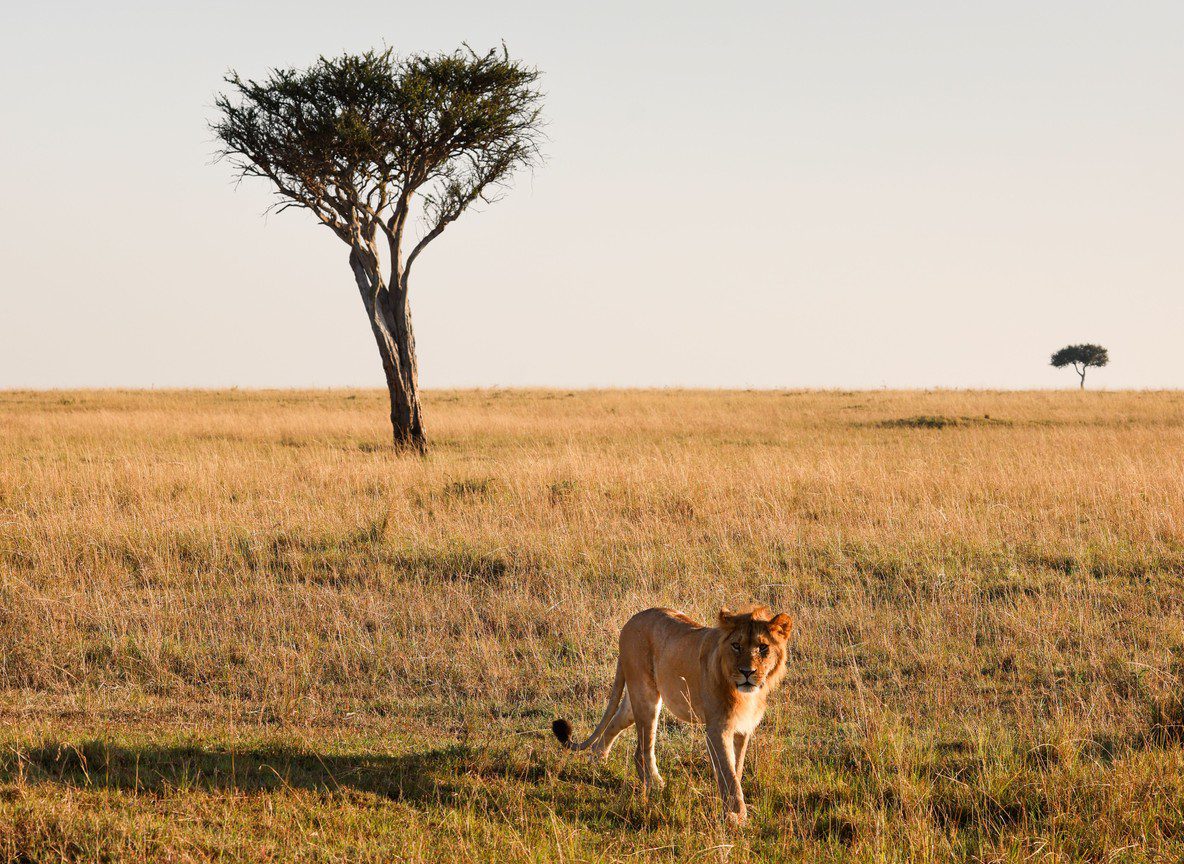
The Big Five are: lion, leopard, elephant, buffalo, and rhino.
The term was coined by big-game hunters in the 19th century to describe the five most dangerous animals to pursue on foot in Africa. The five were not selected for their size alone. They were chosen for their unpredictability, aggression when threatened, and difficulty of approach on foot.
Today, the Big Five are the most sought-after wildlife sightings on any Africa safari. Completing a “Big Five game drive” — seeing all five over a safari stay — is a common first-time safari goal.
The Big Five in Kenya
| Animal | Best Kenya Locations |
|---|---|
| Lion | Masai Mara (excellent), Amboseli, Tsavo East and West |
| Leopard | Masai Mara conservancies (good), Samburu, Laikipia |
| Elephant | Amboseli (iconic against Kilimanjaro), Masai Mara, Tsavo East, Samburu |
| Buffalo | Masai Mara (large herds), Aberdare, Tsavo |
| Rhino | Ol Pejeta (best for black rhino), Lake Nakuru, Lewa, Masai Mara conservancies |
What Is the Big Seven
The Big Seven expands the Big Five by adding two marine species: great white shark and southern right whale.
This concept originated in South Africa, specifically along the Garden Route and Hermanus region, where land-based whale watching and great white shark diving can be combined with a Big Five game reserve stay. It is a South Africa-specific construct and a genuinely useful one for that geography.
For a Kenya safari, the Big Seven concept does not translate. Kenya does not have great white shark or southern right whale habitat. The term occasionally appears in East African safari marketing, with some operators adding cheetah and wild dog as informal additions, but there is no standardised definition for a Kenya Big Seven. If you see it used in a Kenya context, treat it as loose marketing language.
What Is the Big Nine
The Big Nine is a more recently coined framework, particularly used in East Africa, that acknowledges species which rival the Big Five in safari desirability. The most commonly used Big Nine adds cheetah, African wild dog, and hippopotamus to the original five.
Some operators use slightly different lists, but cheetah and hippo appear most consistently in East African usage.
Why These Three Were Added
Cheetah: Africa’s fastest land animal and one of the most compelling predators to watch during a hunt. The Masai Mara has one of the best cheetah populations in Kenya, with open plains that suit both the cats and the observers watching them.
African Wild Dog (Painted Wolf): One of Africa’s most endangered predators and among the most cooperative and skilled hunters. Wild dog sightings are rare and are considered by many experienced wildlife travellers to be more exciting than any Big Five encounter. Kenya’s Laikipia Plateau is one of the best places in Africa to see wild dogs.
Hippopotamus: Africa’s most dangerous large mammal by kill statistics. Hippo pods in the Mara and Talek rivers are one of the defining Masai Mara wildlife experiences. They are abundant, highly visible, and frequently dramatic in behaviour, especially during territorial disputes at dawn.
The Big Nine in Kenya
| Animal | Best Kenya Locations |
|---|---|
| Lion | Masai Mara, Amboseli, Tsavo |
| Leopard | Masai Mara, Samburu, Laikipia |
| Elephant | Amboseli, Masai Mara, Tsavo East, Samburu |
| Buffalo | Masai Mara, Aberdare, Tsavo |
| Rhino | Ol Pejeta, Lake Nakuru, Lewa |
| Cheetah | Masai Mara (excellent), Amboseli |
| African Wild Dog | Laikipia (best in Kenya), rare in Masai Mara |
| Hippopotamus | Masai Mara rivers, Lake Naivasha |
Does Completing the List Actually Matter
The Big Five vs Big Nine conversation can create a checklist mentality that distracts from what makes a safari meaningful. The most memorable moments on any game drive are rarely about ticking a species. A leopard dragging a kill into a tree at 6am, a cheetah mother coaching cubs through their first hunt, a single elephant drinking alone at a waterhole as the sun drops — these are what stay with people.
That said, the framework is genuinely useful for:
- Helping first-time visitors understand the headline species to look for
- Choosing between parks (Ol Pejeta for rhino, Laikipia for wild dog, Masai Mara for cheetah and hippo)
- Setting honest expectations for what a given itinerary can realistically deliver
The lists are a planning scaffold. Once you are in the field, the guide and the morning take over.
Quick Comparison
| List | Animals | Origin | Kenya Relevance |
|---|---|---|---|
| Big Five | Lion, leopard, elephant, buffalo, rhino | 19th century hunting terminology | Core Kenya safari species |
| Big Seven | Big Five plus great white shark and southern right whale | South Africa marketing | Minimal relevance in Kenya |
| Big Nine | Big Five plus cheetah, wild dog, and hippo | East Africa/Kenya usage | Very relevant to Kenya safari planning |
Which Framework to Use for a Kenya Safari
For a first Kenya safari, the Big Five is the classic target. It is achievable at the right parks with the right timing and gives you a clear way to think about park selection.
The Big Nine is a more representative list for the Masai Mara ecosystem specifically, where cheetah and hippo are among the most reliably seen and most exciting encounters on any game drive.
Wild dog requires a deliberate Laikipia inclusion — Ol Pejeta, Lewa, or Borana — to have a realistic probability. They are present but rare in the Mara ecosystem.
The Big Seven, in a Kenya context, is marketing language. You can set it aside entirely.
Practical Planning for Your Kenya Wildlife Goals
If you want all five of the classic Big Five, rhino is the species requiring the most deliberate park selection. A Mara-only trip will likely miss rhino. Build in Lake Nakuru or Ol Pejeta specifically to address this.
If cheetah matters, the Masai Mara and its open conservancies are your best option in Kenya. The open plains habitat suits cheetah hunting and makes sightings more frequent than in bush-heavy parks.
If wild dog is a priority, Laikipia is the circuit that delivers — Ol Pejeta and Borana especially have resident packs.
If hippo is on the list (it should be — they are extraordinary to watch), the Mara and Talek rivers in the Masai Mara ecosystem offer daily encounters at virtually any time of year.
Explorer Notes
The Big Five framework was built for a different era of Africa travel. The Big Nine is a more honest representation of what Kenya’s wildlife actually offers and what keeps experienced travellers returning. For a first-time visitor, start with the Big Five as a planning tool, keep the Big Nine in mind as you learn the landscape, and let the guides show you what the ecosystem actually has rather than what a marketing list says it should.
The animals that surprise you — the aardwolf beside the road at dusk, the serval hunting in long grass, the martial eagle ripping through a flock at dawn — are often more vivid in memory than any checkbox.
Where to Go Next
For more Kenya safari planning, see the touringinsights.com guides on the best parks for each Big Five species, Laikipia wild dog safaris, and cheetah sightings in the Masai Mara.
To explore Kenya itineraries built around specific wildlife goals, Trunktrails Safaris offers tailor-made planning with honest sighting probability assessments.
Turn this reading into a real itinerary with help from a Kenya-based safari team.
Start Planning Your Safari