Amboseli is not the same park at sunrise and at 4pm. The light changes, animal behaviour shifts, Kilimanjaro appears and disappears, and the emotional quality of a game drive differs substantially between the cool of early morning and the golden warmth of late afternoon. Understanding how the park behaves across the day helps you structure your drives — and your expectations — more effectively.
This guide covers what each time of day delivers across the key dimensions of an Amboseli safari: wildlife activity, photography, Kilimanjaro visibility, birding, and overall pace.
Dawn Drives: What to Expect
A dawn game drive in Amboseli typically departs at or before first light — usually around 6am — and runs until mid-morning, roughly 9:30 to 10am. This window captures the transition from night to day and catches the park at its most active.
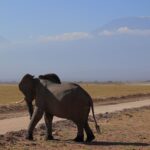
Kilimanjaro: This is the single most important argument for dawn drives in Amboseli. Cloud typically builds around the summit from late morning onward, obscuring the mountain for much of the day and often into the afternoon. Dawn is when the mountain is most reliably clear. Travellers who arrive in Amboseli and find Kilimanjaro hidden in cloud throughout their afternoon and midday hours will see it emerge — sometimes dramatically — in the first light of morning. If Kilimanjaro photography is a priority, missing dawn drives is a serious missed opportunity.
Predator activity: Lions, cheetahs, and other carnivores are most active in the cool of early morning, often completing or finishing night hunts. A dawn drive gives the best realistic chance of encountering predators in motion — and in Amboseli’s open terrain, active predators on short morning grass are highly photogenic.
Temperature and comfort: The early morning is the coolest part of the day. Wildlife moves freely, guides can cover ground without the heat slowing the pace of observation, and the general atmosphere of the drive is crisp and energetic.
Light quality: Photographers prize the first 30 to 60 minutes of light after sunrise — a period of soft, directional, warm-toned illumination that flattens shadows and renders wildlife beautifully against Amboseli’s dusty landscape. The combination of clean first light and a clear Kilimanjaro backdrop is the environment that produces the park’s most iconic wildlife images.
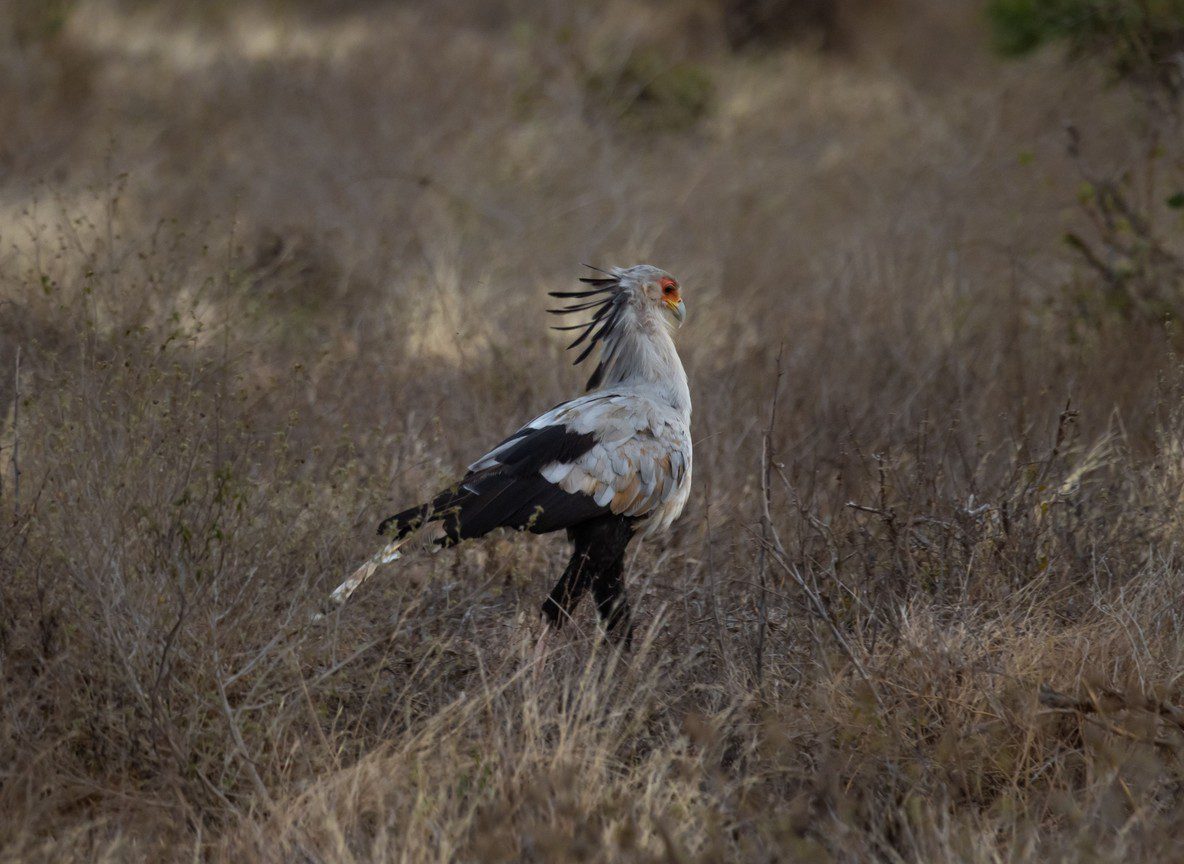
Birding: Many birds are most vocal and most active immediately after dawn. The swamps are lively as herons and egrets begin feeding, waders work the margins, and resident songbirds establish territories in the warming air.
Afternoon Drives: What to Expect
An afternoon game drive in Amboseli typically departs around 3:30 to 4pm and runs until after sunset, usually 6:30 to 7pm. This window captures the park’s transition from the long midday quiet into the active late-day period.
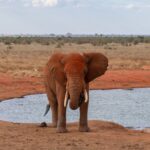
Elephants at the swamps: One of Amboseli’s most consistent afternoon experiences is large elephant herds gathering at the swamps as the day cools. Families that dispersed across the park during the day converge on the permanent water, creating dense, multi-generational herd scenes with warm late-day light. For sheer elephant photography opportunities, the afternoon swamp scene can match or exceed what morning drives produce.
Golden light: The hour before sunset produces the warmest and most visually dramatic light of the day. Dust kicked up by moving elephants catches the low sun and creates a luminous orange-gold atmosphere. Even photographs of relatively ordinary wildlife moments can look extraordinary in this light.
Pace and atmosphere: Afternoon drives have a different rhythm from morning drives. The urgency of dawn — the race to reach productive areas before the light fades — is replaced by a more contemplative pace. Guests can spend longer with individual sightings, observe interactions between animals in the cooling evening, and end the drive with a sunset over the open plains.
Sunset and panorama: Late afternoon often brings some of the best light on Kilimanjaro, even though the summit is typically still partially cloud-covered. The evening cloud can be dramatically lit, and the golden hour light on the mountain’s lower slopes can be very beautiful even without a clear summit view.
Predator activity: Predator sightings are possible in the afternoon as lions and other carnivores begin stirring from the midday rest. However, they are less reliably encountered than at dawn because the nocturnal feeding cycle places most predator activity in the hours before and just after sunrise.
Head-to-Head Comparison
| Factor | Dawn Drive | Afternoon Drive |
|---|---|---|
| Kilimanjaro visibility | Strongest | Variable (usually partial cloud) |
| Predator activity | Highest | Moderate |
| Elephant at swamps | Good | Often excellent (peak concentration) |
| Birding | Strongest | Moderate |
| Photography light quality | Crisp, cool, directional | Warm, golden, dramatic |
| Safari pace | Energetic, purposeful | Relaxed, contemplative |
| Temperature | Cool (sometimes cold) | Warm to pleasant |
| Sunset opportunity | No | Yes |
| Best for mountain photography | Yes | Less reliable |
| Best for atmosphere/mood | Tied | Tied |
Which Drive to Prioritise on a Short Trip
If you have only one game drive and must choose, the answer depends on what matters most:
- If Kilimanjaro is the primary motivation for choosing Amboseli over other Kenya parks, choose dawn without question. You may only get one or two clear mountain windows during a short visit, and they are almost always in the early morning.
- If elephant behaviour and the emotional richness of large herd scenes are the priority, the afternoon drive can be equally satisfying.
For most travellers, the ideal is both — a properly structured multi-night stay that includes at least one dawn drive and one afternoon drive gives the most complete picture of what Amboseli is.
The Midday Gap
Neither dawn nor afternoon means you are idle in between. The midday hours (roughly 10am to 3:30pm) are the least productive for game drive activity — animals rest in shade, the light is harsh, and general wildlife movement is minimal. Most camps structure midday as downtime: breakfast after the morning drive, a rest or lunch break, and then a freshening-up period before the afternoon drive departs.
This rhythm — two drives with a midday break — is the standard Amboseli pattern and is actually one of the more physically pleasant safari structures available in Kenya. The breaks are not wasted time; they are when you process the morning’s encounters, consult with your guide about what you saw, and recharge for the afternoon.
Photography-Specific Advice
Dawn for: Kilimanjaro, predators in action, silhouettes, cool-toned landscapes, clean first light Afternoon for: Warm elephant herd scenes, swamp reflections, dust in golden light, sunset atmosphere
Many serious photographers will say that the two drives serve entirely different photographic purposes and that the most complete Amboseli photography trip requires several consecutive days covering both windows. If you are on a two-night stay, you will get two morning drives and two afternoon drives — enough to experience both the dawn character and the afternoon character of the park.
For more on getting the best from Amboseli’s wildlife and photography opportunities, see the Amboseli wildlife photography guide on Touring Insights.
Have questions about this itinerary or destination? Get answers from a safari specialist before you commit.
Inquire More