World Wildlife Fund runs a small-group trip called the Kenya Rhino & Elephant Conservation Safari, part of its Insider Journeys program. It is not a normal safari package. A WWF staff scientist travels with the group. Guests get briefings from rangers who run anti-poaching patrols, not just game-drive commentary. Touring Insights breaks down what this trip covers, what it costs, and how it compares to booking a private rhino-focused safari through a conservancy directly.
What the WWF Kenya Rhino & Elephant Conservation Safari Includes
The 2026 departure runs May 24 to June 4, a 12-day trip. Nikhil Advani, WWF’s Senior Director for Wildlife and Climate Resilience, guides the group. Group size stays small, in line with WWF’s usual Insider Journeys format. The itinerary centers on Ol Pejeta Conservancy in Laikipia. Stops also include the Sheldrick Wildlife Trust nursery in Nairobi, Reteti Elephant Sanctuary in Samburu, and a Maasai Mara extension away from the main tourist circuit.
Guests get behind-the-scenes access most safari-goers never see. That means sitting in on ranger briefings, touring anti-poaching command posts, and hearing directly from conservancy scientists about rhino ear-notching and monitoring work. Regular safaris rarely open these doors, since most operators keep guests focused on game drives rather than conservation logistics.
Why Ol Pejeta Anchors This Itinerary
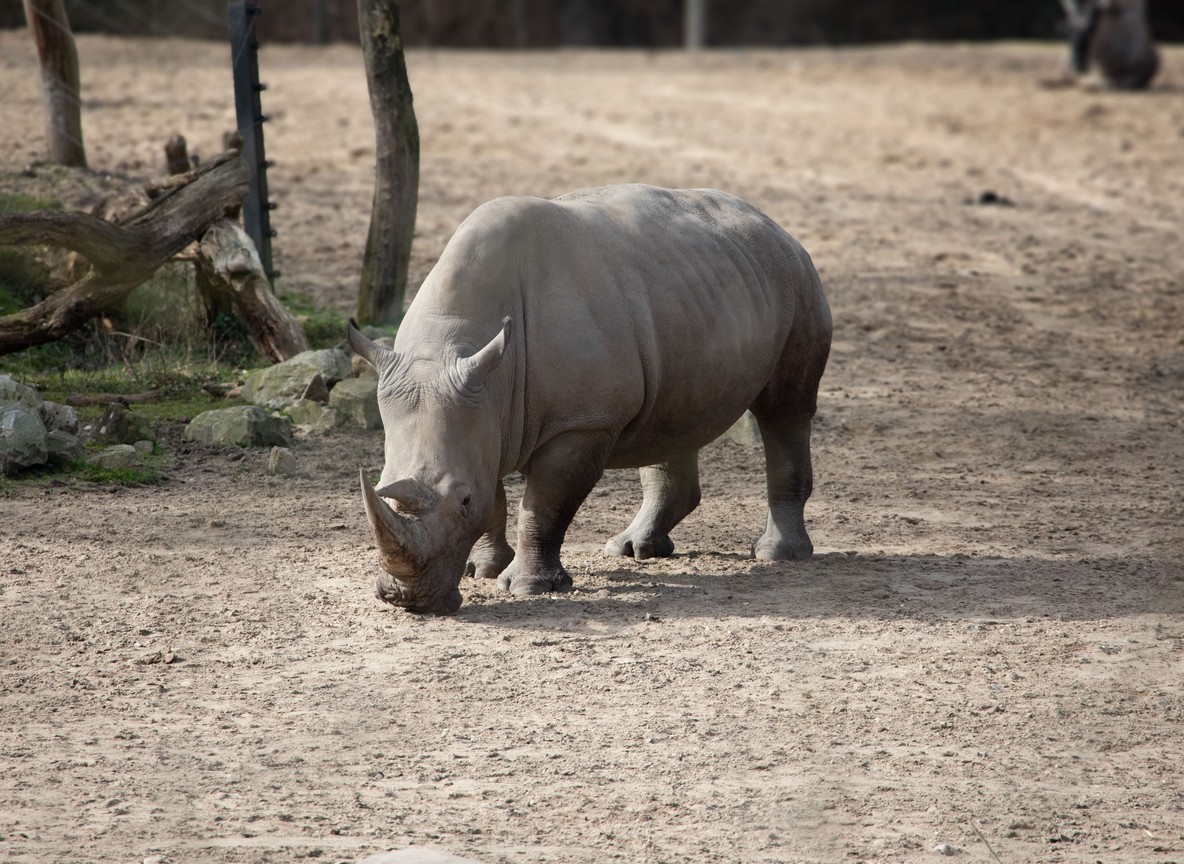
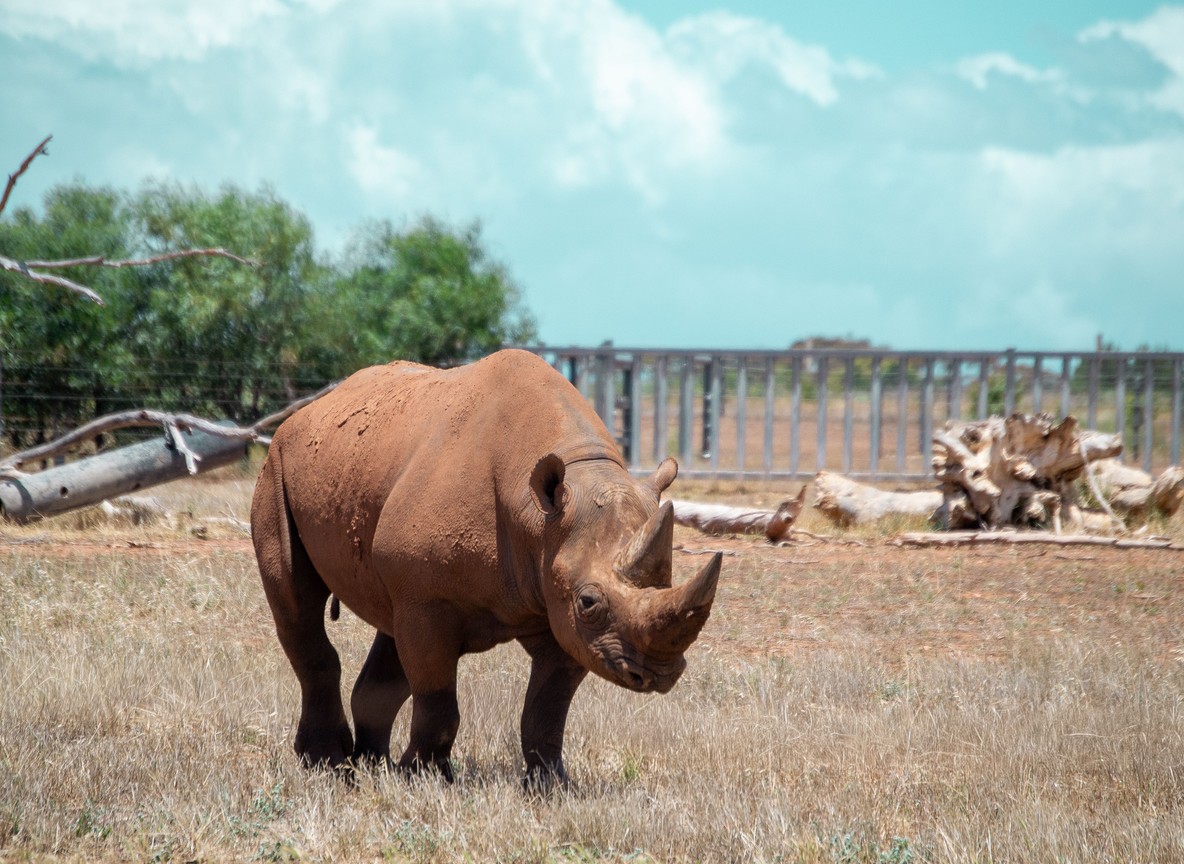
Ol Pejeta holds more than 130 black rhinos, the largest black rhino population in East and Central Africa. It also shelters Najin and Fatu, the last two northern white rhinos on Earth, kept under armed guard around the clock. No other conservancy on a standard Kenya itinerary offers that specific combination.
The conservancy’s non-resident entry fee runs USD 110 for adults and USD 55 for children aged 3 to 11, as of 2026. That fee funds a large share of the rangers and fencing that keep the sanctuary’s rhinos secure. Ol Pejeta sits roughly 205 km north of Nairobi, a drive of about 4 hours on the A2 highway. Guests who fly instead land at Nanyuki airstrip after a 1-hour flight from Wilson Airport. A 45-minute drive covers the last leg to the conservancy gate.
The Technology Behind the Trip: Kifaru Rising
Part of what makes this itinerary distinct is a specific technology story. WWF partnered with Teledyne FLIR in 2019 on a program called Kifaru Rising, Kiswahili for “rising rhino.” The project expanded thermal-imaging camera coverage from 2 to 11 rhino conservation areas across Kenya. Those 11 sites now hold more than 80% of the country’s rhino population.
The results carry real weight. Rangers using FLIR thermal cameras have helped apprehend more than 250 poachers over the past 4 years. No rhino has been poached at a site actively running the cameras during that window. In the Maasai Mara alone, Mara Conservancy rangers used thermal units to catch more than 160 poachers in under 3 years. WWF’s own trip briefings reference this program directly, and guests may meet the ranger teams who operate the cameras nightly.
Meeting Orphaned Rhinos and Elephants
Two stops on the itinerary focus on rescue and rehabilitation rather than wild viewing. The Sheldrick Wildlife Trust nursery sits inside Nairobi National Park near the Magadi Gate. Visitors watch keepers bottle-feed orphaned elephant and rhino calves rescued after poaching incidents or natural separation from their herds.
Reteti Elephant Sanctuary in Samburu adds a different angle. Local Samburu community members own and run it, making it the first community-owned elephant sanctuary in Africa. Both stops connect directly to the rescue side of rhino and elephant conservation, a piece most standard game-viewing safaris skip entirely.
WWF Insider Journey vs a Standard Private Rhino Safari
Travelers weighing this trip against a conventional Kenya rhino safari should know the differences go beyond price. The table below lays out how the two compare on the details that matter most for planning.
| Detail | WWF Insider Journey | Standard Private Rhino Safari |
|---|---|---|
| Trip length | 12 days (fixed dates) | 4-10 days, flexible dates |
| Group leader | WWF conservation scientist | Local professional guide |
| Access level | Ranger briefings, anti-poaching command posts | Standard game drives and camp talks |
| Indicative price per person (double occupancy) | approx. USD 18,095 + USD 1,974 internal air | approx. USD 3,500-9,000 for a comparable length |
| Fixed departure dates per year | Usually 1-2 dates | Booked on demand, year-round |
| Named conservancies visited | Ol Pejeta, Reteti, Maasai Mara | Varies by operator, often Ol Pejeta, Lewa, or Solio |
Pricing above reflects WWF’s most recently published figures and shifts between seasons. Confirm current rates directly with WWF Insider Journeys or a private operator before booking, since neither figure is fixed year to year.
What a Trip Like This Actually Costs
The 2026 WWF departure lists at USD 18,095 per person in double occupancy, plus USD 1,974 for internal Kenya flights. Solo travelers pay a single supplement of roughly USD 1,995. These figures come from WWF’s own published trip materials and are subject to change, so treat them as an indicative range rather than a locked quote.
That price covers far more than lodging and game drives. It funds direct donations to WWF’s rhino and elephant programs, plus private conservancy access fees, a dedicated WWF expert guide, and logistics across several remote properties. Guests booking a private rhino safari through a conservancy or tour operator can expect a lower total cost. That lower price comes without the scientist-led briefings or the direct conservation-fund tie-in.
Planning Facts for a Kenya Rhino Conservation Trip
| Detail | Figure |
|---|---|
| Kenya’s national black rhino population (2026) | just over 1,000, up from fewer than 400 in the 1980s |
| Kifaru Rising coverage | 11 rhino conservation areas, 80%+ of Kenya’s rhinos |
| Poachers apprehended via FLIR cameras (4+ years) | more than 250 |
| Ol Pejeta black rhino population | more than 130 |
| Ol Pejeta non-resident entry fee | USD 110 adult, USD 55 child (3-11) |
| Nairobi to Ol Pejeta by road | approx. 205 km, approx. 4 hours via the A2 |
| Nairobi to Nanyuki by air, plus drive to gate | approx. 1 hour flight, plus 45-minute drive |
| Lewa Conservancy entry fee | USD 126 overnight guest, USD 198 day visitor |
| WWF trip length | 12 days, fixed May-June 2026 departure |
Explorer Notes
Book Ol Pejeta entry online before arrival. The conservancy runs a cashless gate system, and lines move faster with tickets confirmed in advance. Ask your camp to schedule the rhino tracking activity for early morning, when black rhinos feed in the open before the day heats up and they retreat into thicker bush.
If a Kifaru Rising ranger briefing is on offer, bring specific questions about camera range and false-alarm rates. Guides who work this technology daily give far more detail than a general conservation talk provides. Pack neutral colors for any dawn tracking walk near Ol Pejeta’s rhino sanctuary. Bright clothing carries further across open grassland than most first-time visitors expect. Sheldrick’s Nairobi nursery visits run on a strict daily schedule, usually a single public viewing hour. Confirm the exact time before building the rest of that day’s plan around it.
What to Read Next
- Ol Pejeta Conservancy: Kenya’s Rhino Sanctuary Safari Guide
- Kenya’s Black Rhino Recovery: 2026 Targets and What They Mean for Safari Travel
- Volunteer Rhino Conservation Programs in Kenya: What to Expect
FAQ
What does the WWF Kenya Rhino & Elephant Conservation Safari actually include? It includes 12 days of guided travel led by a WWF conservation scientist, private conservancy access at Ol Pejeta and Reteti, ranger and anti-poaching briefings, visits to the Sheldrick nursery, and a Maasai Mara extension.
How much does the WWF rhino conservation safari cost? WWF’s most recently published price is approx. USD 18,095 per person in double occupancy, plus approx. USD 1,974 for internal Kenya flights. These figures shift by season and should be confirmed directly with WWF before booking.
What is Kifaru Rising? Kifaru Rising is a WWF and Teledyne FLIR partnership that expanded thermal-imaging camera coverage to 11 rhino conservation areas in Kenya, holding more than 80% of the country’s rhino population. Rangers using the cameras have helped apprehend more than 250 poachers over 4 years.
Can I visit Ol Pejeta without booking the full WWF trip? Yes. Ol Pejeta is open to independent visitors year-round for a non-resident entry fee of USD 110 per adult. Private operators run shorter, lower-cost rhino-focused itineraries that include the conservancy without the WWF trip’s fixed dates or scientist-led format.
Is the WWF trip worth it compared to a private rhino safari? That depends on priority. The WWF trip offers access and expertise a private safari cannot match, at a materially higher price. A private conservancy safari covers the same core sites for a fraction of the cost, without the ranger-level briefings.
A trip built entirely around conservation access is not for every traveler. It is not the only way to see Kenya’s rhinos up close, either. Check the Tour Packages page for private conservancy itineraries that cover Ol Pejeta and Lewa on a shorter timeline. Ask your operator directly which camps route part of your visit fee into anti-poaching programs like Kifaru Rising.
Further reading
More safari planning resources
- Kenya national parks map from SafariPure
- Ol Pejeta and Sweetwaters safari package from Valley Safaris
- Maasai Mara National Reserve guide on Touring Insights
- Big Five safari collection on FindMySafari
Related guides: Rhino Ear-Notching in Kenya: A Real Conservation Experience You Can Join.