Most safari wildlife encounters are about watching. Ear-notching is different. It puts guests a few careful meters from a working conservation operation, the kind of work that keeps Kenya’s black rhino recovery on track. This guide explains what notching actually involves, where it happens, and how to plan a visit around one. Touring Insights breaks down the real mechanics here, not a marketing pitch. That way you know what to expect before you book.
What Rhino Ear-Notching Actually Is
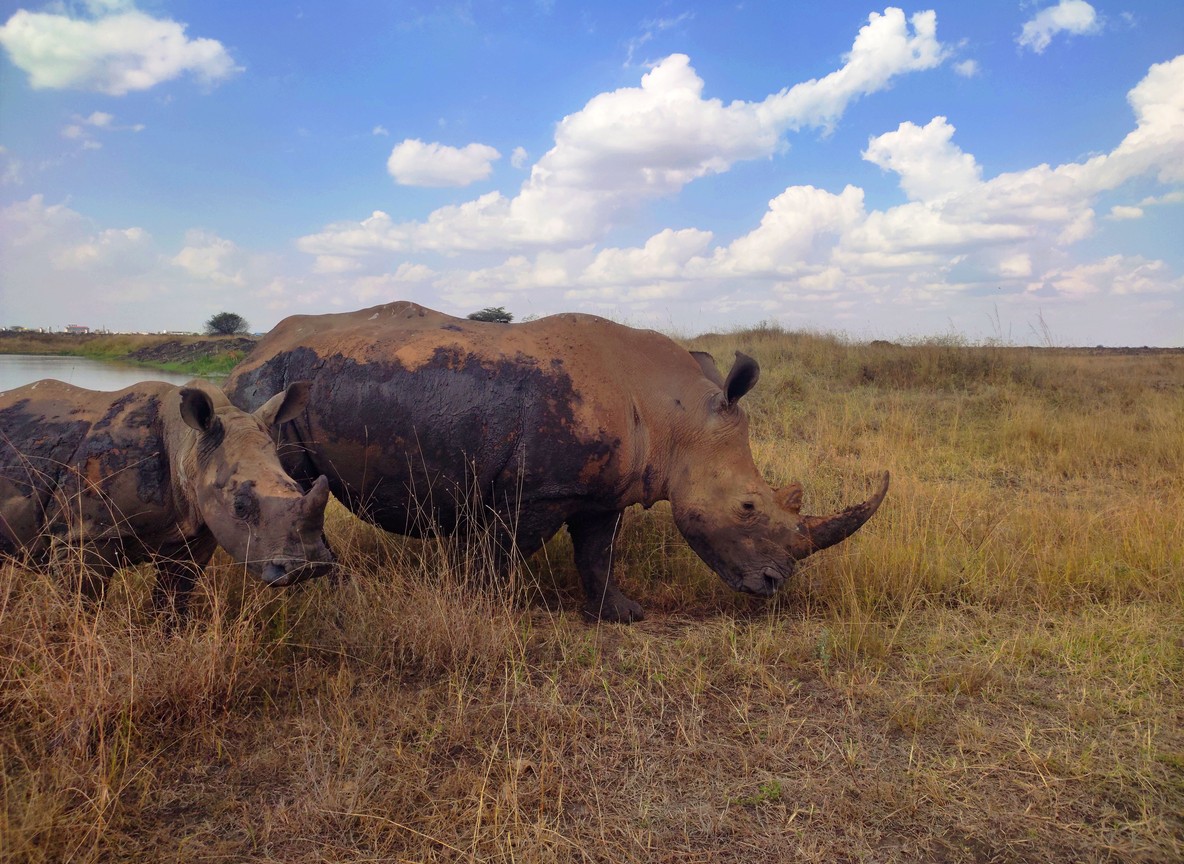
Ear-notching is a permanent identification method. A vet team cuts small, specific notches into a rhino’s ears using a standardized code. Each notch position and combination corresponds to a unique number. That lets rangers identify an individual rhino from a distance without needing to dart it again. Kenya Wildlife Service and partner conservancies use this system across the country’s black and white rhino populations. Notches work alongside ear tags and horn microchips. Unlike tags, though, notches last for life and stay readable even from a moving vehicle or a helicopter.
The procedure is quick. A vet dart team sedates the rhino, usually from a helicopter or ground vehicle. Ground crews then reach the animal within minutes. The notching itself takes only a few minutes once the team is in position. Rangers also use the moment to check body condition, collect a small tissue sample, and sometimes fit a tracking device. The rhino is up and walking again within 20 to 40 minutes of first contact.
Why Notching Matters for Rhino Recovery
Kenya’s black rhino population has climbed past 1,000 animals as of 2026, up from fewer than 400 in the 1980s. The Kenya Wildlife Service’s Black Rhino Recovery Action Plan sets a target of 1,200 rhinos by the end of 2026. Hitting that number depends on knowing exactly which animals live where and how they are pairing up. It also depends on whether calves are surviving to adulthood.
Notching makes that tracking possible without constant handling. A ranger on a routine patrol can identify a specific rhino through binoculars and log the sighting. They can then flag anything unusual, like an injury or a long absence from its usual territory. That data feeds directly into anti-poaching patrols and breeding management across Laikipia‘s conservancies. Guests who join a notching day are watching a working part of that national recovery plan, not a staged demonstration.
Where You Can Join a Notching Experience
Two Laikipia properties run guest-accessible notching programs: Ol Pejeta Conservancy and Lewa Wildlife Conservancy. Both sit within the same broader rhino landscape north of Mount Kenya. Wildlife corridors connect the two and let animals move between reserves.
Ol Pejeta covers roughly 90,000 acres (about 364 km2) and holds one of Africa’s largest black rhino sanctuaries. It also shelters the world’s last two northern white rhinos. Lewa covers about 62,000 acres (around 250 km2) and forms part of the Mount Kenya UNESCO World Heritage Site. Both conservancies notch rhinos on an as-needed basis, tied to their own monitoring calendars rather than a fixed weekly schedule. That means a notching operation is not guaranteed on any given date.
What Happens on Notching Day
Guests typically gather at a briefing point before dawn, since vet teams prefer to work in cooler morning temperatures. Rangers explain the target rhino and the reason for the operation. It may be a new calf, a rhino due for a health check, or an animal moved in from another reserve. Once the vet team locates and darts the rhino, guests wait at a safe distance, usually 20 to 30 meters. Ground crews secure the area while they wait.
The actual work moves fast. A vet monitors breathing and heart rate throughout. Rangers cut the notches, take measurements, and finish other checks while the rhino stays sedated. Guests can usually approach closer once the team gives the signal, often standing right beside the animal for photos. It can be a genuine hands-on moment, like feeling the thickness of the skin or helping cool the rhino with water. The vet administers a reversal drug last, and everyone clears the area before the rhino wakes.
Rhino Ear-Notching Experience: Facts to Check Before You Book
| Detail | Figure |
|---|---|
| Ol Pejeta Conservancy size | approx. 90,000 acres (approx. 364 km2) |
| Lewa Wildlife Conservancy size | approx. 62,000 acres (approx. 250 km2) |
| Kenya’s black rhino population (2026) | 1,000+ (up from fewer than 400 in the 1980s) |
| KWS Black Rhino Recovery Plan target | 1,200 rhinos by end of 2026 |
| Typical sedation-to-release time | approx. 20-40 minutes |
| Guest viewing distance during darting | approx. 20-30 meters, closer once cleared by the vet team |
| Nairobi to Nanyuki (road) | approx. 200 km, 3-3.5 hr drive |
| Nairobi Wilson to Nanyuki (flight) | approx. 35-40 min |
| Nanyuki to Ol Pejeta / Lewa gates | approx. 15-25 km, 20-40 min drive |
How to Book and What It Costs
Notching operations are not scheduled tourist activities. They happen when a conservancy’s vet team decides a specific rhino needs attention. That can mean short notice or a wait of several days during a stay. Most guests arrange access through their camp or lodge, which stays in contact with the conservancy’s monitoring team. The camp can then flag guests when an operation comes up.
Cost varies a lot and is not fixed the way a park gate fee is. Conservancies typically price it on request. The figure depends on helicopter time, vet availability, and whether the operation doubles as a fundraising event for the rhino program. Ask your camp for the current arrangement before you travel. Treat any notching access as a bonus to your stay rather than a guaranteed booking.
Best Time of Year to Plan a Visit
Notching can happen any month. Kenya’s dry seasons, late June through September and late December through February, give the clearest tracking conditions. Vet teams also get the easiest helicopter access during these months. Muddy conditions during the March-to-May long rains can delay or reschedule an operation. Booking a longer stay, four nights or more, improves your odds of being on-site. That way you’re there if a notching day comes together during your trip.
Who This Experience Suits
Repeat Kenya visitors who already know the classic game drive get the most from this. It rewards travelers who want to understand the conservation work behind the wildlife they see, not just photograph it. Families with older children or teenagers do well here. The sedation process and vet explanations make for a genuine field-science lesson. Anyone squeamish around veterinary procedures, needles, or the sight of a large sedated animal should think carefully before joining. It is a real medical operation, not a photo prop.
Explorer Notes
Pack a hat and layers even in the dry season. Briefings often start before sunrise, and mornings on the Laikipia plateau run cold. Ask your guide to show you the conservancy’s notch-code chart before the operation. Once you understand how the pattern maps to a number, spotting and naming individual rhino gets easier. It becomes a genuinely different way to experience the rest of your regular game drives. If a notching operation does not come together during your visit, ask instead for a briefing with the monitoring team. Most conservancies will walk guests through how tracking data gets used, even without a live procedure that day.
What to Read Next
- Want the fuller picture of Ol Pejeta beyond notching days? Read our Ol Pejeta Conservancy safari and rhino sanctuary guide.
- Curious about Lewa’s own conservation story? See our Lewa Wildlife Conservancy guide.
- Want to go deeper with a longer conservation stay? Check our conservation volunteer safari Kenya guide.
FAQ
Is rhino ear-notching painful for the animal? The rhino is fully sedated throughout, and the notching itself takes only a few minutes within a 20-to-40-minute operation. Vets monitor breathing and heart rate the entire time.
Can any visitor join a notching experience? Access depends on whether a conservancy has an operation planned during your stay. Ask your camp or lodge to check with the conservancy’s monitoring team once you have booked.
How much does a rhino ear-notching experience cost? Pricing is not fixed and is usually quoted on request. It depends on helicopter time, vet team availability, and whether the day supports a conservancy fundraiser. Confirm current arrangements with your camp before travel.
Is Ol Pejeta or Lewa better for a notching experience? Both run active black rhino monitoring programs in the same Laikipia landscape. Ol Pejeta is larger and also holds the last two northern white rhinos. Lewa, meanwhile, sits within the Mount Kenya UNESCO World Heritage Site. Either makes a strong base; availability on your travel dates often decides it.
What else should I plan around a notching visit? Build in at least four nights so a notching day has time to come together. Pair it with standard game drives, since sedation operations happen on short notice, not a fixed schedule.
Ear-notching is one of the few safari moments where you can watch conservation work happen in real time. Visit Touring Insights’ Tour Packages page to compare Laikipia stays built around Ol Pejeta and Lewa. From there, talk to your chosen operator about adding a conservation experience to your itinerary.