Where to stay in Ol Pejeta: camps and lodges compared is the first big decision for anyone planning a Laikipia safari. Ol Pejeta Conservancy sits in Laikipia County, between the Aberdare Range and Mount Kenya. It is known for two things above all: the last two northern white rhinos on Earth, and a large population of black rhino. The conservancy also runs a chimpanzee sanctuary.
Choosing where to sleep is often the hardest part of planning a visit. Camps and lodges here range from simple public campsites to full-service, comfortable lodges. Location matters more than you might think. Some properties sit near the main gate and the rhino sanctuary, while others sit deep in the wilderness zone.
Where to Stay in Ol Pejeta: Camps and Lodges Compared?
This guide compares the well-documented camps and lodges inside Ol Pejeta: Sweetwaters Serena, Kicheche Laikipia, Porini Rhino Camp, and Ol Pejeta Bush Camp, plus the self-catering houses and public campsites.
What Makes Ol Pejeta Different From Other Kenyan Parks?
Ol Pejeta is a black rhino stronghold. It is one of the few places in Kenya where you are almost guaranteed to see rhinos. The Sweetwaters Chimpanzee Sanctuary is also here, a rescue centre for orphaned and abused chimps, and the only place in Kenya to see them.
The conservancy is fenced, keeping rhinos in and poachers out, though wildlife cannot roam freely to other ecosystems. You get reliable sightings, but you lose the drama of the Mara migration.
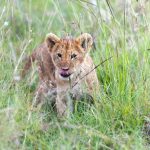
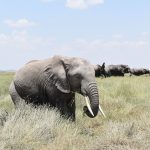
Ol Pejeta holds one of the largest black rhino populations in Kenya, alongside Grevy’s zebra, elephants, and lions. The northern white rhino enclosure is a sobering, important visit, where you will see two animals, Najin and Fatu, under armed guard.
If you are comparing destinations, read our guide on how Ol Pejeta compares to the Masai Mara. In short, the Mara has more lions and the migration, while Ol Pejeta offers rhino density and a quieter, more private experience.
How Do the Different Zones Inside Ol Pejeta Affect Where You Stay?
The conservancy is roughly divided into two areas for visitors.
The first is the Sweetwaters zone, near the main gate. Sweetwaters Serena is here, close to the chimpanzee sanctuary, the rhino enclosure, and the Morani Information Centre. Game drives are convenient, but you share the roads with day visitors and other camps.
The second is the wilderness zone, the larger, quieter southern and eastern parts of the conservancy. Ol Pejeta Bush Camp, Kicheche Laikipia, and Porini Rhino Camp sit here, offering private game viewing, night drives, and walking safaris.
Driving from Sweetwaters to the far side of the wilderness zone takes a while, since the conservancy covers a large area. If you stay at a wilderness camp, you will not pop over to the sanctuary quickly. Plan to visit the sanctuary and the rhino enclosure on the day you arrive or leave.
What Is the Best Luxury Camp in Ol Pejeta?
Kicheche Laikipia is the standout luxury option, a small, unfenced tented camp in the middle of the bush. Each large tent has a veranda and an outdoor shower. Wildlife walks right past the tents, and the guiding is excellent, focused on walking safaris and birding. It suits repeat safari goers who want a real wilderness feel.
What Are the Mid-Range and Classic Tented Camps?
For most first-time safari planners, mid-range options offer the best balance of comfort and cost.
Ol Pejeta Bush Camp is the classic choice, with a small number of en suite tents, each with a veranda. It sits in the wilderness zone, giving access to night game drives and guided walks. There is also a hide where you can watch elephants at a waterhole. It is one of the best value stays in the conservancy.
Porini Rhino Camp is run by Gamewatchers, known for its Porini camps across Kenya. It is small, eco-friendly, solar powered, and sits in a prime area for rhino and elephant sightings, with knowledgeable Maasai guides.
Sweetwaters Serena is the largest property in the conservancy, with tented rooms and suites built around a lodge with a swimming pool and a restaurant. It is a full-service hotel experience, not a bush camp. The location is unbeatable for the sanctuary and rhino enclosure, though you will share the pool and dining room with tour groups.
Are There Budget or Self-Catering Options in Ol Pejeta?
Yes, but they are limited.
The conservancy offers a few self-catering houses. The Stables is a four bedroom house with a kitchen and a veranda overlooking a waterhole. Pelican House is a smaller, two bedroom option. Both suit families or small groups who want to cook their own meals, though you will need to bring supplies from Nanyuki town.
There are also public campsites near the main gate: basic ground, a pit latrine, and a fire pit. You bring your own tent, water, and cooking gear. It is the cheapest way to stay inside Ol Pejeta, but sites are not fenced, so wildlife can walk through at night. Keep food sealed.
What Is the Difference Between Sweetwaters Serena and the Wilderness Camps?
Sweetwaters Serena is a hotel inside the park, offering comfort, a pool, and reliable service, with the sanctuary and rhino enclosure nearby. It suits travelers with limited time who want the highlights without long drives.
The wilderness camps, like Kicheche and Porini, are lower impact, smaller, and quieter, with night drives and guided walks included. The trade-off is distance: you need an extra day to comfortably visit both zones.
For most first time visitors, we recommend a compromise. Stay at Ol Pejeta Bush Camp or Porini Rhino Camp, where staff can arrange a day trip to the sanctuary. If you only have one night, choose Sweetwaters Serena for efficiency.
How Much Does It Cost to Stay in Ol Pejeta?
There is no single price. Costs depend on the camp, the season, and whether you pay conservancy fees separately.
Most mid-range and luxury camps charge full board: bed, all meals, and two game drives per day. High season runs from July to October, and again from late December to March, with noticeably higher rates.
The conservancy fee is separate from camp rates and is charged per person per day. Non resident adult fees at private conservancies like Ol Pejeta typically fall in the USD 90 to 130 range, though this varies and your operator will confirm the exact figure. Residents pay a lower rate, and children are often free.
Expect to pay:
| Camp Type | Example Camp | Price Per Person Per Night (Full Board) | Conservancy Fee (Non Resident, per adult, indicative) | Best For |
|---|---|---|---|---|
| Luxury Tented | Kicheche Laikipia | USD 600 to 900 | USD 90 to 130 | Honeymooners, repeat safari goers |
| Mid Range | Ol Pejeta Bush Camp, Porini Rhino Camp | USD 300 to 600 | USD 90 to 130 | First time safari planners, families |
| Full Service Hotel | Sweetwaters Serena | USD 250 to 450 | USD 90 to 130 | Groups, short stays, comfort seekers |
| Self Catering | The Stables, Pelican House | USD 150 to 300 (per house) | USD 90 to 130 | Families, groups who cook |
| Budget Campsite | Public campsites | USD 20 to 40 | USD 90 to 130 | Backpackers, budget travelers |
These are indicative ranges for 2026. Confirm exact rates with your operator.
What Is the Best Time to Visit Ol Pejeta?
Ol Pejeta is a year round destination. The wildlife is always there because the conservancy is fenced and water sources are managed.
The dry season, June to September, is best for game viewing. Animals gather around the Ewaso Ng’iro River and the waterholes, and short grass means excellent visibility.
The shoulder season, October to December, brings the short rains, usually in November. The landscape turns green and birdlife increases, with mornings often clear despite afternoon showers.
The wet season, March to May, is quietest. Some camps close and roads can turn muddy, but you will often have the place to yourself, with lush scenery and plenty of baby animals.
For more general timing advice, see our best time to visit the Masai Mara. The same seasonal logic applies to Laikipia.
Which Camp Is Best for Seeing Rhinos Up Close?
Porini Rhino Camp sits in the heart of prime rhino habitat. Guides track rhinos on foot and by vehicle, with a strong record of finding black rhino early on a morning drive. Night drives occasionally spot rhinos on the move too.
Ol Pejeta Bush Camp has direct access to the waterhole hide. Elephants are the star there, but rhinos also come to drink, mostly at dusk.
No camp can guarantee a sighting, but Ol Pejeta offers among the best odds in Kenya. Wilderness camps simply give you more hours in the field.
Is Ol Pejeta Good for Families?
Yes, with some caveats.
Laikipia sits at a higher altitude than many Kenyan safari areas, which lowers malaria risk. No part of Kenya is truly malaria free, though, so talk to a travel doctor about antimalarial precautions before you go.
For young children, Sweetwaters Serena is easiest. It has a well developed road network, a pool, a restaurant, and short drives to the chimps and the rhino enclosure.
For older children, wilderness camps can work well too. Some welcome children on night drives and walking safaris, though minimum ages vary, often six or eight for walks. Check the policy before you book.
Self catering houses suit a baby or toddler best, with your own kitchen and total flexibility with nap times.
How Do You Get to Ol Pejeta, and How Many Days Do You Need?
Ol Pejeta is roughly a 3 to 4 hour drive from Nairobi via Nanyuki, mostly on tarmac with a gravel stretch near the end. You can also fly into Nanyuki airstrip, then drive the short distance to the gate.
We recommend at least two nights. Spend one day settling in, and a second on a full game drive plus visits to the chimps and the rhino enclosure. Add a third night for a walking safari or a night drive.
Ol Pejeta fits well into a Laikipia circuit. Many travelers pair it with a Lake Nakuru stop, roughly a two to three hour drive away, for one night of flamingos and rhinos.
Most full Kenya itineraries start in Ol Pejeta, then fly or drive to the Masai Mara. For budget planning, see our guide on budgeting for a Kenya safari; the same principles apply here.
Which Camp Should You Choose?
Choose Kicheche Laikipia if you want a true wilderness camp with expert walking guides and a romantic setting. It suits seasoned safari fans and honeymooners alike.
Choose Porini Rhino Camp or Ol Pejeta Bush Camp if you want the best game viewing per dollar, with excellent guiding and night drives at mid range prices.
Choose Sweetwaters Serena if you have limited time, want a pool, or are traveling with a group.
Choose The Stables or Pelican House if you are a self catering family who wants privacy.
Ready to Compare Operators?
TouringInsights is a safari operator, and we plan and run trips to Ol Pejeta and the wider Laikipia region. You can see our own Ol Pejeta itineraries and rates at touringinsights.com, where our team can put together a stay that matches your dates, budget, and choice of camp.
Some readers still like to compare a few options before deciding, and that is a reasonable step. If that is you, browse packages from FindMySafari, who list vetted local operators, or compare options from Valley Safaris and Trunktrails Safaris. Look at their rates, inclusions, and guiding standards alongside ours before you commit.
Where Can You Find More Safari Planning Resources?
- Ol Pejeta Conservancy guide, for background on the rhino sanctuary, the fence, and the wider conservancy
- Kenya safari cost guide, for how camp rates, conservancy fees, and flights add up
- Lake Nakuru guide, for pairing Ol Pejeta with a nearby stop on a Laikipia circuit
More safari planning resources
- Ol Pejeta Conservancy guide from Trunktrails Safaris
- Ol Pejeta and Sweetwaters safari package from Valley Safaris
- Big Five safari collection on FindMySafari
- Compare Kenya safari packages on FindMySafari
Related guides: Where to Stay in Lake Nakuru: Camps and Lodges Compared.